


Childhood Anxiety And Emotional Struggles
Children don’t always have the words to express what’s going on inside them. Instead, they communicate through their actions, emotions, and behaviours—sometimes in ways that may seem confusing or frustrating to us as parents.
Have you ever noticed your child acting more anxious than usual? Or maybe they’ve become moody, withdrawn, or easily angered? These behaviors aren’t just random—they’re often silent signals that your child is struggling with something deeper.
As parents, it’s easy to get caught up in the busyness of life. Between work, school, and daily responsibilities, we might overlook these signs or dismiss them as “just a phase.” But when we take a closer look and listen to what our children are truly communicating, we can help them feel seen, understood, and supported.
Here are six silent ways your child might be asking for help—and how you can support them.
1. Seeming worried or anxious often
Anxiety in children doesn’t always look like nervousness before a big test or a new situation. Sometimes, it appears in small, everyday ways:

- Asking the same questions repeatedly, even after receiving reassurance
- Becoming overly concerned about things that never used to bother them
- Struggling to fall asleep due to excessive worrying
- Seeking constant approval or reassurance from you
- Complaining of a “funny feeling” in their tummy without any medical cause
What might be happening?
Anxiety can stem from many sources—changes in routine, school pressure, social struggles, or even things they overhear but don’t fully understand. When a child feels overwhelmed and doesn’t know how to process their worries, they may hold onto them tightly, making them seem fearful or overly cautious.
How can you help?
- Validate their feelings: Instead of dismissing their fears (“You have nothing to worry about!”), try saying, “I can see that this is making you nervous. Want to talk about it?”
- Teach calming techniques: Deep breathing, grounding exercises, and mindfulness can help them regulate their emotions.
- Create a worry journal: Encourage them to write down their worries and go through them together at a set time. This can help them release anxious thoughts.
- Limit exposure to stressful content: Be mindful of news, social media, or conversations they may be overhearing.
2. Emotional ups and downs
One moment, your child is happy and playing, and the next, they’re overwhelmed with frustration or sadness. These mood swings might leave you wondering what’s going on.
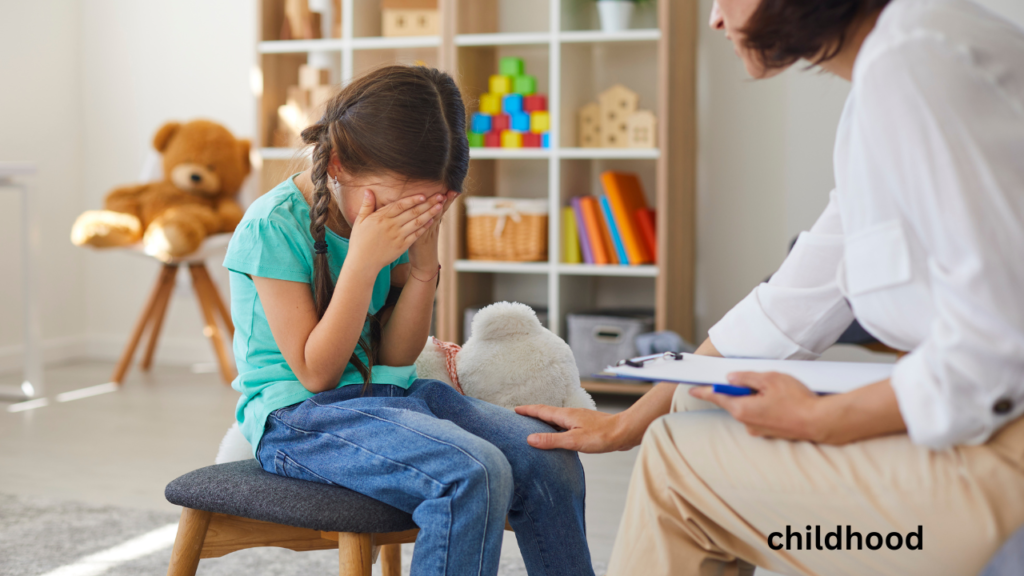
Signs to look out for:
- Crying more often than usual
- Seeming happy one minute and deeply upset the next
- Getting frustrated over small things that normally wouldn’t bother them
- Struggling to regulate their emotions, even in situations that aren’t new or challenging
What might be happening?
Children’s emotions can feel big and uncontrollable, especially when they don’t have the skills to process them. Emotional ups and downs could be a response to feeling misunderstood, overstimulated, or overwhelmed.
How can you help?
- Be their emotional anchor: Remind them that all feelings are okay and that you’re there for them, no matter what.
- Help them name their emotions: Instead of just saying, “Calm down,” try, “You look really frustrated right now. Want to talk about it?”
- Teach self-soothing techniques: Deep breathing, counting, or using a comfort item can help them regulate their emotions.
3. Becoming moody or withdrawn
If your child suddenly prefers to spend time alone, doesn’t seem interested in their favorite activities, or avoids talking about their day, it could be a sign they’re struggling.
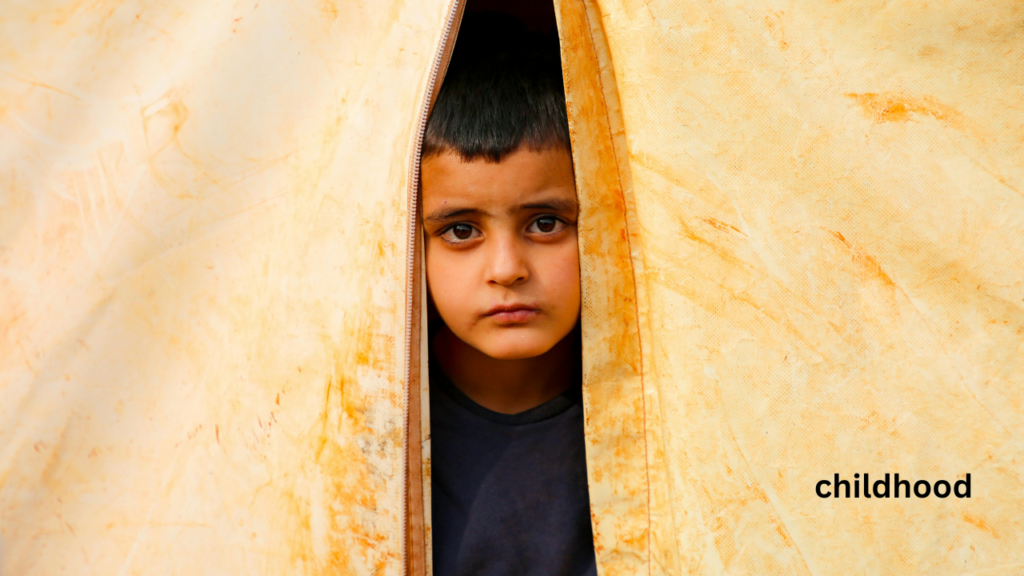
Signs to look out for:
- Spending more time alone, even when they used to be social
- Seeming distant or uninterested in family activities
- Avoiding eye contact or shutting down during conversations
- Responding with short or vague answers when asked about their feelings
What might be happening?
Withdrawal can be a way for children to protect themselves when they feel sad, overwhelmed, or misunderstood. It can also be a sign of low self-esteem, sadness, or social struggles.
How can you help?
- Give them space, but stay present: Let them know you’re there without forcing conversation.
- Engage in non-verbal connection: Sometimes, sitting beside them while they draw or play can be more effective than asking, “What’s wrong?”
- Encourage positive social interaction: Plan low-pressure outings with a friend or family member they trust.
- Be patient: Avoid saying things like “Snap out of it” or “You used to love this.” Instead, gently encourage them to open up when they’re ready.
4. Frequent tummy aches or headaches
Children often express emotional distress through physical symptoms. When words fail them, their body speaks instead.

Signs to look out for:
- Complaining of stomach pain with no clear medical reason
- Frequent headaches, especially before school or stressful situations
- Feeling sick often but improving when distracted or relaxed
- Increased tiredness or difficulty sleeping
What might be happening?
Stress, anxiety, and emotional overload can manifest physically. The gut-brain connection is powerful, and many children experience stomach aches when they feel nervous, worried, or overwhelmed.
How can you help?
- Acknowledge their discomfort: Instead of dismissing it, say, “I see that your tummy is hurting. I wonder if something is worrying you.”
- Help them connect feelings to physical symptoms: Teach them to recognize when emotions like anxiety cause physical changes.
- Use relaxation techniques: Gentle breathing exercises, warm baths, and soothing activities can help reduce stress-related symptoms.
5. Big anger outbursts over small things
Children who feel overwhelmed may have sudden and intense outbursts over things that seem minor.

Signs to look out for:
- Getting very upset over small disappointments
- Yelling, kicking, or throwing things in frustration
- Struggling to calm down after becoming upset
- Apologizing excessively after an outburst
What might be happening?
Anger is often a mask for deeper emotions like frustration, sadness, or fear. A child who struggles with big emotions might not yet have the tools to express them in a healthier way.
How can you help?
- Stay calm and model patience: Your reaction teaches them how to handle frustration.
- Help them understand their triggers: Ask, “What happened right before you got upset?”
- Create a cool-down space: A quiet place with soft pillows, calming music, or books can help them regulate emotions.
6. Frequent meltdowns or tears
If your child seems to cry often, it may be a sign that they’re feeling emotionally overwhelmed.

Signs to look out for:
- Crying more than usual, even over small things
- Getting upset over changes in routine
- Feeling overly sensitive to criticism or correction
What might be happening?
Meltdowns often happen when a child has reached their emotional limit. They may feel misunderstood, overstimulated, or exhausted from trying to hold things together.
How can you help?
- Offer comfort before correction: Start with a hug or soothing words before trying to address behavior.
- Recognize patterns: Notice if certain times of day or situations trigger more tears.
- Create a safe space for emotions: Let them know it’s okay to cry and that you’re there for them.
How to Promote Long-Term Emotional Well-being
Supporting your child’s mental health is a journey, not a quick fix. Here are some long-term strategies to help them feel emotionally secure:
✅ Prioritize connection: Daily one-on-one time, even just 10 minutes, can strengthen your bond.
✅ Encourage open communication: Let them know they can talk to you without fear of judgment.
✅ Model emotional regulation: Show them how you handle stress and big emotions in healthy ways.
✅ Teach problem-solving skills: Help them learn how to work through challenges instead of shutting down.
✅ Celebrate effort, not just results: Encourage resilience by praising their progress, not just their achievements.
Your child may not always have the words to say, “I need help,” but their actions speak volumes. By recognizing these silent signs and offering gentle support, you can create a safe and loving space where they feel truly seen, heard, and understood.
If this article resonated with you, share it with another parent who might need to hear this today.


