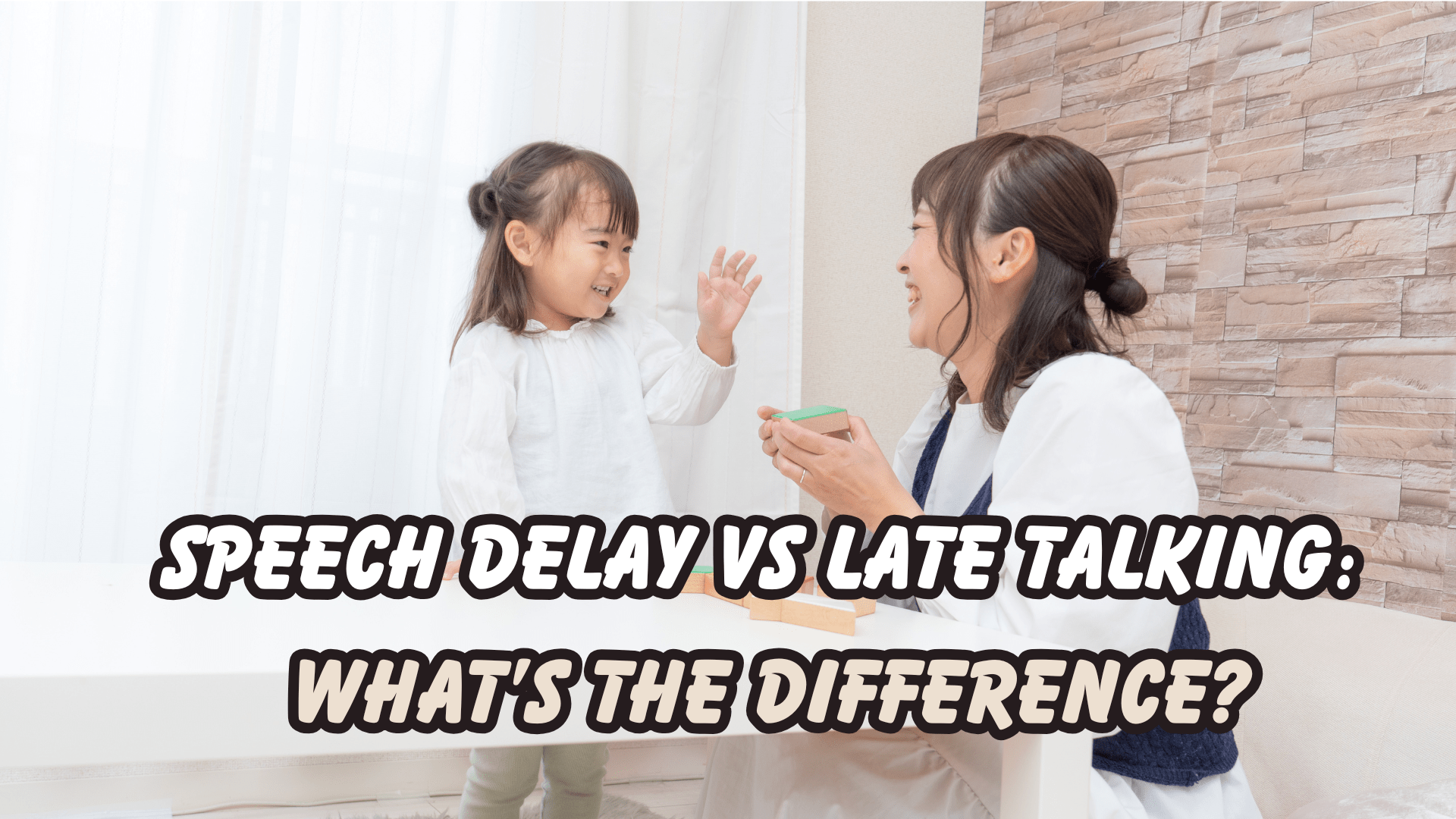
A Parent-Friendly Guide to Early Childhood Speech Development
If you’ve ever found yourself googling “Why is my toddler not talking yet?” at 2am, you’re not alone. Many parents wonder whether their child is simply a late talker or if there could be a speech delay needing extra support.
And honestly? The line between the two can feel confusing.
One well-meaning friend says, “My son didn’t talk until he was three and now he never stops!” Another says, “You should get them assessed immediately.” Suddenly, you’re caught between reassurance and worry.
The good news is that understanding the difference between speech delay vs late talking can help you feel more informed, empowered, and less overwhelmed. Every child develops differently, but there are signs, milestones, and supportive strategies that can guide you in knowing when to wait, when to encourage, and when to seek professional advice.
Table of Content
- Introduction What Is a Late Talker?
- What Is a Speech Delay?
- Speech Delay vs Late Talking: Key Differences
- Typical Speech Milestones by Age
- Signs Your Toddler May Need Speech Support
- What Causes Speech Delays?
- Do Boys Talk Later Than Girls?
- When Should Parents Be Concerned?
- How Speech Therapy Helps Toddlers
- Ways to Encourage Speech Development at Home
- Best Affiliate Products for Supporting Toddler Speech Development
- FREE Printable Speech Milestone Checklist
- Final Thoughts on Speech Delay vs Late Talking
What Is a Late Talker?
A late talker is a child who develops language skills later than expected but is otherwise progressing typically in areas like play, understanding, social interaction, and motor skills.
Late talkers usually:
- Understand what’s being said to them
- Make eye contact and engage socially
- Use gestures like pointing or waving
- Follow simple instructions
- Show interest in communicating
- Eventually catch up without long-term language difficulties
Many late talkers are between 18 months and 3 years old and simply need more time to build expressive language.
For example:
- Your toddler understands “Go get your shoes”
- They point to things they want
- They babble and attempt sounds
- But they only say a few words consistently
This can still fall within a wide range of normal development.
What Is a Speech Delay?
A speech delay means a child is developing speech and language skills more slowly than expected for their age. Unlike late talking, speech delays may involve ongoing challenges with communication, understanding language, pronunciation, or social interaction.
Speech delays can affect:
- Expressive language (talking)
- Receptive language (understanding)
- Speech clarity
- Social communication skills
A speech delay may be temporary, or it could be connected to:
- Hearing difficulties
- Developmental delays
- Autism spectrum disorder
- Oral motor challenges
- Neurological differences
- Language disorders
The earlier support is provided, the better outcomes often are.
Speech Delay vs Late Talking: Key Differences Parents Should Know
1. Understanding Language
Late Talker
- Understands directions
- Responds to their name
- Knows familiar routines
- Follows simple commands
Speech Delay
- Struggles to understand instructions
- Seems confused by language
- Has difficulty processing communication
Understanding language is one of the biggest clues professionals look at.
2. Social Interaction Skills
Late Talker
- Makes eye contact
- Enjoys social games
- Uses gestures
- Wants to communicate
Speech Delay
- Limited gestures
- Reduced social engagement
- Difficulty interacting with others
- Frustration communicating
3. Speech Progress Over Time
Late Talker
- Slowly gains new words
- Makes steady progress
- Starts combining words eventually
Speech Delay
- Progress may plateau
- Vocabulary growth stays limited
- Speech difficulties persist over time
Typical Speech Milestones by Age
Every child develops differently, but these milestones can help parents know what’s generally expected.
By 12 Months
Most babies:
- Babble (“mama,” “dada”)
- Respond to their name
- Use gestures
- Understand simple words
By 18 Months
Many toddlers:
- Say 10–20 words
- Point to objects
- Follow simple instructions
By 2 Years
Most children:
- Use 50+ words
- Combine two words (“more milk”)
- Are understood by familiar caregivers
By 3 Years
Children often:
- Speak in short sentences
- Ask questions
- Are understood most of the time
If your child is missing multiple milestones, it may be worth discussing with a healthcare provider or speech therapist.
You may to look at understanding development regression in children to support you further- https://raisingsmiles.co.uk/understanding-developmental-regression-in-children-causes-signs-when-to-seek-support/
Common Signs Your Toddler May Need Speech Support
Parents often notice subtle signs before anyone else does.
Some red flags include:
- No words by 18 months
- No two-word phrases by age 2
- Limited eye contact
- Difficulty following directions
- Rarely imitating sounds
- Frequent frustration communicating
- Regression in speech skills
- Hard-to-understand speech after age 3
Trusting your instincts matters.
What Causes Speech Delays in Toddlers?
There isn’t one single cause. Sometimes speech delays happen independently, while other times they’re connected to broader developmental factors.
Possible causes include:
- Hearing loss or recurring ear infections
- Developmental speech disorders
- Autism spectrum disorder
- Premature birth
- Oral motor weakness
- Family history of speech delays
- Limited language exposure
- Neurological conditions
It’s important to remember that speech delays are common and support is available.
Can Boys Talk Later Than Girls?
This is one of the most searched parenting questions online.
Yes, boys sometimes develop language slightly later than girls statistically, but the difference is usually small. Being a boy should never be used to dismiss significant communication concerns.
If milestones are consistently delayed, it’s always okay to seek professional guidance.
When Should Parents Be Concerned About Delayed Speech?
Parents often wonder whether they should “wait and see.”
Here’s the thing: early intervention does not harm children who are simply late talkers. But waiting too long can delay support for children who genuinely need help.
You may want to seek evaluation if:
- Your child rarely attempts communication
- Speech is not progressing over several months
- They seem frustrated often
- They struggle understanding language
- You notice developmental concerns in other areas
A speech and language therapist can assess whether your child is a late talker or experiencing a speech delay.
How Speech Therapy Helps Toddlers
Speech therapy for toddlers is often play-based, engaging, and family-focused.
Therapists may work on:
- Vocabulary building
- Sound imitation
- Understanding language
- Turn-taking
- Social communication
- Mouth movement coordination
Parents are usually a huge part of the process.
And importantly needing speech therapy is not a failure. Many children thrive with early support.
Easy Ways to Encourage Speech Development at Home
Parents can support language growth naturally throughout the day.
Narrate Daily Activities
Talk through routines:
- “We’re putting on socks!”
- “Let’s wash your hands!”
This helps children connect words with actions.
Read Together Every Day
Books are powerful for language development.
Focus on:
- Naming pictures
- Asking simple questions
- Repeating favorite words
- Letting your child point and participate
Limit Background Noise
Too much TV or background audio can reduce opportunities for interaction.
Aim for:
- More face-to-face communication
- Interactive play
- Simple conversations throughout the day
Pause and Wait
Give your child time to respond instead of anticipating every need immediately.
Even small attempts at communication deserve encouragement.
Sing Songs and Nursery Rhymes
Repetition, rhythm, and melody help language stick.
Try:
- Action songs
- Finger rhymes
- Repetitive toddler songs and read on how music and rhythm improves speech in young children on here – https://raisingsmiles.co.uk/how-music-and-rhythm-improve-speech-in-young-children/
Best Affiliate Products for Supporting Toddler Speech Development
1. Language Development Flash Cards
Visual cards help toddlers connect words with objects and actions while building vocabulary through play.
Recommended for:
- Early vocabulary
- Object recognition
- Interactive games

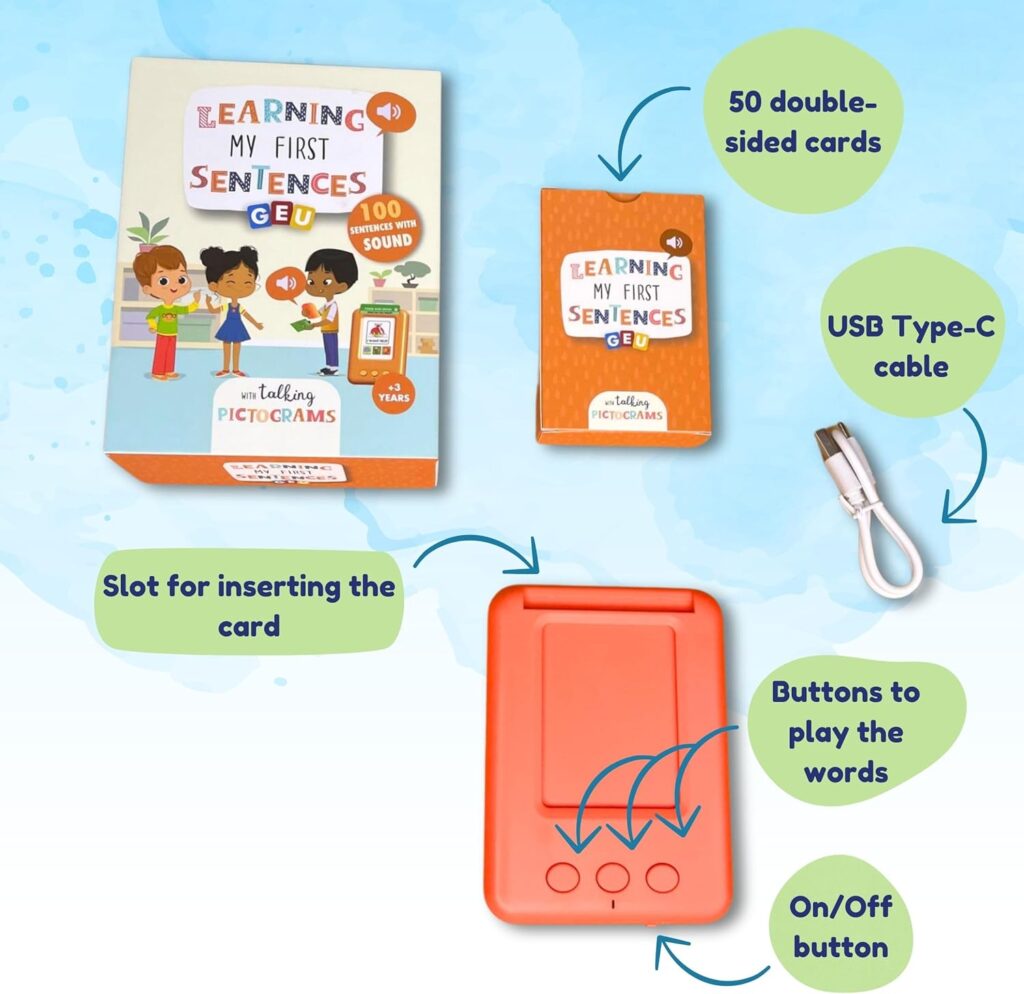
2. Interactive Speech Toys for Toddlers
Talking toys and sound buttons can encourage imitation, turn-taking, and listening skills.
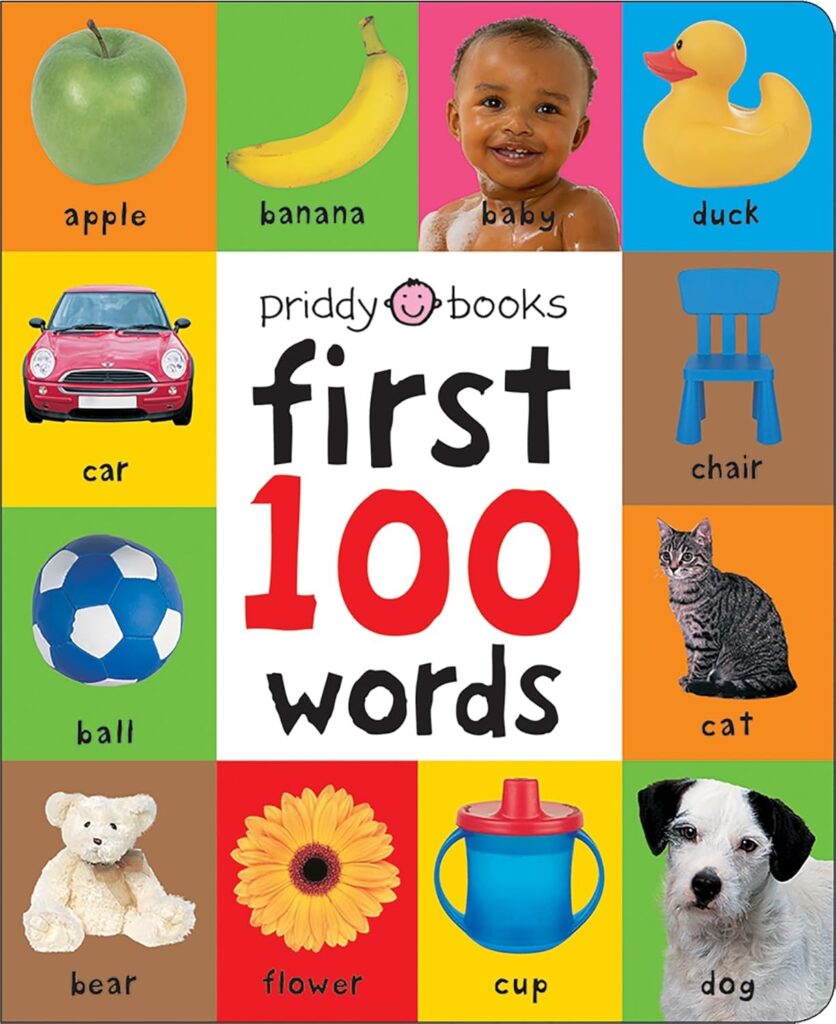
Toddler Books That Encourage Language
Some excellent speech-friendly books include:
- First word picture books
- Repetitive phrase books
- Lift-the-flap books
- Sound books
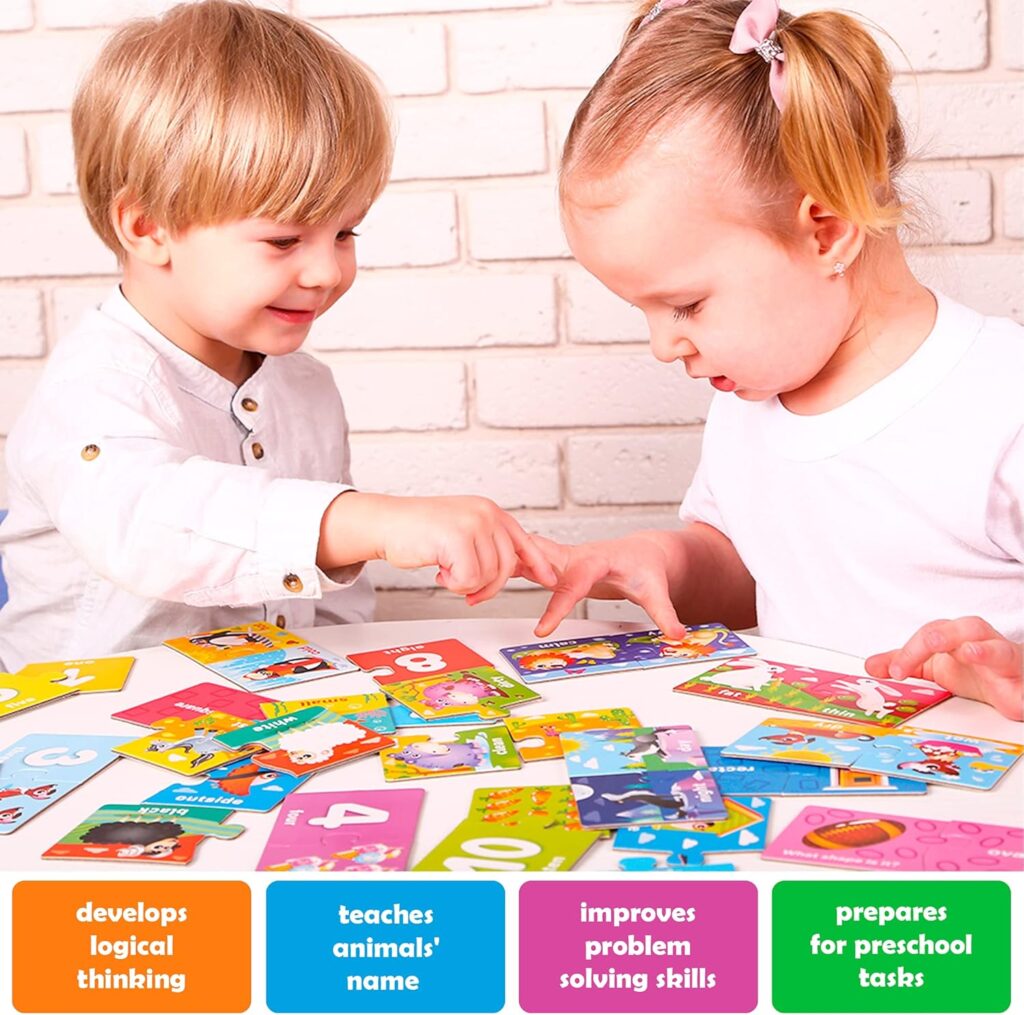
3. Wooden Puzzle & Matching Games for Language Development
Simple matching puzzles and wooden learning games can be amazing tools for encouraging speech and communication in toddlers. They naturally create opportunities for:
Parents often see the best progress when reading becomes part of everyday routines.
FREE Printable: Toddler Speech Milestone Checklist
To help parents feel more confident tracking development, we’ve created a free printable speech milestone checklist covering:
- Speech milestones by age
What Parents Need to Hear Most
It’s easy to compare children. Social media makes it even harder when other toddlers seem to be speaking in full sentences while yours says only a handful of words.
But development isn’t a race.
Some children truly are late talkers who catch up naturally. Others benefit greatly from extra support early on. Neither situation reflects parenting failure.
The most important thing is paying attention, staying engaged, and reaching out when concerns arise.
You know your child best.
Final Thoughts on Speech Delay vs Late Talking
Understanding the difference between speech delay vs late talking can help parents feel more confident navigating early childhood communication concerns.
A late talker typically:
- Understands language well
- Socially engages
- Progresses gradually over time
A speech delay may involve:
- Ongoing communication challenges
- Difficulty understanding language
- Limited social interaction
- Slower developmental progress
If you’re unsure, seeking professional advice can provide reassurance, guidance, and early support when needed.
And remember: communication grows through connection. The everyday moments reading books, singing songs, chatting during snack time truly matter more than perfection.
Your child doesn’t need pressure.
They need interaction, patience, encouragement, and love.