by Nonye Chukwujama
Introduction
Last week during school drop-off, another parent sighed as she shared how her son struggled to concentrate during morning lessons. “He barely touches breakfast,” she said. I nodded because I’ve been there too. As parents, we all want our kids to thrive academically, socially, and emotionally. But sometimes, no matter how hard we try, focus and memory seem to slip away for our children.
Here’s something I discovered and it changed everything in our home: nutrition plays a powerful role in how kids learn, focus, and behave. The food we give them doesn’t just fill their stomachs; it fuels their brains.
In this post, I’ll walk you through the science of brain-boosting foods kids will actually eat, practical snack ideas, smart swaps you can try today, and where you can find trusted products that make it easy for busy families. If you’ve ever worried about your child’s focus in class, memory while studying, or energy during after-school activities, this guide is for you.
Why Brain Nutrition Matters
Children’s brains are still developing well into their teenage years. During this time, what they eat directly affects:
- Focus and attention span – Nutrients like omega-3s help neurons communicate effectively.
- Memory and learning – Foods rich in antioxidants protect brain cells and improve recall.
- Mood regulation – Blood sugar stability impacts irritability and anxiety.
- Sleep quality – The right nutrients calm the nervous system and help kids rest better.
When kids skip breakfast or live on sugary snacks, we notice it: crankiness, brain fog, and low energy. But when we nourish them with the right foods, we see the opposite: alertness, better moods, and improved learning.
Key Brain-Boosting Nutrients (And Where to Find Them)
- Omega-3 Fatty Acids
- Role: Builds healthy brain cells, improves focus and memory.
- Kid-friendly foods: Salmon, sardines, tuna, chia seeds, flaxseeds, walnuts.
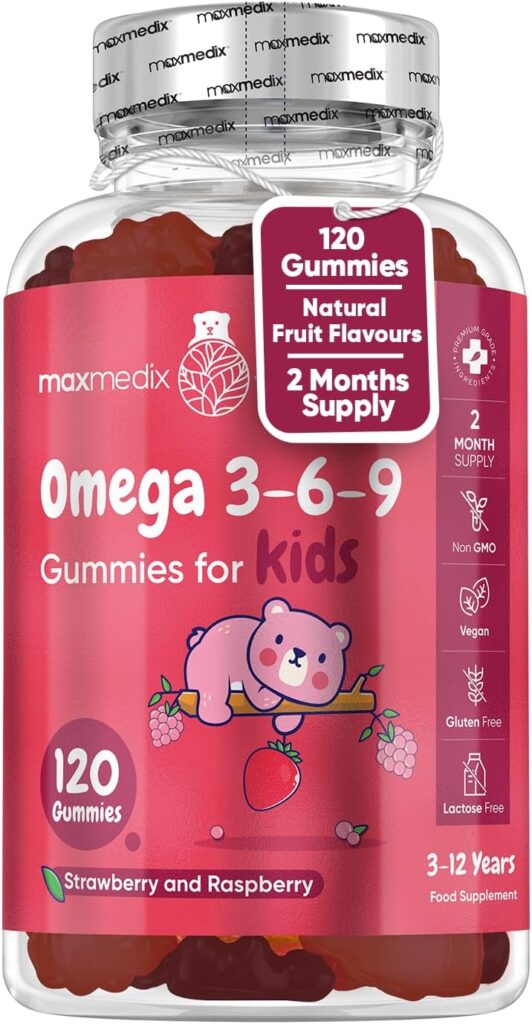
- kid-friendly omega-3 gummies
- Protein
- Role: Stabilizes blood sugar, prevents energy crashes, supports neurotransmitters.
- Foods: Eggs, Greek yogurt, cheese, lean chicken, beans, hummus.
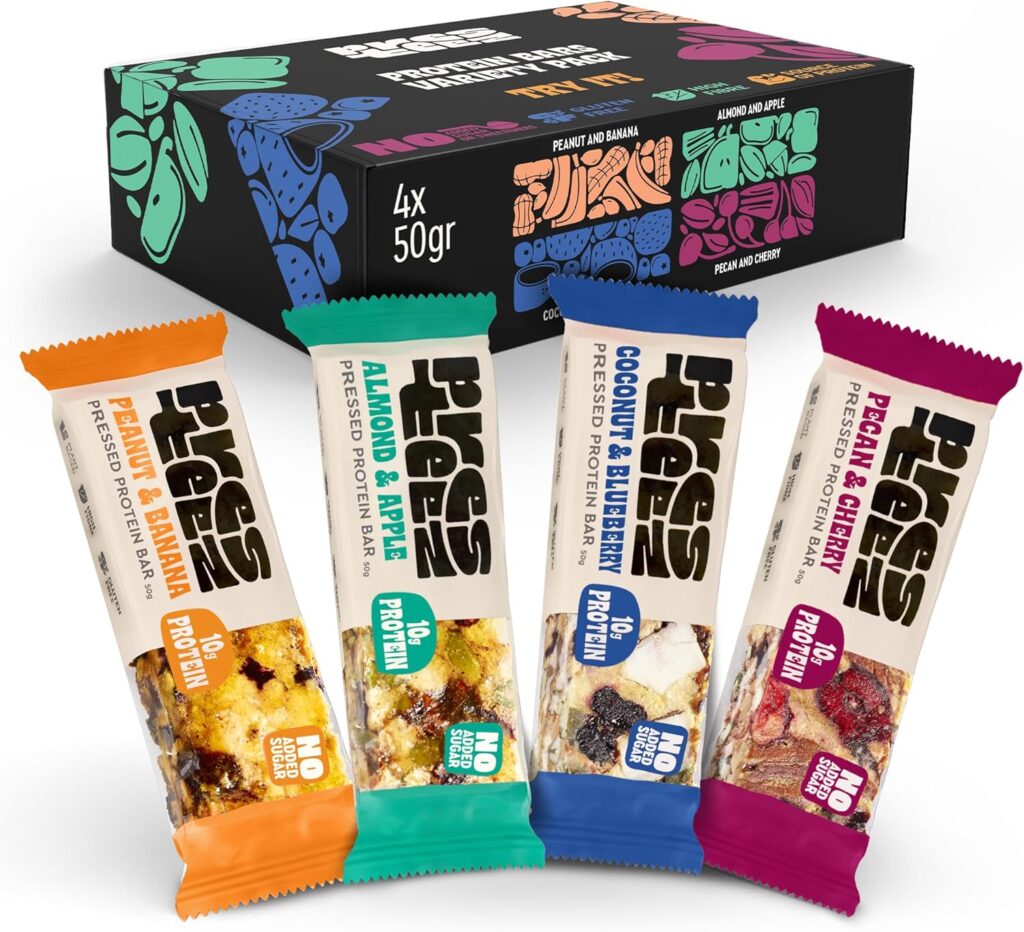
- High-protein snacks for kids
- Iron & Zinc
- Role: Vital for attention and learning. Deficiency linked to fatigue and poor memory.
- Foods: Lean beef, spinach, pumpkin seeds, fortified cereals.
- B Vitamins
- Role: Supports energy metabolism and brain function.
- Foods: Whole grains, bananas, milk, eggs, poultry.
- Antioxidants (Vitamin C & E, Polyphenols)
- Role: Protects brain cells, boosts immunity, and supports memory.
- Foods: Berries, citrus fruits, tomatoes, nuts.
- Complex Carbs
- Role: Provide steady glucose release for focus.
- Foods: Oatmeal, brown rice, sweet potatoes, whole-grain bread.
Brain-Friendly Meals & Snacks Kids Actually Eat
- Breakfast ideas:
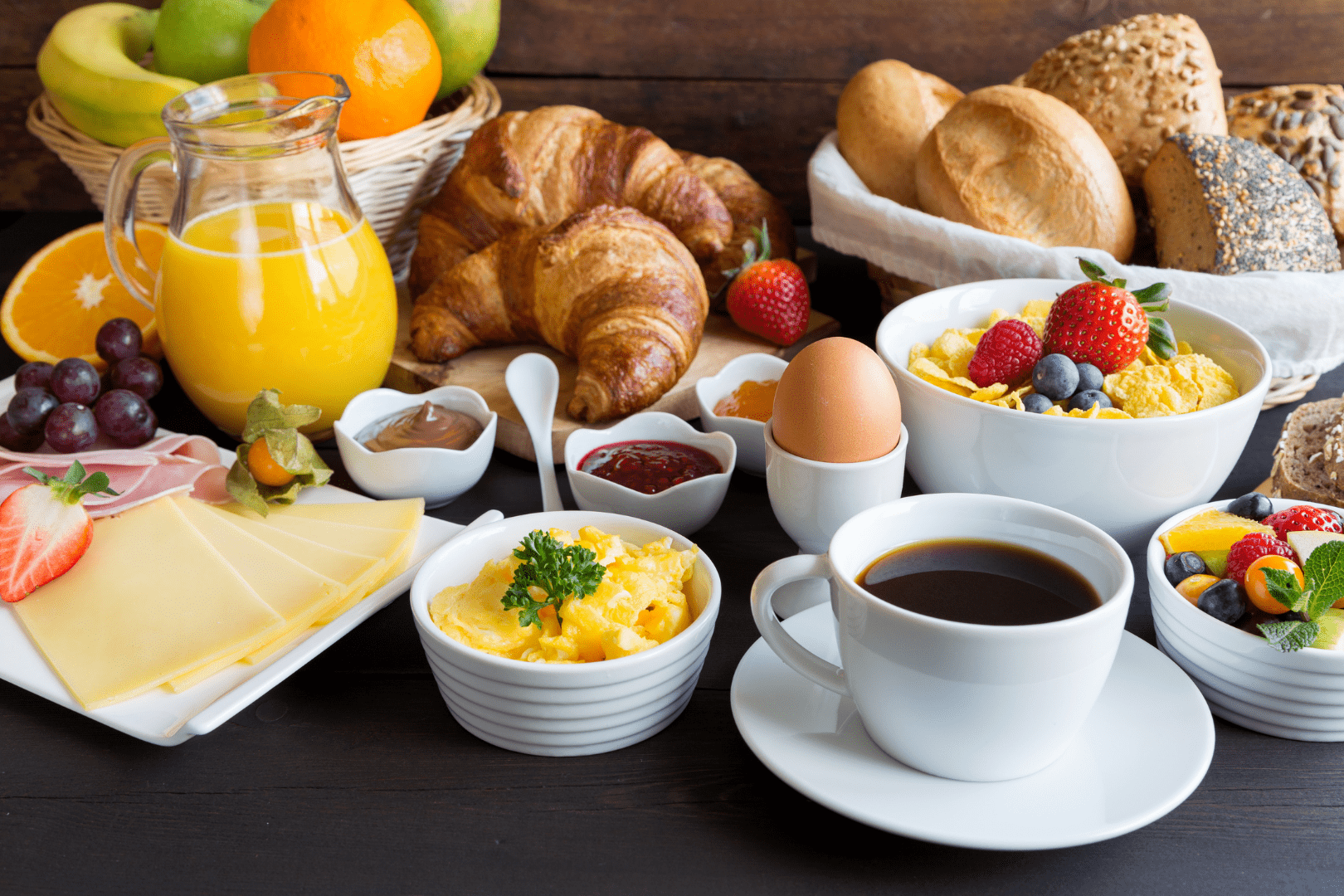
- Whole grain toast with peanut butter + banana slices
- Oatmeal with blueberries and chia seeds
- Greek yogurt with strawberries and granola
- Cornflakes with milk and banana slices
- Boiled yam with fried egg or avocado
- Bread and tea with boiled egg
- Snack swaps:
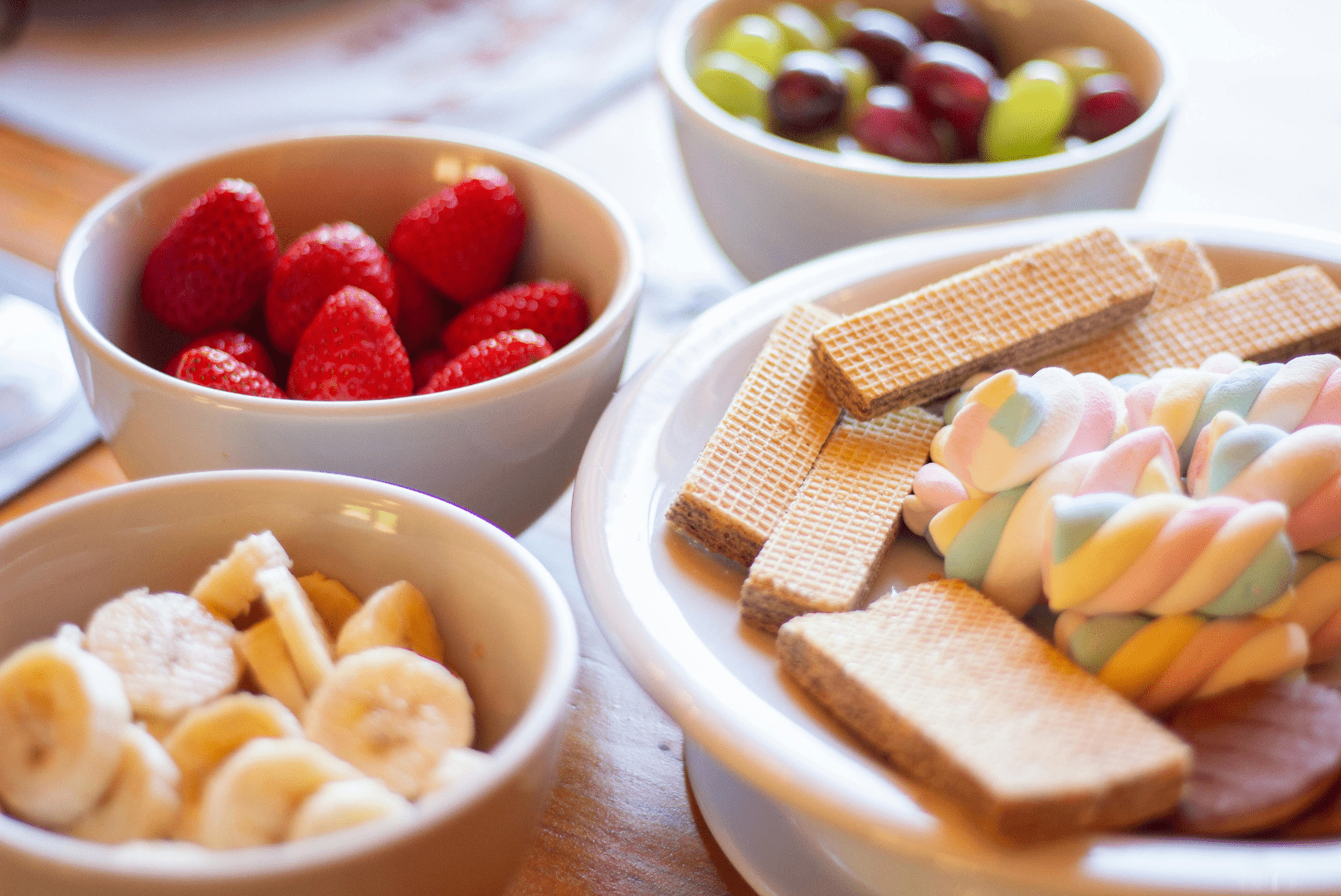
- Instead of candy → fresh berries or apple slices with almond butter
- Instead of chips → roasted chickpeas or corn
- Instead of soda → fruit-infused water
- Instead of soda → expressed fruit juice
- Instead of Icecream → Try yogurt
- School lunch add-ons: (Consider school policy around allergens)
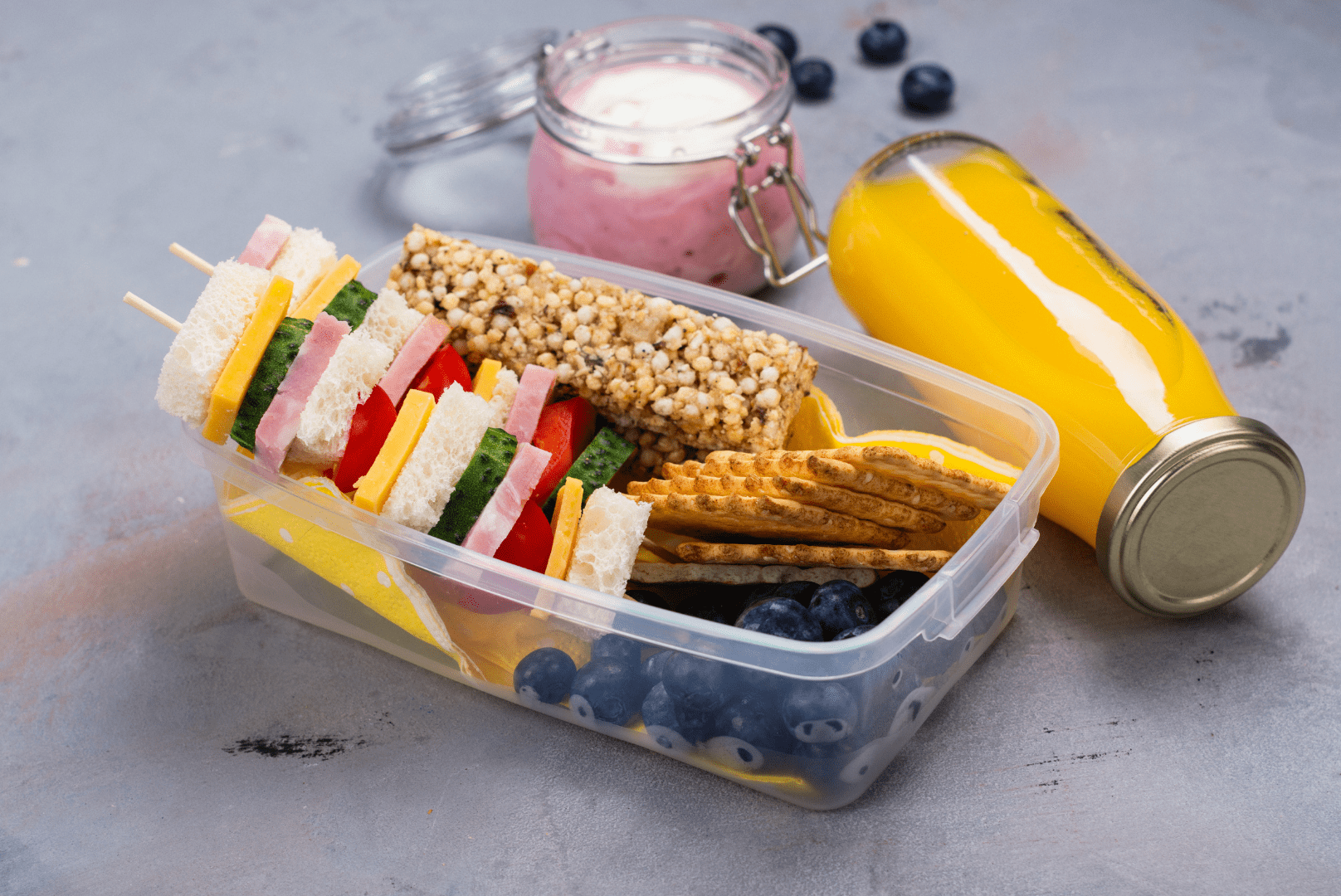
- Hard-boiled egg
- Cheese sticks
- Sausage roll or meat pie (small portion)
- Apple or pear
- Groundnuts in a small pack
- Crackers with peanut butter
- Carrot and cucumber sticks
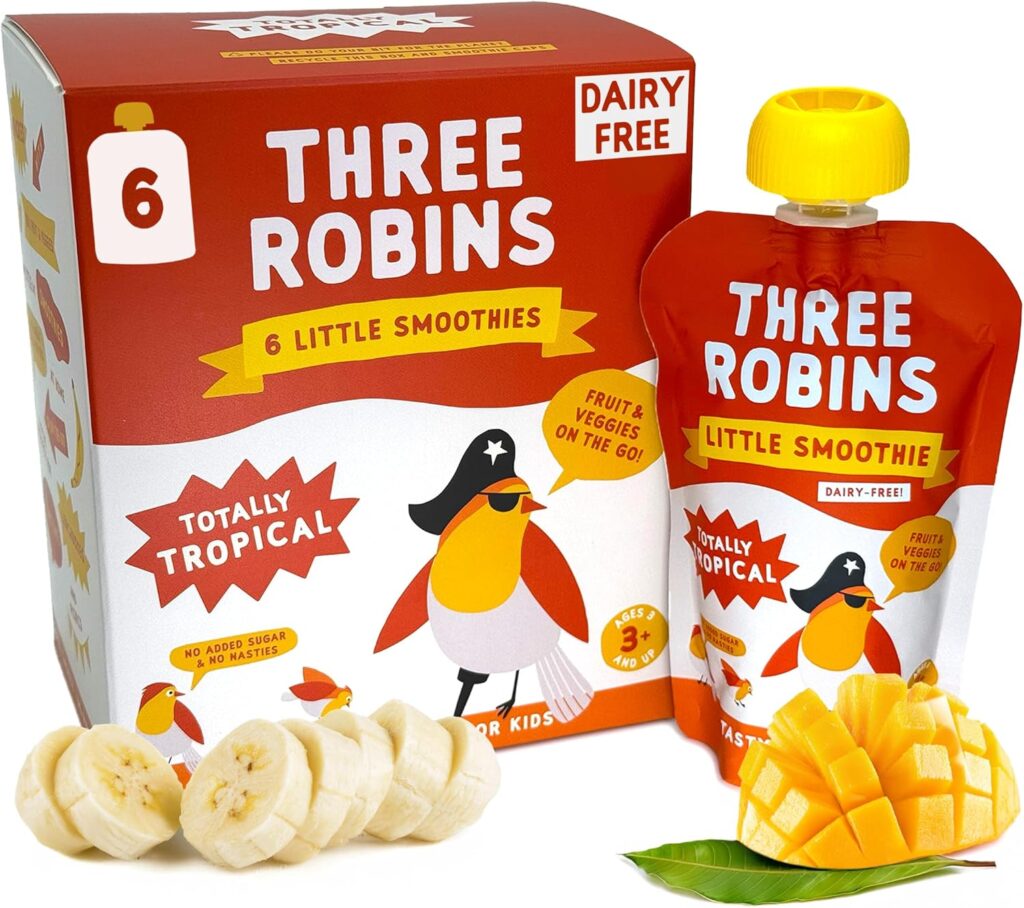
What to get and where to get them:
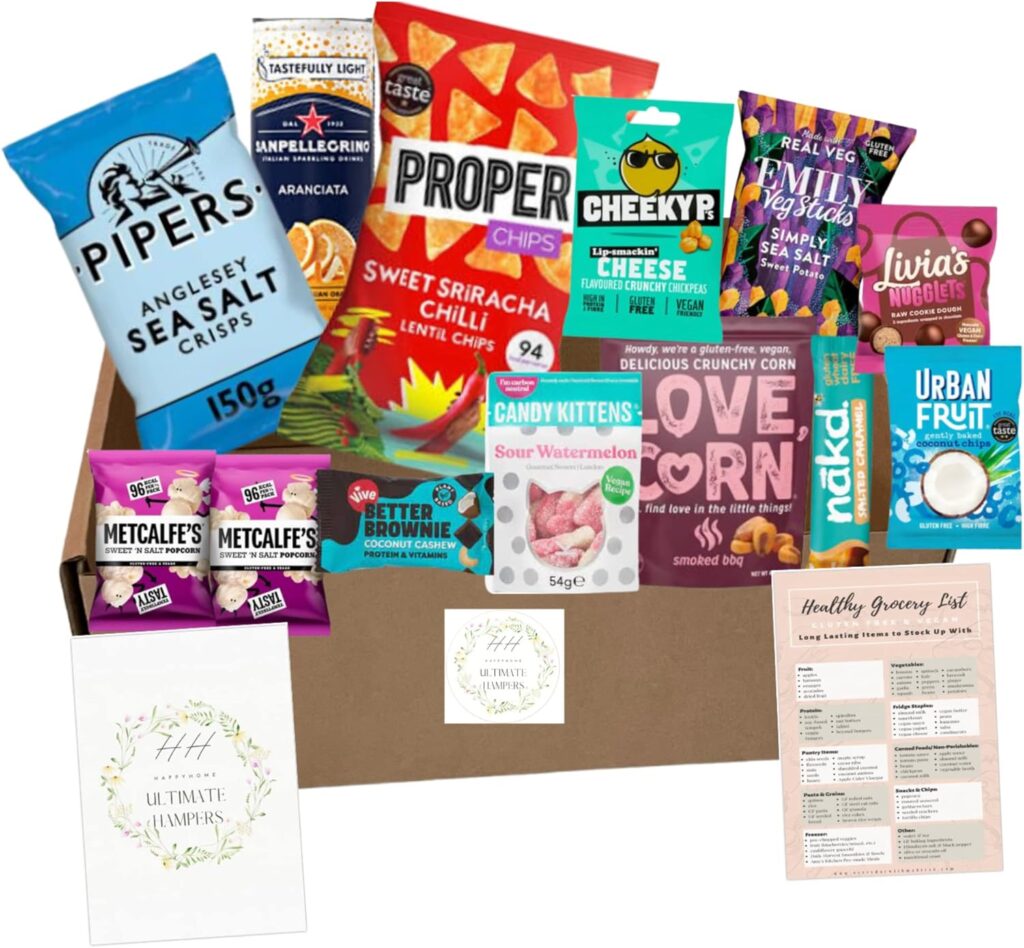
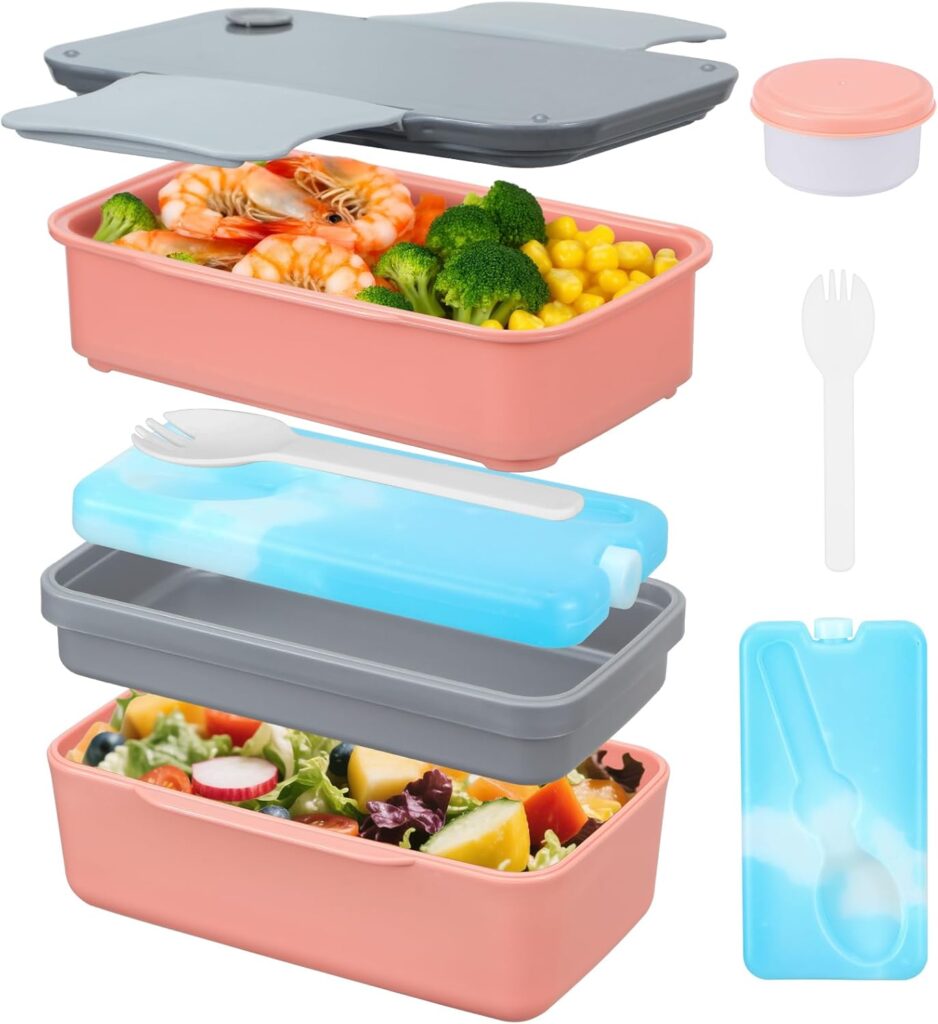
3. Kid-approved smoothie mixes.
Parent Stories
One mom I spoke to shared how switching her daughter’s mid-morning snack from cookies to a homemade trail mix boosted her ability to sit through math class without fidgeting. Another dad said adding salmon patties twice a week helped his son remember spelling words better. These aren’t miracles, they’re biology at work.
Quick Brain Fuel for Busy Families
Parents are busy. You may not always have time to cook from scratch. That’s okay. The good news is there are ready-made, healthy options:
- Omega-3 fortified yogurts
- Pre-packed nut butter snack packs
- Whole grain granola bars
- Smoothie pouches with hidden veggies
Common Mistakes to Avoid
- Skipping breakfast (leads to poor concentration)
- Too much sugar (causes energy crashes)
- Over-reliance on processed foods (nutrient gaps)
Freebie Offer
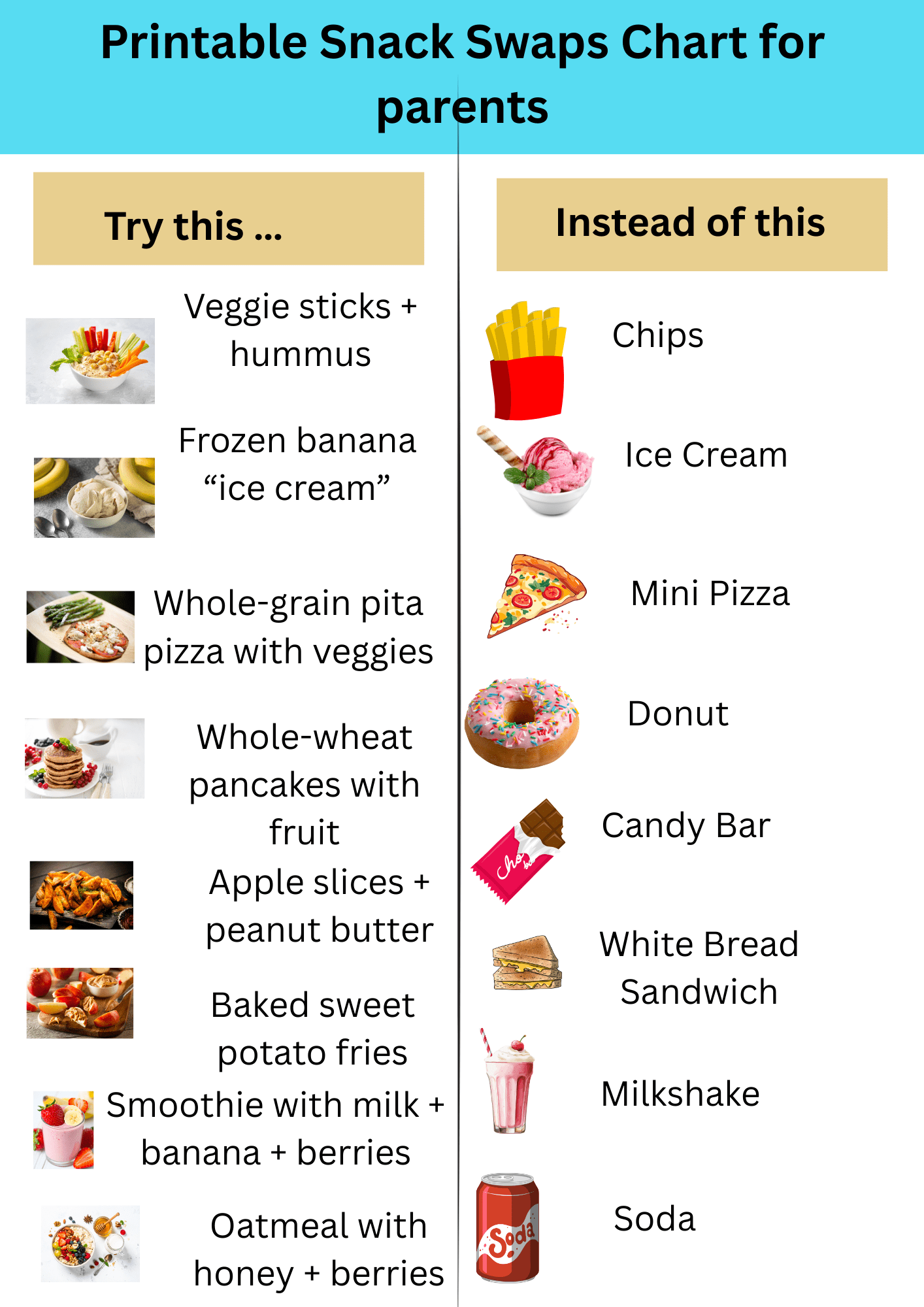
To make this even easier, I’ve created a Printable Snack Swaps Chart for parents. It shows quick swaps
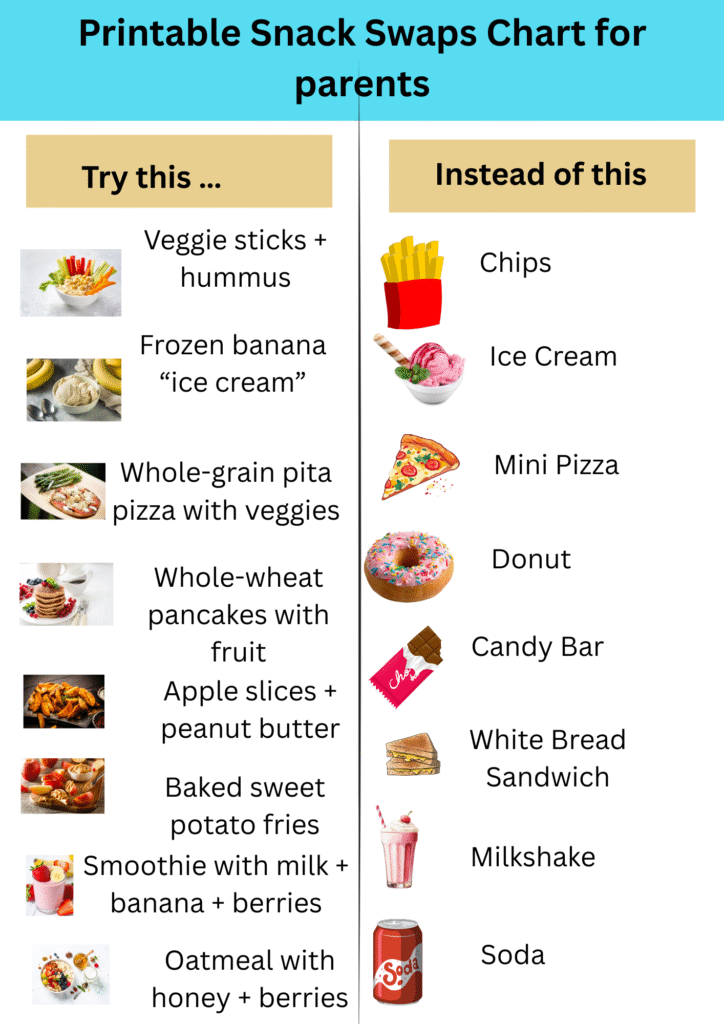
for common sugary snacks, with brain-boosting alternatives kids actually enjoy.
If you’d like it, comment “Interested” below and I’ll send it directly to you. And don’t forget to share this with other parents—you never know who needs this today.