One of the biggest differences between parenting today and parenting in previous generations is the amount of information available.


One of the biggest differences between parenting today and parenting in previous generations is the amount of information available.
Is my child actually not listening?
Before you repeat yourself for the fourth time, ask yourself a simple question:
Did my child actually stop, listen and understand what I said?
Is your child behind in reading? Learn what reading difficulties can look like, when to speak to school, and simple ways to support your child at home.
Does your child get their intelligence from Mum or Dad? Discover what science really says about inherited intelligence, genetics, learning and the role your child's environment plays in their development.

Ever wondered what your child inherited from Mum or Dad? Discover 10 fascinating traits children can inherit from their parents, including eye colour, hair, height, intelligence, personality and more, and learn what genetics really says about family resemblance.
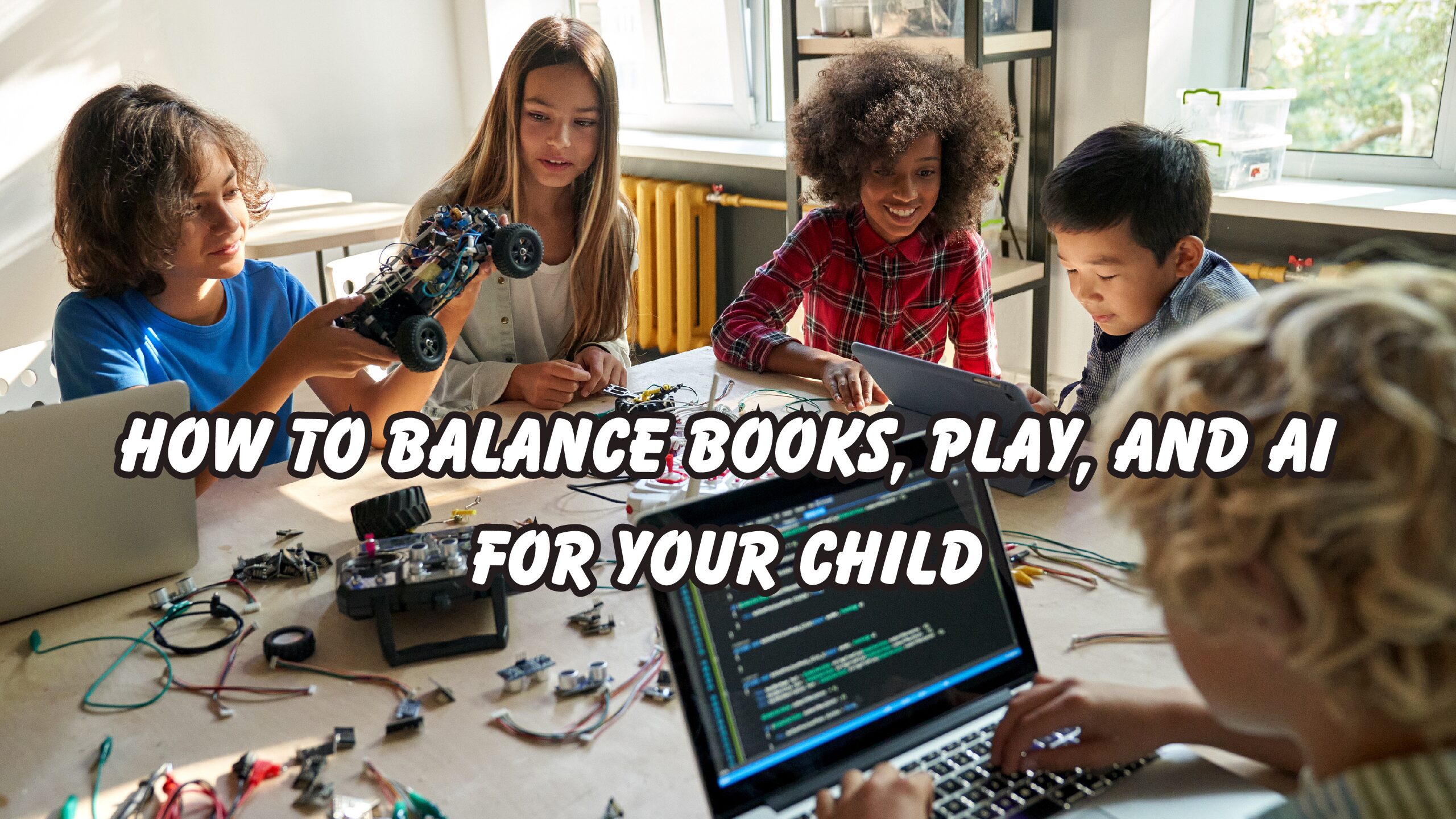
Wondering how to balance books, play, and AI for your child? Discover practical ways to combine reading, imaginative play, and technology to support your child's learning, creativity, and overall development.
Artificial intelligence is transforming childhood. Discover how to raise intelligent children in the age of AI by helping them develop the thinking, creativity, resilience, and life skills technology cannot replace.
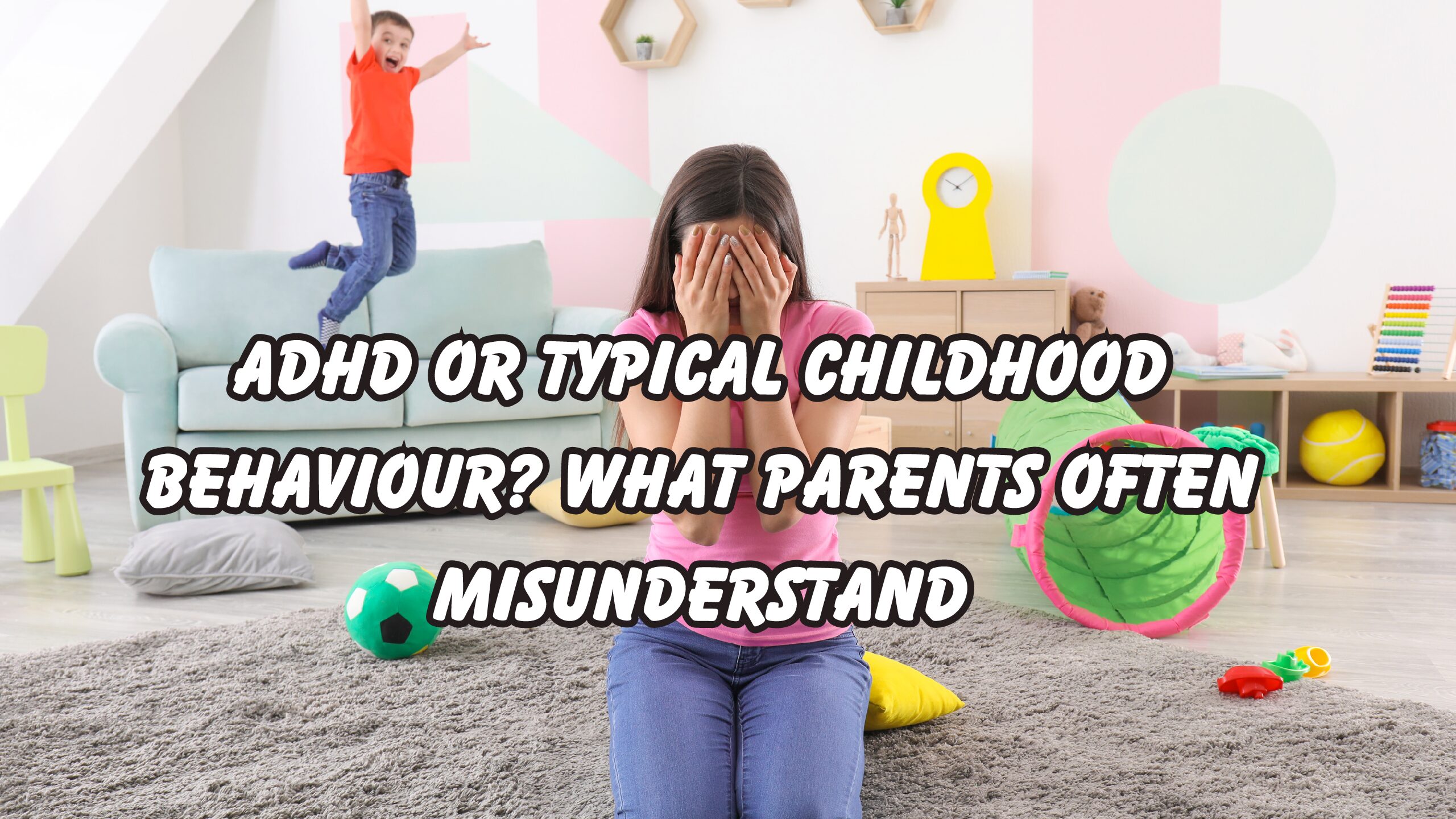
Is your child simply energetic, distracted, or forgetful, or could it be something more? Learn the differences between ADHD and typical childhood behaviour, common misconceptions, and signs that may warrant professional support.
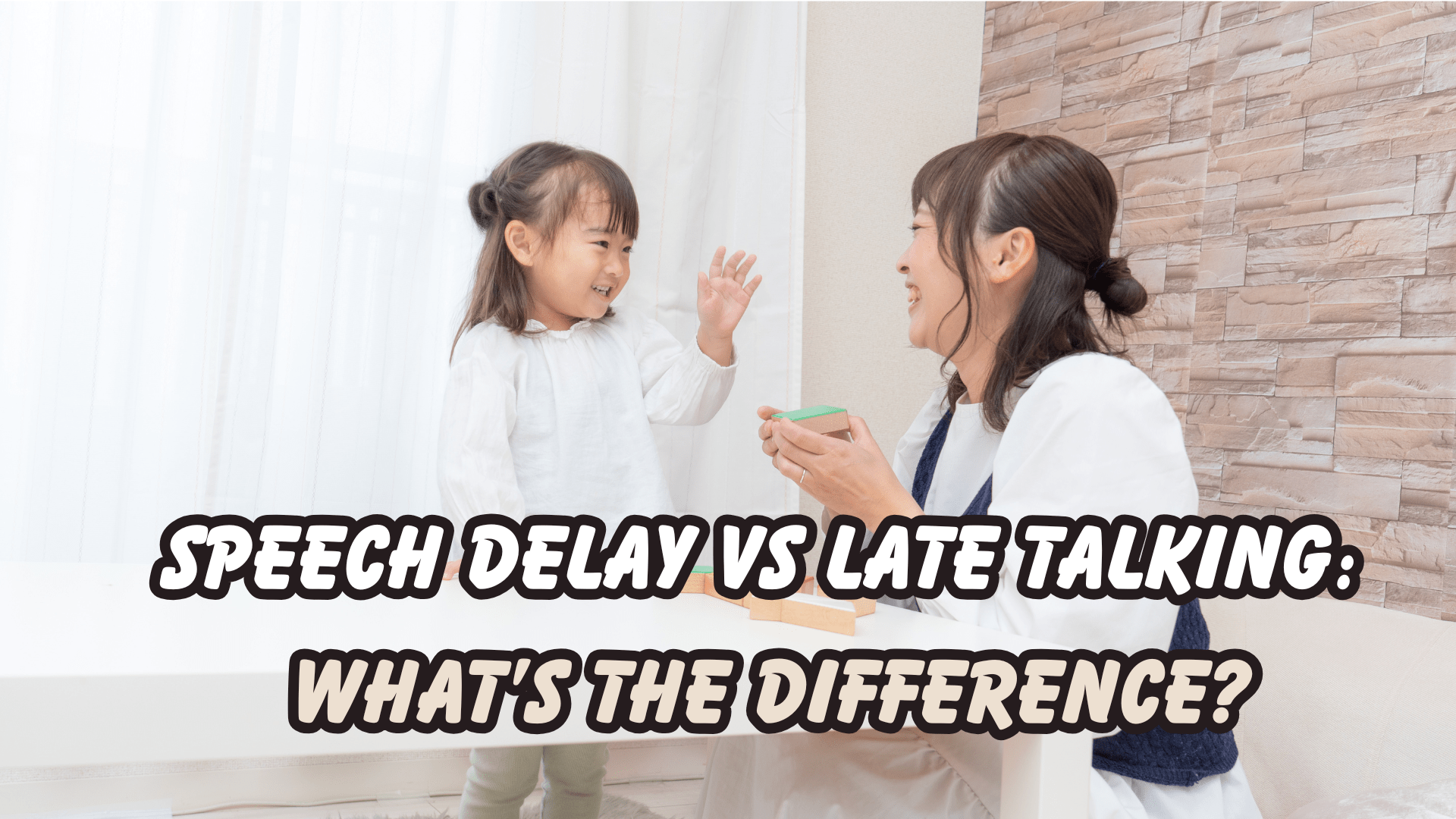
Wondering whether your child is a late talker or has a speech delay? Learn the key differences, typical speech milestones, warning signs, and ways to support speech development at home.
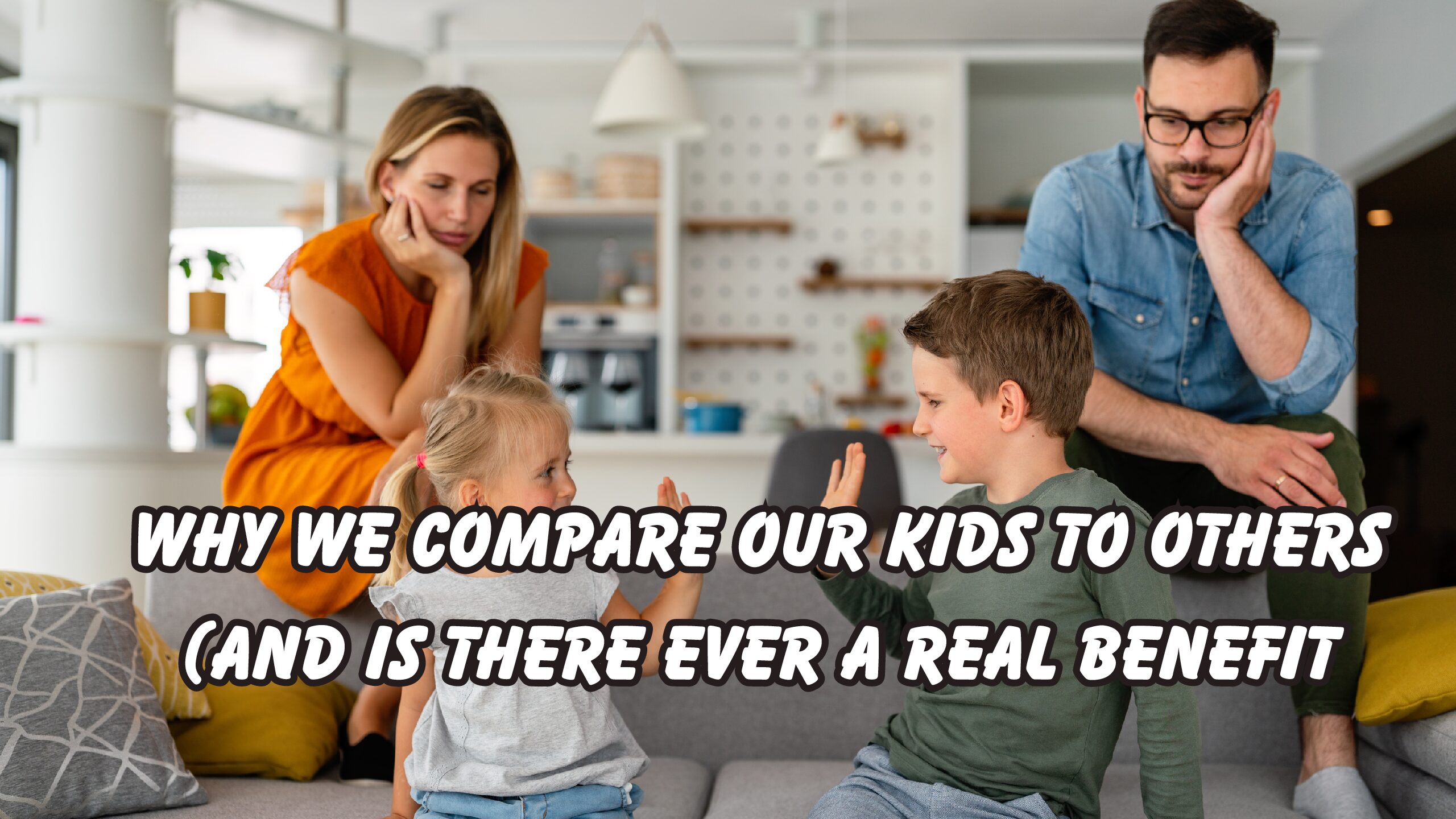
Most parents have compared their child to another child at some point. Discover why it happens, how it affects children and parents, and whether there is ever a healthy way to use comparison.
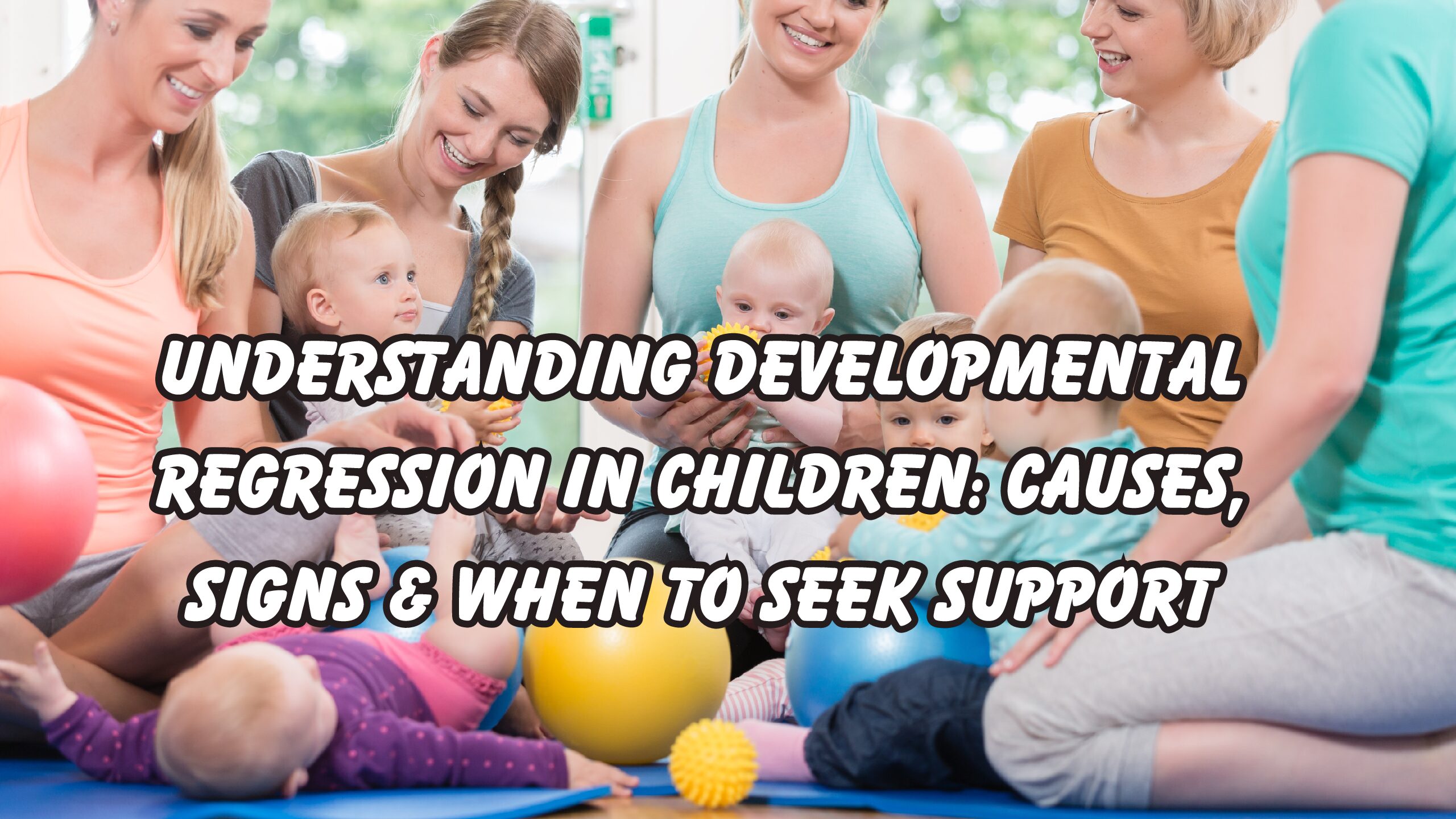
Developmental regression in children can be worrying for parents. Learn what it is, possible causes, signs to watch for, and when professional support may be beneficial.

Every parent has had that moment. Your child is bouncing from couch to chair, talking nonstop, climbing things they shouldn’t climb, forgetting instructions you gave 30 seconds ago… and suddenly you’re wondering: “Is this normal childhood energy… or could this be hyperactivity?” First, take a deep breath. You are not alone. Many children are naturally energetic, curious, loud, emotional, and constantly moving. In fact, experts say it’s completely normal for young children to have short attention spans and bursts of endless energy. But sometimes, parents notice behaviors that seem bigger than typical childhood activity, behaviors that affect learning, friendships, sleep,…
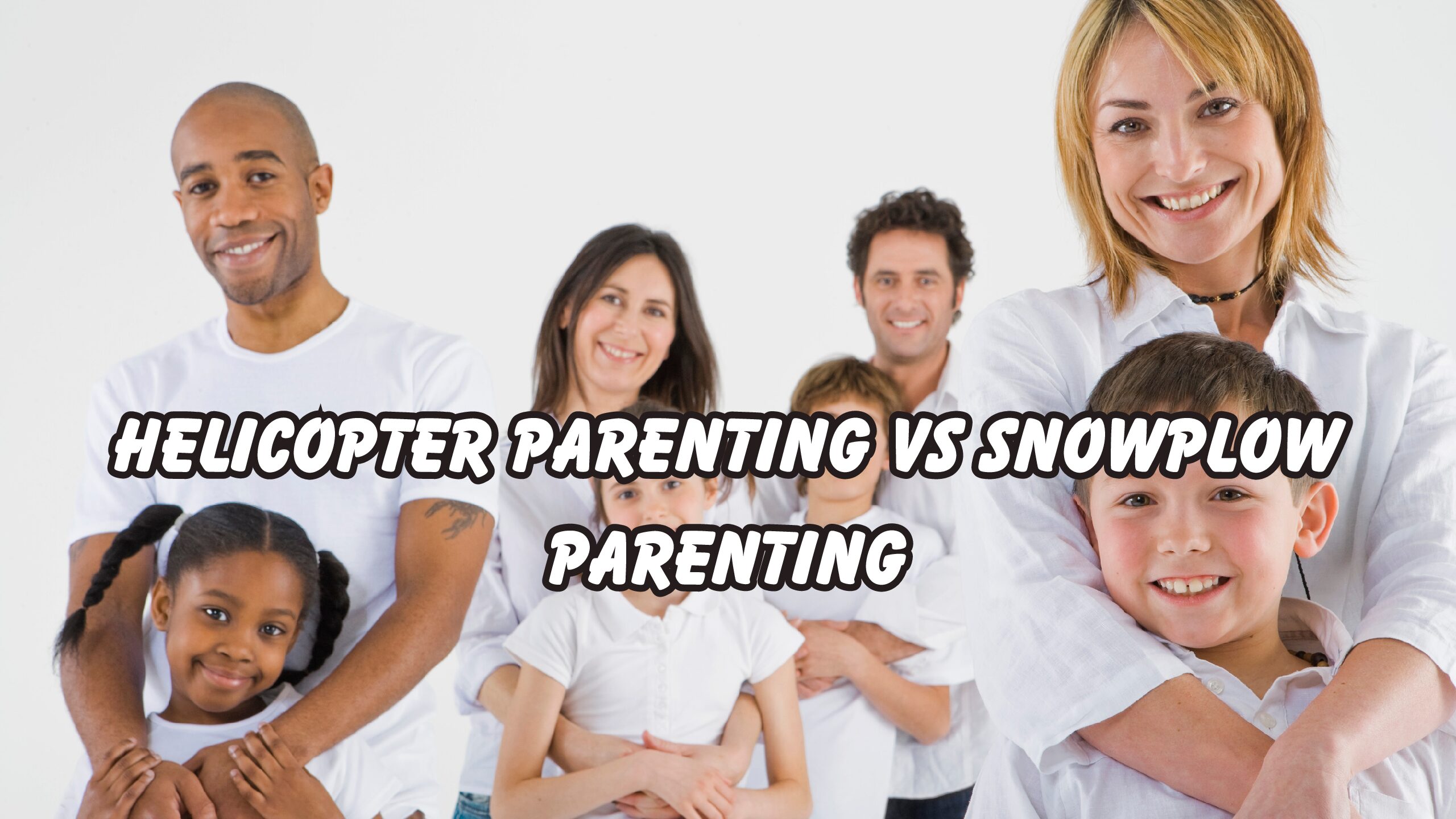
Are you helping your child grow or protecting them too much? Explore the differences between helicopter parenting and snowplow parenting, how they affect children long-term, and healthier ways to raise confident, independent kids.

Over-parenting in 2026 is becoming more common than many parents realise. From Snowplow parenting that removes every obstacle, to Drone parenting fueled by constant digital monitoring, modern parenting pressure is reshaping childhood in powerful ways. In this post, we explore the signs of over-parenting, why so many loving parents struggle to step back, how over-involvement affects children’s confidence and resilience, and practical ways to create healthier balance while still supporting your child with care and connection.
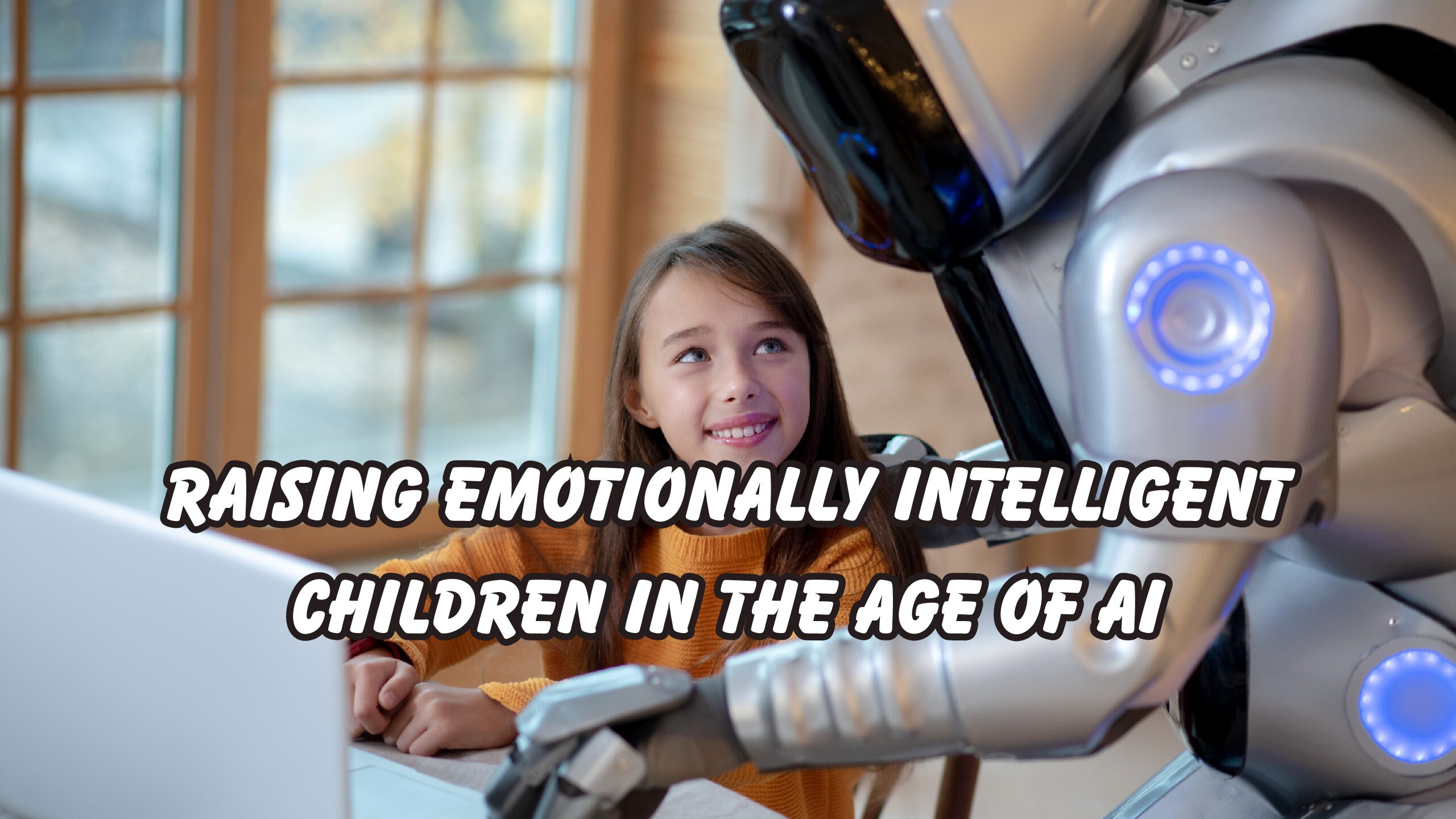
Children are growing up surrounded by AI, instant answers, and constant digital interaction. Learn why emotional intelligence matters more than ever in today’s technology-driven world.

Discover 10 Surprising Traits Children Inherit From Their Parents, from personality and intelligence to physical and emotional characteristics shaped by genetics and environment.

Looking for free learning apps for kids that are actually safe and useful? This guide highlights trusted, low-ad apps children aged 6–10 can use independently without constant supervision.

Wondering if your child is truly doing well in school? Learn the key signs your child is thriving in school and the warning signs your child may need help at school before bigger challenges arise.

Traits Daughters May Inherit from Their Fathers

(Without Pressure or Resistance) Parenting in the toddler years can feel like a constant balancing act. One minute your child is curious, eager, and soaking everything in, and the next they are uninterested, distracted, or refusing to engage with anything that even looks like learning. If you have ever bought an educational book or toy for your toddler only for it to be ignored after five minutes, you are not alone. The truth is simple but often misunderstood: toddlers are not resistant to learning. They are resistant to pressure, boredom, and anything that does not feel meaningful to them. Introducing…