There is a moment most parents recognise, even if they do not talk about it out loud.
You are at school pickup, a birthday party, a family gathering, or even scrolling online… and suddenly you notice it.
Another child is speaking more clearly.
Another seems more confident.
Another is reading earlier, behaving calmer, or doing something your child is not yet doing.
And almost without thinking, a quiet question appears in your mind:
“Should my child be doing that already?”
That moment is more common than we admit. And it often comes with a mix of emotions that feel heavy to carry quietly as a parent: worry, guilt, doubt, sometimes even panic.
But here is something important to say right at the beginning.
You are not a bad parent for comparing your child.
You are a human parent in a world that constantly encourages comparison.
The real question is not whether we compare our children.
Most of us do.
The real question is what that comparison is doing to us, what it is doing to our children, and whether there is ever a healthy version of it that actually helps.
Let’s talk about it properly, without judgement.
What This Post Covers
- Why parents naturally compare children
- Why comparison feels so intense in modern parenting
- What comparison is really doing emotionally
- Whether comparison can ever be helpful
- The hidden impact on children
- How to shift from comparison to understanding
- What to focus on instead (practical parenting mindset shift)
- Helpful tools for emotional clarity and parenting confidence
- A free printable to help you step out of comparison pressure
- Final thoughts for overwhelmed parents
Why Parents Naturally Compare Children
Comparison is not something parents “choose” to do consciously. It is something deeply human.
From a developmental and psychological point of view, humans are wired to observe patterns. We look around us to understand what is normal, what is expected, and where we fit.
In parenting, that instinct becomes stronger because we care deeply about our children’s wellbeing.
So when we see another child speaking earlier, reading faster, or behaving differently, our brain immediately tries to make sense of it:
“Is this normal?”
“Is my child okay?”
“Should I be doing something differently?”
This is not insecurity. It is concern shaped by love.
But today’s world amplifies this instinct far more than before.
We are not just comparing our children to a small local group anymore. We are exposed to:
- school groups and class WhatsApp updates
- family comparisons we didn’t ask for
- parenting forums and milestone discussions
- social media highlight reels
- early development expectations everywhere
And without even noticing, comparison becomes constant background noise.
Why Comparison Feels Stronger in Modern Parenting
One of the reasons comparison feels heavier today is because parenting information is everywhere.
You can search anything instantly:
“Should my child be talking at this age?”
“Is my child behind in reading?”
“What should a 5-year-old be able to do?”
While information is helpful, it also creates pressure when it is not balanced with reassurance.
Social media adds another layer. You rarely see the full story of a child’s development. You see milestones, not struggles. You see achievements, not messy middle moments.
So what we end up comparing is:
- our real everyday child
with - someone else’s best moment
That is not a fair comparison, but it feels real in the moment.
And slowly, it can make parents feel like they are always behind, even when they are not.
What Comparison Is Really Doing to Us
Comparison does not just sit quietly in the background. It affects how we feel as parents.
It can quietly create:
- constant worry about development
- pressure to “catch up”
- overchecking behaviours
- unnecessary panic about normal variation
- loss of confidence in your own judgement
And the difficult part is that most of this happens internally. Many parents do not say it out loud, but they carry it.
Over time, it can shift parenting from enjoying your child to monitoring your child.
Instead of seeing your child as they are, you start seeing where they “stand” compared to others.
And that changes the emotional experience of parenting.
Because children are not projects to optimise.
They are individuals developing in their own rhythm.
What Comparison Does to Children (Even When We Don’t Say It Out Loud)
Children are more aware than we often realise.
They pick up tone. They pick up pressure. They pick up expectations.
Even when we are not directly saying “why can’t you be like that child,” comparison can show up in subtle ways:
- repeated correction in certain areas
- constant reminders about other children
- frustration linked to expectations
- praise only when they match others
Over time, children may begin to feel:
- not good enough
- unsure of themselves
- anxious about performance
- less willing to try things
A child who feels constantly measured against others may start to believe they are always falling short, even when they are developing perfectly well for their own stage.
And that is not what any parent intends.
Is There Ever a Benefit to Comparing Children?
This is where the conversation becomes more balanced, because the honest answer is yes… but only in a very specific way.
Comparison can be useful when it is used for awareness, not judgement.
For example, understanding:
- what typical developmental ranges look like
- when a child might need extra support
- whether something needs professional attention
- general age-related milestones
In this sense, comparison becomes a reference point, not a ranking system.
It shifts from:
“My child is behind others”
to
“I want to understand what support might be helpful here.”
That difference is everything.
Healthy comparison is calm, informed, and reflective.
Unhealthy comparison is emotional, constant, and driven by fear.
One helps understanding. The other creates pressure.
Shifting From Comparison to Understanding
One of the most powerful shifts parents can make is moving attention away from other children and back to their own child’s journey.
Instead of asking:
“How is my child doing compared to others?”
Try asking:
“How is my child developing compared to themselves over time?”
This changes everything.
Because growth becomes personal, not competitive.
Children develop unevenly. Some skills come early, others later. Some areas grow quickly, others take time. This is completely normal.
When you focus on your own child’s pattern of growth, you often notice progress you would otherwise miss.
Small improvements matter more than comparison gaps.
And those small improvements are often where real development is happening.
What to Focus on Instead of Comparison
When comparison becomes overwhelming, it helps to gently redirect attention.
Not with pressure, but with awareness.
Instead of measuring your child against others, focus on questions like:
Is my child learning and growing over time in their own way?
Do they feel safe to try and make mistakes?
Are they curious and engaged in the world around them?
Do they feel emotionally supported at home?
Are they developing confidence in small everyday situations?
These questions bring parenting back to connection instead of competition.
And that is where children thrive.
Helpful Tools for Emotional Clarity and Parenting Confidence
Sometimes what parents need is not more advice, but gentle grounding and reassurance that development is not as rigid as it feels online or in comparison moments.
A few books can be helpful in bringing that perspective back:
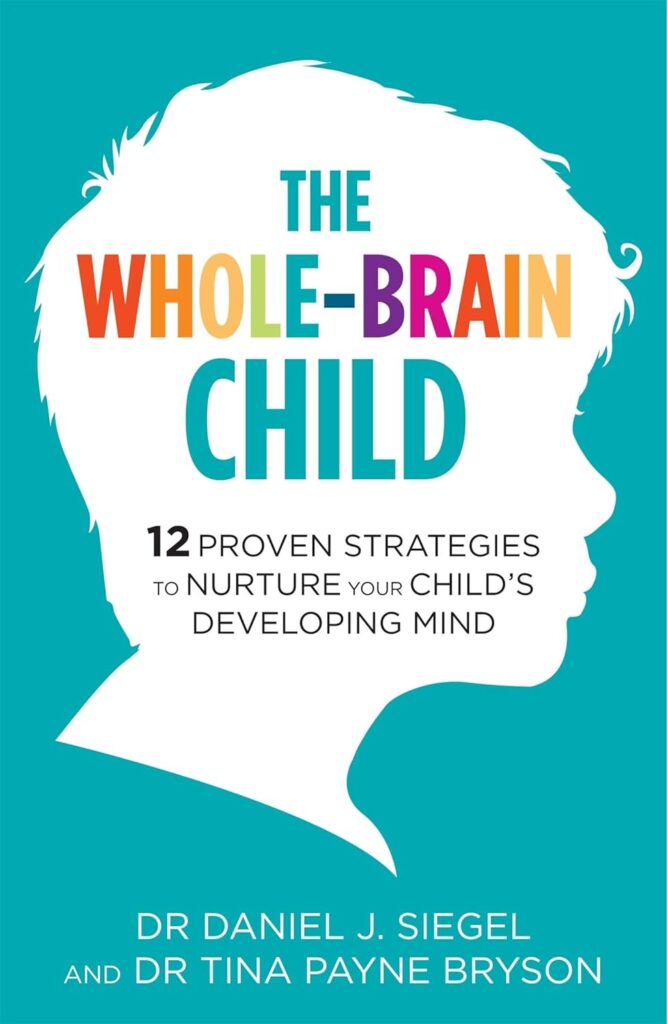
The Whole-Brain Child
This book helps parents understand how children’s brains develop emotionally and behaviourally, showing why children may behave differently even at the same age.
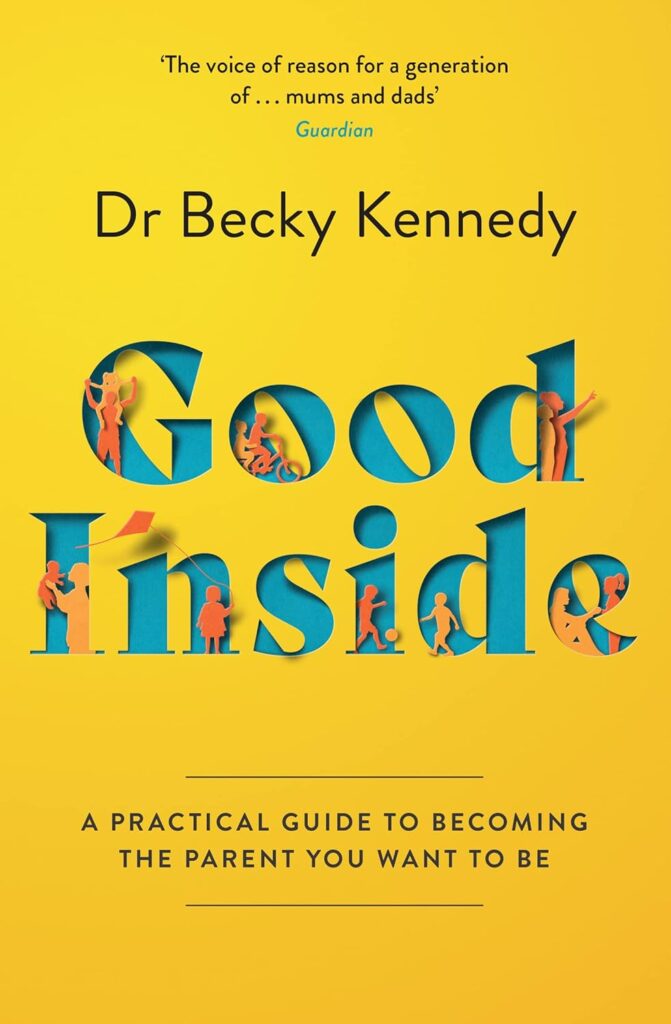
Good Inside
A supportive guide that helps parents respond to behaviour without shame or comparison, focusing instead on connection and understanding.
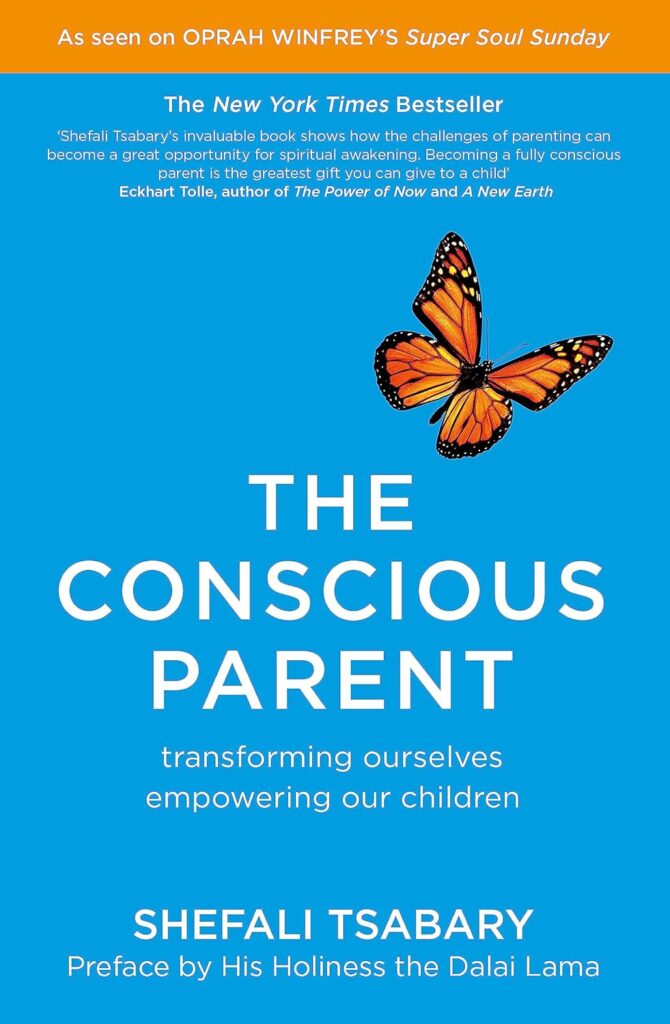
The Conscious Parent
This book explores how parenting mindset influences how we see our children, especially in moments of pressure or comparison.
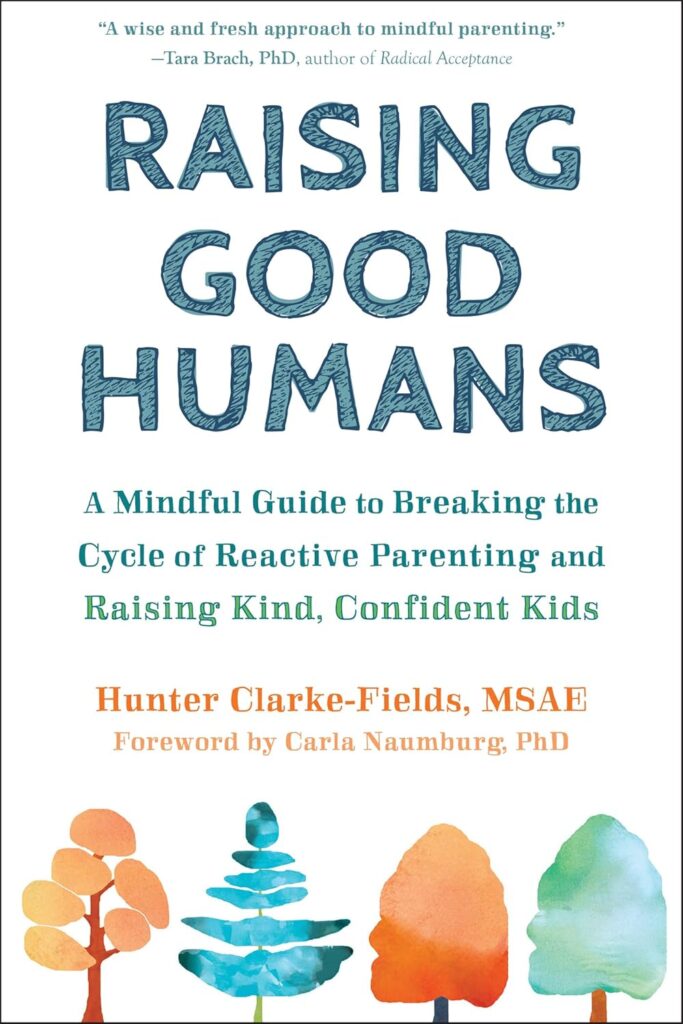
Raising Good Humans
A practical and grounding book that supports mindful parenting and helps reduce reactive comparison-based responses.
These are not quick fixes, but they can help shift perspective over time.
Free Printable: “My Child Without Comparison Tracker”
Sometimes comparison loses its power when we actively replace it with observation and awareness.
This printable is designed to gently bring focus back to your child’s individual journey.
It includes:
- my child’s current strengths (not milestones)
- what my child enjoys doing
- what my child is currently learning in their own way
- small wins I noticed this week
- areas where they are growing at their own pace
- a parent reflection space (“what am I worried about and is it comparison-driven?”)
The goal is not perfection.
It is perspective.
When parents regularly reflect on their own child rather than external comparison, anxiety naturally reduces over time.
Concluding
Comparison is something almost every parent experiences at some point.
It does not make you a bad parent. It makes you a caring one in a world full of information, expectations, and pressure.
But comparison is not always accurate, and it is not always helpful.
Children are not meant to develop in perfect sync with one another.
They are meant to grow in their own time, in their own way, with their own strengths unfolding gradually.
And when parents shift from comparison to understanding, something powerful happens.
The focus moves from fear to awareness.
From pressure to connection.
From “Am I doing enough?” to “I see my child clearly.”
And that is where confident parenting begins.