Comaprison With Other Parenting Styles
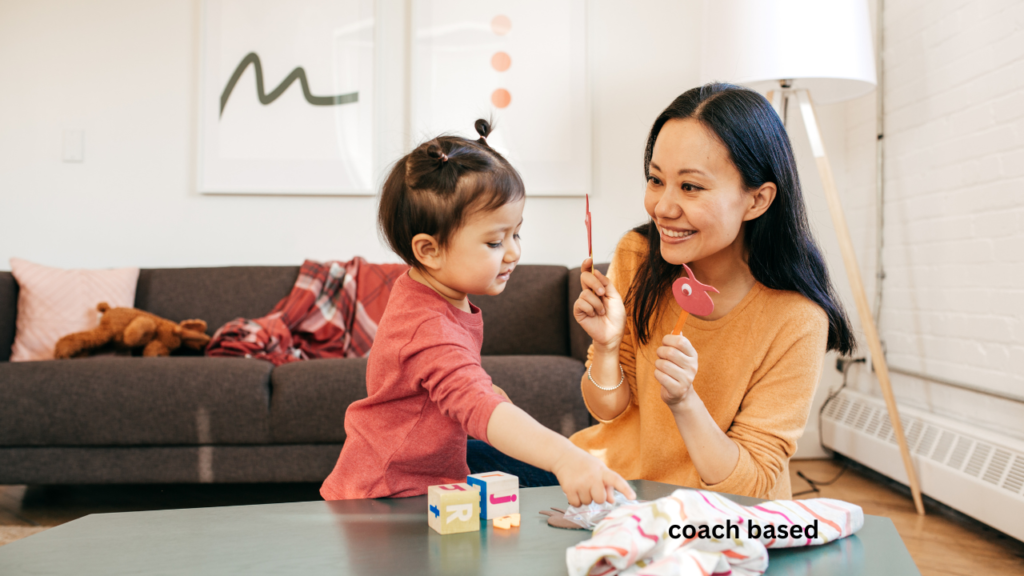
Parenting is one of the most profound responsibilities, shaping a child’s emotional, social, and cognitive development. Over the years, various parenting styles have emerged, each with its strengths and weaknesses. While traditional parenting methods often emphasize discipline and rules, newer approaches like gentle parenting focus on empathy and understanding. However, one approach that strikes a balance between authority and emotional support is coaching-based parenting. This method prioritizes modeling desired behavior before correcting a child, guiding them to think critically and develop problem-solving skills.
In this article, we will explore coaching-based parenting, compare it with other styles, and highlight its benefits for both parents and children.
Understanding Coaching-Based Parenting
Coaching-based parenting is a method where parents act as guides rather than enforcers. Instead of imposing strict rules or offering constant reassurance, they model appropriate behaviors, involve children in problem-solving, and encourage self-reflection. This approach fosters independence, emotional intelligence, and resilience in children.
Key Characteristics of Coaching-Based Parenting

- Modeling First, Correcting Second – Rather than simply instructing a child on what they should do, parents demonstrate the correct behavior first, allowing the child to observe and understand before expecting them to follow suit.
- Co-Regulation (Porges, Siegel) – Parents remain calm in challenging situations, helping children regulate their emotions before addressing the mistake.
- Problem-Solving Approach (Vygotsky, Piaget) – Instead of giving immediate solutions, parents involve children in figuring out better ways to handle situations together.
- Encouraging Reflection – Rather than setting rules first, parents may ask, “What could we do differently next time?” to encourage the child to think critically and take ownership of their actions.
Comparison with Other Parenting Styles
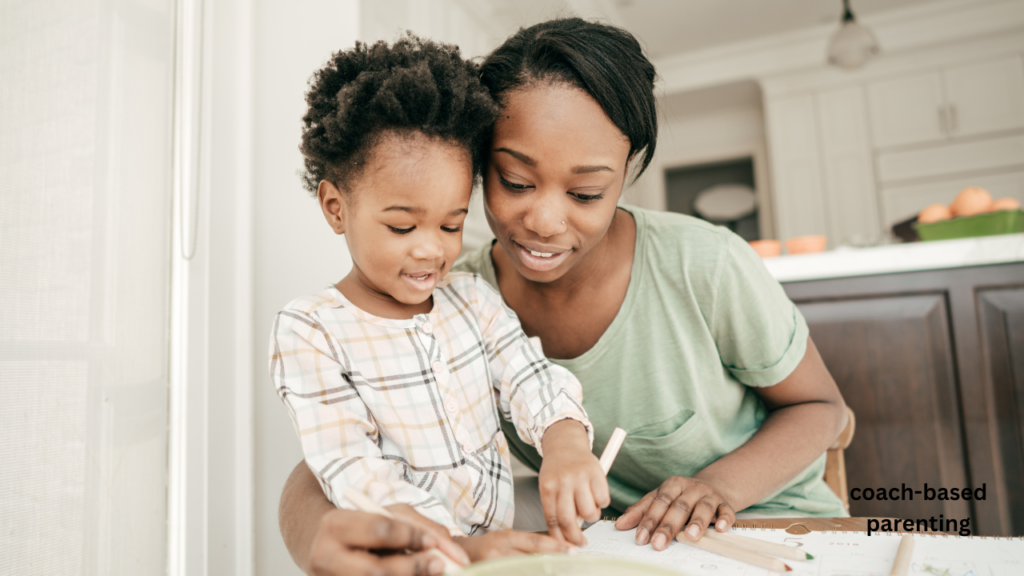
To understand coaching-based parenting better, let’s compare it with three other common parenting styles: authoritative, permissive, and gentle parenting.
1. Authoritative Parenting
Authoritative parenting is often considered the gold standard due to its balance of structure and warmth. Parents set clear expectations and boundaries while remaining responsive to their child’s needs.
- Similarities to Coaching-Based Parenting: Both emphasize guidance and teaching rather than punishment.
- Key Differences: Authoritative parents tend to set expectations first, whereas coaching-based parents model first before setting rules.
Example: If a child spills juice, an authoritative parent might say, “You need to be more careful. Let’s clean this up now, and next time, use two hands when carrying your drink.” A coaching-based parent, on the other hand, would demonstrate the cleanup process first, invite the child to participate, and then discuss how to prevent future spills.
2. Permissive Parenting
Permissive parents are nurturing and warm but often set few rules or boundaries, allowing children to regulate themselves.
- Similarities to Coaching-Based Parenting: Both emphasize emotional connection and understanding.
- Key Differences: Coaching-based parenting sets clear expectations and encourages problem-solving, whereas permissive parenting often avoids confrontation and structure.
Example: If a child refuses to brush their teeth, a permissive parent might say, “That’s okay, you don’t have to if you don’t want to.” A coaching-based parent would instead say, “I’m going to brush my teeth now, come watch how I do it.” Then, they’d invite the child to try and guide them through the process.
3. Gentle Parenting
Gentle parenting prioritizes understanding emotions, validating feelings, and avoiding punitive discipline. Parents focus on empathy and open communication.
- Similarities to Coaching-Based Parenting: Both approaches respect the child’s emotions and promote learning over punishment.
- Key Differences: Gentle parenting often provides comfort first, while coaching-based parenting focuses on teaching through modeling and problem-solving.
Example: If a child is struggling with homework, a gentle parent might say, “I know this is frustrating, take a break and try again later.” A coaching-based parent would sit with them and say, “Let’s go through one question together. Watch how I solve it, then you try.”
Why Coaching-Based Parenting Works

Research in child psychology supports the effectiveness of coaching-based parenting in fostering independence, emotional regulation, and resilience.
1. Social Learning Theory (Albert Bandura)
Bandura’s theory suggests that children learn best through observation. When parents model positive behaviors, children are more likely to imitate and internalize them.
2. Scaffolding Approach (Lev Vygotsky)
Vygotsky’s scaffolding theory emphasizes the role of guided learning. Instead of simply telling children what to do, coaching-based parenting provides support and gradually reduces assistance as the child gains confidence.
3. Polyvagal Theory (Stephen Porges)
This theory explains that children regulate their emotions better when they feel safe. By staying calm and modeling the right response, parents help children develop self-regulation skills.
Practical Applications of Coaching-Based Parenting

- Handling Tantrums
- Instead of saying, “Stop crying!”, try “Take deep breaths with me. Watch how I breathe in and out slowly.” Then, encourage them to try it.
- Teaching Responsibility
- Instead of ordering, “Clean up your toys!”, say, “Watch me put these blocks away. Now, you try with the cars.”
- Encouraging Problem-Solving
- Instead of fixing things for them, say, “Hmm, this puzzle is tricky. Let’s think—what could we try next?”
A Balanced Approach for Raising Capable Kids
Coaching-based parenting offers a structured yet nurturing way to guide children through life’s challenges. By modeling first, staying calm, and encouraging participation, parents can help children build confidence, resilience, and critical thinking skills. Unlike permissive or overly strict parenting styles, this approach empowers children to take responsibility while still feeling supported.
Parenting isn’t about being perfect; it’s about guiding children to become independent thinkers and emotionally intelligent individuals. If you’re looking for a parenting approach that blends warmth with practical teaching, coaching-based parenting may be the key to raising resilient and capable kids.