
Every parent has had that moment.
Your child is bouncing from couch to chair, talking nonstop, climbing things they shouldn’t climb, forgetting instructions you gave 30 seconds ago… and suddenly you’re wondering:
“Is this normal childhood energy… or could this be hyperactivity?”
First, take a deep breath. You are not alone.
Many children are naturally energetic, curious, loud, emotional, and constantly moving. In fact, experts say it’s completely normal for young children to have short attention spans and bursts of endless energy.
But sometimes, parents notice behaviors that seem bigger than typical childhood activity, behaviors that affect learning, friendships, sleep, emotional regulation, or everyday routines.
This blog is here to help you understand the difference without fear, guilt, or panic.
Table of Contents
- What Is Hyperactivity?
- Normal Active Child vs Hyperactive Child.
- Signs Your Child May Be More Than “Just Energetic”
- What ADHD Actually Looks Like in Real Life.
- Things That Can Mimic Hyperactivity.
- When Should Parents Be Concerned?
- What to Do If You Suspect ADHD or Hyperactivity.
- Parenting Tips for Highly Active Children.
- Recommended Tools & Products for Active Kids.
- Free Printable for Parents.
- Final Encouragement for Parents
What Is Hyperactivity?
Hyperactivity goes beyond a child simply being playful or energetic.
Children with hyperactivity often struggle to regulate movement, impulses, attention, and behavior consistently across different environments, not just at home, but also at school, social settings, and activities.
Hyperactivity is commonly associated with Attention-Deficit/Hyperactivity Disorder, also known as ADHD.
Experts describe ADHD symptoms as patterns of:
- Inattention
- Impulsivity
- Excessive activity levels
- Difficulty self-regulating
And importantly, these behaviors usually interfere with daily functioning.
Normal Active Child vs Hyperactive Child
This is where most parents get confused.
Because honestly? Kids are supposed to move.
A healthy toddler running around the house after a nap is not automatically hyperactive. A preschooler asking 100 questions per hour is not automatically ADHD.
The difference is usually in the intensity, consistency, and impact of the behavior.
A Typically Active Child May:
- Be energetic during play.
- Calm down after physical activity.
- Focus on activities they enjoy.
- Sit still for short age-appropriate periods.
- Follow instructions with reminders.
- Become tired after a busy day.
A Hyperactive Child May:
- Seem “constantly on the go”
- Struggle to sit still even briefly.
- Interrupt conversations repeatedly.
- Climb, run, or move excessively in inappropriate situations.
- Have difficulty waiting their turn.
- Act impulsively without thinking.
- Struggle in school or structured settings.
- Seem unable to slow down even when exhausted.
Experts often describe children with hyperactivity as appearing “driven by a motor.”
And here’s something important many parents don’t realize:
ADHD behaviors must typically appear in more than one setting: like both home and school, before professionals consider a diagnosis.
Signs Your Child May Be More Than “Just Energetic”
Every child will show some of these behaviors occasionally.
But if they happen consistently for months and affect daily life, it may be worth paying attention.
Common Signs of Hyperactivity in Children
Constant Movement
Your child:
- Rarely sits still.
- Fidgets nonstop.
- Climbs furniture excessively.
- Runs when walking would make sense.
Difficulty Focusing
They may:
- Jump quickly between tasks.
- Struggle to finish activities.
- Forget instructions immediately.
- Lose items constantly.
Impulsive Behavior
Examples include:
- Interrupting frequently.
- Blurting out answers.
- Acting before thinking.
- Difficulty waiting their turn.
Emotional Intensity
Some children with ADHD also:
- Have frequent meltdowns.
- Become frustrated quickly.
- Struggle with emotional regulation.
- Experience low self-esteem from constant correction.
Challenges at School
Teachers may mention:
- Difficulty staying seated.
- Incomplete tasks.
- Distractibility.
- Excessive talking.
- Trouble following routines
According to pediatric guidelines, symptoms usually begin before age 12 and continue for at least six months.
What ADHD Actually Looks Like in Real Life
One of the biggest misconceptions about ADHD is that it always looks like a child “bouncing off walls.”
Sometimes ADHD is loud and obvious.
Sometimes it’s quiet.
A child may:
- Daydream constantly
- Forget everything
- Lose homework daily
- Struggle to organize tasks
- Zone out during conversations
- Appear emotionally overwhelmed
In fact, experts note that some children, especially girls, may appear more inattentive than hyperactive, which can delay recognition.
And many parents only begin noticing challenges once school starts because structured environments require longer attention spans, patience, and self-control.
Things That Can Mimic Hyperactivity
Not every energetic or distracted child has ADHD.
Several things can create behaviors that look similar.
Lack of Sleep
An overtired child can become:
- Extra emotional
- Hyper
- Impulsive
- Unable to focus
Too Much Screen Time
Fast-paced digital stimulation can affect:
- Attention span
- Emotional regulation
- Patience
- Sleep quality
Anxiety or Stress
Sometimes children who seem “hyper” are actually anxious or overwhelmed.
Sensory Needs
Some children crave movement because it helps regulate their nervous system.
Diet and Routine Changes
Skipping meals, excess sugar, inconsistent schedules, and lack of outdoor play can all affect behavior.
This is why proper evaluation matters. There is no single test for ADHD. Professionals gather information from parents, teachers, and caregivers over time.
When Should Parents Be Concerned?
It may be time to speak with a pediatrician if your child’s behavior:
- Interferes with school learning.
- Causes social struggles.
- Creates constant family stress.
- Impacts safety.
- Happens consistently across settings.
- Feels significantly different from peers their age.
And remember: Seeking support does not mean labeling your child.
It means understanding them better.
What to Do If You Suspect ADHD or Hyperactivity
1. Observe Patterns
Write down:
- Behaviors you notice
- When they happen
- Sleep patterns
- Triggers
- Teacher observations
2. Talk to Teachers or Caregivers
Sometimes school environments reveal patterns parents don’t see at home.
3. Prioritize Sleep and Physical Play
Many highly active children genuinely need:
- More outdoor movement
- Predictable routines
- Better sleep rhythms
4. Seek Professional Guidance
A pediatrician or developmental specialist can help determine whether behaviors are developmentally appropriate or require further evaluation.
Parenting Tips for Highly Active Children
Parenting an active child can feel exhausting.
But many energetic children are also:
- Creative
- Curious
- Passionate
- Imaginative
- Intelligent
- Deeply expressive
The goal is not to “shut down” their personality.
The goal is helping them regulate it.
Helpful Strategies
Create Predictable Routines
Children often regulate better when they know what to expect.
Allow Movement Breaks
Some children focus better after movement.
Use Short Instructions
Instead of:
“Go upstairs, brush your teeth, wear pajamas, and clean your toys.”
Try:
“First, brush your teeth.”
Focus on Connection Before Correction
Children respond better when they feel emotionally safe.
Reduce Overstimulation
Too much noise, clutter, screens, or chaotic schedules can overwhelm active children.
Recommended Tools & Products for Active Kids
Sometimes the right tools can help highly active children regulate their bodies and emotions more effectively.
Q Play Tech Balance Bike
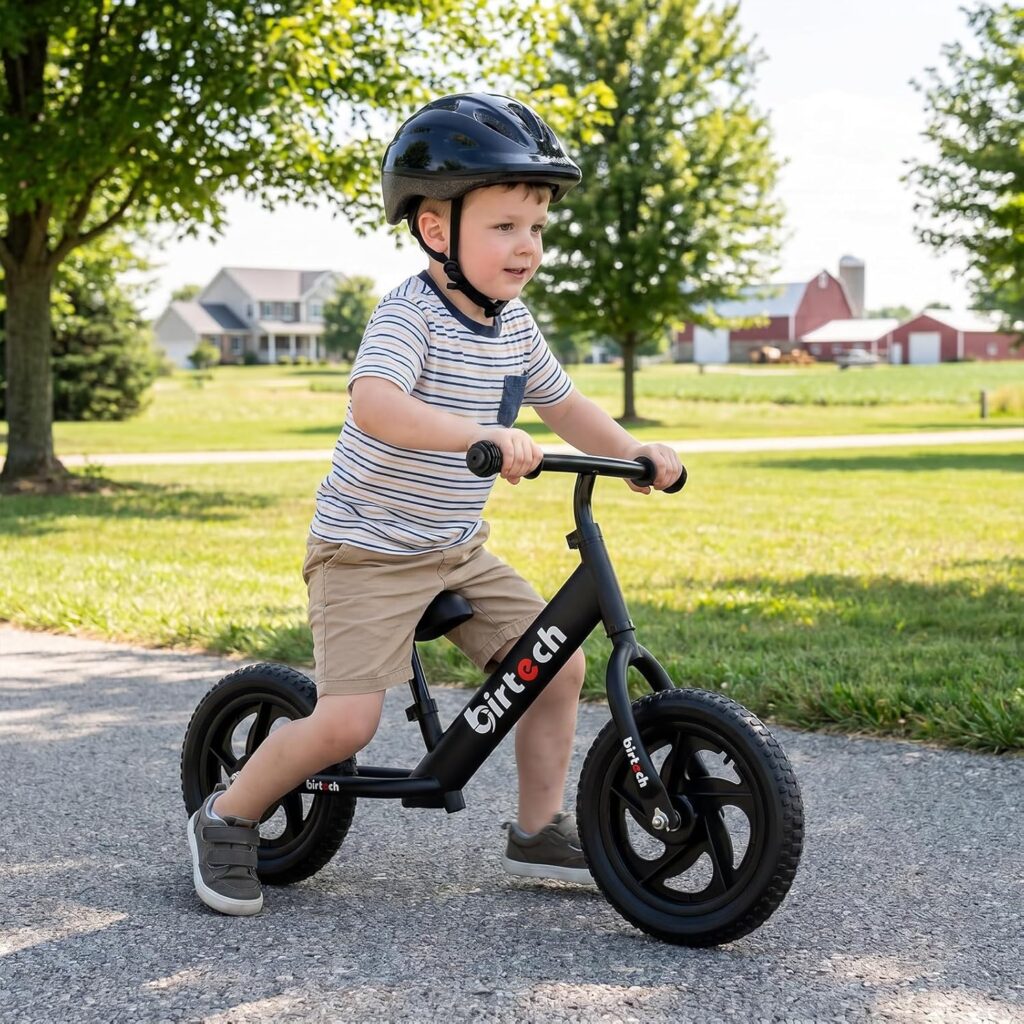
Great for toddlers and young kids learning balance and coordination before riding a regular bike.
Story Original Trampoline

A fun indoor trampoline scooter that helps kids practice tricks safely while staying active.
Scooter

for kids who enjoy scooter-style movement and coordination training indoors.
Skip Hop Zoo Fox 3-in-1 Ride-On
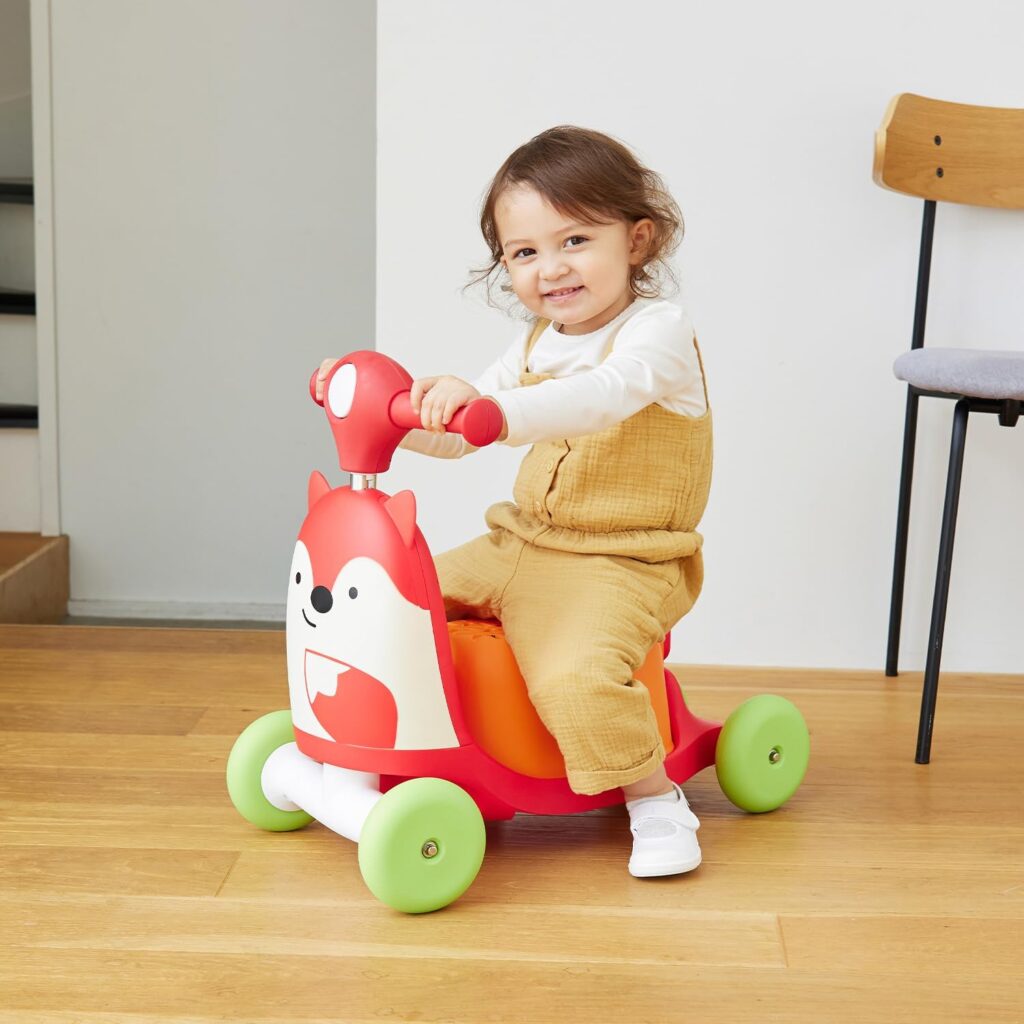
Compact ride-on balance toy that encourages movement, motor skills, and active play for younger children.
Free Printable for Parents
“Is It Just Energy?” Observation Tracker
- Daily behaviour tracker
- Comparison table for parents
Final Encouragement for Parents
If you’re questioning whether your child is “too active,” chances are you’re already a deeply attentive parent.
And here’s something important:
A child being highly active does not mean they are “bad,” “difficult,” or “poorly raised.”
Some children simply experience the world with bigger energy, faster thoughts, stronger emotions, and more movement.
Whether your child is naturally energetic, sensory-seeking, or eventually diagnosed with ADHD, what they need most is not shame.
They need understanding.
And you do not have to figure it all out perfectly.