Most people think of inheritance in simple terms.
Eye colour.
Hair texture.
Height.
Those are the obvious ones.
But what many parents don’t realise is that children can also inherit tendencies that shape how they think, react, learn, and interact with the world.
Not in a fixed or predictable way, but in subtle patterns that show up over time.
You might notice your child reacts to stress the same way you do.
Or solves problems like their other parent.
Or has habits that feel strangely familiar.
It’s not coincidence.
But it’s also not as simple as “they got that from you.”
Let’s break it down properly.
What You Will Learn in This Post
- What traits children can inherit beyond physical appearance
- How genetics actually influences behaviour and development
- 10 surprising inherited traits (with real-life meaning)
- What is shaped by environment vs biology
- Common myths parents still believe
- How to support your child regardless of inherited traits
How Inheritance Really Works (Without the Confusion)
Children inherit roughly 50 percent of their DNA from each parent.
But genes don’t work like a direct copy and paste.
They interact, combine, switch on and off, and are influenced by environment.
This means:
- Two children in the same family can be completely different
- A child may resemble one parent in one area and the other parent elsewhere
- Some traits may not appear at all
So when we talk about inherited traits, we are really talking about tendencies, not guarantees.
10 Surprising Traits Children May Inherit From Their Parents
These go beyond appearance and start to explain behaviour, personality, and everyday patterns.
1. Temperament
Some children are naturally calm. Others are more reactive or sensitive.
This can show up early in how they:
- handle frustration
- respond to change
- manage emotions
This doesn’t define their behaviour long-term, but it shapes how they experience the world.
2. Anxiety or Stress Sensitivity
Some children are more prone to worry or overthink.
This does not mean they will develop anxiety disorders, but they may:
- need more reassurance
- react strongly to pressure
- take longer to feel settled
With the right support, this can become awareness and emotional intelligence rather than fear.
3. Sleep Patterns
Sleep is not just routine. It also has a biological component.
You may notice your child:
- needs more sleep than others
- struggles to settle
- wakes easily
This often mirrors patterns seen in parents.
4. Learning Style
Some children learn best by:
- seeing
- doing
- listening
Others need repetition or movement to understand things.
These preferences can have genetic links and affect how your child responds in school.
5. Attention Span and Focus
Focus levels vary naturally.
Some children can sit and concentrate for long periods. Others need breaks, movement, or variation.
This is often misunderstood as behaviour when it is actually a difference in cognitive style.
6. Energy Levels
You might have a child who is constantly moving, asking questions, and exploring.
Or one who prefers calm, quiet activities.
Energy levels influence:
- behaviour
- learning
- emotional responses
And they often run in families.
7. Social Confidence
Some children walk into a room and engage immediately.
Others observe first and take time to feel comfortable.
Neither is better. Both are natural tendencies that can be supported over time.
8. Emotional Expression
Some children express everything openly.
Others keep feelings in and process internally.
This affects how they:
- communicate
- respond to conflict
- seek support
Understanding this early makes a big difference in how you respond as a parent.
9. Risk-Taking vs Caution
Some children try things without hesitation.
Others think carefully before acting.
This shows up in:
- play
- learning
- decision-making
Both traits are useful when balanced properly.
10. Curiosity and Creativity
Some children constantly explore, question, and imagine.
Others prefer structure and predictability.
Curiosity is often influenced by both genetics and environment, but some children naturally lean toward it more.
Related content- What Daughters Inherit from Their Fathers: Genetic Traits
The Key Truth: Traits Are Not Fixed
This is the most important part.
A child may inherit tendencies, but those tendencies are shaped every day.
A naturally shy child can become confident.
A reactive child can learn emotional control.
A cautious child can learn to take healthy risks.
What you do as a parent matters more than what they inherit.
What Environment Does That Genetics Cannot
Genetics may influence how your child starts.
Environment influences where they go.
Things that shape your child more than genetics:
- how you respond to their emotions
- how you speak to them
- the routines you build
- the confidence you encourage
- the safety they feel at home
This is where real development happens.
Common Myths About Inherited Traits
Myth 1: “My child is just like me, nothing can change that”
Not true. Traits can evolve with support and experience.
Myth 2: “If I struggled with something, my child will too”
There may be similarities, but outcomes are not fixed.
Myth 3: “Good parenting overrides everything”
Parenting matters a lot, but understanding your child’s natural tendencies matters just as much.
Myth 4: “Children should all respond the same way”
They won’t. And they are not meant to.
How to Support Your Child Based on Their Traits
Instead of trying to change who your child is, focus on working with it.
If your child is:
- sensitive, support emotional regulation
- energetic, provide structure and movement
- cautious, build confidence gradually
- curious, encourage exploration
This approach builds confidence instead of resistance.
Related content- 7 Genetic Traits Sons Inherit From Their Mothers (And How to Nurture Each One)
Books That Help You Understand and Support Your Child
These books help you move beyond guesswork and respond to your child more effectively.
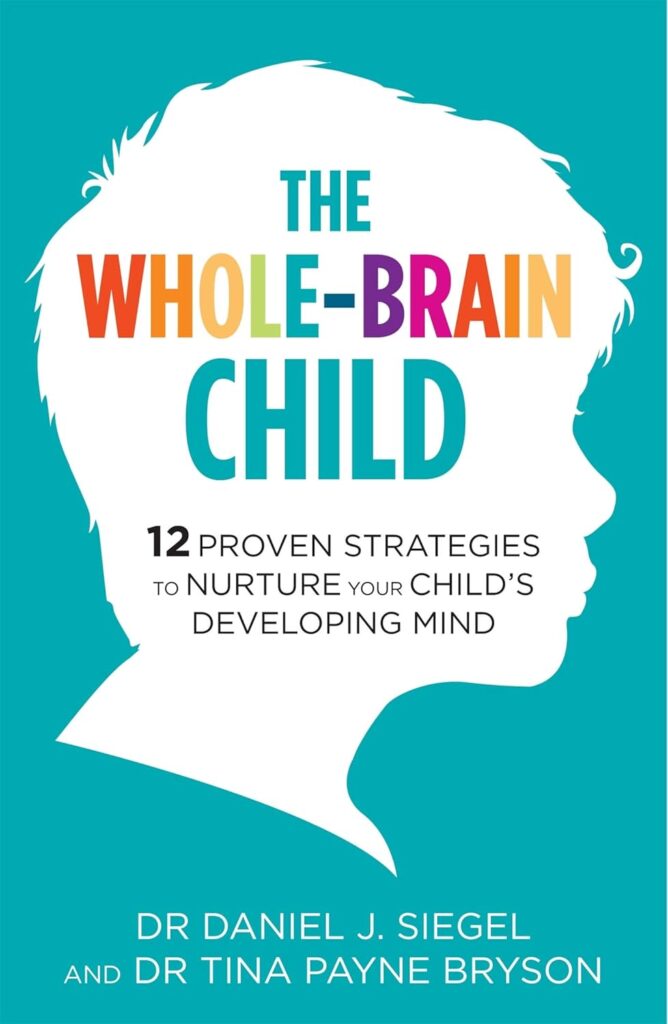
1. “The Whole-Brain Child” by Daniel J. Siegel and Tina Payne Bryson
Explains how children’s brains develop and how to respond to behaviour in a calm, practical way.
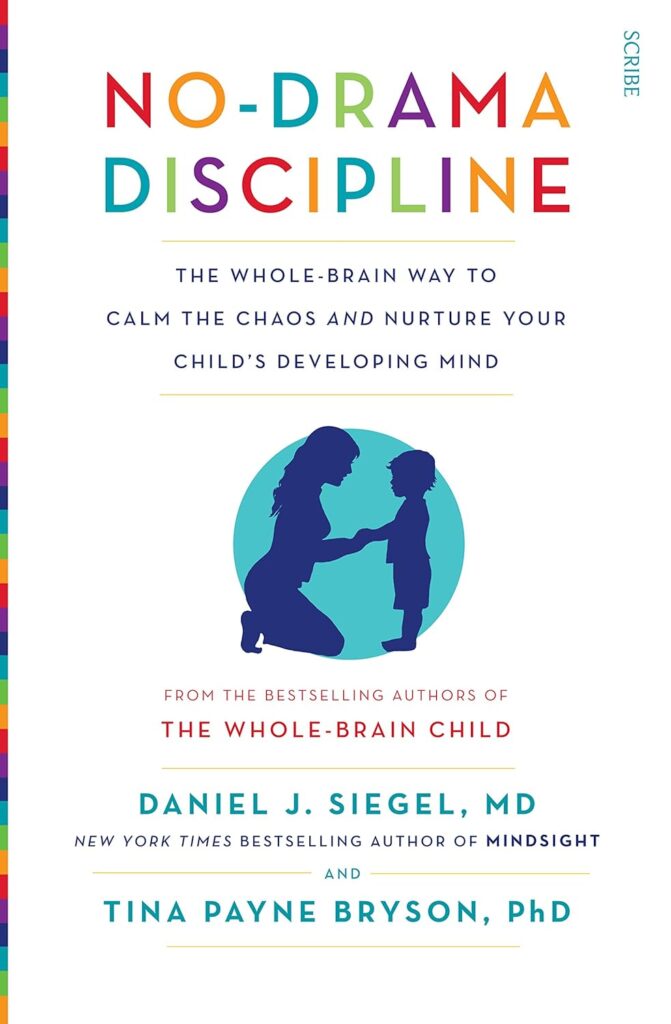
2. “No-Drama Discipline” by Daniel J. Siegel and Tina Payne Bryson
Focuses on guiding behaviour without punishment-heavy approaches, helping children learn rather than fear consequences.
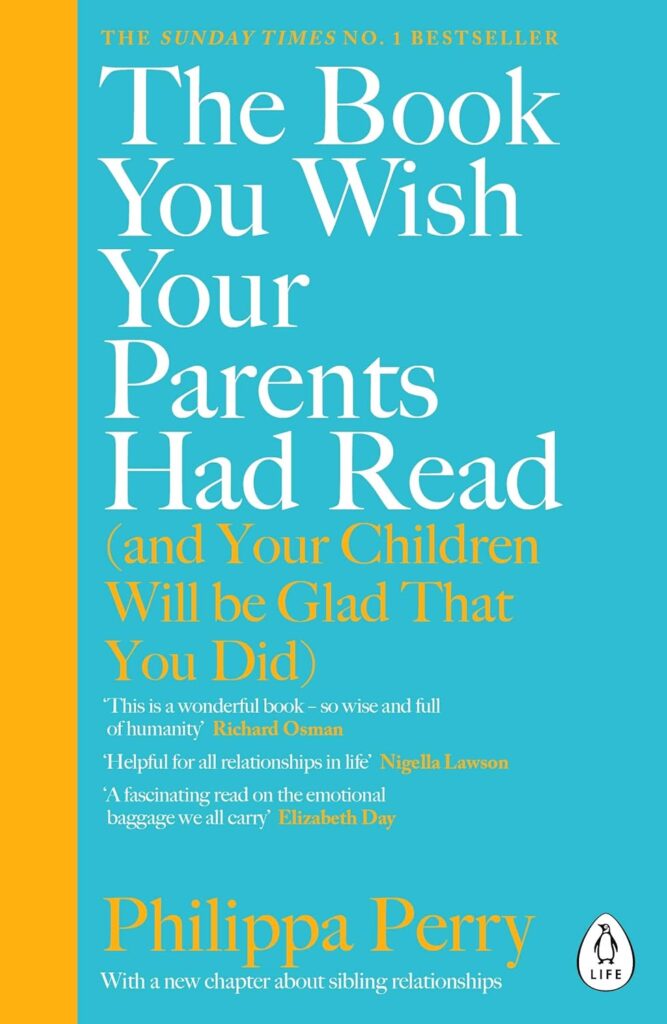
3. “The Book You Wish Your Parents Had Read” by Philippa Perry
A powerful look at how your own upbringing influences your parenting and how to build healthier relationships with your child.
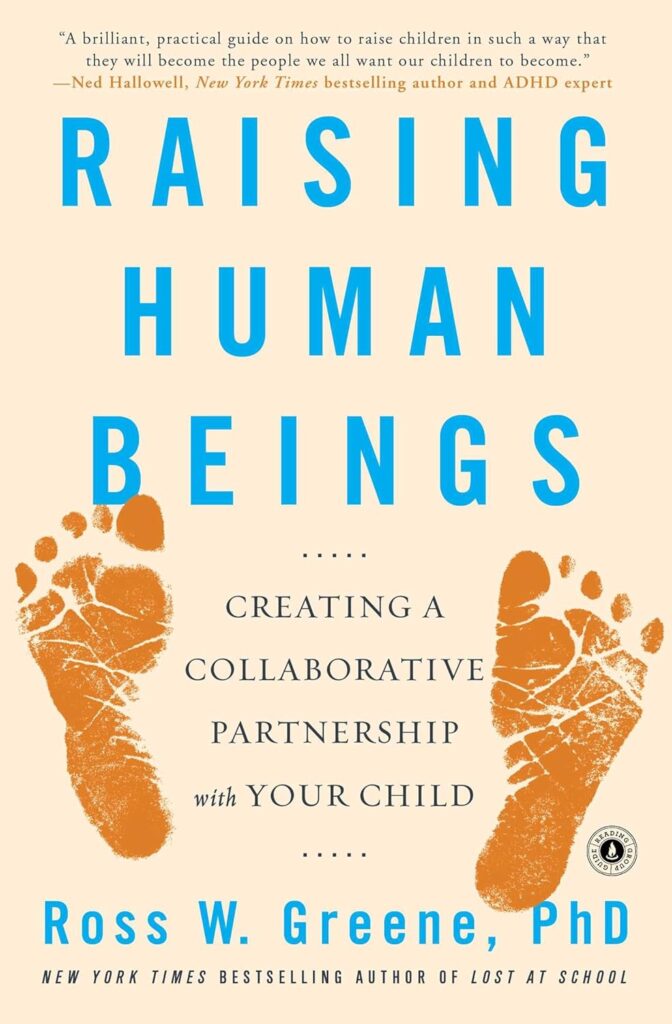
4. “Raising Human Beings” by Ross W. Greene
Focuses on understanding behaviour rather than controlling it, helping children develop problem-solving skills.
Final Thought
Your child is not just a reflection of your genetics.
They are a combination of:
- what they inherit
- what they experience
- and how they are supported
You will see parts of yourself in them. That is natural.
But who they become is not already decided.
It is shaped, day by day, in the way they are understood, guided, and encouraged.
That is where your influence matters most.