

We are raising children in a time that looks nothing like the one we grew up in.
Artificial intelligence is no longer something in the background. It is everywhere. In the apps they use, the videos they watch, the tools they will eventually learn with and work alongside.
Children today are growing up in a world where answers are instant, content is endless, and interaction is increasingly digital.
So the question is no longer just about education.
It is about something deeper:
How do we raise children who can think, feel, connect, and regulate themselves in a world that is becoming more automated?
Because while AI can process information faster than any human, it cannot replace emotional intelligence.
And that is exactly where your child’s advantage will be.
What You Will Learn in This Post
- What emotional intelligence actually means for children
- Why it matters more than ever in the age of AI
- The key skills emotionally intelligent children develop
- How modern technology is affecting emotional development
- Practical ways to build emotional intelligence at home
- Books that support emotional growth in children
What Is Emotional Intelligence (In Simple Terms)?
Emotional intelligence is not about being “well-behaved” or always calm.
It is the ability to:
- recognise emotions
- understand what they mean
- manage them in a healthy way
- respond to others with awareness
In children, this shows up as:
- being able to name how they feel
- managing frustration over time
- showing empathy toward others
- communicating instead of reacting
These are not traits children are simply born with.
They are skills that are developed.
Why Emotional Intelligence Matters More in the Age of AI
AI is powerful. It can:
- answer questions instantly
- generate ideas
- complete tasks faster than humans
But it cannot:
- understand human emotions deeply
- build meaningful relationships
- navigate complex social situations
As technology takes over more cognitive tasks, human skills become more valuable, not less.
Children who can:
- regulate emotions
- communicate clearly
- adapt to challenges
- work with others
will always have an advantage, not just in school, but in life.
How Technology Is Quietly Affecting Emotional Development
This is not about blaming screens or AI. It is about understanding impact.
Children today are exposed to:
- constant stimulation
- reduced face-to-face interaction
- instant gratification
- less boredom
These things can affect:
- patience
- attention span
- emotional regulation
- social confidence
For example, when everything is instant, frustration tolerance can decrease.
When communication is digital, reading emotions becomes harder.
This does not mean technology is harmful.
It means it needs to be balanced.
Parents introducing technology early may also benefit from reading How to Introduce Educational Materials to Toddlers.
The Core Skills Emotionally Intelligent Children Develop
These are the skills that matter most.
1. Emotional Awareness in Children
Children learn to recognise what they are feeling instead of acting without understanding.
Instead of reacting immediately, they begin to pause and identify the emotion.
2. Emotional Regulation in Children
This is the ability to manage emotions, not suppress them.
A child who can calm down after being upset is building regulation.
3. Empathy
Understanding how others feel is one of the most important human skills.
It supports friendships, relationships, and communication.
4. Communication
Emotionally intelligent children learn to express themselves clearly instead of bottling things up or reacting aggressively.
5. Resilience
They learn that difficult emotions are part of life and that they can move through them.
How to Build Emotional Intelligence at Home
This does not require complicated systems.
It requires consistency and awareness.
Start with how you respond to your child daily.
When your child is upset, instead of correcting immediately, acknowledge the feeling.
For example:
“I can see you’re frustrated.”
This helps your child feel understood before being guided.
Create space for conversations that are not rushed or forced.
Ask simple questions like:
- What made you happy today?
- Did anything feel difficult?
Model emotional behaviour yourself.
Children learn more from what they see than what they are told.
If they see calm responses, they learn calm responses.
If they see reactions, they learn reactions.
The Role of AI and Technology in This
AI is not something to fear.
It is something to guide.
Children need to learn:
- how to use technology, not depend on it
- how to question information, not accept everything
- how to balance digital and real-world interaction
This is where parenting becomes more intentional.
Not by removing technology, but by teaching how to use it well.
You can also explore our guide on Free Learning Apps For Kids to help children use technology in safer and more educational ways.
Books That Help Build Emotional Intelligence in Children
These books support both parents and children in developing emotional awareness, communication, and regulation.
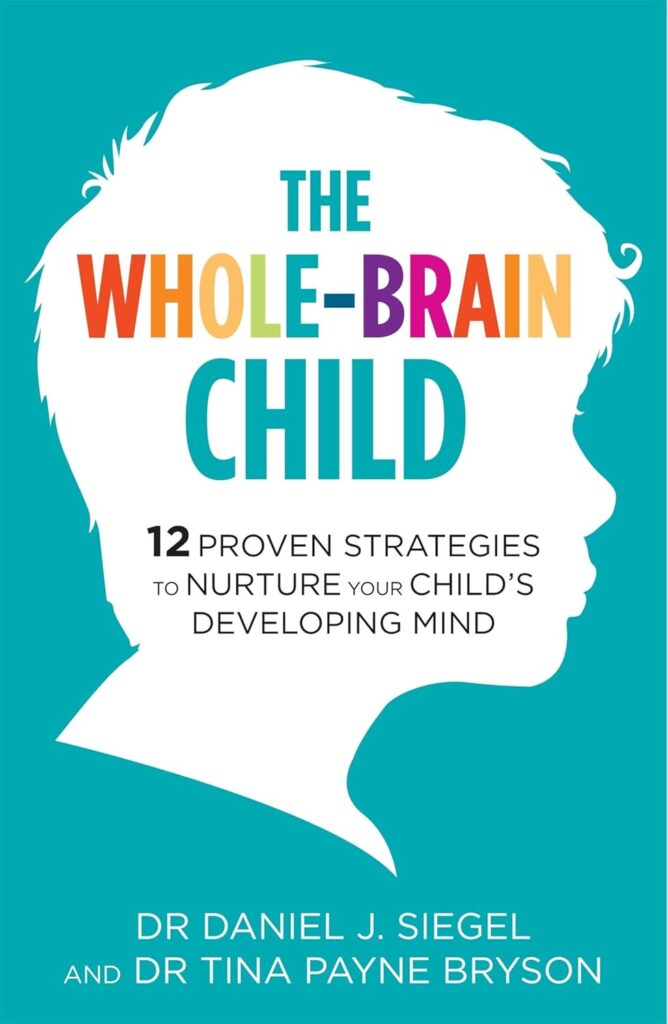
1. “The Whole-Brain Child” by Daniel J. Siegel and Tina Payne Bryson
Explains how a child’s brain develops and gives practical ways to respond to emotions without escalating behaviour.
2. “Raising An Emotionally Intelligent Child” by John Gottman
A well-known guide that introduces emotional coaching and how to help children understand and manage feelings.

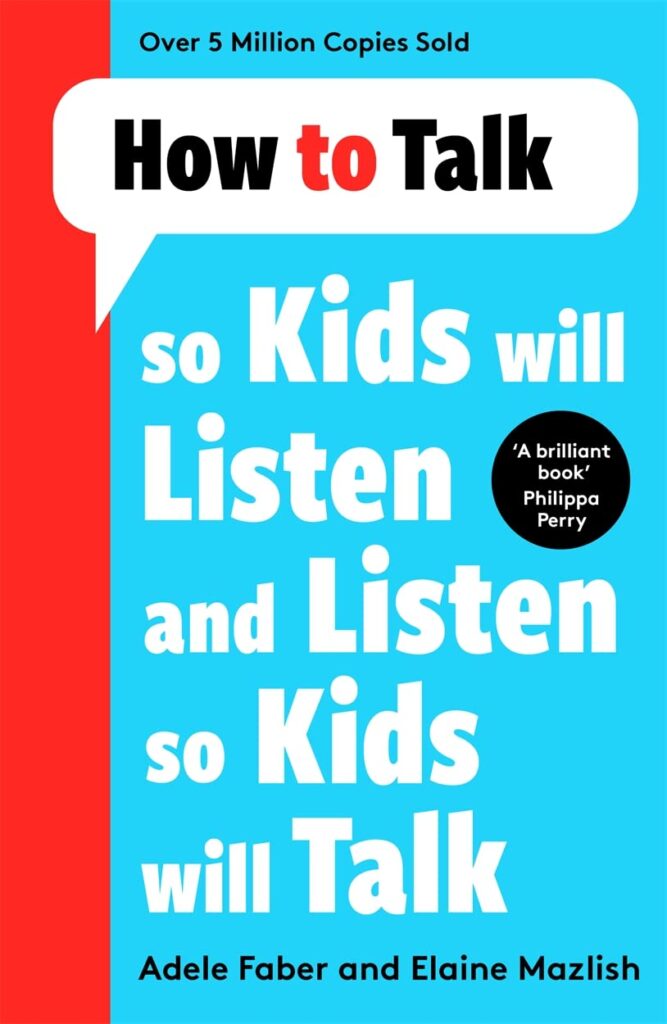
A practical book that improves communication and reduces conflict between parents and children.
4. “The Boy, the Mole, the Fox and the Horse” by Charlie Mackesy
A gentle, reflective book that helps children understand kindness, emotions, and connection.

Your child does not need to compete with AI.
They need to develop what AI cannot replace.
The ability to:
- understand themselves
- connect with others
- manage emotions
- think beyond information
These are the skills that will matter most in the future.
And they are built, quietly, in everyday moments at home.
That is where the real work happens.


