A Practical Guide for Parents Who Want to Help Without Making It Worse
Table of Contents
- Story Many Families Recognize
- What Is School Anxiety?
- Signs of School Anxiety Parents Often Miss
- Why Children Develop School Anxiety
- What School Anxiety Looks Like at Different Ages
- The Long-Term Impact If Left Unaddressed
- What Does Not Help (Even When It Comes from Love)
- What Actually Helps: Practical Strategies That Work
- How to Talk About School Anxiety
- When to Seek Professional Support
- Recommended Tools and Resources for Parents
- Working with Teachers and Schools
- Final Thoughts for Parents
- Free Printable: School Anxiety Support Pack
Every morning at 7:15, the same scene unfolds in many homes.
A child who was laughing the night before suddenly moves slowly. Breakfast is barely touched. Shoes take too long to put on. There is a stomachache. Or a headache. Or sudden tears that seem to come from nowhere.
“I don’t want to go to school.”
Parents often feel confused. Nothing serious happened. The teacher says everything is fine. Grades are good. Yet the resistance continues.
One parent shared:
“We thought it was stubbornness. Then we realized our child was actually anxious. Once we changed how we responded, everything shifted.”
School anxiety is more common than many families realize. According to the Anxiety & Depression Association of America (adaa.org), anxiety disorders are among the most common mental health challenges in children. The Child Mind Institute (childmind.org) reports that many children with anxiety are not disruptive, they are quiet, compliant, and deeply worried inside.
The good news: school anxiety is manageable. With the right tools, children can build confidence, emotional strength, and coping skills that last a lifetime.
This guide explains how.
What Is School Anxiety?
School anxiety is intense and ongoing worry connected to school. It is more than occasional nerves before a test or the first day back after holidays. It is a level of fear that feels overwhelming to the child and begins to affect daily life.
This anxiety may focus on one or more of the following:
- Separation from parents or caregivers
- Academic performance and fear of low grades
- Social situations such as friendships or group work
- Fear of making mistakes in front of others
- Being embarrassed or judged
- Tests, presentations, or reading aloud
- Bullying or social exclusion
- Changes in routine, teachers, or classrooms
For some children, the fear is very specific. For others, it feels general and hard to explain. They may simply say, “I don’t want to go to school,” without being able to describe why.
It is important for parents to understand something very reassuring: anxiety is not bad behaviour. It is not stubbornness. It is not manipulation. It is not laziness.
Anxiety is a nervous system response.
When a child feels anxious, the brain’s alarm system activates. The brain senses danger even if there is no real threat. To the child, however, the fear feels completely real.
The brain does not always distinguish between a true danger (like a speeding car) and a perceived danger (like raising a hand in class). Both can trigger the same stress response.
When anxiety activates, the body moves into “fight, flight, or freeze” mode. This is automatic. The child does not choose it.
The body may respond with:
- Faster heartbeat
- Stomach pain or nausea
- Headaches
- Sweating
- Shaking
- Crying
- Irritability
- Avoidance (refusing school, delaying, clinging)
These physical symptoms are real. They are not dramatic reactions. They are biological stress responses caused by stress hormones like adrenaline and cortisol.
This is why many children with school anxiety complain of stomach aches in the morning but seem fine later in the day. The body reacts before the mind can reason through the fear.
Understanding this changes everything for parents.
When anxiety is seen as misbehaviour, the response often becomes punishment, pressure, or frustration.
When anxiety is understood as a stress response, the response shifts to support, skill-building, and calm leadership.
Children with school anxiety are not trying to control the family. They are trying to feel safe.
And safety does not come from removing every challenge. It comes from teaching the child that they can handle discomfort, one small step at a time.
That shift from punishment to support is where real progress begins.
Signs of School Anxiety Parents Often Miss
Many parents begin searching for “signs of school anxiety in children” only after the problem becomes very visible. A child may start refusing school, crying every morning, or having emotional outbursts that feel sudden and confusing.
But in reality, school anxiety usually develops quietly. The early signs are often subtle and easy to dismiss as tiredness, moodiness, or normal childhood behaviour. Because children do not always have the words to explain what they feel, their anxiety often appears through physical symptoms, behaviour changes, or emotional reactions.
Some of the most common signs include:
1. Frequent morning stomach aches or headaches
A child may complain of feeling unwell almost every school morning, yet seem perfectly fine later in the day or on weekends. Anxiety often shows up in the stomach because the digestive system is closely connected to the brain’s stress response.
2. Trouble sleeping on school nights
Children with school anxiety may take longer to fall asleep, wake up during the night, or ask to sleep near parents. Bedtime can become difficult because the next school day is already on their mind.
3. Repeated reassurance seeking
Some children ask the same questions over and over, such as:
- “Will you pick me up after school?”
- “What if I miss the bus?”
- “What if the teacher gets angry?”
This constant reassurance is not attention-seeking. It is a sign that the child is trying to feel safe and certain.
4. Irritability before school
An anxious child may seem unusually sensitive or quick to anger in the mornings. Small frustrations can trigger tears or arguments because the child’s stress level is already high.
5. Avoidance of homework or school discussions
Some children avoid anything connected to school. Homework takes longer than usual, books are forgotten, or conversations about school are quickly shut down.
Why Children Develop School Anxiety
School anxiety rarely appears without a reason. Behind the resistance, tears, or physical complaints, there is usually an underlying worry that feels very real to the child.
Understanding the possible triggers helps parents respond with the right kind of support instead of assuming the child is simply being difficult. When the root of the anxiety is identified, it becomes much easier to guide the child through it.
Several common factors contribute to school anxiety:
1. Academic Pressure
For many children, school anxiety is closely linked to academic expectations. Children who place high expectations on themselves may feel especially vulnerable in situations where mistakes are possible. In some cases, children may also fear disappointing parents or teachers. Even when parents do not intentionally apply pressure, children can still internalize the idea that success is expected at all times.
Over time, this pressure can make school feel stressful rather than supportive.
2. Social Anxiety
School is one of the most socially demanding environments children experience. Every day involves interactions with peers, group activities, classroom participation, and navigating friendships.
For some children, these situations create significant worry. They may fear being judged, excluded, or embarrassed in front of classmates. Even simple activities like raising a hand in class, answering a question aloud, or joining a group can feel overwhelming.
Children who struggle socially may begin to associate school with discomfort or rejection, which increases their anxiety over time.
3. Separation Anxiety
Separation anxiety is common in younger children, particularly during the early school years. Leaving a parent or caregiver can feel frightening because the child’s sense of safety is closely connected to that relationship.
Although separation anxiety is often associated with preschool and early primary school, it can reappear later in childhood. This sometimes happens after major life changes such as:
- Moving to a new home
- A new sibling in the family
- Illness in the family
- A long school break or holiday
After these transitions, children may need time to rebuild their sense of security around school routines.
4. Transitions and Changes
Children tend to feel more secure when routines are predictable. When something changes, even a small shift can create uncertainty.
Common school transitions that trigger anxiety include:
- Starting a new school
- Moving to a higher grade
- Changing classrooms or teachers
- Returning to school after holidays or long breaks
- Adjusting to new schedules or expectations
For some children, these transitions bring excitement. For others, they create worry about the unknown.
5. Learning Differences
Sometimes school anxiety is connected to challenges that have not yet been recognized. Children with learning differences may struggle quietly with reading, writing, attention, or processing information.
When school tasks feel consistently difficult, children may begin to feel embarrassed or frustrated. Instead of explaining the difficulty, they may avoid schoolwork altogether or complain about going to school.
This avoidance is often a coping strategy rather than defiance. The child may be trying to escape situations that make them feel unsuccessful or overwhelmed.
What School Anxiety Looks Like at Different Ages
School anxiety does not look the same for every child. As children grow, their emotional awareness, social experiences, and academic expectations change. Because of this, anxiety often shows up differently at each stage of development.
Understanding how school anxiety appears at different ages helps parents recognize the signs earlier and respond in ways that match their child’s developmental needs. A behavior that is common in a preschooler may look very different in an older child or pre-teen.
Preschool and Early Primary Years
Common signs of school anxiety in this age group include:
– Crying at drop-off
Young children may cry intensely when separating from parents at school. This can happen even if the child eventually settles down once the parent leaves.
– Clinging to parents or caregivers
Some children hold tightly to a parent’s hand, refuse to enter the classroom, or repeatedly ask parents to stay longer. This behaviour reflects their need for reassurance and security.
– Regression in behavior
Children who feel anxious may temporarily return to earlier developmental behaviors. This can include bedwetting, baby talk, thumb-sucking, or needing extra comfort.
– Frequent physical complaints
Stomach aches, headaches, or feeling “sick” before school are also common at this stage.
For younger children, separation anxiety is often the primary concern. Gentle routines, predictable drop-offs, and calm reassurance can make a significant difference.
Primary School Years
At this stage, school anxiety may appear through:
Frequent complaints of illness
Children may regularly report stomachaches, headaches, or feeling tired, particularly on school mornings.
Avoidance of reading or speaking in class
Some children become extremely uncomfortable with activities that draw attention to them, such as reading aloud, answering questions, or presenting work.
Worry about tests and grades
Academic expectations increase during these years. Children may worry about making mistakes, failing exams, or not keeping up with classmates.
Frequent reassurance seeking
Children may ask repeated questions such as:
- “What if I forget my homework?”
- “What if the teacher gets angry?”
- “What if I get the answer wrong?”
This reassurance seeking is a sign that the child is trying to manage uncertainty and regain a sense of control.
Perfectionistic tendencies may also appear during this stage, where the child becomes overly concerned about doing everything perfectly.
Pre-Teen Years
In pre-teens, school anxiety often becomes more complex. Social dynamics, academic pressure, and growing self-awareness can intensify worries.
At this stage, anxiety may appear less like sadness and more like frustration, withdrawal, or resistance.
Common signs include:
School refusal
Some children may strongly resist attending school, delay getting ready in the morning, or ask to stay home frequently.
Panic symptoms
Older children may experience intense anxiety symptoms such as rapid breathing, dizziness, or feelings of panic before school or during stressful situations like tests.
Social withdrawal
A child who once enjoyed friendships may begin isolating themselves, avoiding group activities, or showing little interest in social interactions.
Why Age-Specific Support Matters
Because anxiety evolves with development, the strategies that help a preschooler may not be as effective for an older child.
Younger children often benefit from:
- Predictable routines
- Gentle separation strategies
- Visual schedules
- Comfort and reassurance
Older children and pre-teens often need:
- Emotional coaching
- Problem-solving discussions
- Coping skills for stress
- Support navigating friendships and academic pressure
The Long-Term Impact If School Anxiety Is Left Unaddressed
Occasional nervousness about school is normal for many children. However, when school anxiety becomes persistent and intense, it can begin to affect several areas of a child’s development. Over time, untreated anxiety can shape how a child views learning, relationships, and even their own abilities.
This is why recognizing and supporting school anxiety early is so important. When anxiety is ignored or misunderstood, children may begin to rely on avoidance as their main coping strategy. While avoidance may reduce fear temporarily, it often strengthens the anxiety over time.
Several long-term challenges may develop if school anxiety continues without support.
- School Drop out
- Academic Decline
- Low Self-Esteem
- Social Isolation
Why Early Support Matters
The encouraging news is that childhood anxiety is highly responsive to supportive parenting, emotional coaching, and appropriate guidance.
When adults respond with patience, structure, and practical coping tools, children gradually learn that uncomfortable feelings can be managed. They begin to see challenges not as threats, but as experiences they are capable of handling.
Early support does not simply reduce anxiety in the moment. It also helps children build resilience; the ability to face difficulties, adapt, and recover with confidence as they grow.
What Does Not Help (Even When It Comes from Love)
When a child is anxious about school, most parents naturally want to make the feeling disappear as quickly as possible and may unintentionally make the anxiety stronger over time.
This happens because anxiety often grows when children avoid the situations that make them nervous. The immediate relief feels helpful, but the brain begins to learn that the situation must truly be dangerous if it is consistently avoided.
Understanding these common unhealthy responses can help parents replace them with more supportive strategies that build confidence rather than fear.
– Allowing Frequent School Avoidance
Each time a child avoids school because of anxiety, the brain experiences temporary relief. Unfortunately, that relief teaches the brain that avoidance is the best way to handle fear. Over time, returning to school may feel even more difficult.
Consistent routines and gradual exposure to school environments usually help children rebuild confidence.
– Providing Endless Reassurance
Many anxious children repeatedly ask questions such as:
- “Will you pick me up after school?”
- “What if I forget my homework?”
- “What if something bad happens?”
Parents often respond by offering reassurance again and again in an attempt to calm the child. While reassurance can be helpful in small amounts, too much of it can unintentionally strengthen anxiety.
When reassurance becomes constant, the child may begin to rely on it instead of learning how to calm their own worries. The goal is to gently shift from repeated reassurance to teaching coping skills and encouraging problem-solving.
– Minimizing the Child’s Feelings
Sometimes parents try to comfort their child by dismissing the worry in an effort to make it seem smaller.
Statements such as:
- “You’re fine.”
- “There’s nothing to worry about.”
- “Everyone goes to school.”
may be intended to reassure, but they can make children feel misunderstood. When children feel that their emotions are being brushed aside, they may become more distressed or less willing to talk about their fears.
A more supportive approach is to acknowledge the feeling first and then guide the child toward solutions.
– Threatening Punishment
In moments of frustration, parents may feel tempted to respond with strict consequences if the child refuses school. Statements such as “If you don’t go, you’ll lose your privileges” may create short-term compliance but do not address the underlying anxiety.
Punishment often increases stress and shame, which can make the anxiety worse. Instead of building confidence, it may reinforce the child’s belief that the situation is overwhelming and unsafe.
– Comparing to Siblings or Other Children
Comments such as:
- “Your sister never had this problem.”
- “Other kids go to school without complaining.”
may be meant to motivate the child, but comparisons often deepen feelings of inadequacy. Children who already feel anxious may begin to believe they are weaker or less capable than others.
Each child has a unique temperament and emotional sensitivity. Support works best when it focuses on the individual child’s needs rather than comparisons.
Why Avoidance Makes Anxiety Stronger
Avoidance may provide quick relief, but it also prevents children from learning an important lesson: that they are capable of facing uncomfortable situations and getting through them.
When children gradually face challenges with supportive guidance, their brain begins to recognize that the situation is manageable. This process builds confidence and emotional resilience.
What Actually Helps: Practical Strategies That Work
While school anxiety can feel overwhelming for both children and parents, there are practical strategies that consistently help children feel safer and more capable.
When parents respond with calm guidance and consistent support, children begin to learn that uncomfortable feelings can be managed rather than avoided.
1. Building Emotional Resilience at Home
While school anxiety often shows up in the classroom, the foundation for managing it is usually built at home. Children develop resilience when they are given guidance, encouragement, and opportunities to practice handling challenges.
Parents can strengthen emotional resilience by:
- Help the Child Name the Feeling
- Practicing emotion coaching, helping children name and understand their feelings
- Creating predictable routines that provide a sense of security
- Encouraging age-appropriate independence
- Praising effort rather than perfection
- Teaching simple problem-solving skills
These everyday parenting practices help children build confidence and learn that difficult feelings can be managed
2. Normalize the Experience
Children often believe they are the only ones who feel nervous or worried about school. This can create shame or embarrassment around their emotions.
Parents can help by gently normalizing the experience:
“Lots of children feel nervous about school sometimes.”
“New situations can make anyone feel worried.”
Normalization reassures the child that their feelings are not unusual or wrong. It helps them see anxiety as a common human experience rather than a personal weakness.
When children understand that others feel similar emotions, their sense of isolation decreases and they become more open to learning ways to cope.
3. Teach Simple Coping Skills
Children benefit greatly from learning practical tools that help calm their bodies and minds. These coping skills can be practiced at home and then used during stressful moments at school.
Some effective strategies include:
Deep breathing
Slow, steady breathing helps signal the body to relax. Parents can practice breathing exercises with their child, such as inhaling slowly through the nose and exhaling through the mouth.
Grounding techniques
The “5-4-3-2-1” grounding method helps children focus on the present moment. It involves noticing:
- 5 things they can see
- 4 things they can touch
- 3 things they can hear
- 2 things they can smell
- 1 thing they can taste
This technique helps shift attention away from anxious thoughts and back to the environment.
4. Encourage Gradual Exposure
Avoiding the source of anxiety often makes the fear stronger over time. Gradual exposure, on the other hand, helps children learn that they can face the situation safely.
For school anxiety, this usually means maintaining consistent school attendance while offering supportive guidance. Instead of removing the challenge completely, parents can help the child take small, manageable steps.
For example:
- Walking the child into school rather than stopping at the gate
- Creating a predictable goodbye routine
- Speaking with teachers about small classroom adjustments
As children face the situation repeatedly with support, the brain slowly learns that the environment is safe.
5. Create Time for After-School Decompression
Many anxious children work extremely hard to manage their emotions throughout the school day. They may appear calm at school while internally feeling tense or worried.
When they return home to a safe environment, that emotional pressure may finally release. This is why some children experience after-school meltdowns, irritability, or sudden exhaustion.
Parents can support emotional recovery by allowing time for decompression after school. This might include:
- Quiet play
- Reading
- Drawing or creative activities
- Time outdoors
- Calm conversation about the day
Providing space to relax before asking about homework or responsibilities helps children regulate their emotions and recover from the stress of the school day.
When these supportive strategies are used consistently, children gradually learn that anxiety does not have to control their experiences. Instead of avoiding challenges, they begin to build the confidence and coping skills needed to face school with greater comfort and resilience.
6. Morning Routine Reset for Anxious Children
Mornings can be the hardest part of the day for children with school anxiety. The shift from the comfort of home to the demands of school can trigger worry and resistance.
A predictable routine helps reduce this stress. When children know what to expect, their brain feels safer and calmer.
Keep a Fixed Wake-Up Time
Waking up at the same time each day helps regulate the body and reduces morning stress.
Use a Visual Routine Chart
A simple chart can guide children through steps like:
- Wake up
- Get dressed
- Brush teeth
- Eat breakfast
- Pack school bag
- Leave for school
When to Seek Professional Support
Consider professional support if:
- Anxiety lasts more than 4 weeks
- School refusal continues
- Panic attacks occur
- Academic decline is noticeable
- Child expresses hopelessness
Tools and Resources for Parents
The following tools can support children with school anxiety.
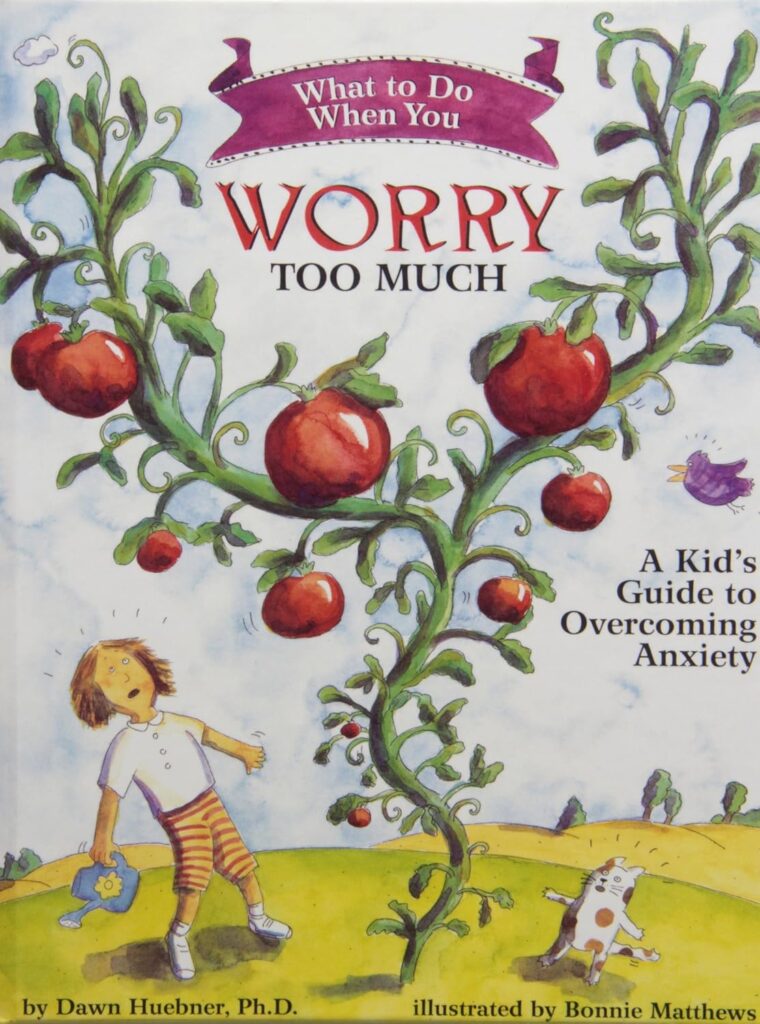
1. What to Do When You Worry Too Much by Dawn Huebner
A child-friendly workbook based on Cognitive Behavioral Therapy (CBT) that helps children understand and manage anxious thoughts. It includes simple exercises that teach practical coping skills for everyday worries.
2. The Whole-Brain Child by Daniel J. Siegel and Tina Payne Bryson
A practical parenting guide that explains how a child’s brain processes emotions and stress. It offers simple strategies to help parents support emotional regulation and resilience.

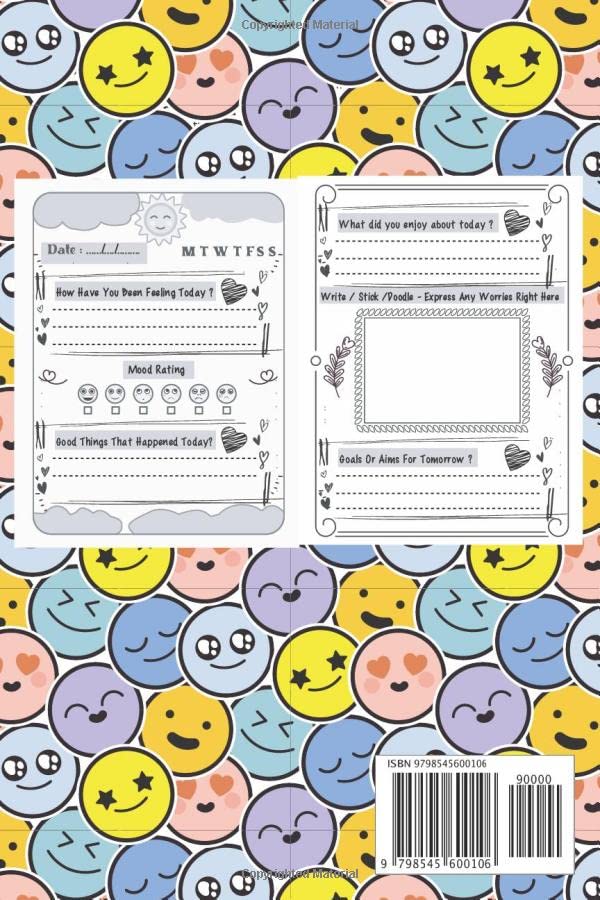
3. Kids Worry Journal
A guided journal that helps children write down worries, recognize patterns, and practice calming strategies. It encourages emotional expression and builds healthy coping habits.
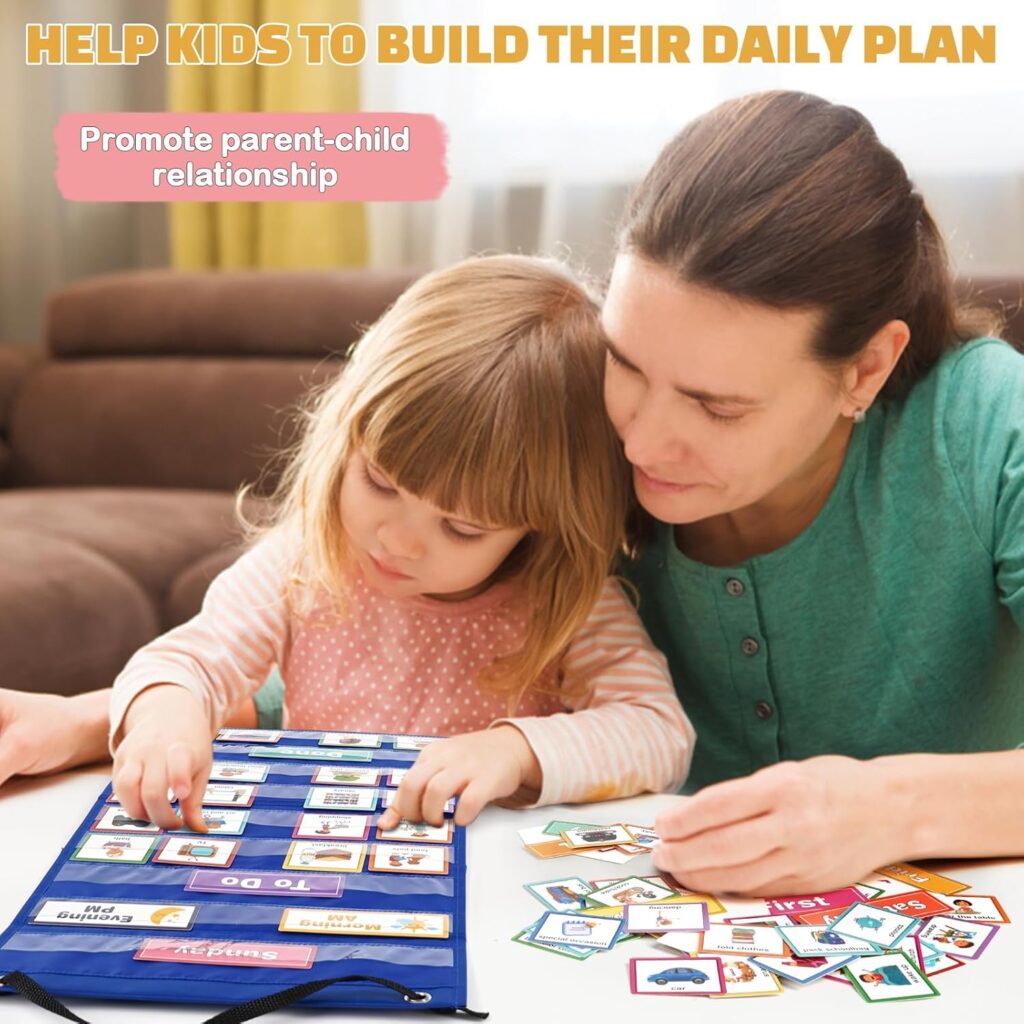
4. Visual Routine Charts
Simple visual schedules that help children follow structured morning or bedtime routines. They reduce uncertainty and support smoother daily transitions.
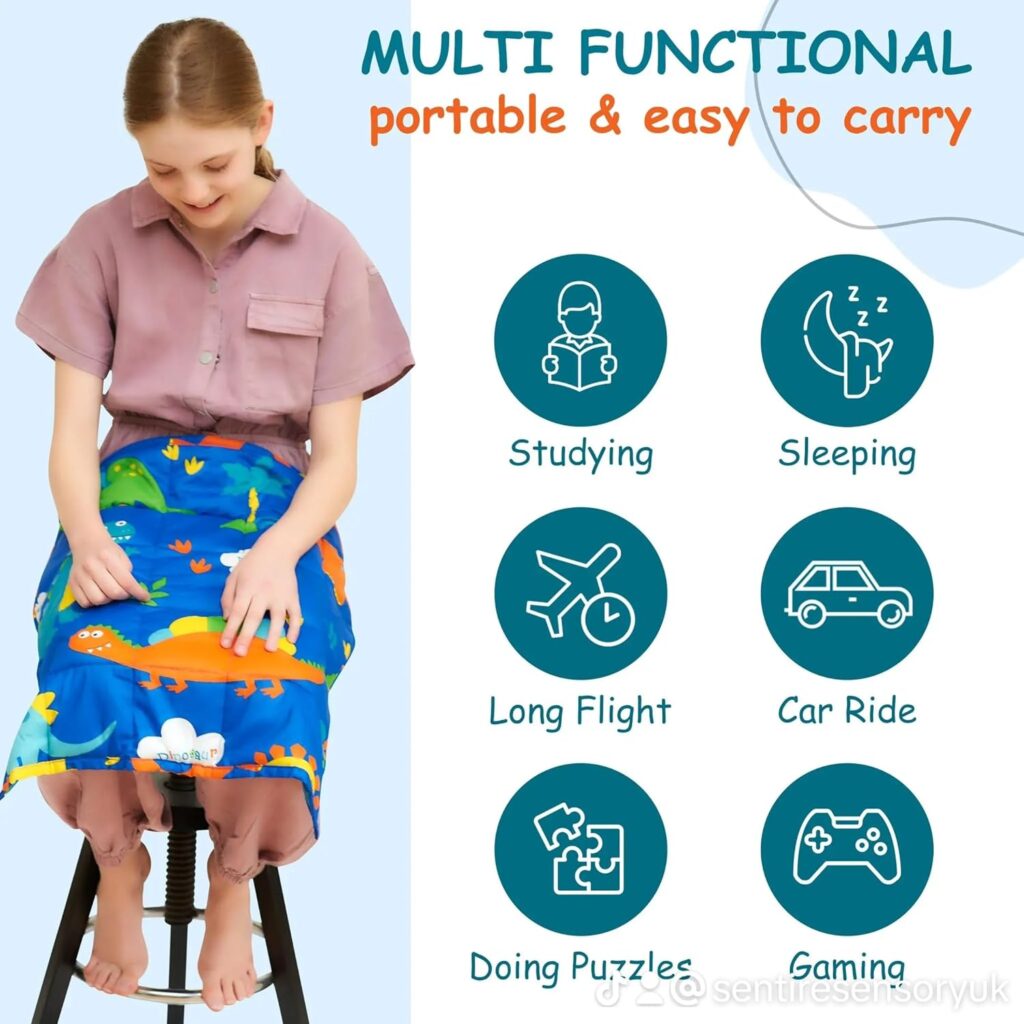
5. Weighted Lap Pad
A sensory tool that provides gentle pressure to help calm the nervous system. It can support children who feel restless, anxious, or overwhelmed.
Working with Teachers and Schools
Supporting a child with school anxiety works best when parents and teachers communicate openly. Teachers spend many hours with children each day and can offer helpful insight into what may be triggering stress in the classroom.
Parents can support their child by sharing useful information with the school, such as patterns they notice at home or situations that seem to increase anxiety.
Helpful steps include:
- Requesting brief teacher check-ins to monitor progress
- Sharing known anxiety triggers or stressful situations
- Asking about small classroom adjustments, such as seating changes
- Working together on gradual exposure plans that help the child rebuild confidence at school
Most teachers genuinely want to help children succeed. Clear communication allows them to provide the right support.
Final Thoughts for Parents
School anxiety can feel overwhelming for families, but it is a challenge that many children successfully overcome with the right support.
It is important for parents to remember that anxiety is not a sign of failure in parenting. Children do not need perfect parents they need calm, steady guidance.
With consistent routines, emotional validation, and practical coping tools, most children gradually become more confident in managing their worries. Progress may take time, but each small step forward builds resilience.
Free Printable: School Anxiety Support Pack
To further support families, a free School Anxiety Support Pack is available for download. This printable resource gives parents simple tools they can use at home to help children understand and manage their worries.
The pack includes:
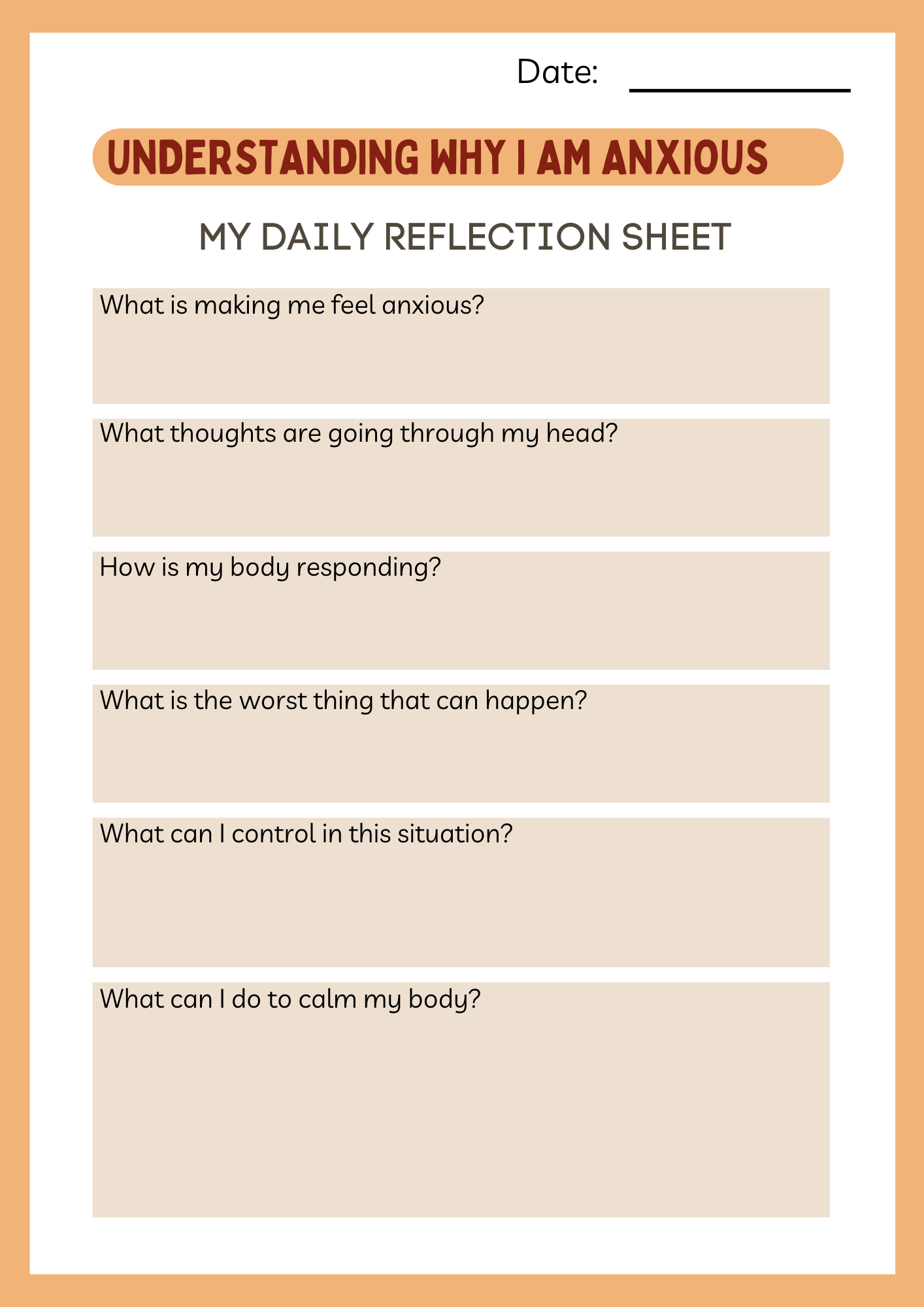
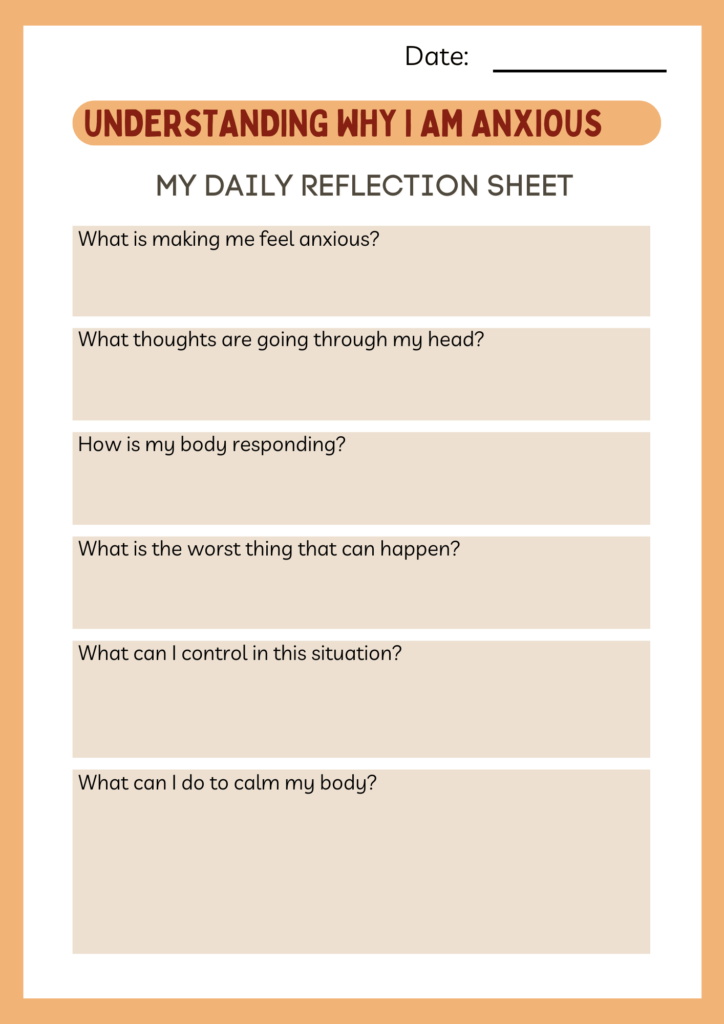
- Worry Log : a simple daily reflection sheet to help children express their worries
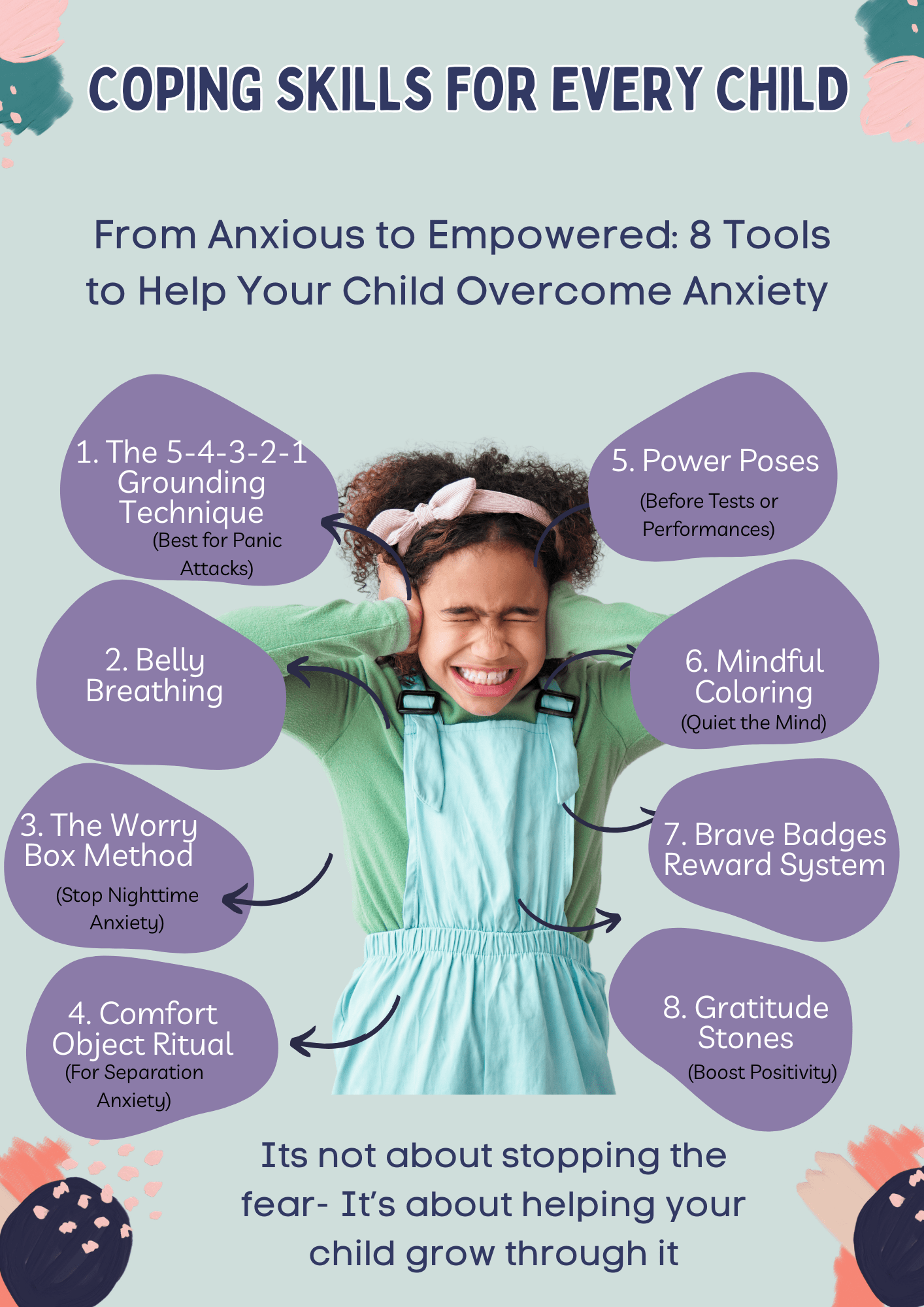
- Coping Skills Strategies : a list of calming strategies children can try when feeling anxious

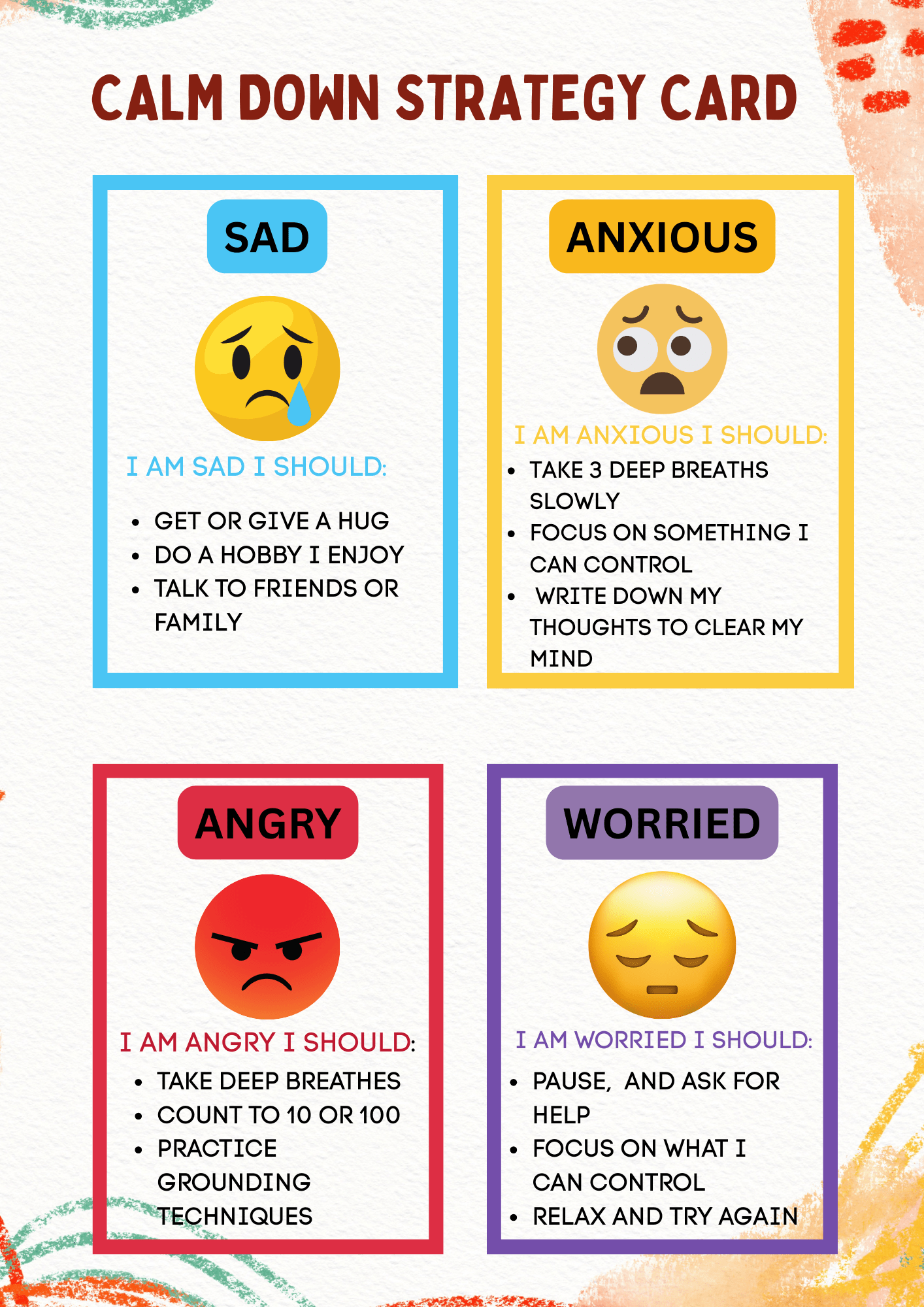
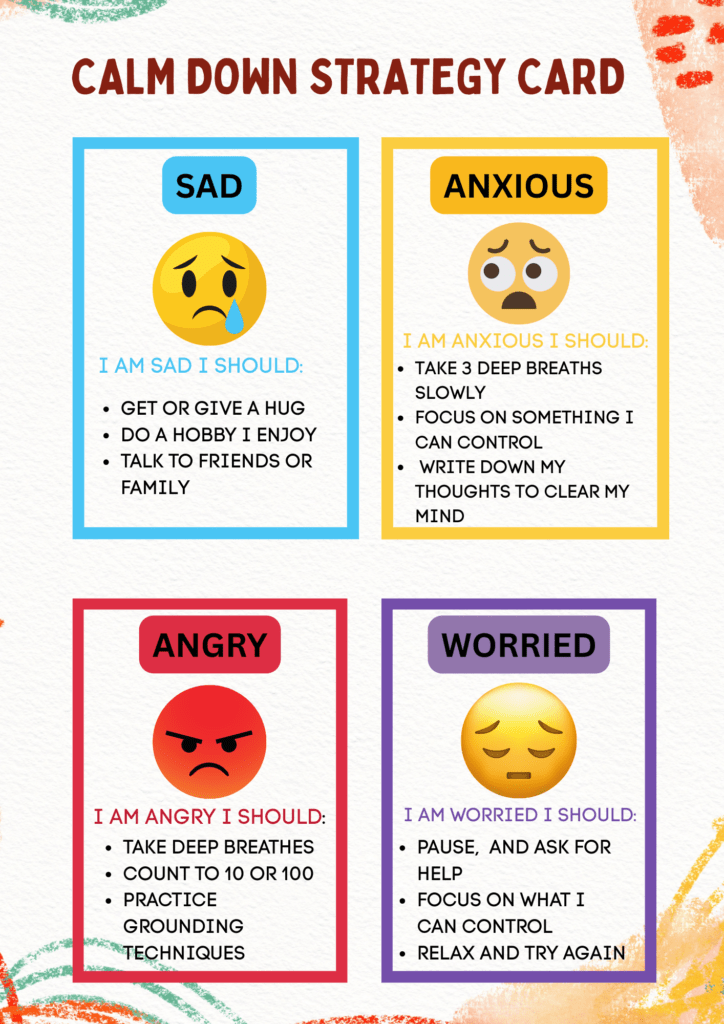
- Calm-Down Strategy Cards : quick reminders of helpful techniques during stressful moments
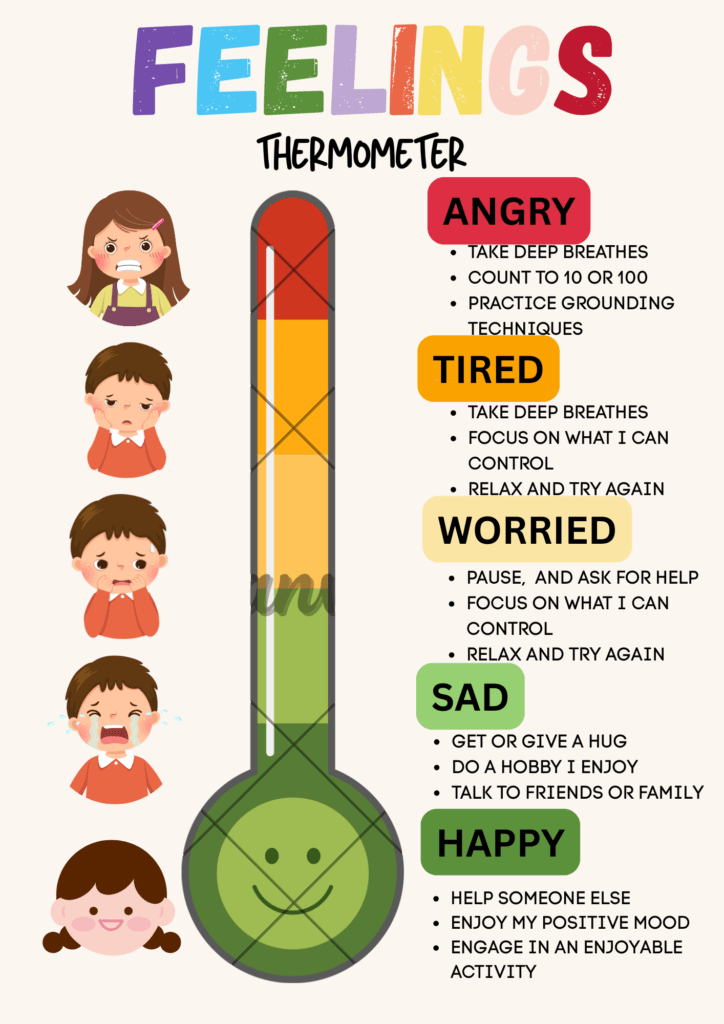
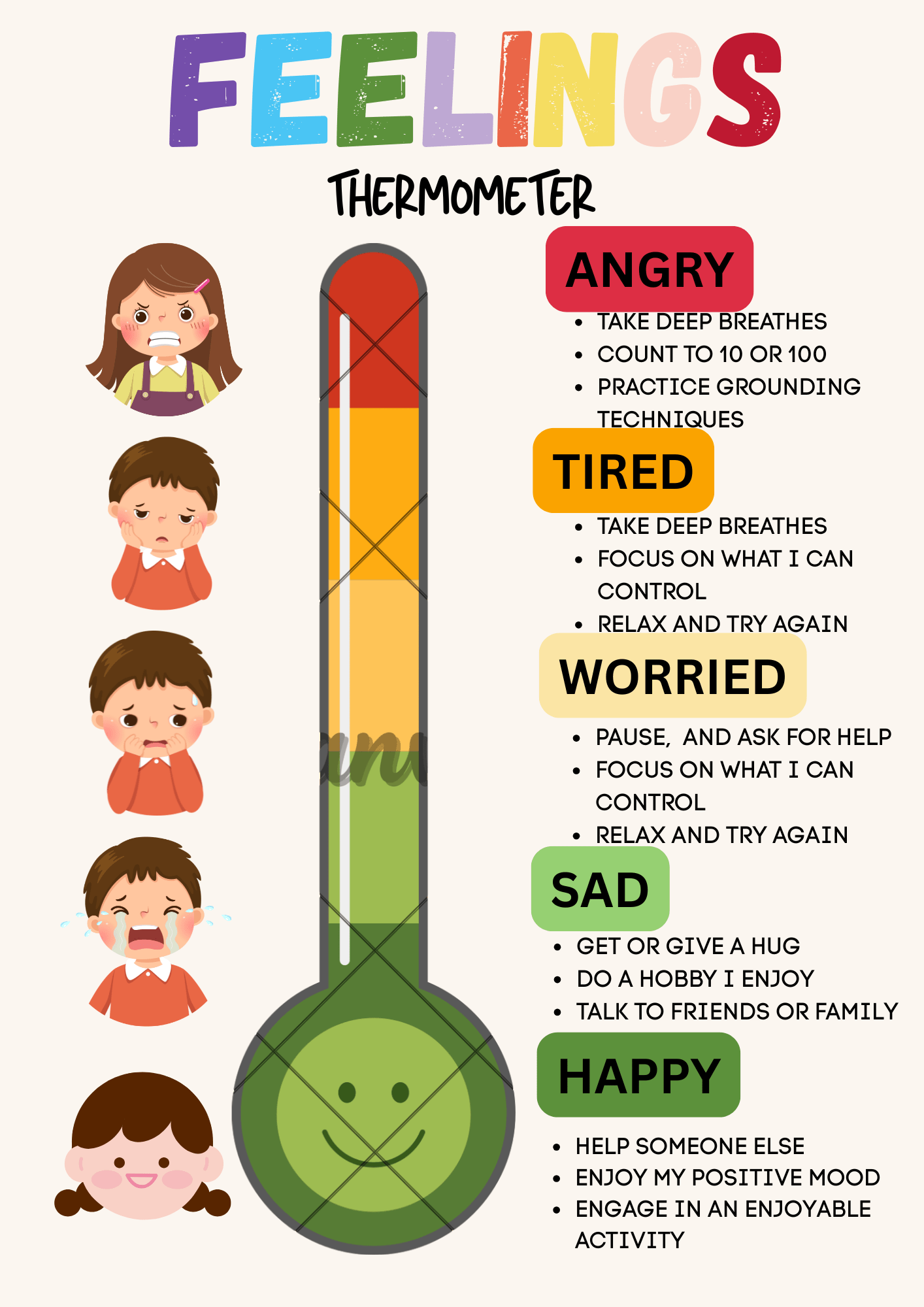
- Feelings Thermometer: A quick tip on helping kids name their emotions and how to get support.