Table of Contents
- The 20-Minute Habit That Changes Everything
- Real Parents, Real Results
- What the Science Says About Reading Aloud
- It Is Not Just Education, It Is Connection
- The Problems Most Parents Face and Real Solutions
- How to Build the Read-Aloud Habit Starting Tonight
- Recommended Books and Where to Find Them
- Tips That Make Every Session Better
- How to Build a Daily Read-Aloud Habit
- A Final Word to Every Parent Reading This
- Printable Tools to Help Your Family Build the Reading Habit
The 20-Minute Reading Habit That Changes Everything
We started reading together every night after dinner. Within three months, my daughter went from dreading school to begging me for library trips. She told her teacher it was her favourite part of the day. That 20 minutes changed our whole family.
Picture this. It is 7:45 on a Tuesday evening. The dishes are still in the sink. There is laundry in the dryer that has been sitting there since Sunday. You have a work email you still need to answer, and you are running on your third cup of coffee. But right now, your child is curled up beside you, their head resting on your arm, completely still not because they are told to be, but because they cannot wait to find out what happens next in the story.
That moment is not just sweet. It is powerful beyond what you can see. In those 20 quiet minutes, your child’s brain is lighting up like a city at night. Vocabulary is being built. Emotional intelligence is forming. The bond between the two of you is deepening in ways that will carry through their entire life.
Reading aloud to children is one of the most researched, most recommended, and most underused tools available to parents today. It costs nothing. It requires no special skill. It works for all ages, from newborns to teenagers. And the research behind it is nothing short of remarkable.
This guide breaks down exactly why 20 minutes of daily read-aloud time is the single most impactful habit you can build for your child and gives you everything you need to start tonight.
How reading helps child development– Real Parents, Real Results
Before getting into the science, here is something worth hearing from families who have already made this habit part of their daily lives.
“My son was struggling with reading at school and getting really frustrated. His teacher suggested we read to him every night, even though he was already seven. I honestly thought he was too old for it. Within six weeks, his teacher called me to say she noticed a huge shift in his confidence and comprehension. I was stunned. Now we never miss a night.”
Sandra M., mother of two, Texas
“We read to our kids during the toughest season of our lives, a cross-country move, a new school, all of it. Those bedtime stories were the one thing that stayed the same. Years later, both our kids say reading together was what made them feel safe during that time.”
James & Priya R., parents of three, Ontario
These are not unusual stories. They are what happens when families consistently give their children 20 minutes of read-aloud time. The effects show up in classrooms, in therapy offices, in pediatrician checkups, and in the deeply personal moments that parents carry with them for years.
According to a national survey by Scholastic, 83% of kids ages 6 to 17 say being read aloud to is one of their favorite activities. Yet only 31% of parents with children ages 6 to 11 report reading to their children regularly. There is a gap between knowing it matters and actually doing it and this guide is here to close that gap.
Why Parents Should Read To Kids
What the Science Actually Says-:
When researchers say reading aloud changes the brain, they mean it literally. Brain imaging studies like those conducted at Cincinnati Children’s Hospital Medical Centre, show that children who are regularly read to show significantly more activity in the areas of the brain associated with visual imagery, narrative comprehension, and language processing. These are not just reading skills. They are life skills.
– The Brain Development Connection
In the first five years of life, the human brain develops faster than at any other point. During this window, every story read aloud, every new word heard, and every emotion named through a character in a book is building neural pathways that will last a lifetime.
A landmark study published in the journal Pediatrics found that children who were read to from infancy showed measurable differences in brain structure by age five, particularly in areas related to language, literacy, and executive function. The children with the most read-aloud exposure had stronger connections in the regions that help them regulate attention, manage emotions, and understand cause and effect.
What this means for parents is simple: the stories you read tonight are not just entertainment. They are architecture. They are building the structure of your child’s thinking brain.
– The Vocabulary Gap and How Reading Closes It
One of the most eye-opening findings in early childhood research is what is commonly called the “vocabulary gap.” By the time children reach kindergarten, there can be a difference of more than 30 million words heard between children from highly language-rich environments and those from language-poor environments. This gap has real, lasting effects on academic performance.
But here is the critical thing: books contain vocabulary that everyday conversation simply does not. Researchers from the University of California found that children’s picture books expose children to 50% more rare words than prime-time television and significantly more than adult conversation. Reading aloud is one of the most effective tools for closing vocabulary gaps across socioeconomic lines and giving every child a stronger language foundation.
The more words a child hears in context through stories, characters, and situations; the more naturally they absorb and use those words. This is not rote memorization. This is immersive, emotional, story-driven learning that sticks.
– Emotional Intelligence Grows Through Stories
Reading fiction especially stories with complex characters, moral dilemmas, and emotional journeys; teaches children how to understand and manage their own feelings, and how to recognize what other people might be thinking or feeling. This skill is called empathy, and it is among the most important predictors of long-term social and professional success.
A study published in Science magazine found that reading literary fiction significantly improves what psychologists call “theory of mind” the ability to understand that other people have thoughts, feelings, and perspectives different from your own. For children, this means that every book where a character faces a challenge, makes a choice, or feels afraid is giving them a safe space to practice emotional complexity.
When a parent and child read together and stop to ask questions “How do you think she felt when that happened?” or “What would you have done?” that conversation is doing the work of therapy, education, and connection all at once.
– The Academic Advantage Is Undeniable
Multiple long-term studies have tracked children who were read to frequently in early childhood and compared their academic outcomes to peers who were not. The results are consistent and striking.
Children who are read to regularly before school enters their lives score higher on reading readiness tests, show stronger early math skills (because stories build logical sequencing), and demonstrate better focus and attention in classroom settings. A report from the Annie E. Casey Foundation found that children who are not reading proficiently by third grade are four times less likely to graduate from high school. Reading aloud is one of the most accessible and effective preventive measures available.
It is also worth noting that the academic benefits of reading aloud do not stop at kindergarten. The Jim Trelease Read-Aloud Handbook; one of the most widely cited resources on the subject, documents cases of teachers reading aloud to middle and high school students and seeing significant jumps in reading scores, engagement, and motivation. The habit scales with the child.
Importance of reading at home; It Is Not Just Education, It Is Connection
Here is something the research consistently confirms, and that parents who have done this intuitively know: reading together builds a bond between parent and child that is uniquely powerful.
When a child is read to, they associate the sound of a parent’s voice with comfort, safety, and love. This creates what developmental psychologists call a “secure attachment” a sense that the world is fundamentally safe because the people who care for them are consistent and present. Secure attachment in childhood predicts better mental health outcomes, stronger friendships, more resilient responses to stress, and healthier romantic relationships in adulthood.
There is also the simple, irreplaceable reality of physical closeness. When a child curls up beside a parent during a story, there is warmth, stillness, and shared attention on something outside themselves. In a world where devices compete constantly for everyone’s focus, this is countercultural in the best possible way.
Many families report that read-aloud time becomes the space where the most meaningful conversations happen, not during the book necessarily, but after it. A chapter about a child who is being bullied opens the door for a real conversation. A story about a character moving to a new place creates the language for a child to talk about their own fears. Books become bridges.
The Problems Most Parents Face and Real Solutions
“We don’t have time.”
This is the most common obstacle, and it is completely understandable. Parenting is exhausting, and 20 minutes can feel like a luxury.
But consider this: 20 minutes is less time than one episode of a children’s television show. It is less time than most families spend at a drive-through. The research suggests that consistency matters more than duration, a daily habit of even 15 to 20 minutes significantly outperforms occasional hour-long sessions.
Practical solutions: Choose a consistent time that already exists in your routine right before school, during lunch, or as part of the bedtime wind-down. Keep the book in a visible place. Replace one screen activity with a read-aloud session. Once it becomes habitual, it no longer feels like an added task.
“My child won’t sit still.”
Many parents assume their active child is simply not a “reading child.” The truth is that most children who seem resistant to reading have simply not yet found the right book, or have not experienced a read-aloud that captures their imagination.
Practical solutions: Let the child choose the book. Try books about topics they already love; dinosaurs, cars, sports, magic, animals. Graphic novels and heavily illustrated chapter books are excellent for children who struggle to stay engaged with dense text. Audio dramatization, using different voices for characters, and pausing to ask questions all increase engagement significantly.
“My child is too old for being read to.”
This is one of the most persistent myths in parenting culture. Research shows that children benefit from being read to well into their teenage years. The complexity of language in books that can be read aloud to older children, think of novels by Roald Dahl, C.S. Lewis, J.K. Rowling, or Rick Riordan, far exceeds what most children could read independently at that age.
Practical solutions: Choose books that are slightly above the child’s independent reading level. This is called the “stretch zone,” and it is where the most growth happens. Young adults who were read to throughout childhood consistently report it as a defining positive memory.
Recommended Books
Ages 0 to 3 : Building the Foundation
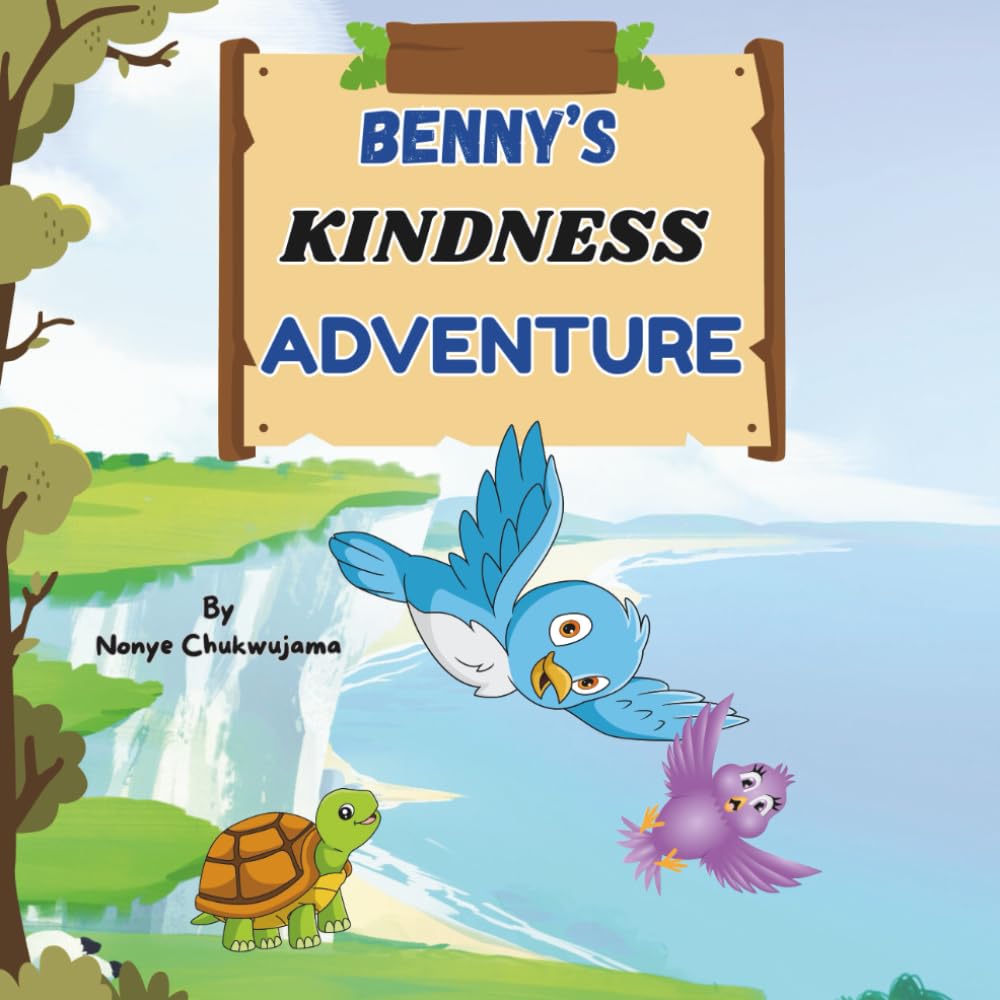
- Benny’s Kindness Adventure by Nonye Chukwujama– A beautiful illustration on showing kindness and helping others.
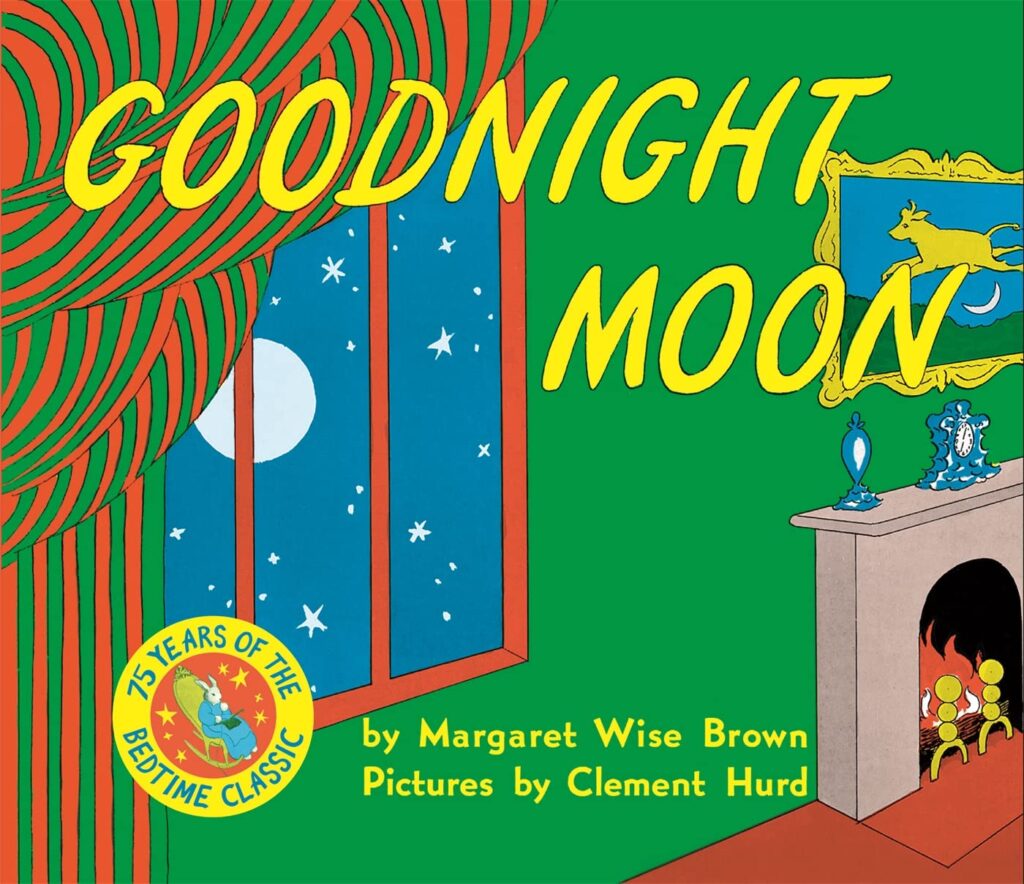
- Goodnight Moon by Margaret Wise Brown– A timeless classic for bedtime routines.
- The Very Hungry Caterpillar by Eric Carle – Builds vocabulary, numbers, and days of the week.
![The Very Hungry Caterpillar [Board Book]](https://raisingsmiles.co.uk/wp-content/uploads/2026/03/81seu48cujS._SL1500_-1024x730.jpg)
- Where the Wild Things Are by Maurice Sendak– Excellent for naming emotions and exploring imagination.

Ages 4 to 7 : Language and Story Explosion
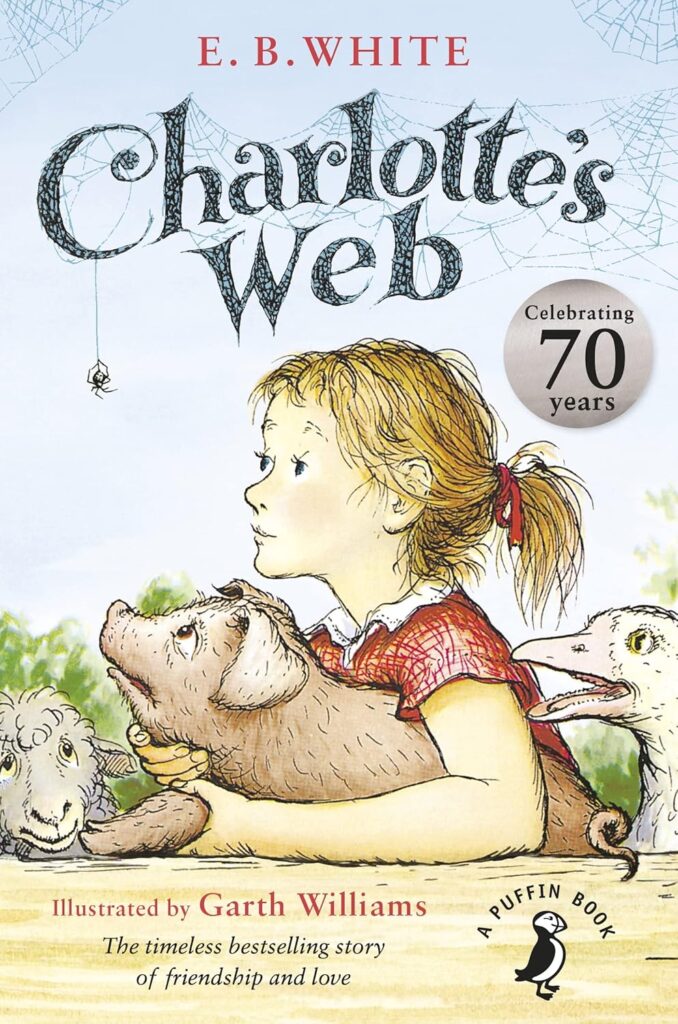
- Charlotte’s Web by E.B. White– One of the most emotionally rich early chapter books ever written. Perfect for first conversations about loss, friendship, and legacy.
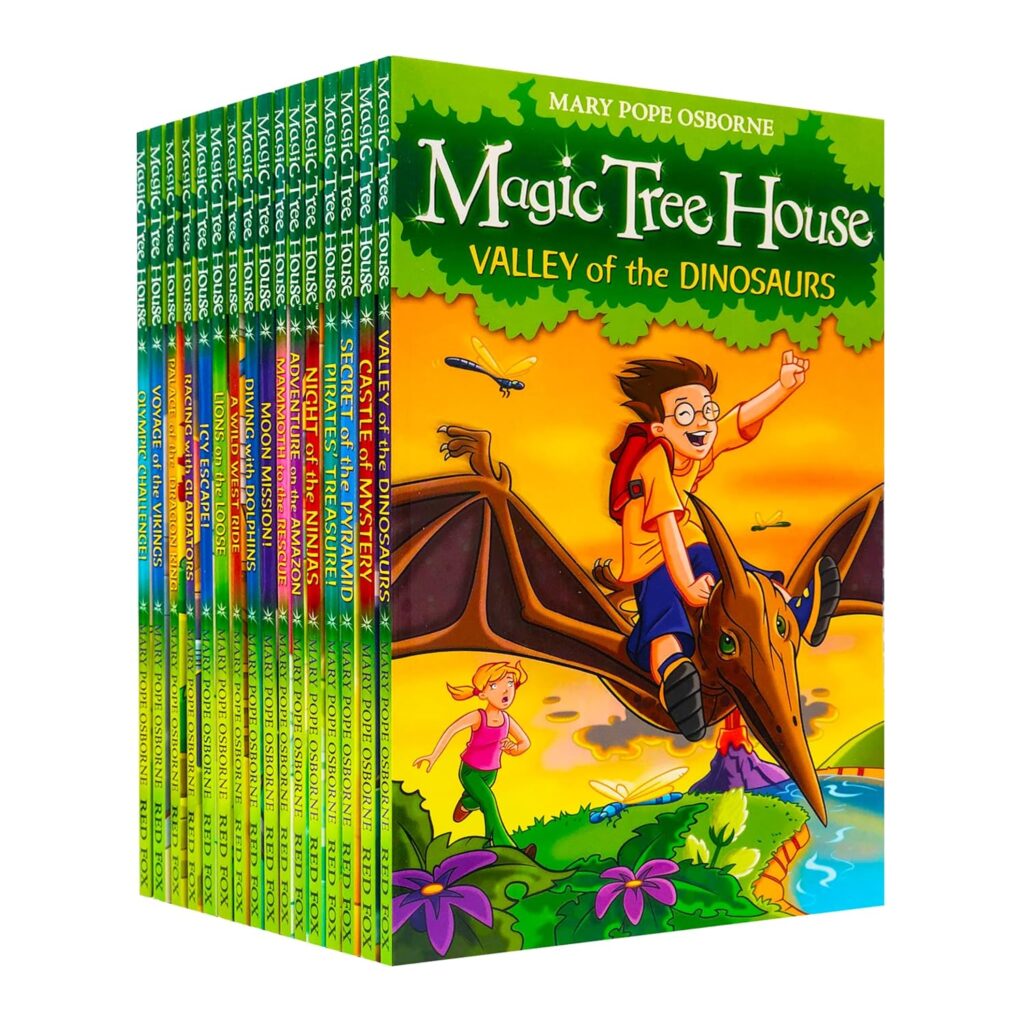
- The Magic Tree House Series by Mary Pope Osborne– History, adventure, and science woven into fast-paced chapters. Kids ask for “just one more chapter” every night.
- Elephant and Piggie Series by Mo Willems– Funny, warm, and teaches dialogue and friendship dynamics brilliantly.

Ages 8 to 12 : Depth, Drama, and Wonder
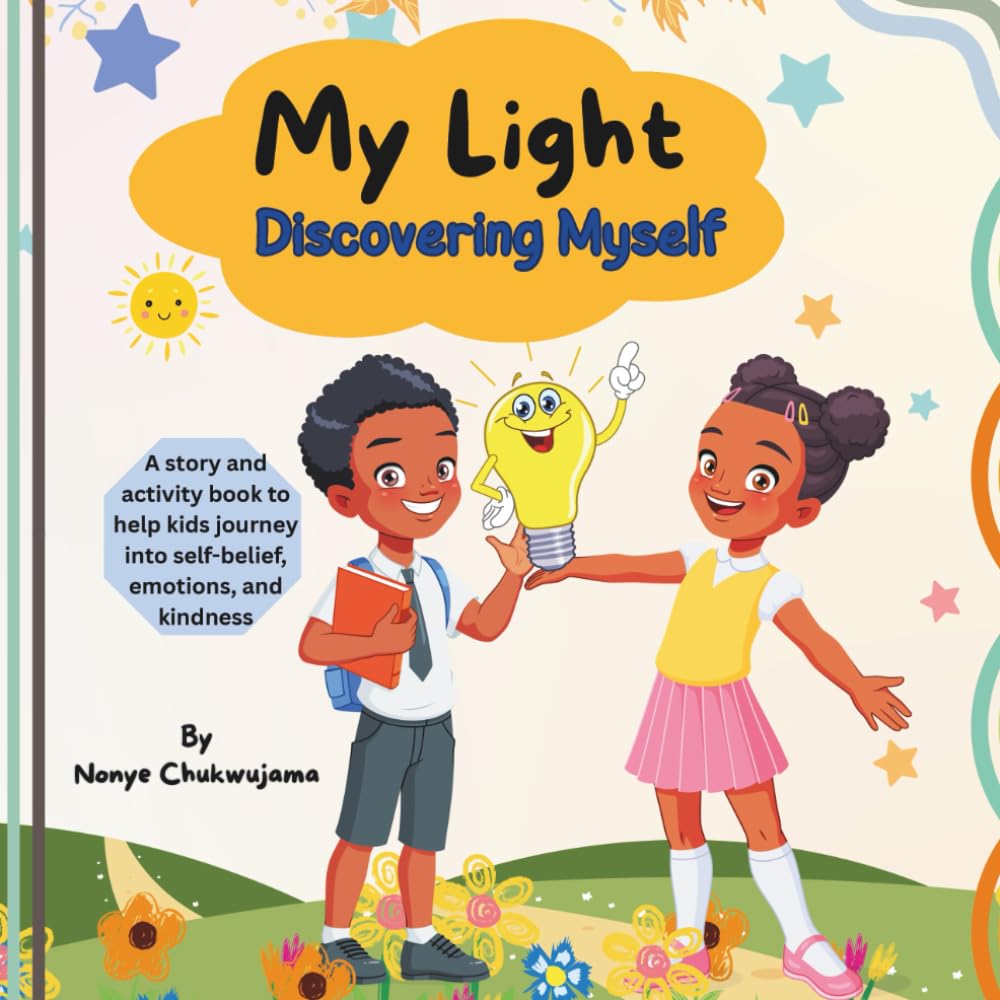
- My Light by Nonye Chukwujama– A beautiful illustration on discovering ones inner light and unique self..
- The Lion, the Witch and the Wardrobe by C.S. Lewis– A masterclass in world-building, courage, and moral choices.

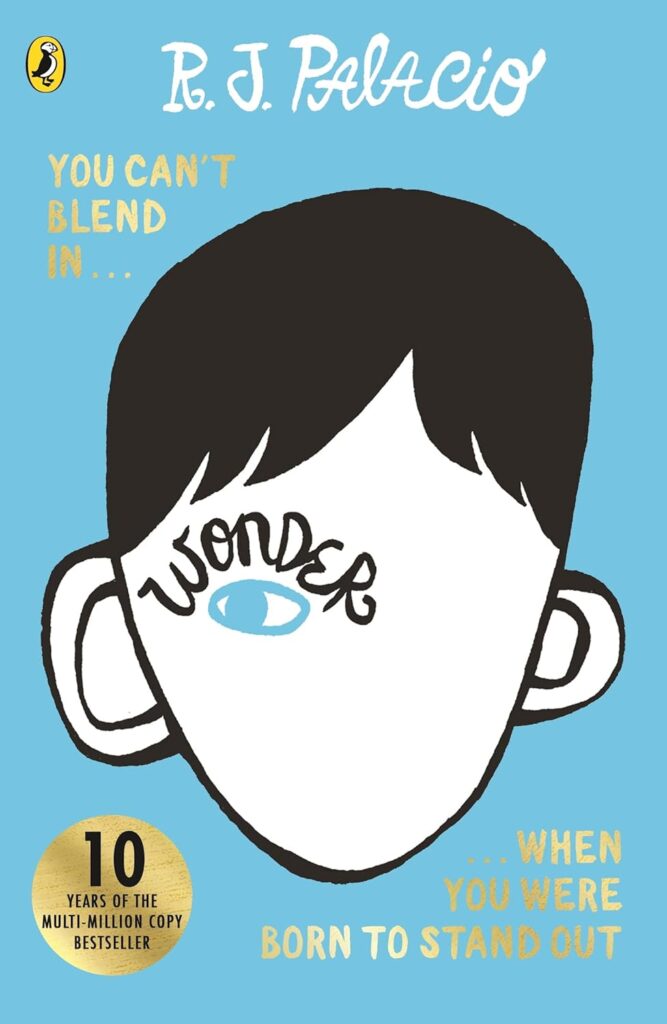
- Wonder by R.J. Palacio– A beautiful, emotionally intelligent story about belonging, kindness, and seeing people for who they truly are.
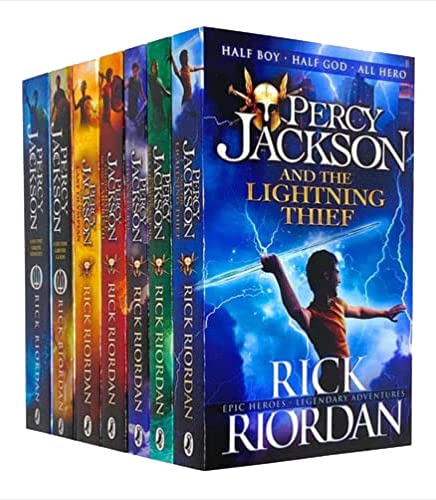
- Percy Jackson and the Olympians by Rick Riordan– High adventure and mythology that has turned more resistant readers into passionate ones than almost any other series.
Tips That Make Every Session Better
- Read with expression and enthusiasm, even when you are tired. Children are extremely good at detecting genuine engagement.
- Do not worry if you mispronounce a word. Model curiosity by saying “I’m not sure how that’s said, let’s look it up together.”
- Stop mid-chapter at an exciting moment. The anticipation builds desire to return.
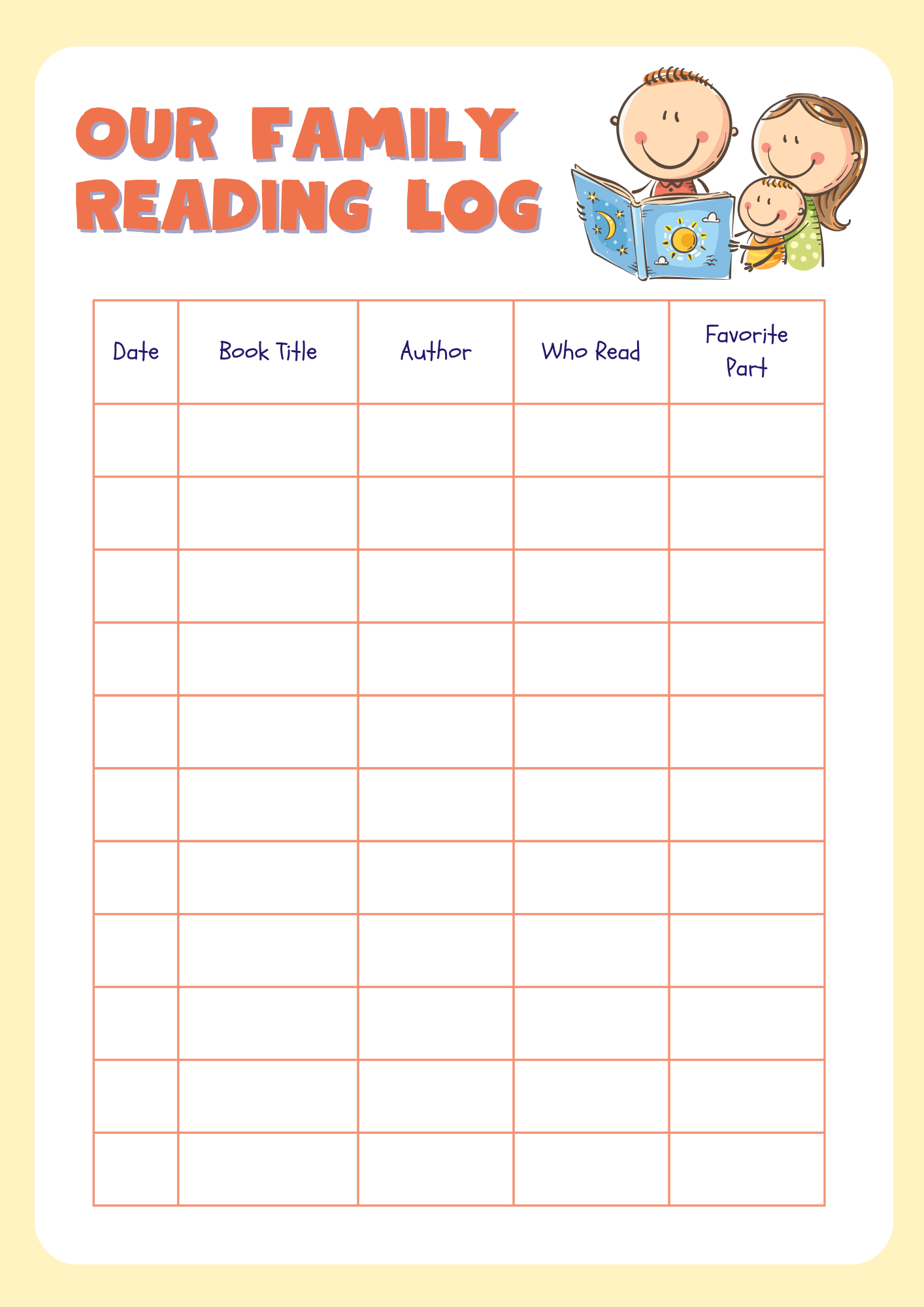
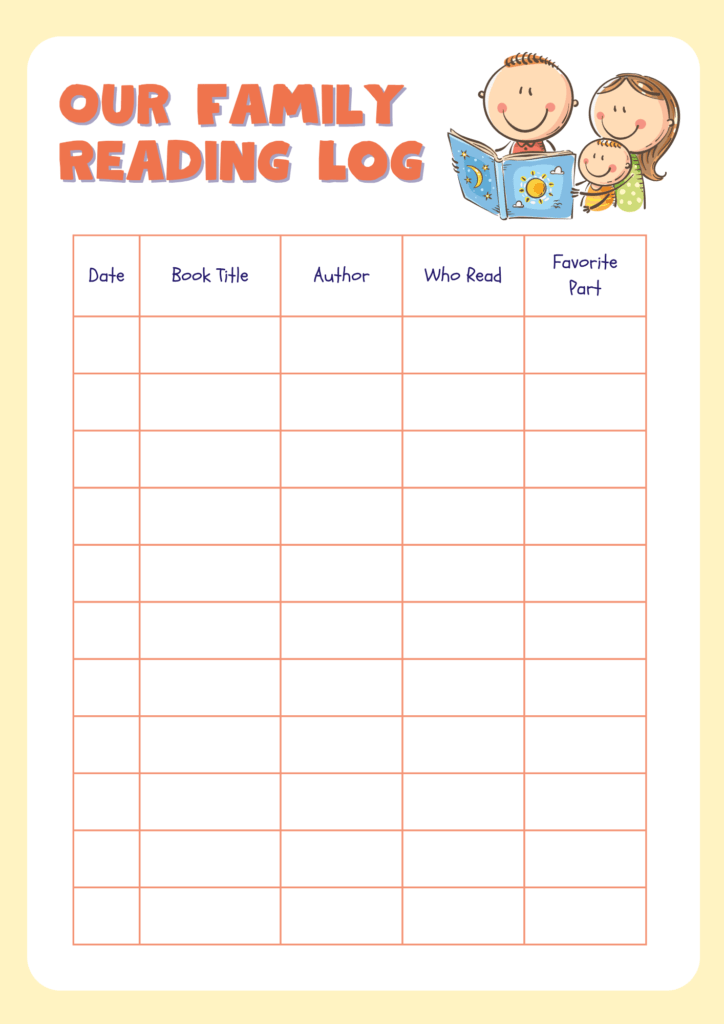
- Keep a “read-aloud log” together, a simple notebook where you write down every book you have read together. Reviewing it at the end of the year is a powerful emotional ritual.
- Audio dramatization and sound effects even just a dramatic pause, make reading memorable.
- If a child falls asleep during the story, that is not failure. That is success. They associated the sound of your voice with enough safety to let go completely.
- For reluctant readers, start with shorter formats: graphic novels, poetry collections, or illustrated nonfiction. The format does not matter. The habit does.
How to Build the Read-Aloud Habit Starting Tonight
The best read-aloud session is the one that actually happens. Here is a practical, realistic framework for building this habit into your family life.
Step 1: Choose Your Time Anchor
Tie the habit to something that already happens every day. Bedtime is the most popular choice because the quietness of the evening naturally invites stillness. But after-school snack time, weekend mornings, and lunchtime all work beautifully. The key is that the time is predictable, so the child comes to expect and look forward to it.
Step 2: Let the Child Have a Voice in Book Selection
Ownership increases engagement. When a child chooses the book even from a shortlist you have curated, they are more invested. Keep a small basket or shelf of read-aloud books visible and accessible. Rotate them seasonally to keep things fresh.
Step 3: Make It a Full-Body Experience
Use different voices for different characters. Pause and ask questions. Let the child predict what happens next. Point at pictures. Make the book an event, not a performance. The theatrical element is not just fun, it significantly increases comprehension and memory retention.
Step 4: Create a Reading Ritual
Rituals signal to the brain that it is time to shift into a different mode. This could be as simple as making a cup of warm tea while the child picks the night’s book, dimming the lights, getting under a specific blanket, or starting with the same phrase every time “Ready? Let’s go.” The ritual itself becomes part of the magic.
Step 5: Do Not Stop When They Learn to Read Alone
Many parents stop reading aloud once a child can read independently. This is a missed opportunity. Continuing to read aloud after independent reading develops exposes children to more complex vocabulary, builds shared cultural references within the family, and maintains the emotional intimacy of the habit. Reading aloud is not training wheels, it is its own category of connection.
A Final Word to Every Parent Reading This
There will be nights when it doesn’t happen. When everything runs late, the kids are cranky, and you fall asleep before they do. That is completely normal. Consistency over time is what matters not perfection in any single week.
What children remember is not whether every single bedtime had a story. What they remember is that reading together was a part of their life. That there was a parent who showed up night after night with a book and a voice they loved. That in a busy and often overwhelming world, there was always this one quiet, warm, shared thing.
Twenty minutes a day. That is less than 2% of waking hours. And the return in brain development, academic performance, emotional health, and the depth of the bond between parent and child is immeasurable.
Start tonight. Any book. Any voice. That is enough.
Printable Ideas for Parents
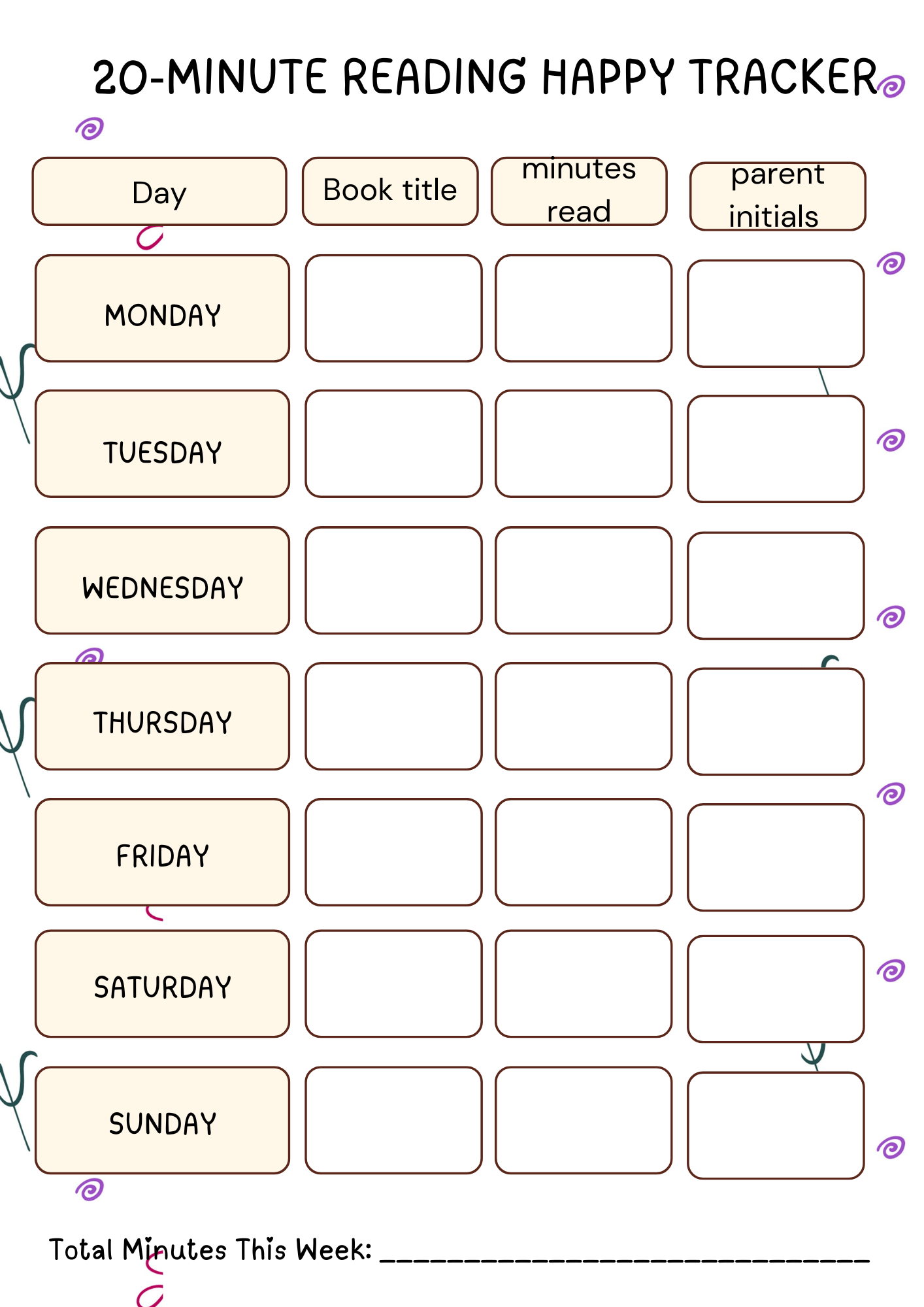
1. 20-Minute Reading Happy Tracker
A fun tracker that helps children build a daily reading habit. Parents can mark each day their child reads for 20 minutes and celebrate their progress together.
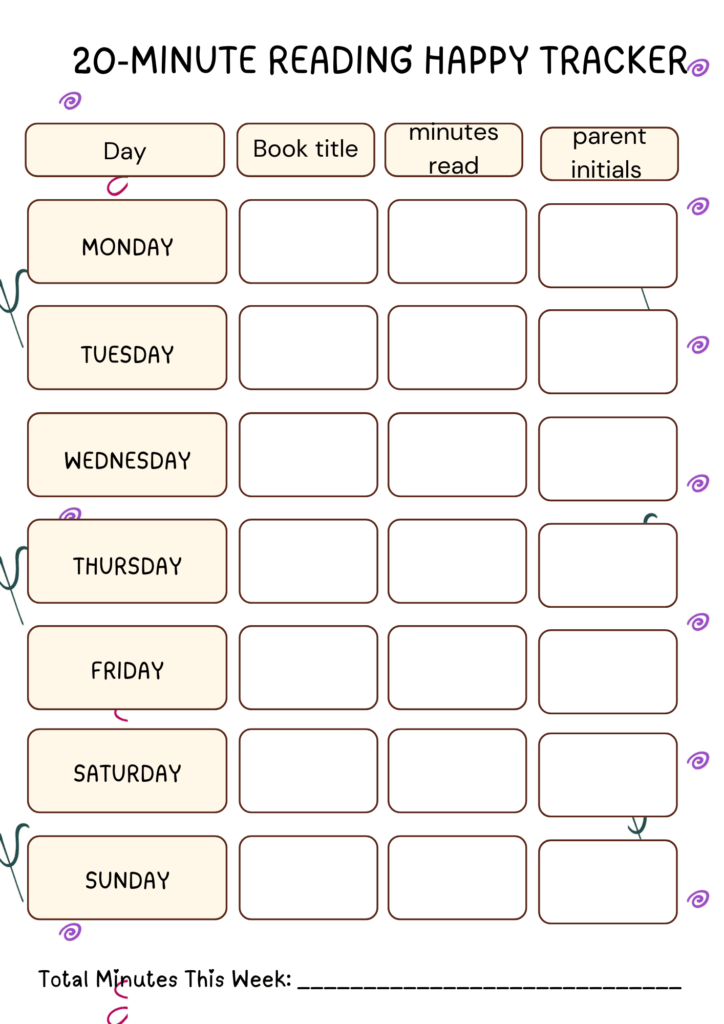
A simple log for families to record the books they read together. It helps parents keep track of reading time while creating special reading memories with their child.
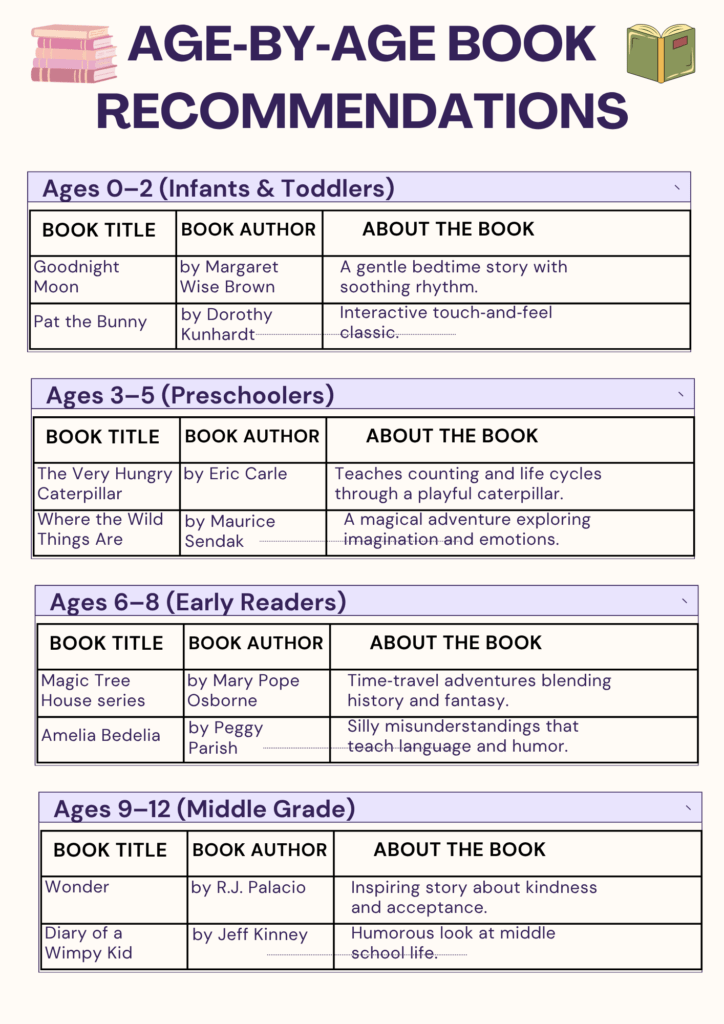
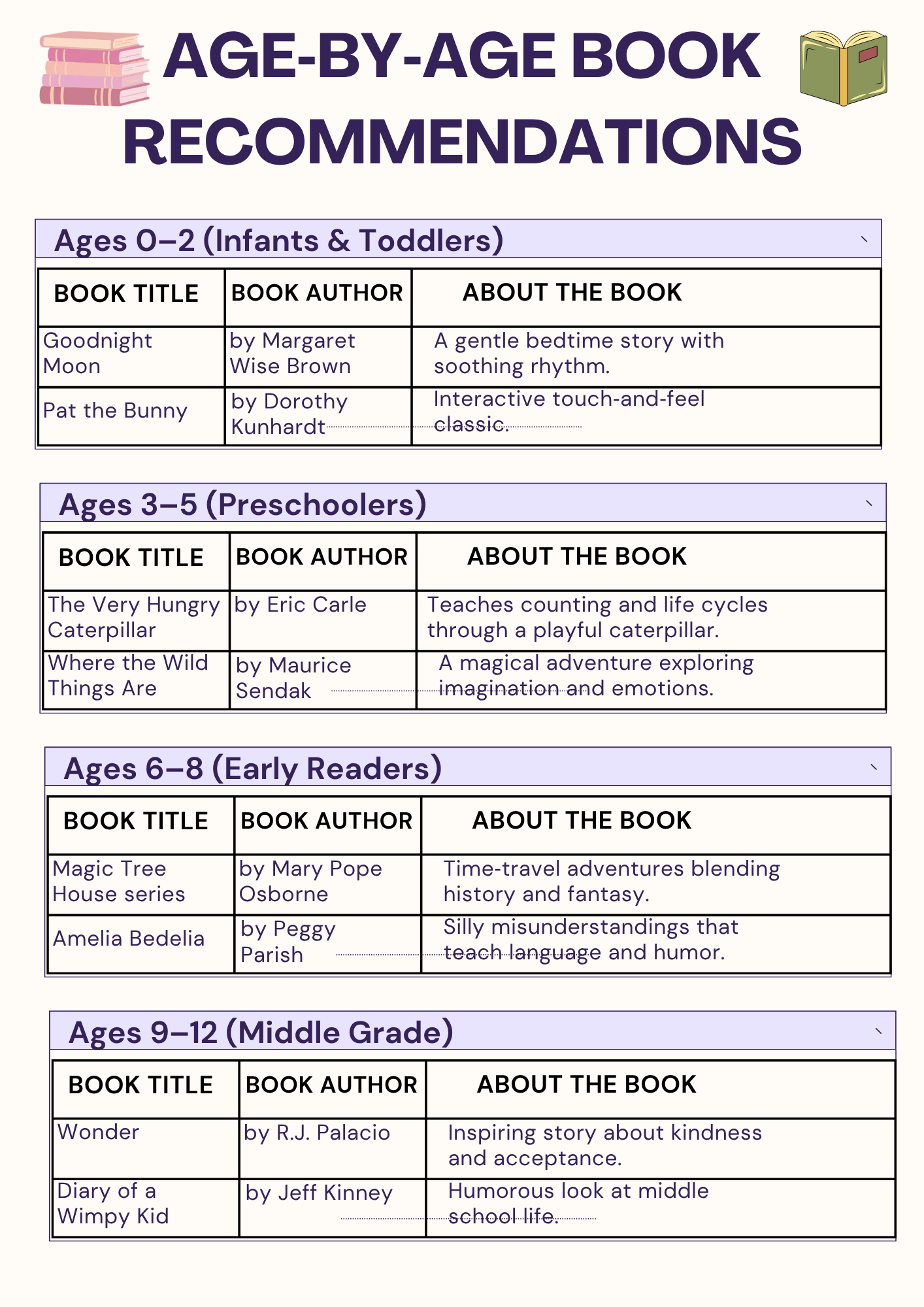
A helpful guide that suggests great books for children at different ages. It makes it easier for parents to choose stories that match their child’s stage and interests.