By Nonye Chukwujama
Understanding Emotional Outbursts Beyond the Toddler Years
Introduction
From someone who has seen both the tears at home and the science behind them, I know firsthand that tantrums don’t magically disappear after the toddler years. In fact, I’ve had parents in my clinic say things like:
“I thought tantrums would end by age three, but here we are at seven, and my child just had a full-blown meltdown over homework!”
Sound familiar? If you’ve ever felt embarrassed in the supermarket when your six-year-old refuses to leave the toy aisle, you are not alone. Tantrums beyond the toddler stage are much more common than most people realize and they don’t mean you’re failing as a parent.
In this post, we’ll explore why older kids still have tantrums, what triggers them, and most importantly, how you can respond in a way that protects your child’s emotional health and your sanity.
Why Tantrums Happen Beyond Toddlerhood
Tantrums are often seen as a toddler thing, but they’re actually a sign of emotional overwhelm, not just immaturity. Older kids might throw tantrums because:
- Big Emotions, Small Toolbox
Children aged 4–9 experience strong emotions but often lack the coping skills to handle them. When frustration, anger, or anxiety hits, their brains can still go into “meltdown mode.” - Changing Routines and Pressures
School schedules, homework, and social expectations add stress. Some kids express this stress through tantrums because they don’t know another way. - Need for Control
Older kids crave independence. When they feel powerless—like when you say “no” to screen time—they might react explosively.
Common Triggers for Older Kids
Understanding what sets off tantrums in older children can help you prevent meltdowns before they escalate. Here are some common triggers and why they matter:
- Homework Battles
As kids grow, academic demands increase, and so does the pressure to perform. If a child struggles with a subject or feels overwhelmed by the workload, frustration can quickly boil over into a tantrum. This isn’t just laziness; it’s often a sign of stress, self-doubt, or even undiagnosed learning challenges.
- Transitions and Sudden Changes
Moving from one activity to another, especially from something fun like screen time to something less exciting like chores, can feel abrupt for kids. Their brains thrive on predictability, and sudden shifts can trigger resistance or meltdowns. Giving warnings before transitions and using visual schedules can help ease the shift.
- Social Challenges
Friendship drama, feeling excluded, or not fitting in at school can create big emotions that kids struggle to process. Since they often don’t have the words to express this stress, these feelings come out as tantrums at home, where they feel safest to release bottled-up frustration.
- Fatigue and Overstimulation
Even older kids have limits. Long school days, after-school activities, and constant screen exposure can leave them overstimulated and exhausted. When they hit this point, even small requests, like brushing teeth—can spark an outburst. A well-balanced routine with downtime is key.
- The Need for Control and Independence
As children grow, their desire for autonomy grows too. When they feel they have no control; such as when parents make all decisions—they may react with defiance or tantrums. Offering age-appropriate choices, like “Do you want to do homework before or after dinner?” can reduce these power struggles.
The Hidden Link Between Tantrums and Emotional Development
This might surprise you: tantrums are a normal part of growing up, even after age three. They’re signals, not sins. Research shows that emotional regulation skills develop well into the teen years. So, instead of viewing tantrums as bad behavior, see them as an opportunity to teach coping skills.
What Parents Can Do During a Tantrum
Handling a tantrum effectively is about balancing empathy with boundaries. Here’s what works (and what doesn’t):
- Stay Calm and Collected
Your calmness is the anchor in the storm. When you raise your voice or react emotionally, it escalates the situation. Kids mirror our energy. If you stay calm, they feel safer and can begin to calm down themselves. Take slow breaths, lower your tone, and remind yourself: This is a moment, not a lifetime. - Validate Their Feelings (Before Setting Limits)
Acknowledging your child’s feelings doesn’t mean you agree with their behavior—it means you see them. Say something like:
“I can see you’re really upset because you wanted more screen time.”
Validation helps kids feel understood, which reduces the emotional intensity. Ignoring or dismissing their feelings can make them fight harder to be heard. - Set Gentle but Firm Boundaries
Boundaries are comforting for kids—they show that the world is predictable and safe. You can say no without sounding harsh:
“We can’t have ice cream now, but we can add it to the shopping list for Saturday.”
This approach shows empathy and offers a future solution, which helps your child learn patience and flexibility. - Offer Choices (Control Within Limits).
A tantrum often happens because kids feel powerless. Offering choices gives them a sense of control without letting them run the show. For example:
“You can choose to finish your homework now and have 20 minutes of playtime after, or start after dinner and have 10 minutes of playtime.”
This strategy prevents power struggles and teaches decision-making skills. - Use Distraction and Redirect Energy.
If emotions are peaking, logic might not work yet. Sometimes, gently shifting attention can help reset the mood. Suggest a calming activity:“Let’s take a few big breaths together, then pick your favorite book for story time.”Physical activities like stretching, jumping jacks, or even getting a glass of water can also break the meltdown cycle.
Long-Term Strategies to Reduce the Occurrence of Tantrums
Prevention is always better than reaction. These strategies can help your child build emotional resilience and reduce the frequency of meltdowns over time:
- Teach Emotional Vocabulary
When children can name their feelings, they’re less likely to explode because they have the words to express themselves. Start by labeling emotions in everyday situations. For example:
“I see you’re feeling frustrated because the block tower fell.”
Introduce simple words like “happy,” “sad,” “angry,” and “tired,” then gradually add more complex emotions such as “disappointed” or “nervous.”
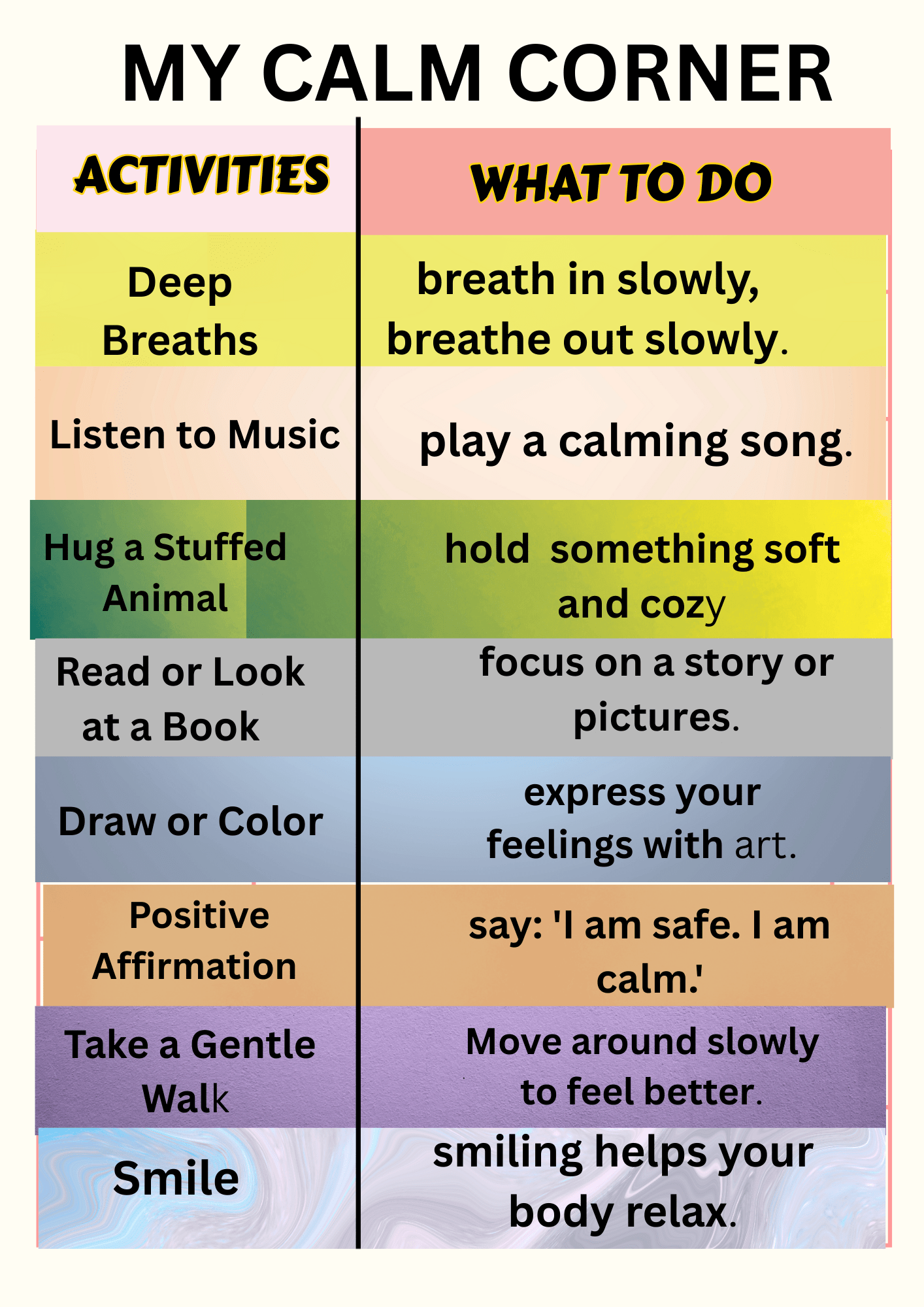
Consider using emotion charts or books that teach feelings in a visual, fun way. This gives kids tools to communicate instead of melting down. - Create a Calm Corner
A calm corner is a safe, cozy space your child can go to when emotions feel too big. Think of it as a “reset station” rather than a punishment zone. Include:- Soft pillows or a beanbag chair
- Favorite stuffed animal
- Sensory items like stress balls or fidget toys
- Picture books about feelings
This space helps kids learn self-soothing skills. Want a ready-made guide? (Click here to get your FREE Calm Corner Poster).
- Model Self-Regulation
Children learn more from what we do than what we say. When you feel stressed, narrate your calming process:
“I’m feeling overwhelmed, so I’m going to take three deep breaths.”
Show them real-life strategies like counting to ten, using grounding exercises, or stepping away to regroup. This demonstrates that big feelings can be managed in healthy ways. - Stick to Predictable Routines.
Uncertainty can be a major tantrum trigger. Create a daily rhythm for meals, play, homework, and bedtime so your child knows what to expect. Visual schedules or planners can help. When changes are necessary, give advance notice:
“After dinner, we’ll go to the store instead of playing outside. I wanted you to know ahead of time.”
Predictability builds security, which reduces emotional outbursts. - Teach Problem-Solving Skills.
As kids grow, help them find solutions to the situations that frustrate them. For example, if they’re upset because a sibling won’t share a toy, guide them through steps like:- State the problem
- Brainstorm options together
- Pick a fair solution
This approach empowers children, making them feel more in control—one of the biggest tantrum preventers.
When to Seek Professional Help
Tantrums are normal, but if they become frequent, intense, or violent, or affect school and friendshipsv, it might be time to consult a professional.
Recommended Tools and Resources
Here are some amazing products that can make your parenting journey easier:
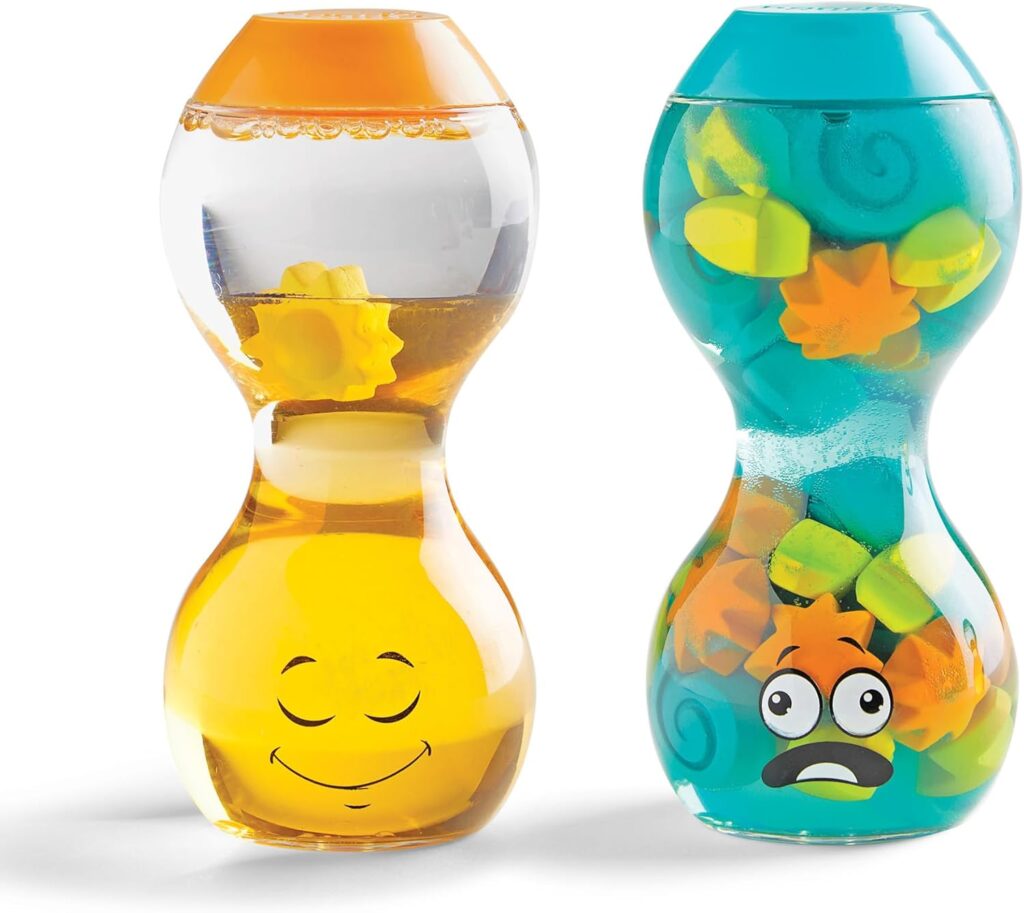
- Calm Down Kits – These kits often include sensory toys, stress balls, and visual tools for emotional regulation.
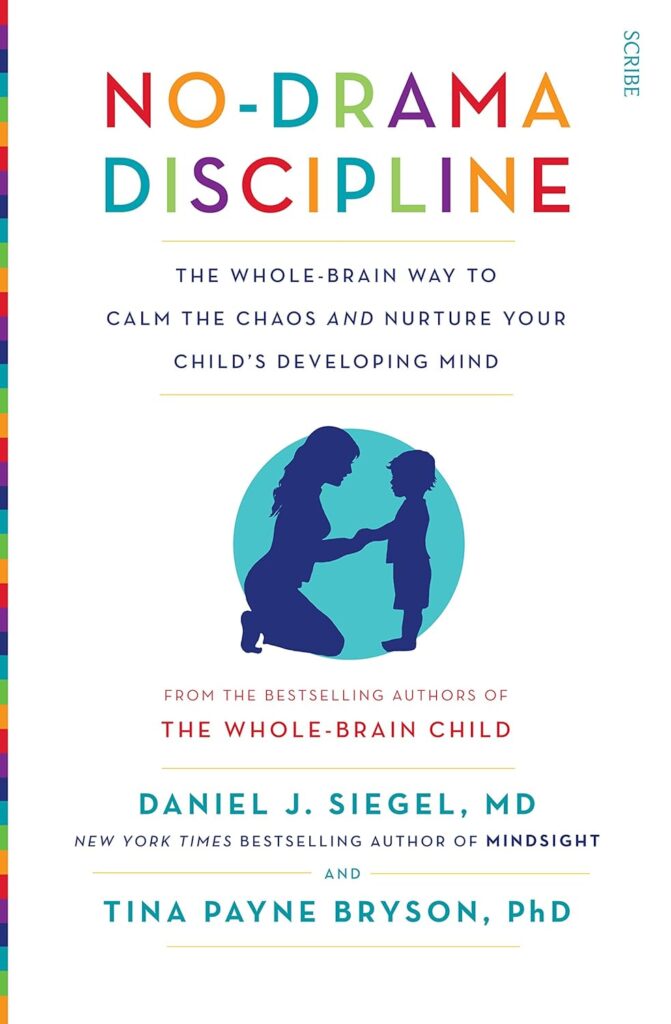
- Books on Emotional Regulation –

3. Raising Smiles Printables – Our curated posters and activity sheets are perfect for helping kids develop coping skills.
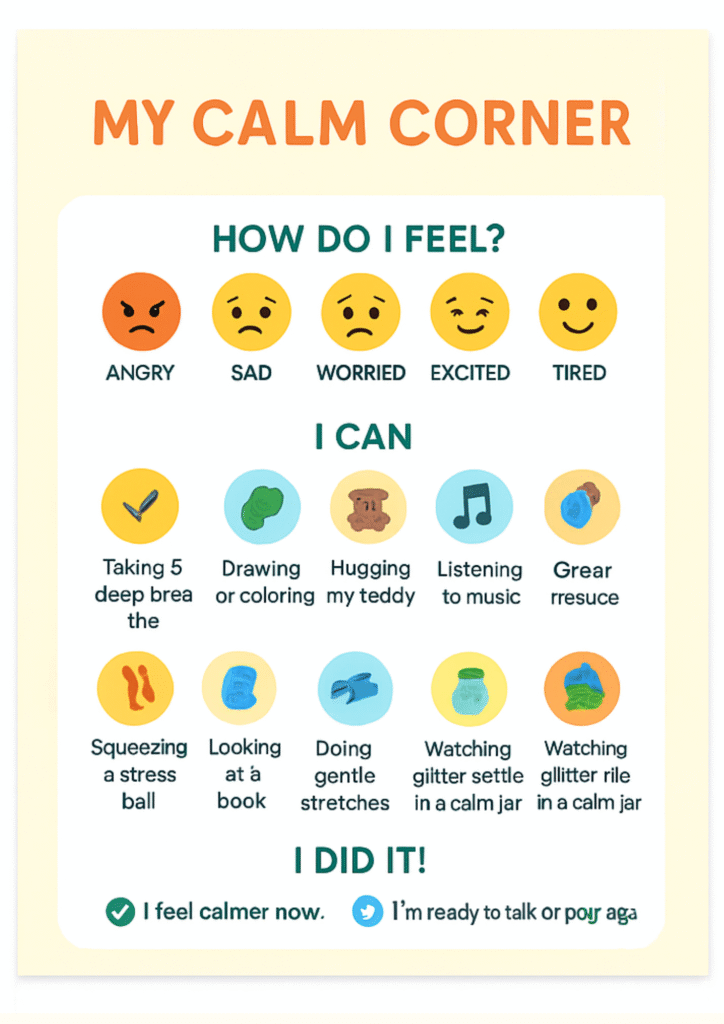
FREEBIE ALERT:
Want to make your home tantrum-ready? This visual guide helps kids learn how to calm themselves down, making life easier for both of you.
Common Mistakes Parents Make
Even the most patient parents can unintentionally make tantrums worse. Here are five common mistakes to avoid:
- Shaming the Child
Phrases like “You’re too old for this” or “Stop acting like a baby” may silence the tantrum temporarily but chip away at a child’s confidence. Shame makes children feel bad about themselves rather than helping them learn better behavior. Instead, separate the behavior from the child: “I don’t like the yelling, but I still love you.” - Over-Reacting in Public
Tantrums in the grocery aisle or at a party can feel mortifying. The temptation to give in “just this once” to stop the stares is real but it teaches children that meltdowns equal rewards. A better strategy: stay calm, use a low, firm voice, and if needed, remove your child from the situation without caving in. - Ignoring Triggers
If tantrums always strike before dinner or after school, there’s usually an underlying cause, like hunger, tiredness, or sensory overload. Parents sometimes overlook these patterns and treat every tantrum as random misbehavior. Keeping a simple journal of when and where meltdowns happen can reveal preventable triggers. - Trying to Reason During the Peak of a Tantrum.
Many parents jump into logical explanations mid-meltdown—“Calm down, it’s not a big deal!”—but reasoning rarely works when emotions are running high. Children in fight-or-flight mode can’t process logic. Instead, focus first on calming the nervous system with space, comfort, or silence. Once the storm passes, then teach. - Taking Tantrums Personally.
It’s easy to feel like your child’s screaming is a reflection of your parenting. But tantrums are a normal part of brain development—not proof that you’re failing. Responding defensively (yelling back, storming off) only escalates things. Viewing tantrums as teachable moments helps you stay patient and consistent.
Final Thoughts
If your older child has tantrums, it doesn’t mean you’re a bad parent; it means you’re raising a human with big feelings and a developing brain. Parenting isn’t about perfection; it’s about connection. Each meltdown is a chance to teach resilience and empathy.
As both a mum and a mental health nurse, I can assure you: you’re doing better than you think. Take a deep breath, give yourself grace, and remember, you and your child are learning together.