When you picture family mealtime, you might think about spaghetti on the table, kids giggling, or the scramble to get everyone sitting down at once. But research shows that family meals are far more than just sharing food, they are powerful builders of both IQ (intelligence quotient) and EQ (emotional intelligence) in children.
In other words, dinner isn’t just dinner. It’s brain-building, heart-shaping, and family-bonding time all rolled into one.
What Do IQ and EQ Actually Mean?
- IQ (Intelligence Quotient):
This is often linked to problem-solving, logical reasoning, memory, and academic skills. When kids strengthen their IQ, they learn faster, think more clearly, and perform better in school.
- EQ (Emotional Quotient/Intelligence):
EQ is the ability to understand, express, and manage emotions both your own and others’. It’s about empathy, resilience, and building healthy relationships. Studies now suggest that EQ may be even more important than IQ for lifelong success.
And guess what? Family meals support both.
How Family Meals Boost IQ
1. Vocabulary Growth: Children who eat with their families are exposed to up to 1,000 more rare words per meal than children who only watch TV. Every “How was your day?” or “What do you think of this?” adds up to better communication skills and stronger literacy.
2. Improved Academic Performance: Studies show kids who have regular family dinners score higher in reading, math, and science. The act of explaining their thoughts at the table trains their brains for classroom discussions and problem-solving.
3. Better Concentration: Balanced meals rich in nutrients (think omega-3s, whole grains, fruits, and veggies) fuel memory and focus. The ritual of sitting down also signals routine and discipline, skills that benefit schoolwork.
How Family Meals Boost EQ
1. Emotional Security: Knowing there’s a safe space every day to talk and be listened to gives children a strong emotional anchor.
2. Empathy & Listening Skills: Taking turns to share stories teaches kids how to listen actively, respond thoughtfully, and value others’ perspectives.
3. Conflict Resolution: Disagreements sometimes surface at the table (who gets the last roll?), but these are opportunities for kids to practice negotiation, patience, and respect.
4. Family Identity & Belonging: Mealtimes reinforce traditions, values, and connection, which helps children develop confidence in who they are.
Practical Tips for Parents
Even if life is busy (and it always is), you don’t need Pinterest-perfect dinners to reap these benefits. Here’s how to make family meals work for you:
• Start Small: Aim for 3–4 meals a week together, not necessarily dinner—it could be breakfast, weekend brunch, or evening snacks.
• Keep It Tech-Free: Put phones away to create true connection.
• Make It Fun: Try themed nights like “Taco Tuesday” or “Breakfast-for-Dinner.”
• Involve Kids: Let them set the table, serve food, or ask the first question of the night.
• Use Conversation Starters: Keep a jar of prompts nearby so chats don’t always default to “How was school?”
Conversation Starters That Spark Both IQ & EQ
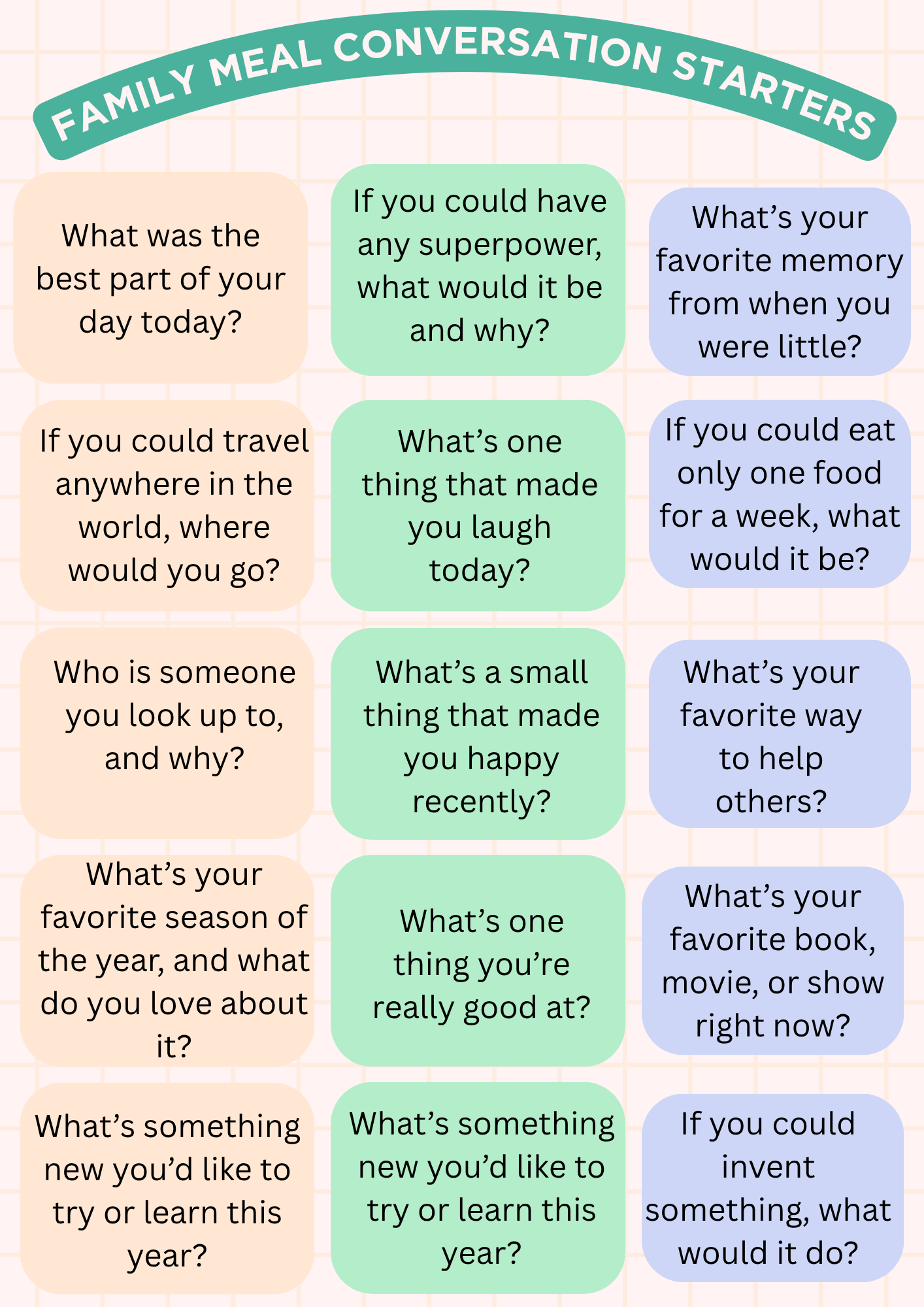
Here are a few family-friendly prompts you can use tonight:
1. “What’s one new thing you learned today?”
2. “If you could invent something to make life easier, what would it be?”
3. “What’s the kindest thing someone did for you this week?”
4. “If our family was a team, what would our team motto be?”
5. “What made you laugh the hardest today?”
These aren’t just questions—they’re brain and heart exercises wrapped in fun.
Make Mealtime Easier & More Meaningful
Here are some helpful tools that parents worldwide can use:
• Conversation Card Decks for Families – Ready-made prompts to spark laughter and deeper chats.

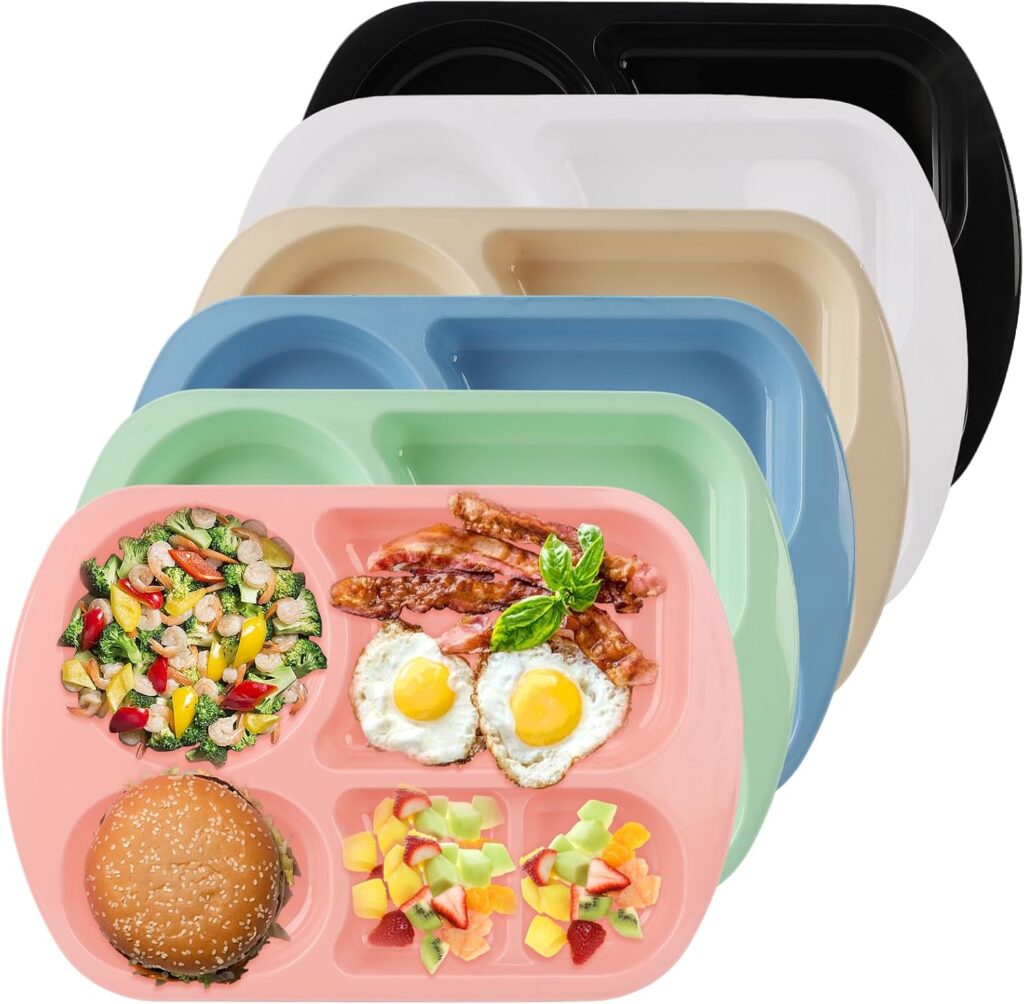
• Kid-Friendly Dinnerware – Fun plates and utensils encourage picky eaters to stay engaged.
• Family Recipe Books – Simple, nutritious recipes designed for busy parents.

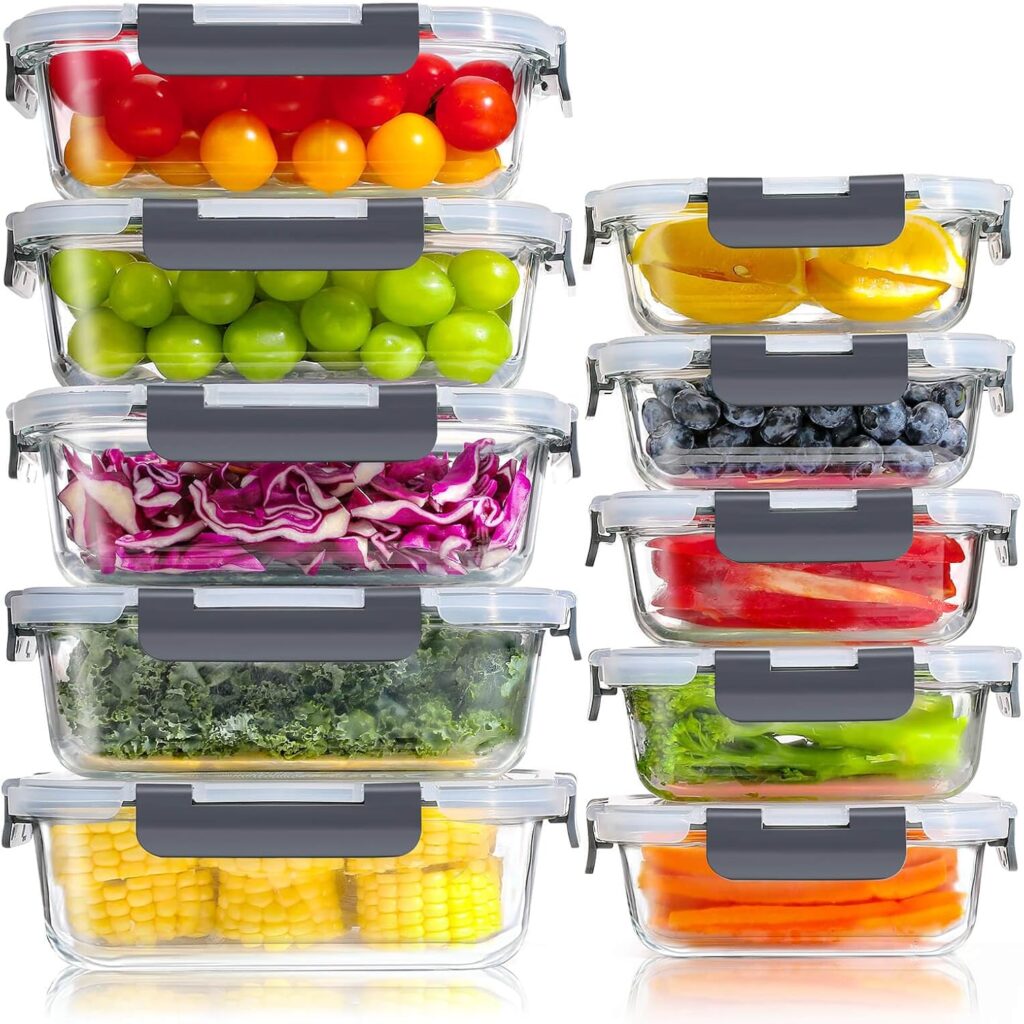
• Meal Prep Helpers – Bento lunchboxes, slow cookers, or instant pots for quicker family meals.
Freebies for Raising Smiles Parents 🎁
To help you bring this to life, here are three free printables we’ll be offering:
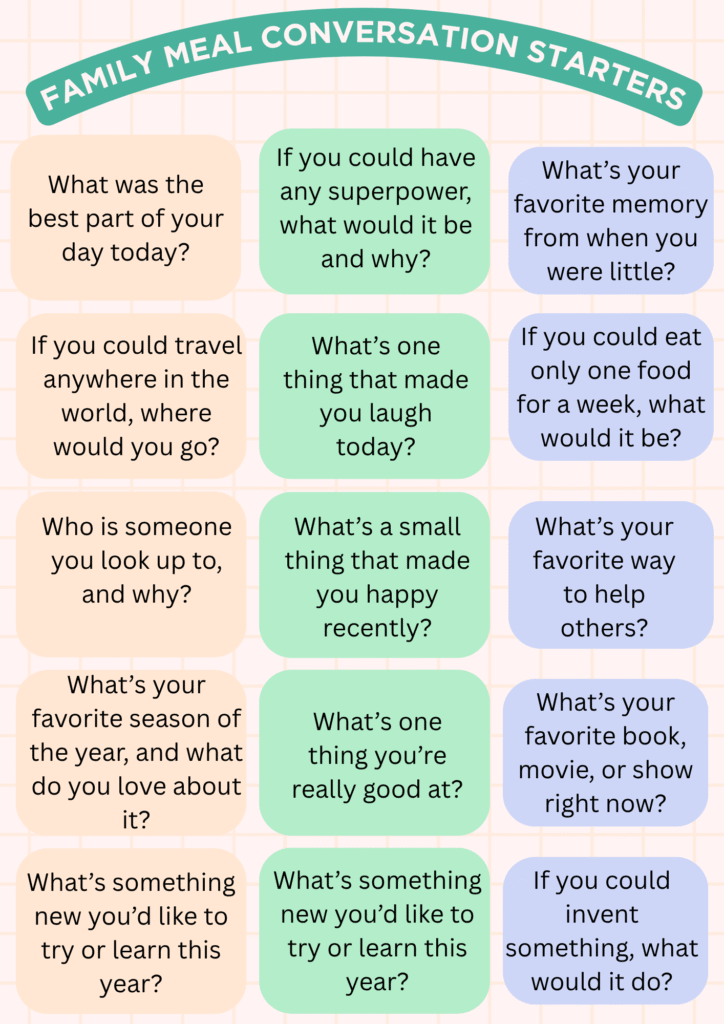
1. Family Meal Conversation Starters (Printable Cards) – 15 ready-to-cut prompts.
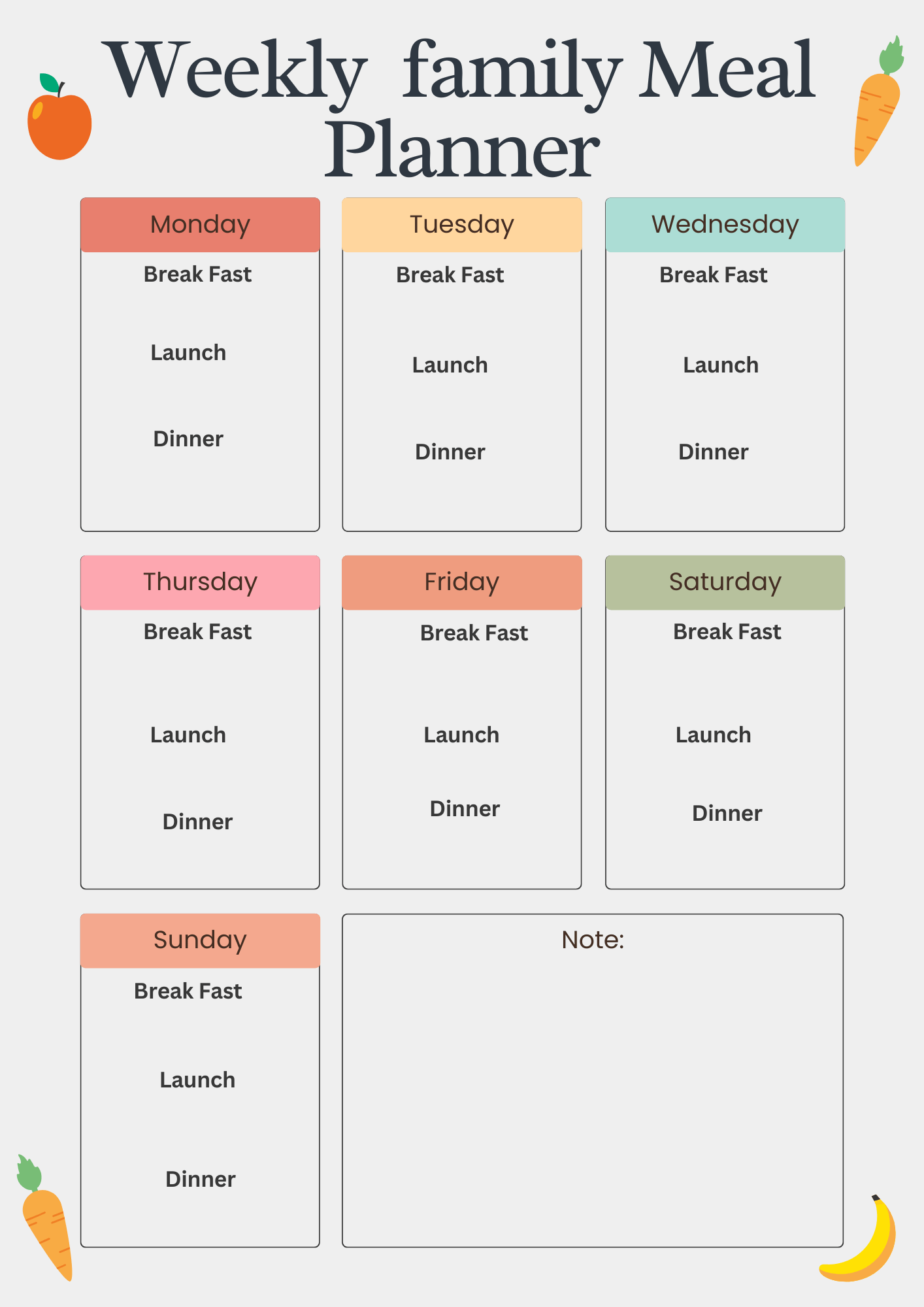
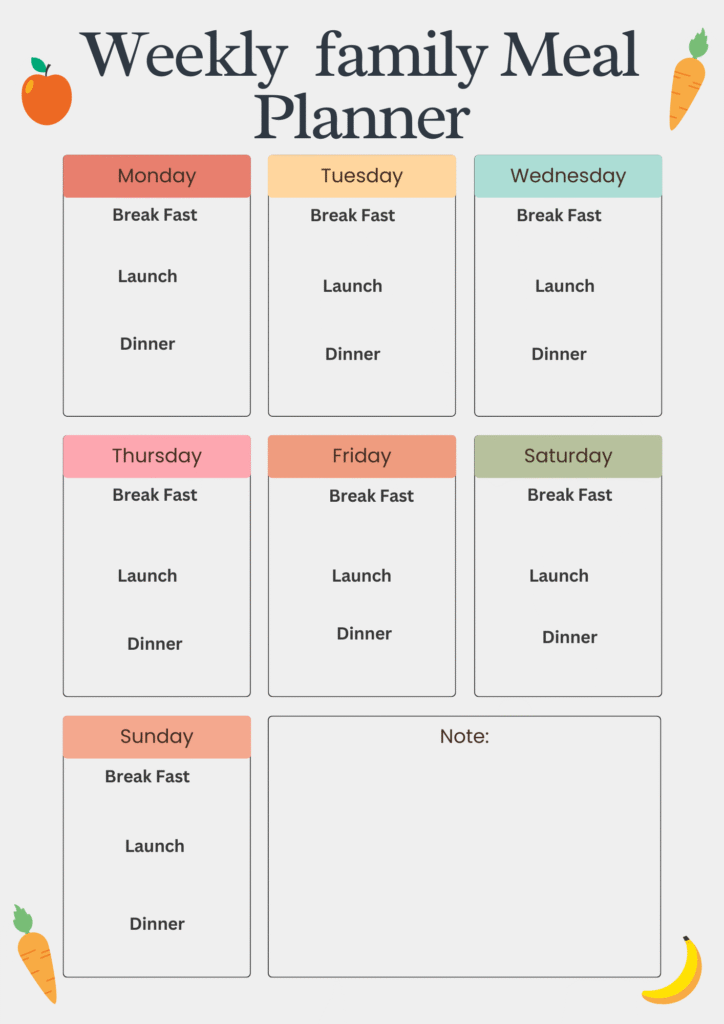
2. Weekly Family Meal Planner – A simple template to plan 3–4 shared meals.

Final Thoughts
In the rush of school runs, work schedules, and endless to-dos, it’s easy to overlook mealtimes. But family meals are one of the simplest, most impactful habits you can build. They nurture your child’s intellect and their heart, while also anchoring your family in love and connection.
So tonight, gather around the table—even if it’s for 20 minutes. The impact will last a lifetime.