


By Nonye Chukwujama
Every parent eagerly awaits their child’s first words, those magical moments when “mama” or “dada” fills the room with joy. But what happens when those words don’t come as expected? Speech delays affect 1 in 5 children, yet early intervention can make all the difference.
This comprehensive guide will help you:
1. Spot early signs of speech delays (and when to relax!)
2. Boost language skills with simple, play-based activities
3. Find trusted resources (including speech therapist-approved tools)
4. Read real parent success stories
Let’s unlock the power of communication together!
Why Early Speech Matters
The first 3 years of life are critical for brain development. During this time, children’s brains are wired to absorb language like sponges. Research shows that early intervention for speech delays can:
- Improve social skills and friendships
- Prevent frustration and tantrums (when kids can’t express needs)
- Boost school readiness (language = foundation for reading/writing)
Real Parent Story:
“My son wasn’t speaking at 18 months. I went to the pediatrician who told me to wait and see. This didn’t feel right, I knew something was wrong; I decided to follow my gut and insisted on an evaluation. My son got the right help he needed by 2 years of age, and by 2 years and 5 months he was chatting nonstop—early intervention was key!” – Sarah, mom of 2
Is It a Speech Delay? Key Milestones to Watch
By 12 Months:
- Says 1-2 words (e.g., “mama,” “dada”)
- Responds to their name
- Uses gestures (waving, pointing)
By 18 Months:
- Says 5-20 words
- Follows simple commands (“Give me the ball”)
By 2 Years:
- Combines 2 words (“More milk”)
- Names common objects (“dog,” “cup”)
Red Flags:
- No babbling by 9 months
- No words by 16 months
- Not pointing or gesturing by 12 months
Pro Tip: Track milestones with free apps like CDC’s Milestone Tracker
5 Play-Based Ways to Boost Speech at Home
1. Be a “Sports Commentator”
Narrate daily activities:
“Wow! You’re stacking the red block. Boom! It fell down!”
Why it works: Kids learn words in context.
2. The Power of Pause
After asking a question, wait 5 seconds—give them time to respond.
3. Sing Simple Songs
Nursery rhymes with actions (“Wheels on the Bus”) build rhythm + words.
4. Ditch the Pacifier
Excessive pacifier use can delay speech. Try limiting to naptime only.
5. Use “Sound Effects” Toys
Animal noises (“moo,” “woof”) and vehicle sounds (“vroom”) encourage imitation.
Affiliate Recommendation:
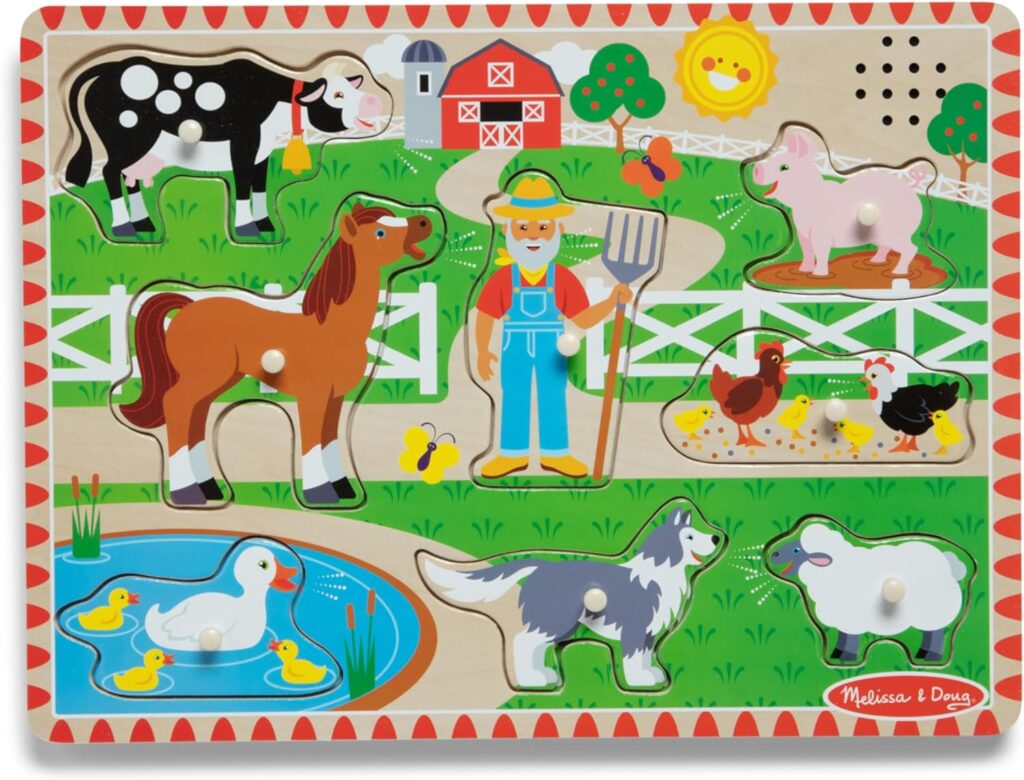
Melissa & Doug Sound Puzzles – Great for vocabulary!
Best Books and Flashcards to Encourage Early Talking
1. First Words Board Books
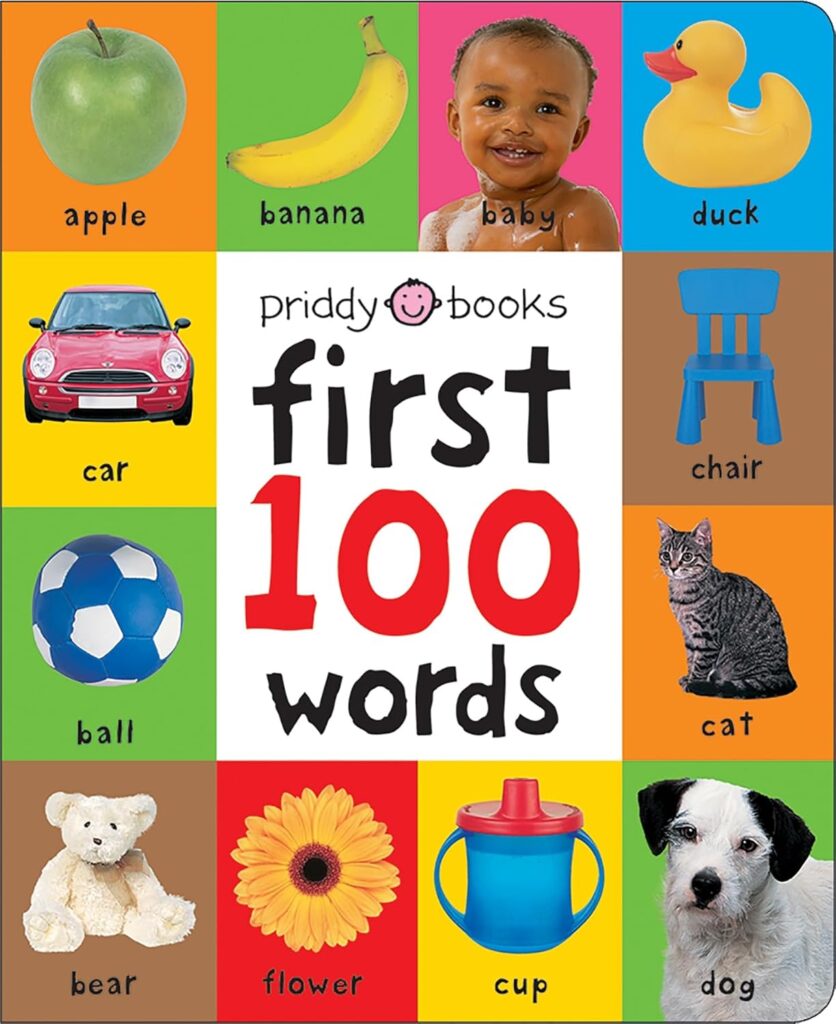
First 100 Words – Bright photos of everyday objects to name together.
Baby Touch and Feel: Animals – Textures + animal sounds boost engagement.

2. Interactive Flashcards
Talking Flashcards for Toddlers – Press buttons to hear words pronounced clearly.

Baby Sign Language Flashcards – Reduces frustration by teaching simple signs.

3. Sound Books
Moo, Baa, La La La! – Silly sounds make kids giggle and imitate.

Listen to the Farm – Real animal recordings spark vocal play.

Why These Work:
- Visual + auditory learning (double the input!)
- Hands-on interaction (flipping pages, pressing buttons)
- Speech therapist-approved (simple, repetitive words)
Parent Review:
Review 1
“The talking flashcards were a game-changer! My late talker started repeating words within a week.” – Lisa, mom of 2
Melissa & Doug Sound Puzzles – Talking Flashcard video
Review 2
As author of this blog post and mum of a toddler, I can’t advocate for something that I have not tried and tested. Below is a video of my toddler trying out his talking flashcards.
(Live video of myself using the talking Flashcards https://www.instagram.com/reel/DKh6tMMoXiE/?utm_source=ig_web_copy_link&igsh=MzRlODBiNWFlZA==)
When to Seek Help (And Where to Find It)
If your child is behind on milestones:
- Talk to your pediatrician
- Get a free evaluation:
- Early Intervention Program (ages 0-3): Find Your State’s Program
- School services (ages 3+): Call your local school authority
Speech Therapy Apps:
- Speech Blubs App (fun, science-backed)
- Magnetic Alphabet – Playful phonics practice.
Success Stories: Early Action = Big Results
Case 1:
- Issue: No words at 18 months
- Action: Used First 100 Words book + speech therapy
- Result: Speaking in sentences by age 3
Case 2:
- Issue: Struggled with pronunciation at 4
- Action: Practiced with talking flashcards daily
- Result: Clear speech by kindergarten
Our Free Resources to support speech delay
- Speech Developmental Milestones Printable Checklist: Speech Milestones PDF
- My First Words Speech Boosting cards: 20 Speech-Boosting Cards
Remember: You’re not alone! Many kids catch up with the right support.
You can also join Parent Support Groups on Facebook- Parents of Toddlers with speech delay (Late:Talkers)
Pin this for later or share with a parent who needs it!
Remember to Subscribe and sign up to our newsletter emails.
#SpeechDelay #EarlyIntervention #ToddlerTalk #ParentingWin #FirstWords


