By
Nonye Chukwujama
Why Social Confidence Matters More Than We Think
The first time I watched my son hide behind me at a birthday party, too shy to say hello, my heart broke a little. I wasn’t upset with him, I understood. Social settings can be overwhelming. But I also knew that learning to feel comfortable around others was as important as learning to read or write.
As parents, one of the biggest gifts we can give our children is social confidence, the ability to connect, communicate, and thrive in relationships. While academic skills matter, research consistently shows that children who are socially competent are more resilient, perform better in school, and have stronger mental health as they grow.
The good news? Social confidence isn’t something kids are either born with or without. It’s a skill, one we can nurture, strengthen, and guide step by step. If you’ve ever searched for parenting tips for shy kids or wondered about the best social skills activities for children, you’re in the right place.
At What Age Should Parents Start Teaching Social Skills?
The short answer: from toddlerhood, but what you teach depends on age and stage.
- Ages 1–3 (Toddlers): Laying the Foundation
At this age, kids are just starting to recognize emotions in themselves and others. Parents can:
- Name feelings out loud: “You’re upset because the toy fell.”
- Introduce turn-taking games: “My turn, your turn” with blocks or balls.
- Practice greetings: Encourage waving hello and goodbye.
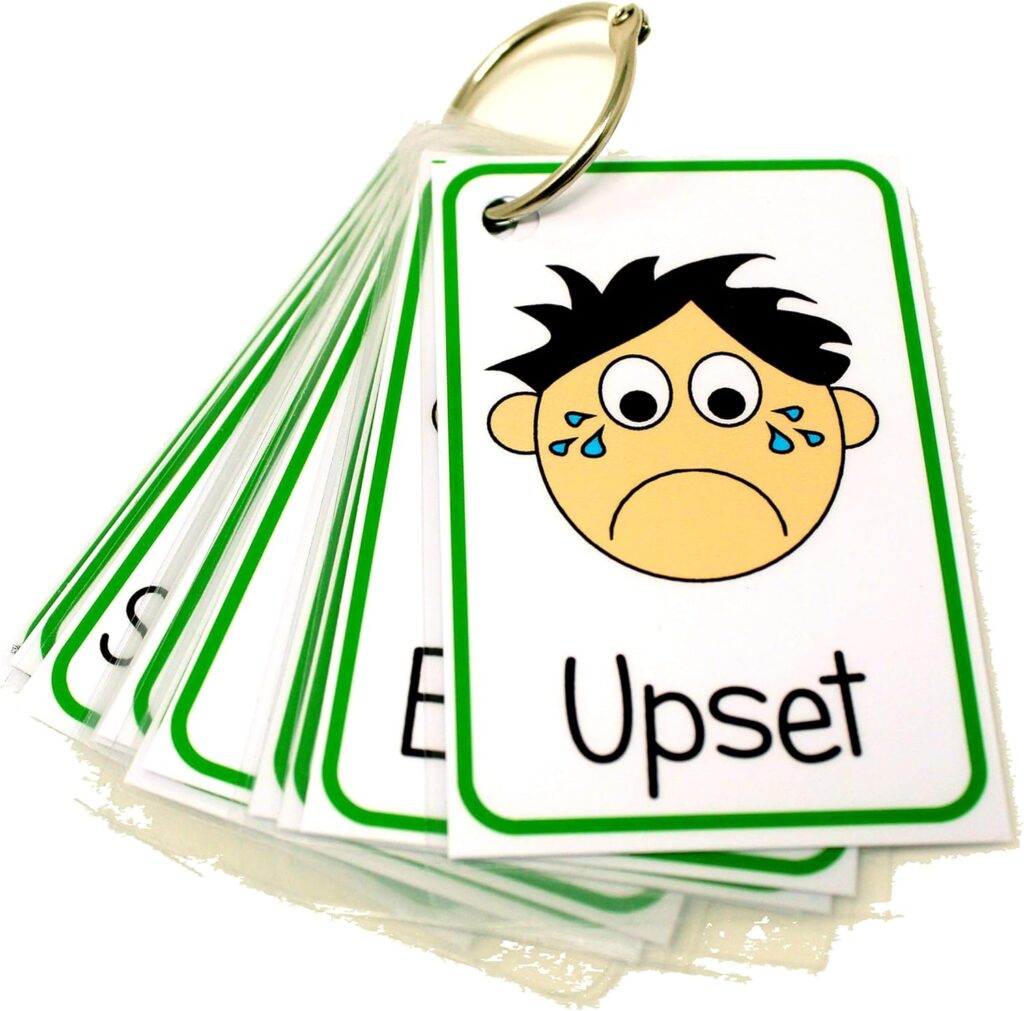
👉 Helpful tool: Toddler emotion flashcards like the Todd Parr Feelings Flash Cards are great for boosting emotional intelligence in children.
2. Ages 3–5 (Preschoolers): Sharing and Cooperative Play
Preschoolers are ready to move beyond parallel play into group play. Focus on:
- Sharing and teamwork during playdates.
- Role-play simple situations like sharing toys or asking to join a game.
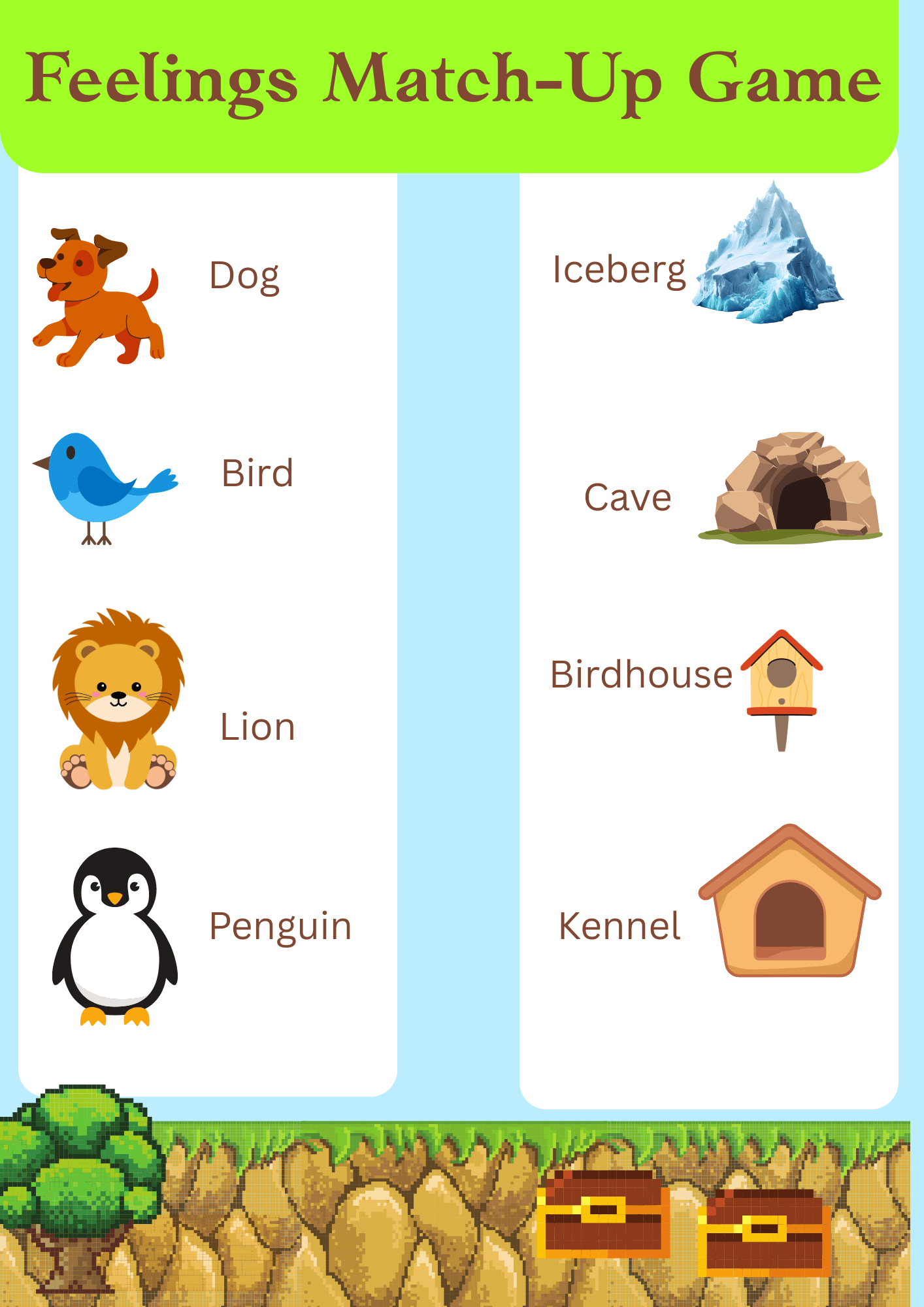
- Emotion flashcards to match faces with feelings.
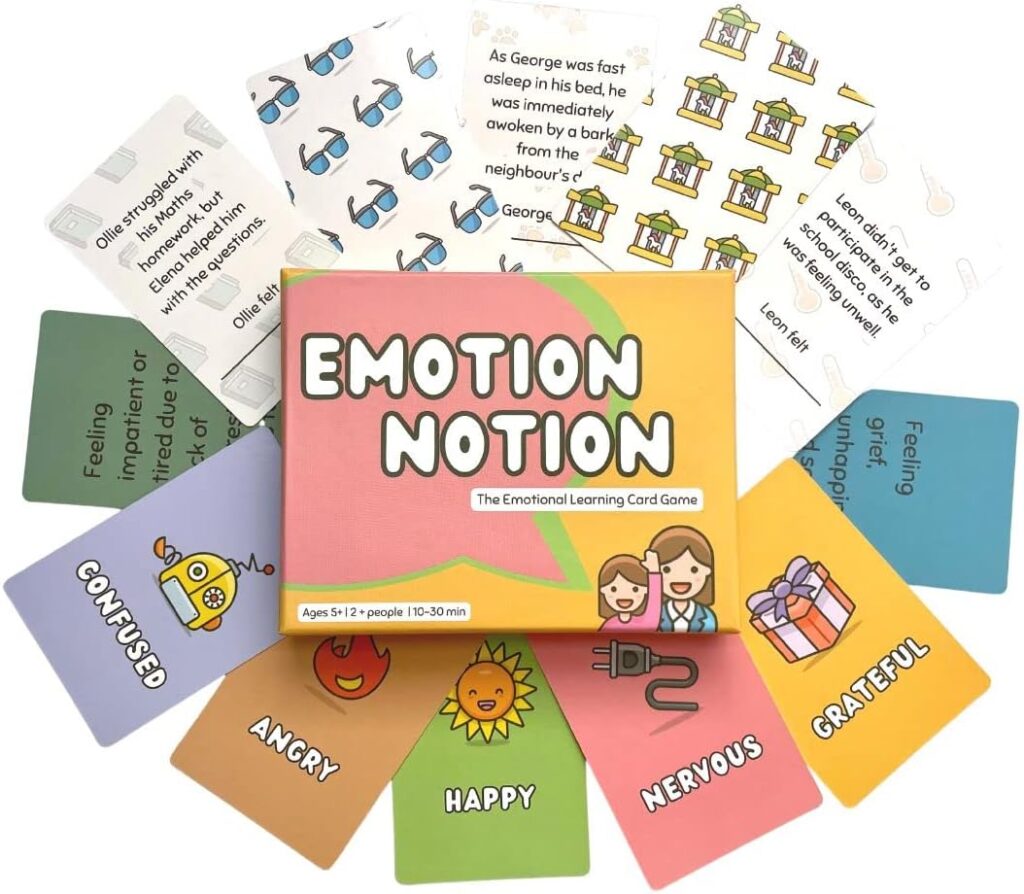
👉 Helpful tool: The Emotion Cards for Children (32-card set) is an easy way to start building child development social skills in fun ways.
3. Ages 6–9 (Early School Years): Building Conversations & Resilience
This is when friendships become more complex. Kids need to learn:
- Conversation skills: Practice scripts like “Can I play with you?” or “I felt sad when you…”
- Problem-solving when conflicts arise.
- Resilience when friendships hit bumps.
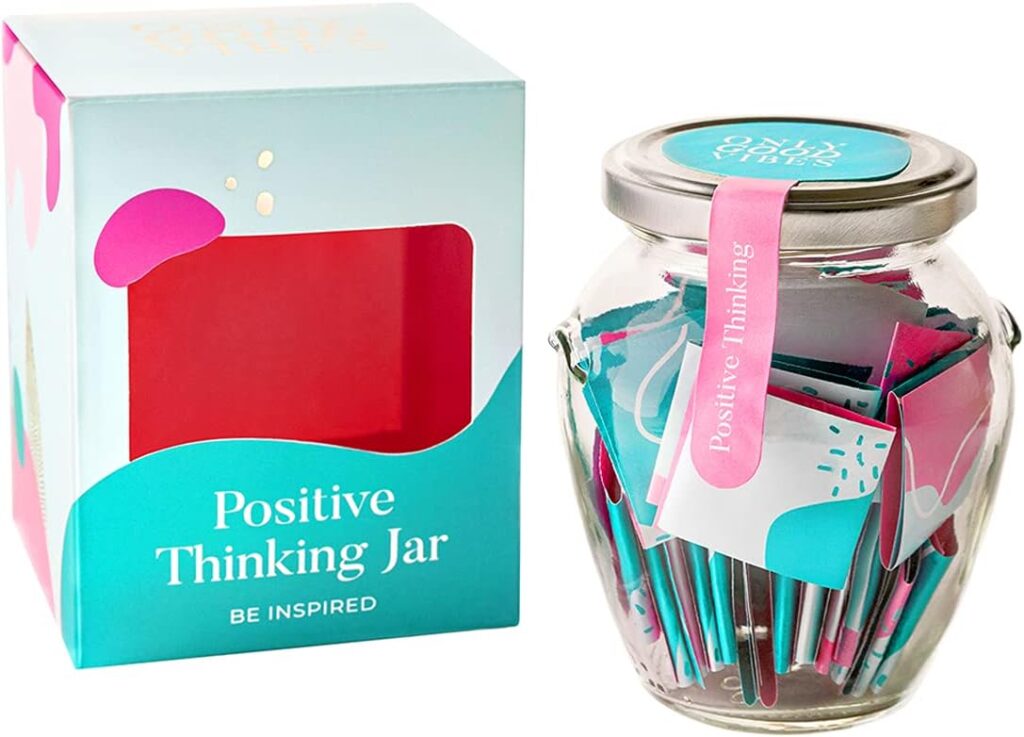
👉 Helpful Tool: A great idea is a Conversation Starters Jar. These simple conversation starters for kids help them open up and share more about their day.
4. Ages 10–12 (Preteens): Empathy, Peer Pressure & Conflict Resolution
Preteens face more complex issues like cliques, misunderstandings, and peer pressure. Help them by:
- Encouraging journaling about feelings.
- Practicing active listening during family conversations.
- Role-playing peer scenarios like saying no or resolving disagreements.
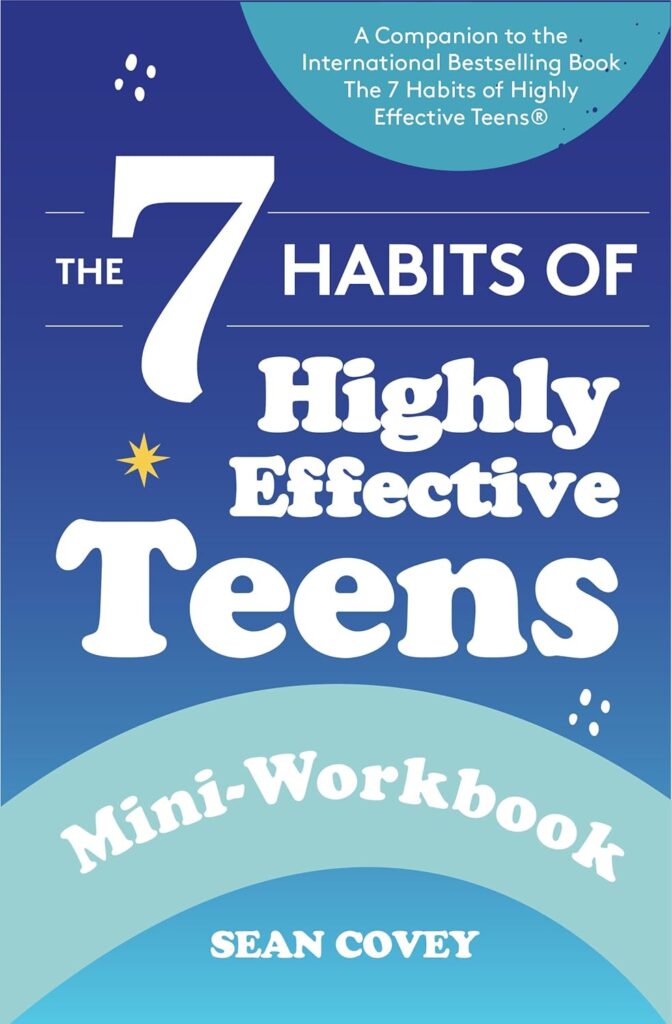
👉 Helpful Tip– Books like the 7 Habits of Highly Effective Teens and family-friendly games like Outfoxed! are some of the best cooperative games for families with older children.

Starting early sets the foundation, but it’s never too late to build these skills.
Why Building Social Confidence Early Matters
Children with strong social confidence are more likely to:
- Form healthy friendships.
- Cope better with disappointment and conflict.
- Work effectively in groups at school.
- Have higher self-esteem and lower anxiety.
In other words, if you’re focused on raising confident kids, social confidence is just as essential as academics. A child who learns to recognize feelings, speak up kindly, and collaborate is better equipped for playgrounds, classrooms, and later workplaces and relationships.
Simple Everyday Ways to Nurture Social Skills
Here are parent-tested ideas you can start this week:
1. Feelings Flashcards (Ages 3+)
- Spend five minutes matching faces with words.
- Ask your child: “When did you feel like this?”
👉 Emotion Cards for Children, 32-card set – for ages 3-6.
- Spend a few minutes each day pulling one card and talking about the emotion. This boosts emotional literacy.
2. Conversation Starters Jar (Ages 5+):
- Write or print simple questions like “What made you laugh today?” or “If you were a superhero, what would your power be?”
- Pull one card at mealtimes to spark discussions.
👉 Todd Parr Feelings Flash Cards- bright, simple cards ideal for toddlers and preschoolers; helpful for bedtime routines.
3. Cooperative Games (Ages 4+):
- Instead of “winner takes all,” try games where the family works together. Hoot Owl Hoot is perfect for little ones, while “Outfoxed!” works for school-age kids.
- 👉 Peaceable Kingdom “Dinosaur Escape” Cooperative Memory Game – a fun family game where everyone works together. Helps kids practise turn-taking, sharing, and cooperative thinking.
4. Role-Play (All Ages):
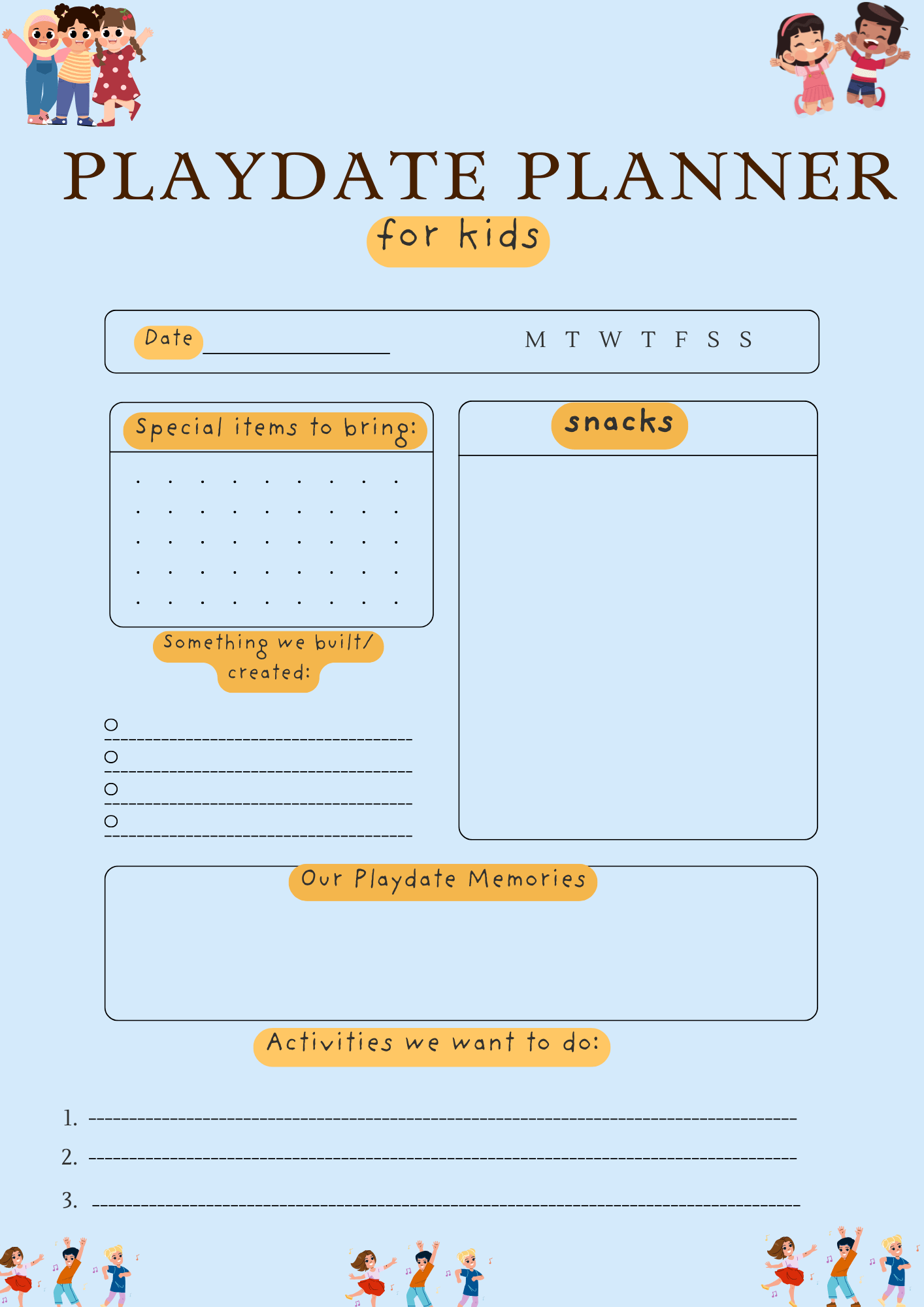
- Practice common tricky moments: asking to join a game, dealing with toy snatching, or saying sorry. Use our Playdate Planner printable to prepare for real social settings.
Parent Review: “It Changed Our Family Conversations”
I started using conversation starter cards with my 7-year-old, and it completely changed dinner time. Instead of one-word answers, she began opening up about her day. The role-play prompts also helped her ask to join games at school without feeling shy. We’ve seen her confidence bloom, and her teacher noticed the difference too.” — Sarah M., mum of two
Free Printables for Parents
We’ve created a 3-page printable pack with:


✅ Playdate Planner & Role-Play Prompts
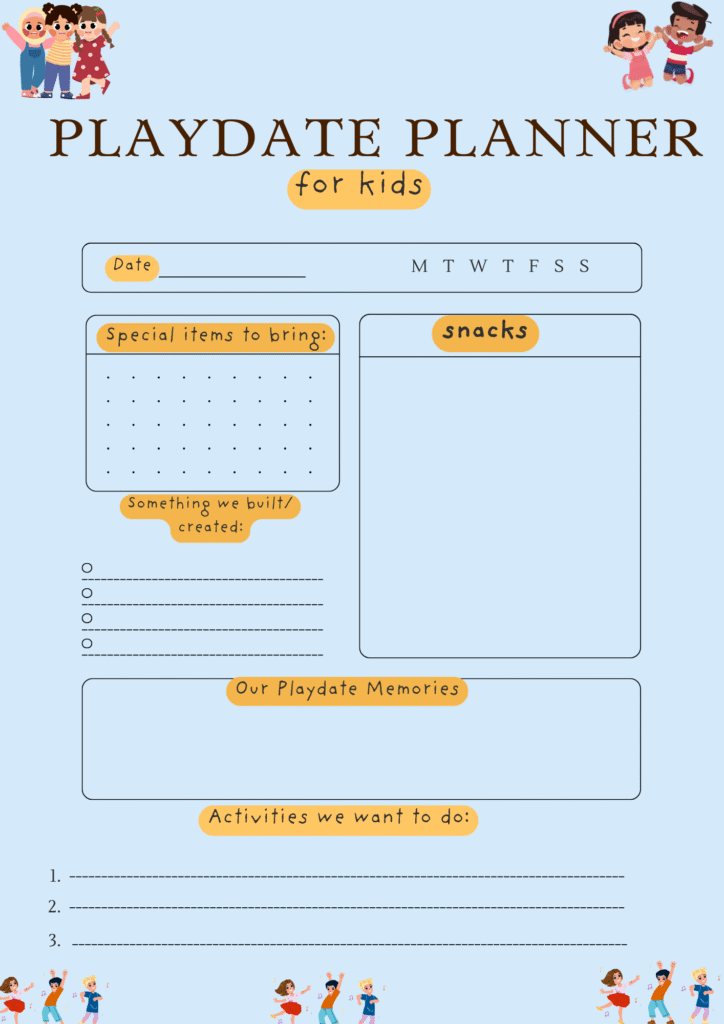
👉 Download the Raising Smiles Social Skills Printables
These are quick, screen-free social skills activities for children that parents can use at home. Don’t forget to share with friends and fellow parents who want help with raising confident kids.
Final Thoughts
Social confidence doesn’t happen overnight—it’s built one conversation, one game, and one kind interaction at a time.
Whether your child is a toddler just learning to share, or a preteen navigating playground politics, the same truth holds: with guidance, patience, and practice, every child can grow into a socially confident young person.
Start small today: name a feeling, play a cooperative game, or role-play a tricky moment. Over time, these little lessons add up to a big difference.