TABLE OF CONTENTS
- A Gentle Beginning: A Story Many Parents Can Relate To
- Why Pressure Backfires in Childhood Learning
- What a True Love of Learning Looks Like
- Creating a Learning-Friendly Home Environment
- The Role of Play in Natural Learning
- Common Parenting Mistakes That Quietly Affect a Child’s Love for Learning
- How Children Develop Strong and Healthy Learning Habits
- Supporting Learning at Different Stages of Childhood
- Common Parenting Struggles and Practical Solutions
- Recommended Learning Tools and Resources
- What Other Parents Are Saying
- Creating a Long-Term Learning Mindset
- Free Resources for Parents
A Gentle Beginning: A Story Many Parents Know
Many parents begin their journey with the best intentions. A new workbook is bought. Flashcards are introduced. Educational videos are queued up. At first, everything feels hopeful. Then resistance appears. The child avoids activities, loses interest, or becomes anxious around anything labeled “learning.” This moment is familiar in many homes. It is not a sign of failure. It is often a sign that pressure has replaced curiosity.
Parents across different cultures and backgrounds share similar experiences. Some notice their child thrives when learning feels playful but shuts down when expectations increase. Others observe that children ask deep questions during casual moments but go silent during structured lessons. These patterns are not accidental. They reveal how children are wired to learn.
Why Pressure Backfires In Childhood Learning
Modern parenting culture often emphasizes early achievement. However, research consistently shows that pressure-based learning reduces motivation, creativity, and confidence. When children feel evaluated instead of supported, their brains shift into stress mode. In this state, learning becomes difficult.
Pressure often appears in subtle ways; correcting too quickly, comparing siblings, pushing milestones, or tying praise only to performance. Over time, children may begin to associate learning with fear of failure rather than joy.
What Love Of Learning Really Looks Like
A child who loves learning is not necessarily ahead academically. Instead, this child:
– Asks questions freely
– Experiments without fear of mistakes
– Engages deeply in interests
– Shows persistence
– Enjoys discovery
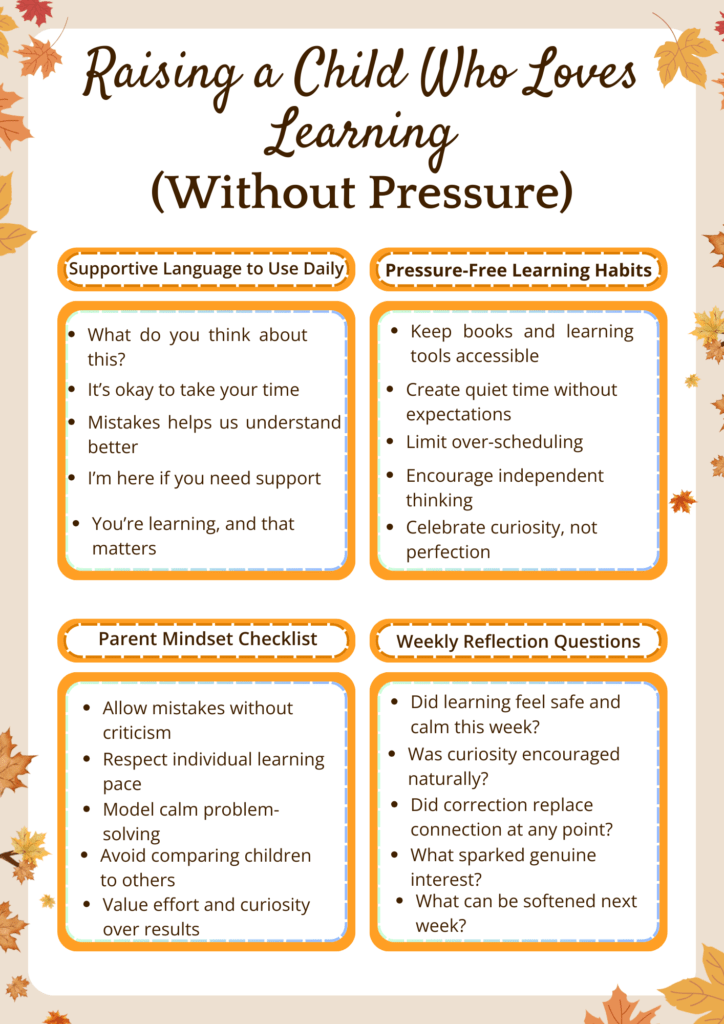
This love grows when learning feels safe, meaningful, and connected to real life. Parents do not need to become teachers. They become facilitators of curiosity.
Building A Learning-Friendly Home Environment
A learning-friendly home does not require expensive materials. It requires intention. Everyday routines can become opportunities for learning when children feel included.
Simple strategies include:
– Keeping books within easy reach
– Encouraging questions without rushing answers
– Valuing effort over outcomes
– Allowing children to explore interests deeply
The Role Of Play In Natural Learning
Play-based learning is one of the most searched parenting topics today, and for good reason. Through play, children develop problem-solving skills, language, emotional regulation, and creativity.
Pretend play builds storytelling and social understanding. Building toys strengthen spatial skills. Outdoor play supports physical and cognitive development. Learning through play allows children to remain engaged without pressure.
Mistakes Parents Make That Quietly Affect Their Child’s Love for Learning
1.Turning Learning Into Pressure
When learning is rushed or forced, children focus on avoiding failure instead of understanding. Over time, curiosity fades.
What helps instead:
Support progress, not speed.
2. Correcting Too Quickly
Constant correction sends the message that mistakes are not allowed. This can create fear, hesitation, and self-doubt.
What helps instead:
Allow thinking time before stepping in.
3. Comparing Them to Others
Comments like “Your cousin learned this already” quietly damage confidence and motivation.
What helps instead:
Respect individual learning pace and strengths.
4. Linking Praise Only to Results
When praise is tied only to outcomes, children may avoid challenges they might not “win.”
What helps instead:
Praise effort, curiosity, and persistence.
5. Expecting Adult Focus From a Child
Children are still developing attention and emotional regulation. Unrealistic expectations lead to frustration on both sides.
What helps instead:
Adjust expectations to developmental stage.
6. Reacting Strongly to Mistakes
Harsh reactions can make children hide errors instead of learning from them.
What helps instead:
Respond calmly and treat mistakes as learning signals.
7. Over-Scheduling Every Moment
Too much structure leaves little space for reflection, creativity, and independent thinking.
What helps instead:
Protect unstructured, calm time.
- Children Learn Best When They Feel Safe
- Emotional safety builds confidence. Confidence fuels learning.
- Raising a lifelong learner starts with reducing pressure.
- Save this post • Share with other parents • Download our free Pressure-Free Learning Guide
How Children Develop Strong Learning Habits
Children develop strong learning habits through:
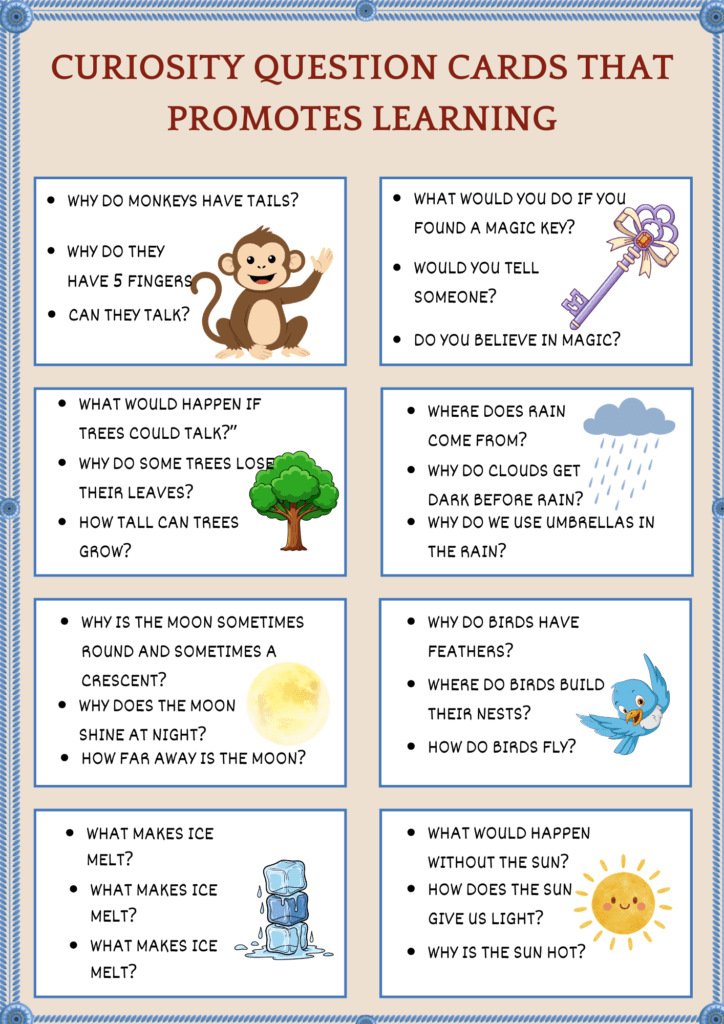
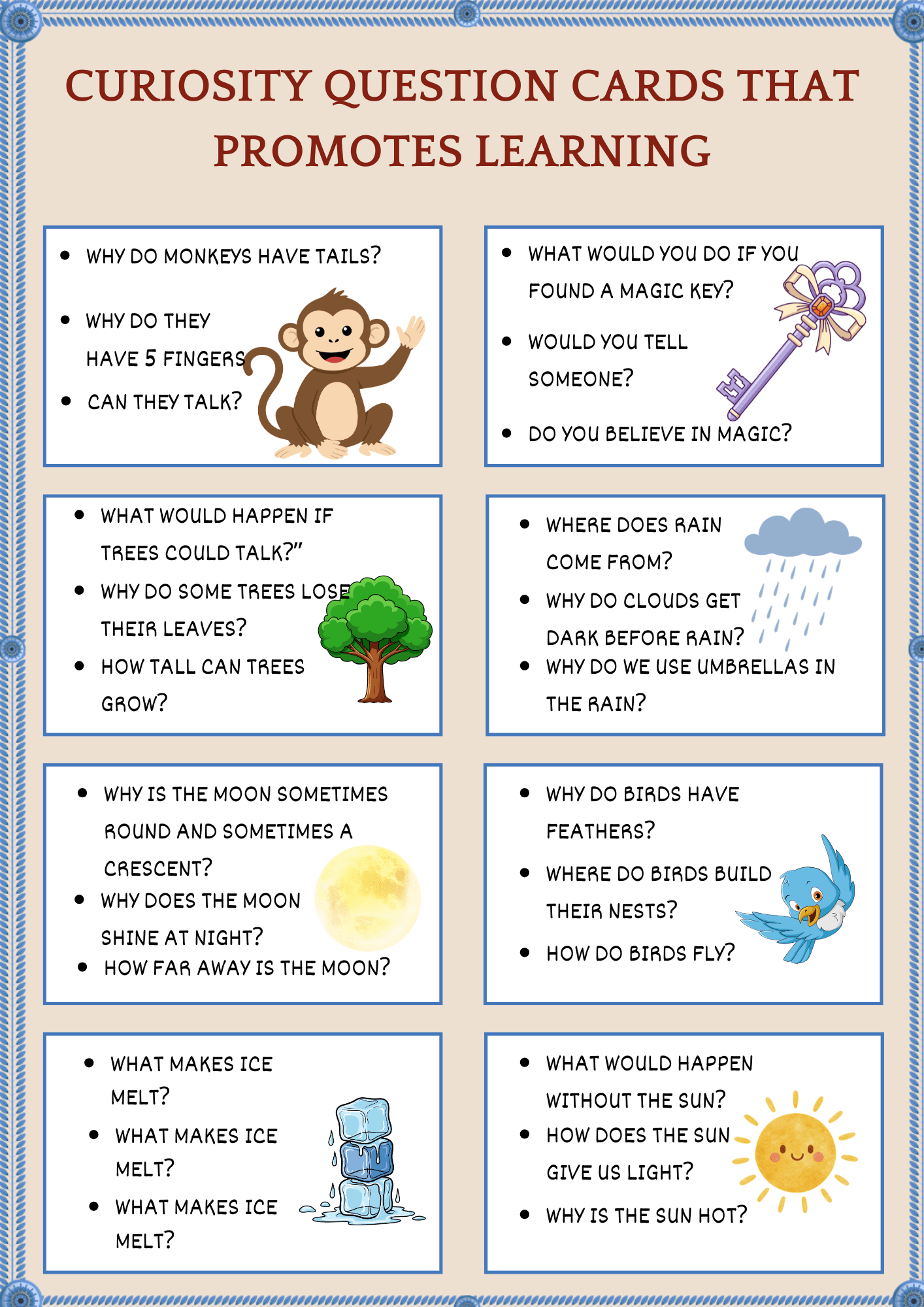
a. LANGUAGE, CURIOSITY, AND EVERYDAY CONVERSATIONS– Talking during meals, walks, or chores exposes children to new words and ideas naturally. Open-ended questions such as “What do you think will happen?” invite thinking without testing.
b. EMOTIONAL SAFETY (THE HIDDEN FOUNDATION OF LEARNING)– Children learn best when they feel emotionally safe. Emotional safety means being accepted even when mistakes happen. When parents respond calmly to errors, children become more willing to try again.
This safety builds resilience, a key predictor of long-term academic and life success.
Supporting Learning At Different Ages
- Toddlers benefit from sensory play, songs, and routines.
- Preschoolers thrive with storytelling and imaginative play.
- School-age children need autonomy, encouragement, and support for interests.
Common Parenting Struggles And Practical Solutions
Problem: Child resists learning activities.
Solution: Shift from instruction to exploration.
Problem: Fear of falling behind.
Solution: Focus on skill-building rather than speed.
Problem: Limited time.
Solution: Use daily routines as learning moments.
Recommended Learning Tools And Resources
These tools support learning without pressure and can be linked as affiliate products:
- Open-Ended Building Toys
Help children explore creativity, problem-solving, and independent thinking through hands-on play.

- Children’s Storybooks
Support language development, imagination, and emotional understanding through engaging stories.

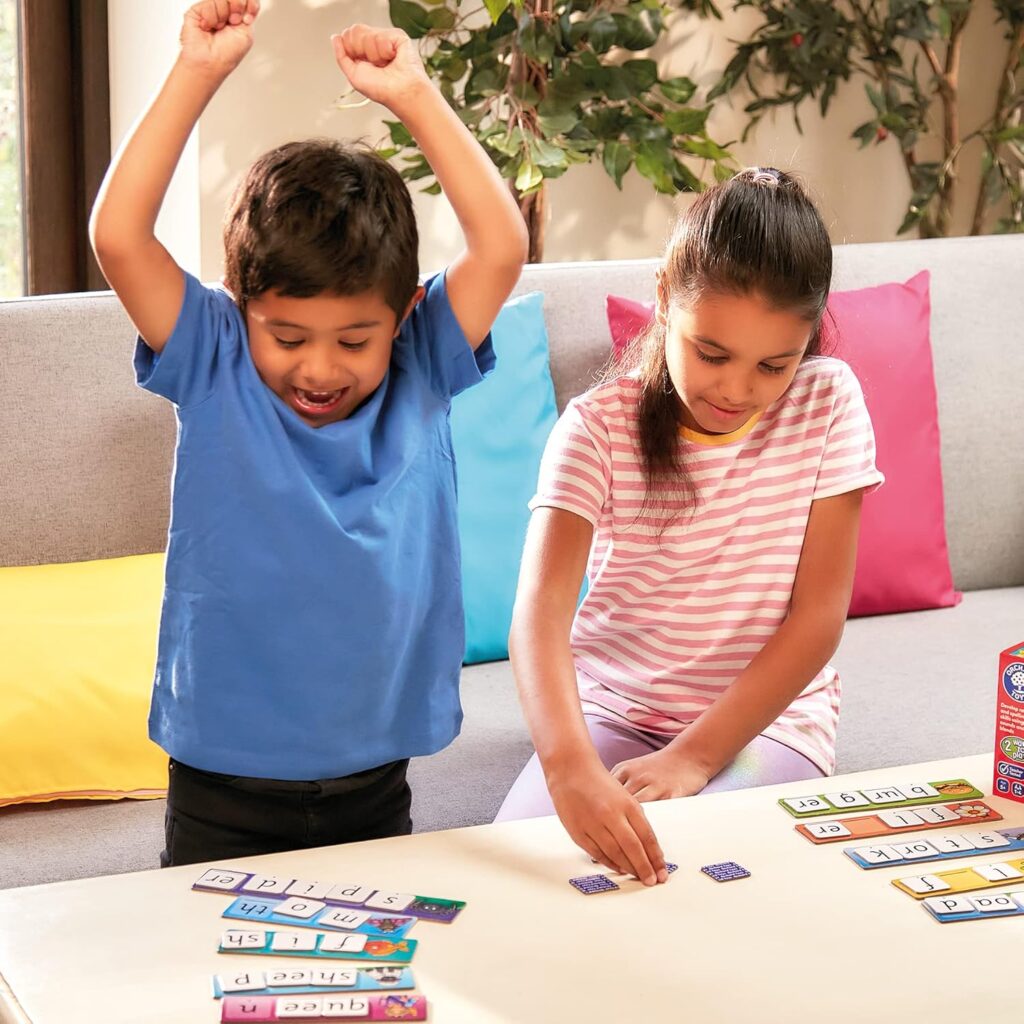
- Educational Games
Make learning fun while building skills like memory, logic, teamwork, and focus.
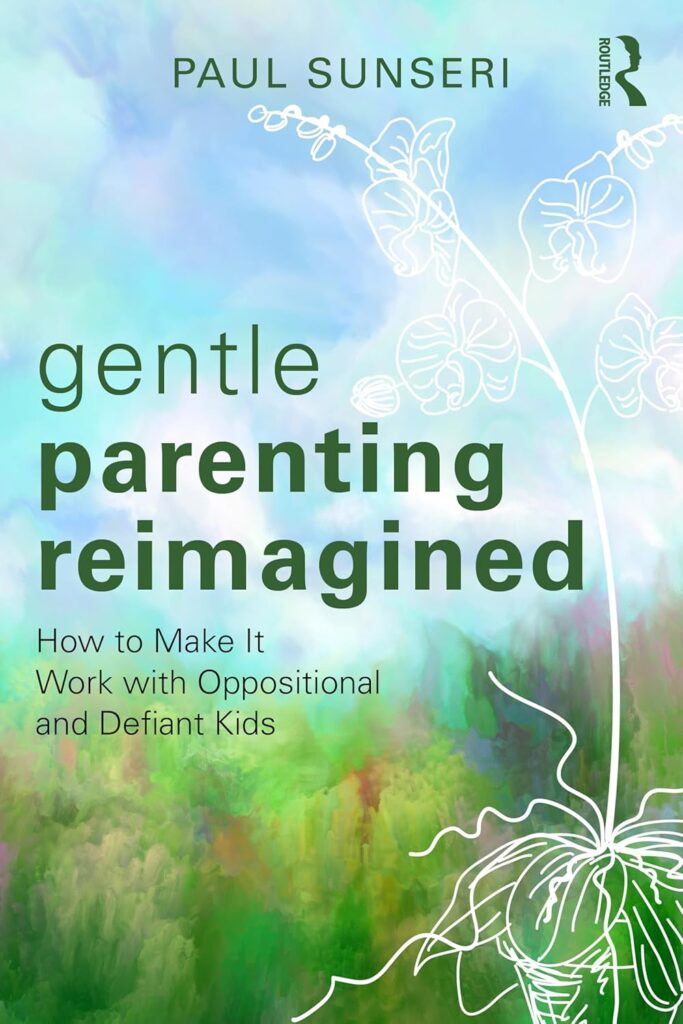
- Parenting Books on Gentle Learning
Offer practical guidance on nurturing curiosity, emotional growth, and positive learning habits at home.
What Other Parents Are Saying
Many parents report improved cooperation and curiosity after removing pressure. Reviews often highlight stronger parent-child relationships and reduced anxiety around learning.
“After shifting away from constant correction, Daniel saw his child become more confident and willing to explore new ideas. Learning turned into a positive experience, and their relationship grew stronger.“
Daniel, father of one (Toronto)
Creating A Long-Term Learning Mindset
Raising a lifelong learner is about consistency, patience, and trust. When children feel supported rather than pushed, learning becomes part of who they are.
So today, let’s focus on:
- Consistency
- Patience
- Trust in their abilities
Free Resources For Parents
Freebie ideas: