How simple routines boost brain development, language, problem-solving, and confidence, without pressure, overwhelm, or worksheets.
Content
- Introduction: Why Tiny Habits Matter
- The Science of Daily Habits and Toddler Brain Growth
- Parent Story: “I Didn’t Realize the Small Things Counted So Much”
- Morning Habits That Boost Thinking Skills
- Afternoon Habits That Strengthen the Brain
- Evening Habits That Build Reflection and Memory
- The Most Overlooked Habit That Builds Smarter Thinkers
- Tools and Items That Support Healthy Thinking Habits
- Common Problems Parents Face & Simple Solutions
- Final Thoughts
- Freebie: Smart Habits Tracker
Introduction: Why Tiny Habits Matter
There is a common belief in parenting that children learn best through structured lessons, worksheets, or long educational activities. But decades of research tell a different story. Toddlers learn fastest through small, repeated habits woven into daily routines. These everyday moments; getting dressed, playing, helping with chores, sharing stories at night, activate the brain far more than formal tasks.
A simple habit done consistently teaches toddlers how the world works, how to solve problems, and how to understand language and emotions. The brain responds to repetition, predictability, and meaningful interaction; things parents already do at home.
This blog helps parents see that raising a smart thinker doesn’t require a perfect schedule, expensive programs, or complicated activities. Toddlers grow smarter through little habits layered throughout the day.
If you’ve ever wondered:
“How do I help my toddler learn without overdoing it?”
This guide is for you.
The Science of Daily Habits and Toddler Brain Growth
The toddler brain grows faster than at any other point in life. By age three, it reaches nearly 80% of its adult size. What shapes that growth is not the number of lessons a child completes, but the number of meaningful interactions they experience.
Here’s what research shows:
1. Repetition builds memory.
Simple routines strengthen neural pathways, making it easier for toddlers to understand language, follow steps, and stay focused.
2. Predictability reduces stress.
When toddlers know what comes next; morning dressing, afternoon play, bedtime stories, the brain relaxes and learns better.
3. Active play builds thinking skills better than worksheets.
Movement, talking, problem-solving, and pretend play activate multiple brain systems.
4. Tiny boosts throughout the day matter more than long sessions.
Three minutes of sorting, five minutes of storytelling, ten minutes of outdoor play; these small blocks add up.
When parents understand the power of small habits, daily life becomes a natural classroom.
Parent Story: “I Didn’t Realize the Small Things Counted So Much”
A parent recently shared a story that describes this beautifully.
Her toddler struggled with focus and language. She thought she had to create long, structured lessons or sit with flashcards.
But once she started using tiny habits; letting her toddler choose between two outfits, talking through the morning routine, involving her in sorting socks, cooking simple meals together, she saw a big shift.
Her toddler became more talkative. The child began asking questions, noticing patterns, and solving problems during play. The parent said, “I didn’t realize the small things counted so much. It was the everyday moments that made the biggest change.”
This story reflects what many parents experience. Toddlers learn through daily life; not pressure.
Morning Habits That Boost Thinking Skills
Morning is the brain’s freshest moment. Toddlers are alert, curious, and ready to absorb new information. Here are the strongest morning thinking-boosters.
Habit 1: Narrate the Morning Routine
Talking through simple steps helps toddlers build language pathways.
For example:
“Let’s put on your shirt. First the head, then the arms.”
“Let’s brush your teeth. Up, down, around.”
“Let’s open the curtains. Now the sun is coming in.”
This builds vocabulary, sequencing skills, and understanding.
Habit 2: Offer Two Choices
Choice-making is one of the easiest ways to strengthen decision-making skills.
“Red shirt or blue shirt?”
“Banana or apple?”
It supports independence and reduces power struggles, while helping toddlers think intentionally.
Habit 3: Five Minutes of Open-Ended Play
Blocks, dolls, cars, containers, play kitchen tools, anything that lets the child lead.
This short window increases:
• creativity
• problem-solving
• attention span
• confidence
It only takes a few minutes, but consistency matters.
Habit 4: Simple Morning Responsibility
Toddlers love helping. Giving one predictable task each morning builds executive functioning.
Examples:
• putting pajamas in the basket
• arranging cushions
• placing cups on the table
These tasks practice planning, memory, and self-control.
Afternoon Habits That Strengthen the Brain
Afternoons are perfect for movement, play, and exploration. These habits create strong learning foundations.
Habit 1: Outdoor Play
Outdoor play builds thinking skills faster than most structured activities.
Running, climbing, balancing, and exploring strengthen the brain’s ability to:
• solve problems
• judge distances
• plan actions
• regulate emotions
Nature is a natural learning lab.
Habit 2: Music + Rhythm Time
Clapping patterns, drumming on containers, nursery rhymes, and dancing all activate memory and language systems.
The brain responds powerfully to rhythm because it supports:
• speech
• attention
• coordination
• listening skills
Five minutes makes a difference.
Habit 3: Sorting, Matching, or Categorizing
Sorting socks, matching lids to containers, or grouping toys by color teaches:
• early math
• logic
• spatial skills
• attention
These everyday tasks are far more effective than worksheets.
Habit 4: Storytime or Pretend Play
Imagination helps the brain connect ideas.
Pretend play supports language, emotional intelligence, and creativity.
Storytime introduces new vocabulary, new ideas, and memory skills.
Evening Habits That Build Reflection and Memory
Evenings offer calm moments for deep learning through connection.
Habit 1: Cook or Prepare Something Together
Toddlers learn naturally from food preparation.
Counting, describing textures, naming steps, smelling ingredients; all these experiences build cognitive pathways.
Habit 2: Talk About the Day
Reflection strengthens memory.
Ask simple questions:
“What did you enjoy today?”
“What did you notice outside?”
This builds emotional awareness and thinking skills.
Habit 3: Quiet Puzzle or Focus Play
Even 4–5 minutes of simple puzzles strengthen:
• persistence
• early reasoning
• patience
• fine motor control
Habit 4: Bedtime Story
Stories are one of the most powerful brain-building tools.
They boost vocabulary, empathy, and imagination.
They calm the nervous system, preparing the brain for sleep and memory storage.
The Most Overlooked Habit That Builds Smarter Thinkers
Parents often overlook one key habit:
Letting toddlers help with tiny chores.
Chores build thinking skills because they require:
• sequencing
• decision-making
• memory
• motor planning
• emotional regulation
Toddlers learn to think, plan, and take responsibility.
Examples:
• pairing socks
• wiping a small spill
• putting spoons in a drawer
• handing you vegetables
• throwing away paper
This simple habit strengthens multiple brain systems at once.
Tools and Products That Support Smart Thinking Habits
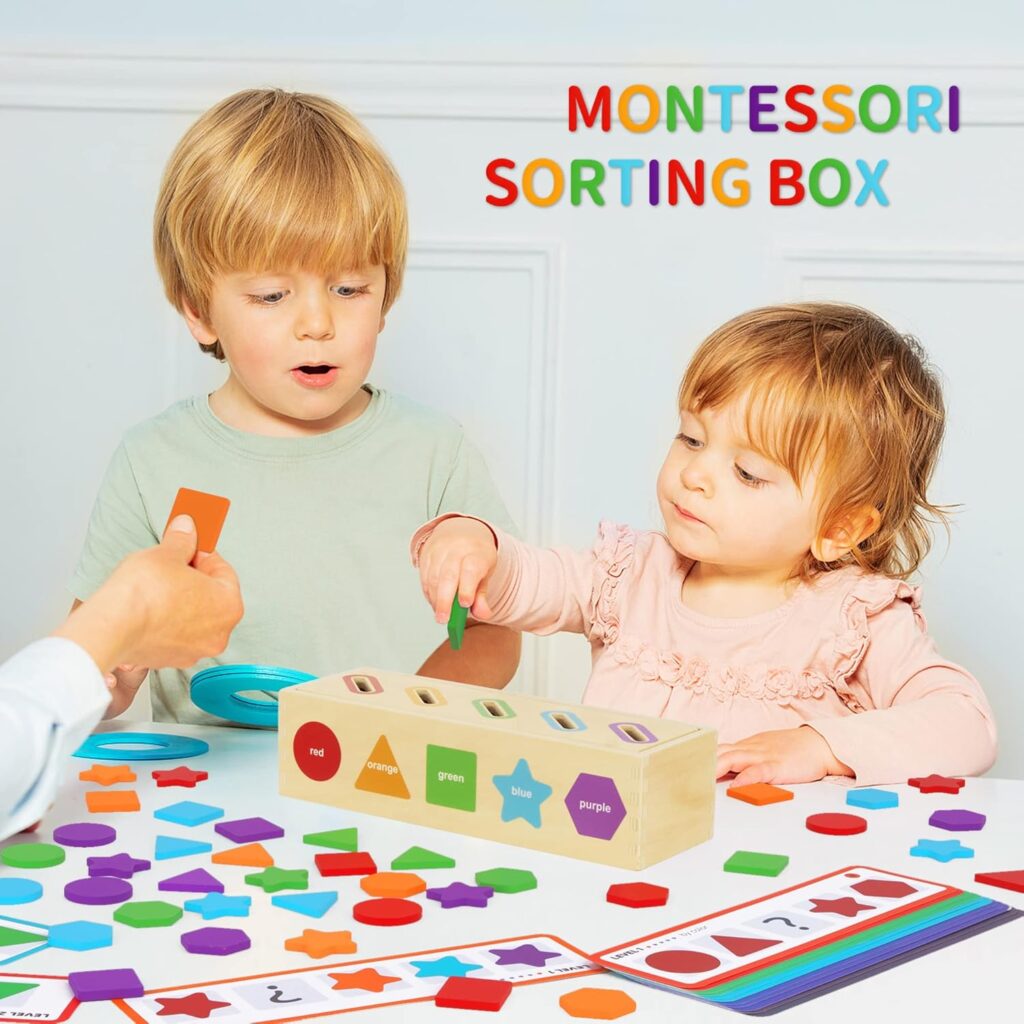
1. Open-ended toys
Help toddlers explore, solve problems, and think creatively.
Blocks, wooden toys, doll sets, stackers.
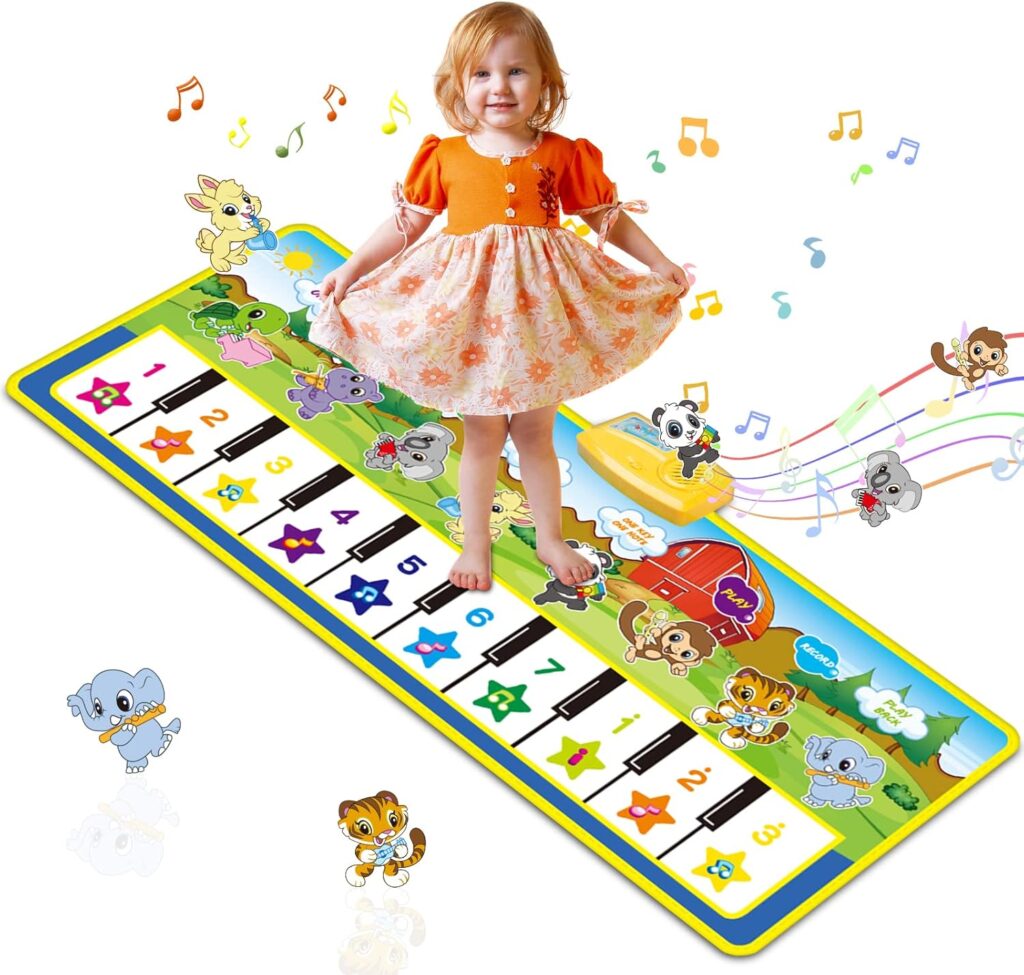
2. Music toys
Support rhythm, speech, and memory.
Drums, shakers, tambourines.
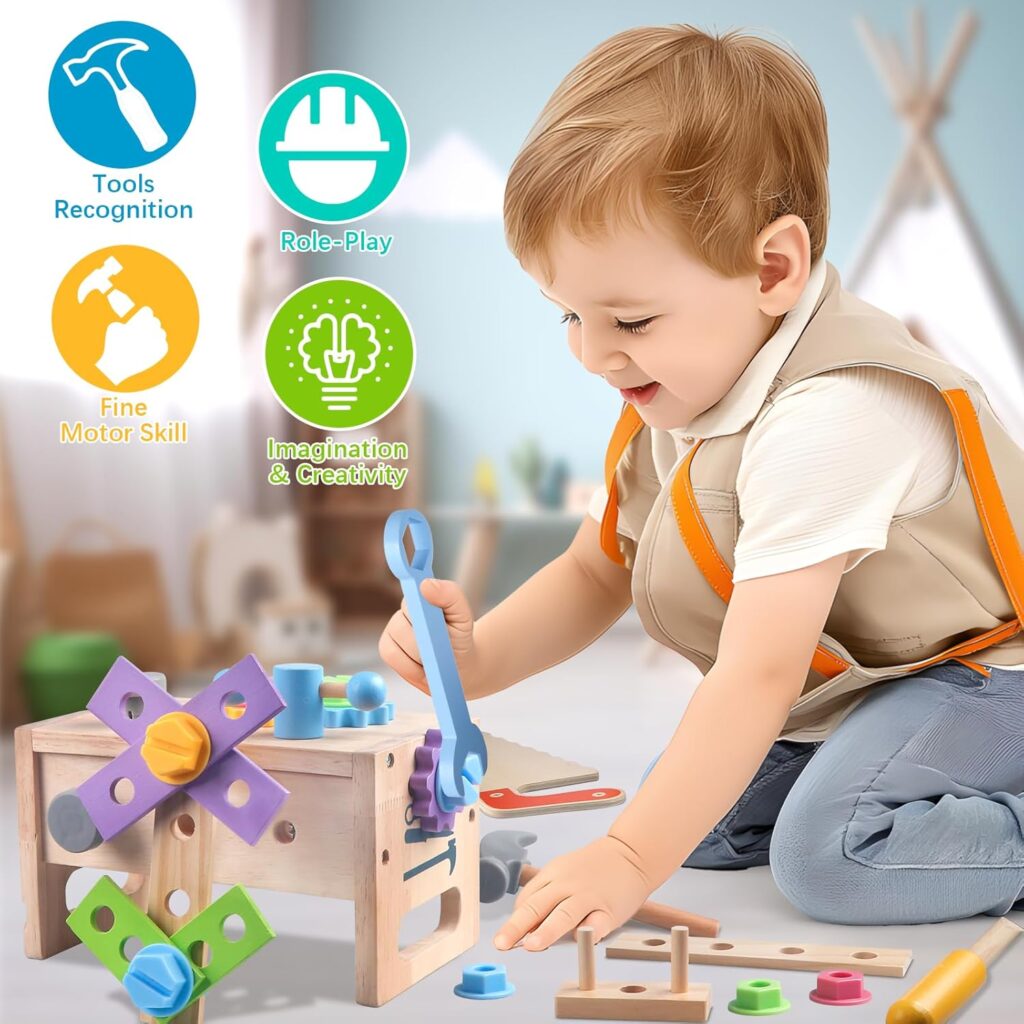
3. Outdoor play tools
Boost physical and cognitive development.
Balance bikes, sensory balls, sand play kits.
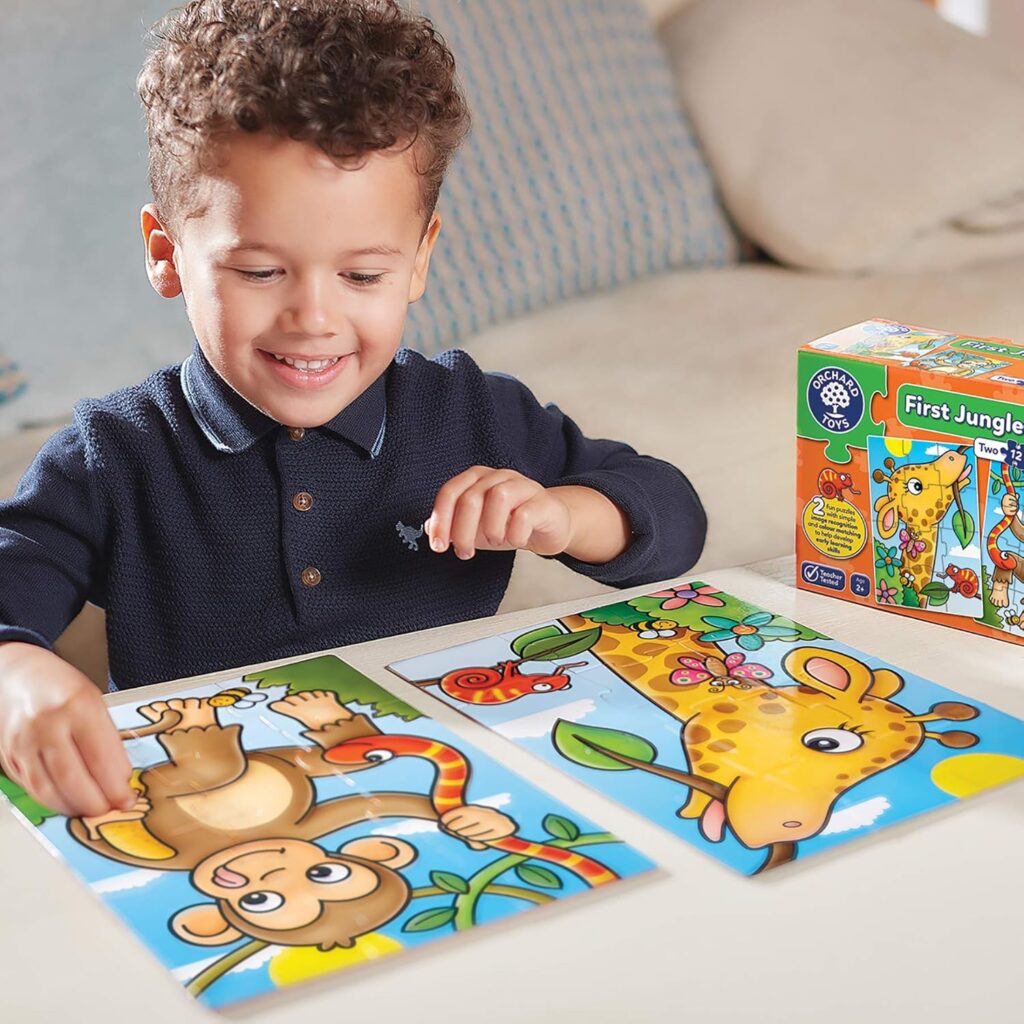
4. Toddler puzzles
Improve focus, spatial reasoning, and persistence.
5. Toddler kitchen helper tools
Montessori knives, stools, mixing bowls for safe assisting.

Common Problems Parents Face & Simple Solutions
Problem: My toddler doesn’t focus.
Solution: Short tasks, open-ended play, and outdoor activities increase attention naturally.
Problem: My toddler doesn’t talk much.
Solution: Narrate routines, read stories, and play pretend daily.
Problem: My toddler gets restless.
Solution: Physical play and hands-on activities calm the nervous system.
Problem: I don’t have time for long activities.
Solution: These habits take 1–5 minutes each.
Problem: I feel unsure about what really helps them learn.
Solution: Simple daily interactions teach toddlers more than worksheets.
Final Thoughts
Toddlers don’t need complicated lessons, long classes, or advanced worksheets to grow into confident, curious thinkers. They need simple habits, repeated daily, with love and connection.
When parents understand the power of tiny consistent actions, everyday life becomes a learning journey.
Also remember to share this blog with others who you think would benefit from this.
Free Printable From Raising Smiles
A free Smart Habits Tracker for Parent is available.
This helps families stay consistent with tiny daily habits that grow smarter thinkers.