The Hidden Dangers Every Parent Should Know
As a mum of five, I know first hand how challenging it can be to balance convenience and safety in our homes. One kitchen staple that many of us rely on is the microwave. It heats food quickly, making our busy parenting lives a little easier. But is it safe, especially for our young children? Let’s dive into the potential risks, the hidden dangers, and practical advice for parents.
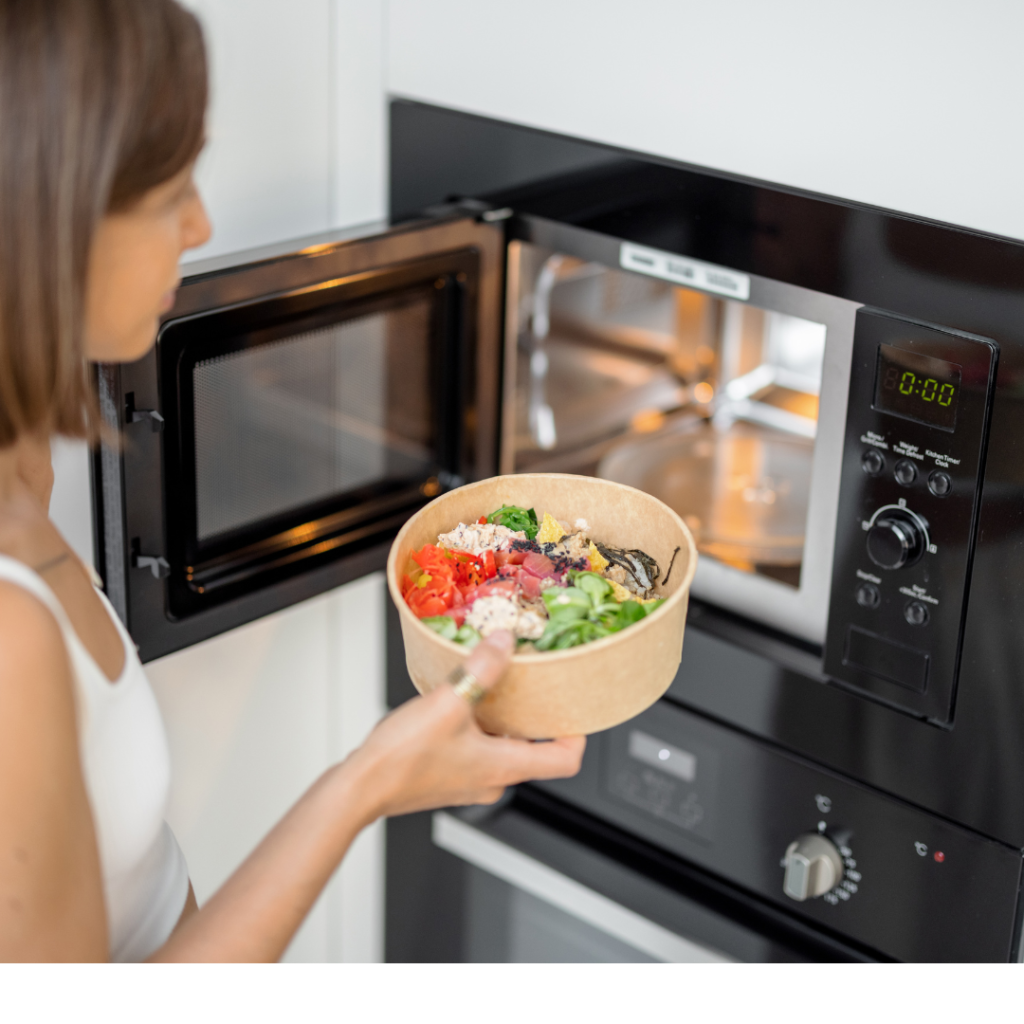
The microwave oven was invented in 1945 by Percy Spencer, an engineer working for the Raytheon Corporation. Spencer discovered the heating effects of microwave radiation accidentally while working on radar technology during World War II. The first commercial microwave oven, called the “Radarange,” was introduced in 1947. However, it wasn’t until the 1970s that microwaves became affordable and popular in households.
Before microwaves, families relied on traditional cooking methods such as stovetops, ovens, and open flames to heat and cook food. These methods were more time-consuming, making the microwave a revolutionary invention that changed the way we prepare meals.
The Hidden Dangers of Microwaves
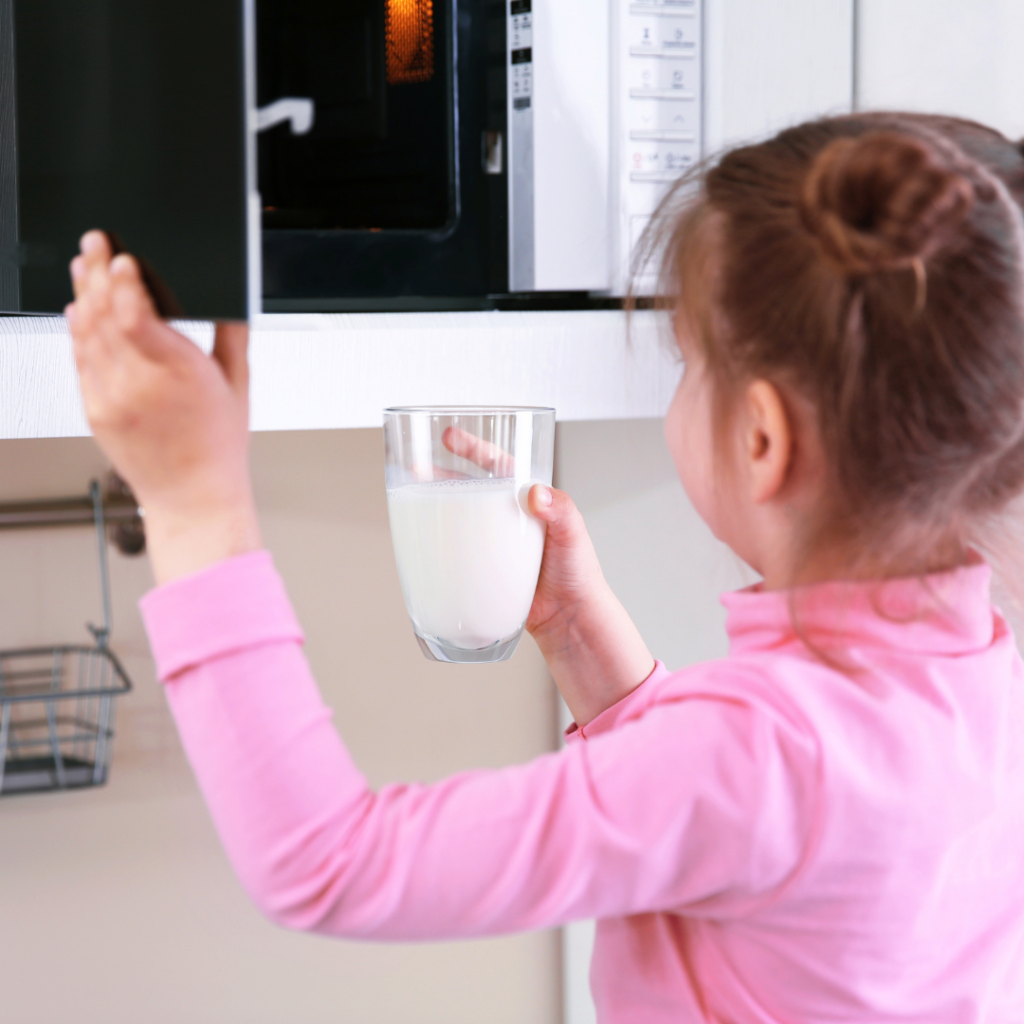
While microwaves are marketed as safe and efficient, there are serious concerns about their potential impact on health, particularly for growing children. Here’s what parents should be aware of:
- Chemical Leaching from Containers
- Heating food in non-microwave-safe plastic containers can release harmful chemicals like BPA and phthalates into the food. These chemicals are endocrine disruptors and have been linked to developmental issues, hormonal imbalances, and even an increased risk of chronic diseases. Research published in Environmental Health Perspectives (2011) highlights these risks, particularly for children whose bodies are still developing.
- Radiation Exposure
- Modern microwaves are designed to minimize radiation leakage, but faulty or old appliances can pose a risk. Exposure to microwave radiation can cause tissue heating, which is more concerning for young children due to their thinner skin and developing organs.
- Uneven Heating and Food Safety
- Microwaves often heat food unevenly, leaving cold spots where bacteria can survive. This is particularly dangerous when reheating high-risk foods like meats or dairy. Young children, with their less developed immune systems, are more vulnerable to foodborne illnesses caused by such bacteria.
- Nutritional Degradation
- While microwaves are quick, the high temperatures and rapid heating can degrade sensitive nutrients like vitamin C and folate in food. This means your child may not get the full nutritional benefit from their meals, especially if they rely heavily on reheated or microwaved foods.
- Toxic Fumes
- Overheating or burning food in the microwave can release harmful fumes, including acrylamide, a chemical linked to cancer risk. For children, even minimal exposure to such toxins can have cumulative effects over time.
Alternatives to Microwaving
If you’re concerned about using a microwave, here are some safer alternatives:
- Toaster Oven: A great option for reheating small portions or baked items without compromising texture.
- Stovetop Heating: Use pots and pans to reheat food, ensuring even heat distribution.
- Steaming: Retains nutrients and heats food gently, making it ideal for baby food.
- Convection Ovens: Provide quick and even heating, though they’re less energy-efficient than microwaves.
- Cold Foods: For snacks like fruits, vegetables, or pre-cooked items, no heating is required at all.
As a parent, safety is always a top priority. Here’s how to use your microwave wisely:
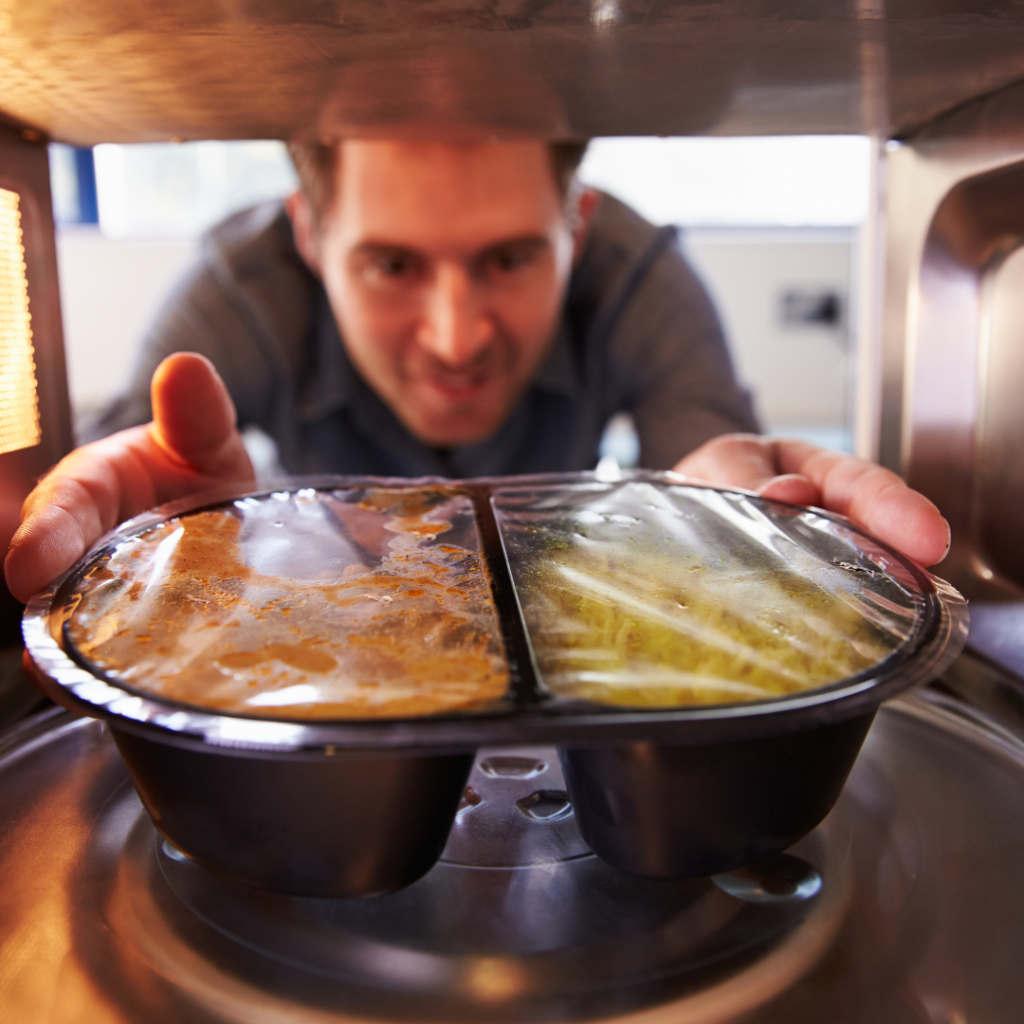
- Cover Food: Always use a microwave-safe cover to prevent splattering and promote even heating. This reduces the risk of bacteria in cold spots.
- Use Microwave-Safe Containers: Avoid plastic unless labelled microwave-safe. Opt for glass or ceramic dishes to reduce chemical leaching.
- Stir and Rotate: Mix food well and rotate it to ensure even heating.
- Check Appliance Condition: Regularly inspect your microwave for damage, particularly to the door seals. Replace it if it’s old or faulty.
- Limit Children’s Exposure: Encourage children to stand away from the microwave while it’s in use.
- Educate Yourself: Stay informed about the latest research and guidelines to make confident decisions for your family.
As busy parents, we rely on tools like microwaves to save time and make life more manageable. But it’s important to understand the potential risks, especially for our children. By making informed choices, such as using safer alternatives or taking precautions when microwaving, we can protect our families while still enjoying the convenience modern technology offers.
Have you made changes to your microwave habits for your family? I’d love to hear your thoughts. You can sign up to our newsletter for more on Raising Smiles.