(A Comprehensive, Parent-Friendly Guide Based on Science, Real Stories, and Everyday Practical Tips)
Table of Contents
- Introduction: The Story That Changed Everything
- Why Parents Feel Pressured to Use Worksheets
- What Science Says About How Children Learn
- The Hidden Power of Play on Brain Development
- Play vs Worksheets: What Builds the Brain Faster
- Types of Play That Grow the Brain
- Real Parent Success Stories
- Practical Ways to Use Play Daily
- Science-Backed Play Activities for Each Age
- Affiliate Resource Guide (with descriptions)
- Freebie: Play-Based Daily Checklist
- Conclusion
Introduction: The Story That Changed Everything
A parent once shared a moment many others can relate to. During a routine playgroup session, the parent noticed their child sitting quietly on the floor, stacking blocks with deep concentration. The other children were working on printed worksheets; tracing lines, circling pictures, and matching letters. Several adults smiled proudly, saying their children were learning faster because they had already started worksheet practice.
But something different was happening with the child building with blocks. While it looked like simple play, a quiet transformation was taking place inside that child’s brain. The child observed how the blocks fit, made predictions, adjusted patterns, solved problems, and used tiny hand muscles to balance pieces. The child explored, questioned, experimented, and tried again.
Later that year, this same child showed remarkable progress in language, early math, social confidence, and problem-solving skills, long before tracing letters on paper.
This story is not rare. Many parents share similar observations, often amazed that the most meaningful growth didn’t come from worksheets, but from play.
This raises an important question:
Why does play build a child’s brain faster than worksheets?
And more importantly:
What can parents do every day, in simple and realistic ways, to make play work for their child’s development?
This blog explores these answers with warmth, clarity, and science every parent can understand.
Why Parents Feel Pressured to Use Worksheets
Modern parenting is full of stress, expectations, and comparison. Worksheets seem to offer a sense of structure, progress, and academic readiness. Everywhere parents look, from Instagram to school stores; workbooks promise early reading success, faster writing skills, and “smart toddler” results.
It is completely understandable that many parents feel worksheets are the fastest path to learning.
However, research from organizations such as:
- The American Academy of Pediatrics (AAP)
- Harvard’s Center on the Developing Child
- The National Association for the Education of Young Children (NAEYC)
- Zero to Three
shows a very different reality.
Children under age 7 learn best through play, not worksheets.
Worksheets can introduce frustration, reduce motivation, restrict creativity, and limit problem-solving opportunities when offered too early.
Play, on the other hand, activates more areas of the brain at once, leading to faster and deeper learning.
What Science Says About How Children Learn
Young children learn in ways that are completely different from adults. Their brains:
- process information through movement
- learn by experimenting
- repeat what feels joyful
- form connections based on sensory experiences
- build understanding through real-world interactions
A worksheet strengthens one skill at a time. Play strengthens hundreds.
For example, stacking blocks engages:
- spatial awareness
- hand-eye coordination
- problem-solving
- emotional regulation
- cause-and-effect understanding
- early math concepts
- perseverance
A single worksheet typically engages:
- fine motor pencil control
- visual discrimination
- brief attention
Both have value, but one is significantly more powerful for brain growth, especially in early childhood.
The Hidden Power of Play on Brain Development
Scientists call play a “brain-building superfood.”
Through play, children activate:
- the prefrontal cortex (decision-making and planning)
- the hippocampus (memory)
- the temporal lobes (language and communication)
- the parietal lobes (movement and spatial skills)
- the limbic system (emotional regulation)
No worksheet can engage the brain at this level.
Play encourages:
- curiosity
- prediction
- experimentation
- emotional development
- social connection
- creativity
- resilience
- problem-solving
These skills form the foundation of strong academic performance later in life.
Play vs Worksheets: What Builds the Brain Faster
Below is a direct comparison backed by research.
Play
- Builds neural connections faster
- Encourages creativity and imagination
- Strengthens social skills
- Allows natural exploration
- Supports emotional resilience
- Helps children develop confidence
- Enhances communication and vocabulary
- Develops coordination and sensory skills
Worksheets
- Limited creativity
- Requires sitting still for long periods
- Can lead to frustration
- Focuses on one narrow skill
- Not developmentally appropriate for toddlers
- Often reduces motivation when used too early
The evidence is clear: Play is the faster path to overall development.
Types of Play That Grow the Brain
Not all play is the same. The most impactful forms include:
1. Pretend Play
Supports language, empathy, storytelling, emotional understanding.
2. Construction Play
Builds math, logic, fine motor skills, spatial reasoning.
3. Movement Play
Improves balance, coordination, sensory processing, confidence.
4. Music & Rhythm Play
Boosts speech, memory, attention, and sound awareness.
5. Outdoor Play
Strengthens risk-assessment, creativity, and mental health.
Real Parent Success Stories
Many parents share that when they reduced worksheets and increased play, their children became:
- more confident
- more expressive
- more curious
- more talkative
- more patient
- more motivated to learn
- more independent
One parent noted that their toddler learned shapes faster through sorting toys than through any tracing worksheet. Another shared that their child started talking more after using pretend play rather than letter sheets.
These stories show an important truth: Children learn best through experiences, not paper.
Practical Ways to Use Play Daily
You don’t need fancy toys. The most effective play tools include:
- blocks
- spoons
- plastic cups
- cardboard boxes
- scarves
- pots and pans
- storybooks
- toy animals
The key is consistency, not cost.
Here are easy daily ideas:
- During breakfast: stack cups
- During bath time: pour and scoop
- During errands: name objects
- After nap: pretend cooking
- Evening: build a small obstacle course
These moments create learning without effort.
Science-Backed Play Activities for Each Age
Ages 1–2
- object sorting
- simple pretend play
- stacking
- musical play
- outdoor exploration
Ages 2–3
- puzzles
- storytelling play
- block towers
- color matching games
- animal role play
Ages 3–5
- building challenges
- early counting play
- dramatic pretend scenes
- scavenger hunts
- cooperative board games
Affiliate Resource
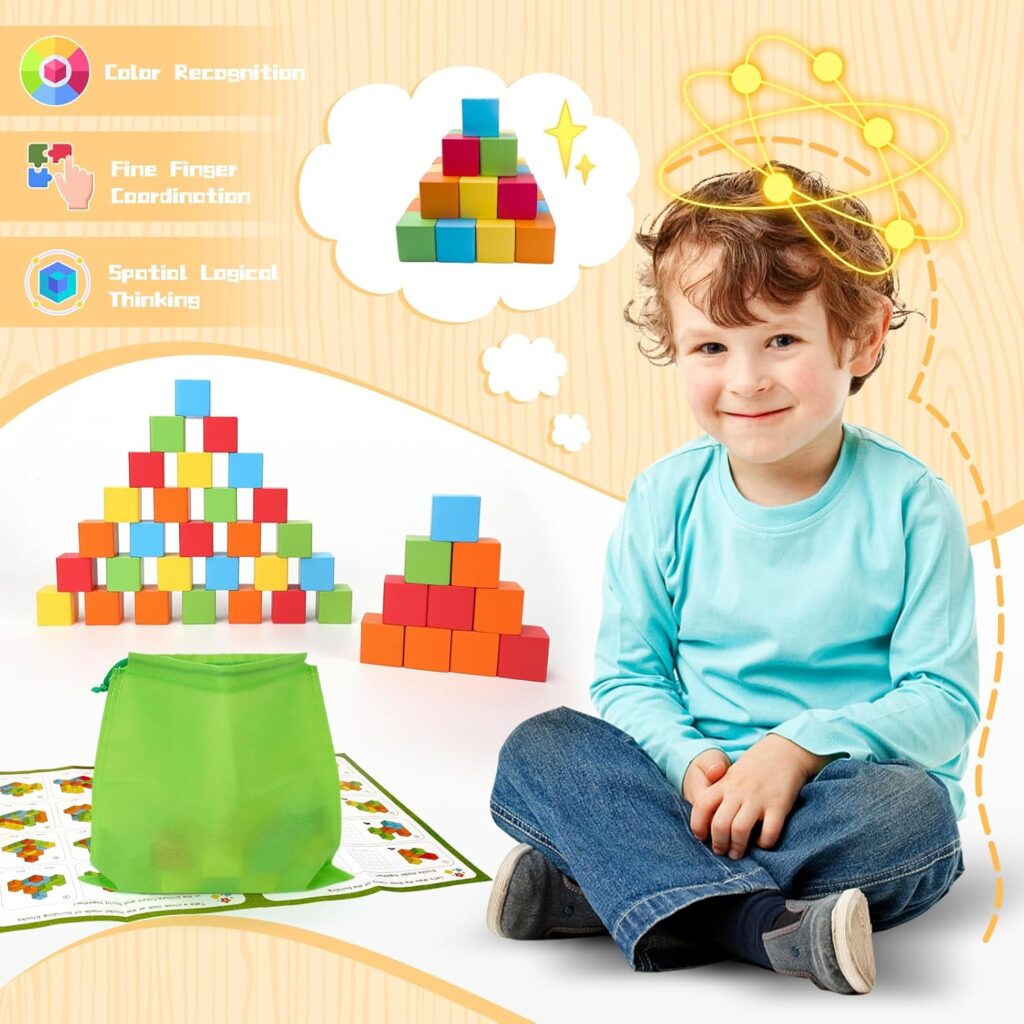
Durable blocks that help with coordination, early math, and focus.
2. Melissa & Doug Pretend Play Sets
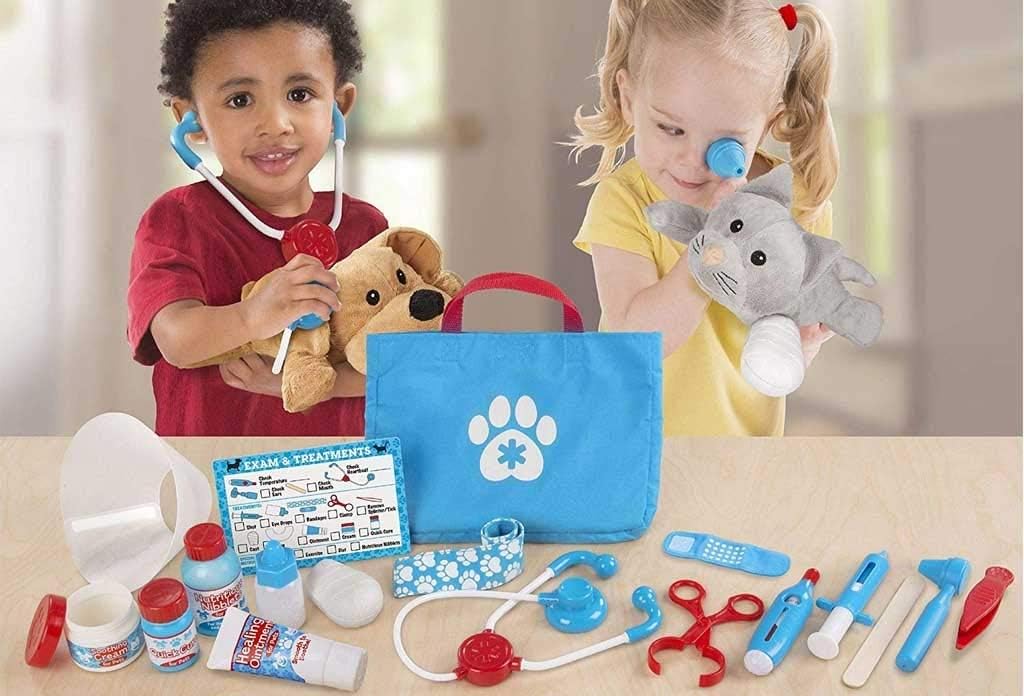
Description: High-quality sets that build imagination, language, and social skills.
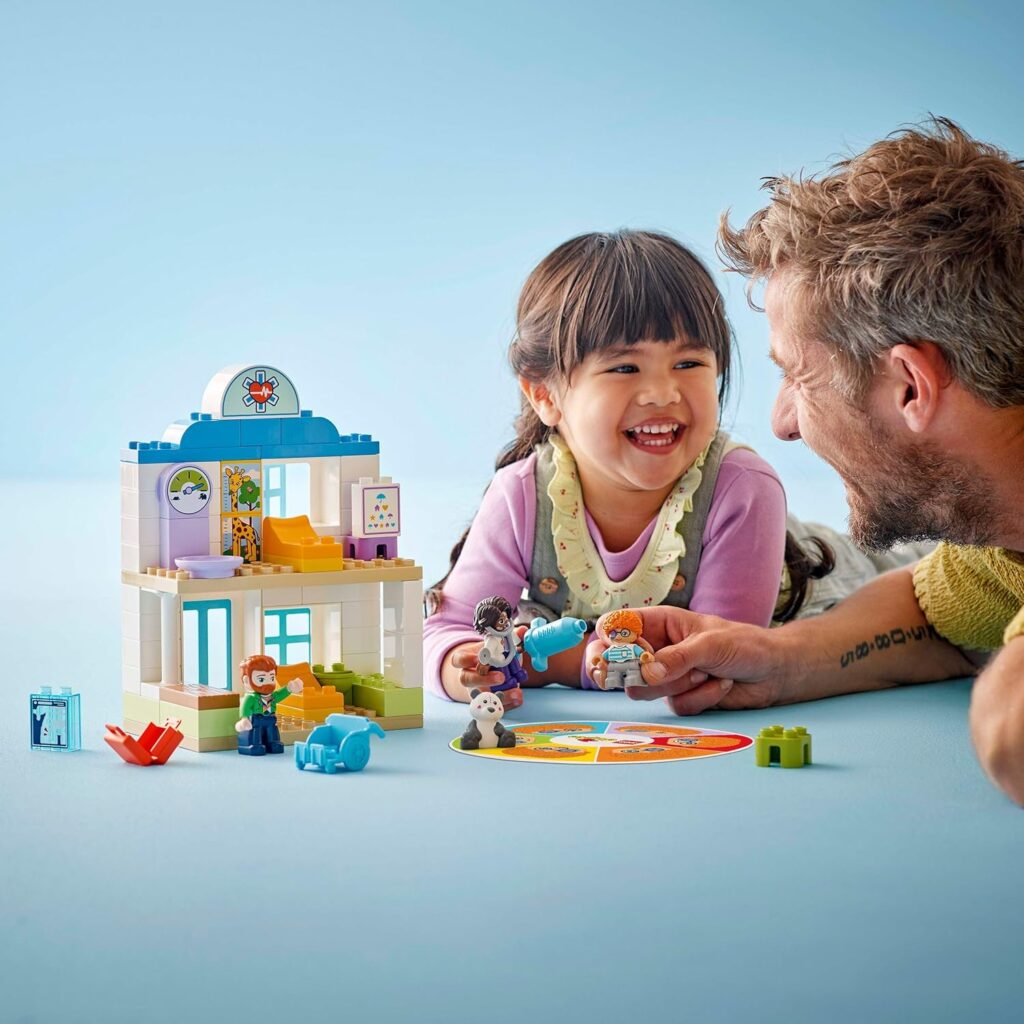
Description: Large, safe bricks that introduce engineering, creativity, and problem-solving.
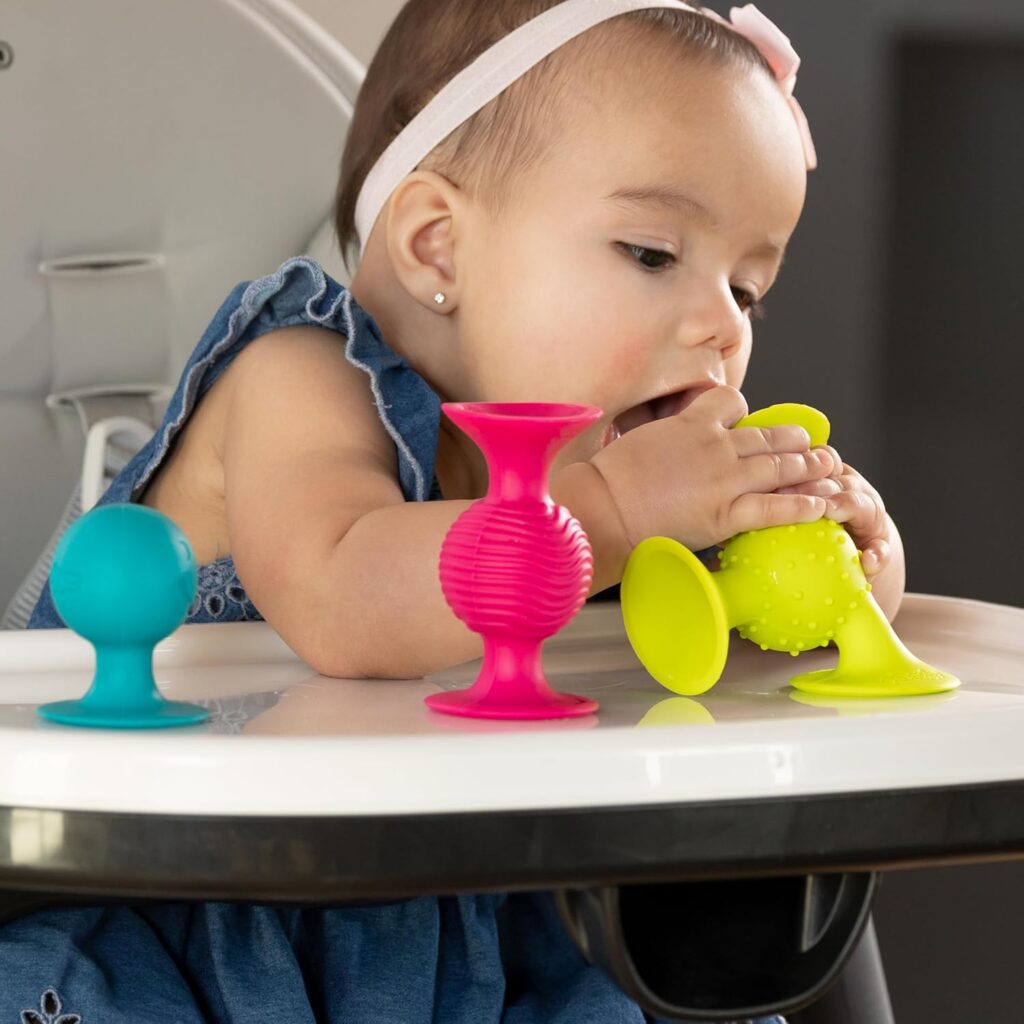
Description: Sensory suction toys great for focus, exploration, and hand strength.
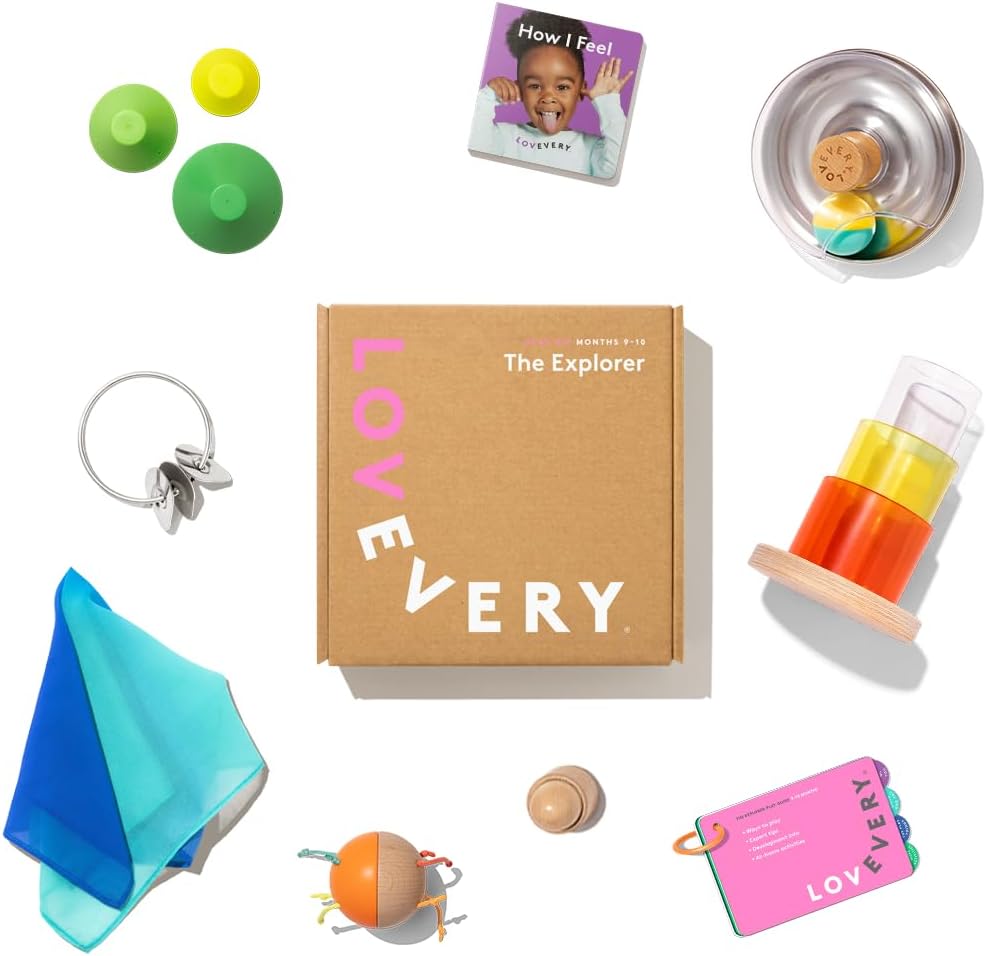
Description: Science-backed toys that support developmental play at every stage.
Freebie: Play-Based Daily Checklist
For this week’s freebie, readers can get a Play-Based Daily Checklist designed to help parents add small, meaningful learning moments to each day. It includes easy ideas for sensory play, pretend play, outdoor play, language play, construction play, and calm play activities; simple habits that build your toddler’s thinking, confidence, and creativity without pressure.
Conclusion
Play is powerful. It is not the opposite of learning; it is learning. It builds confidence, language, memory, empathy, curiosity, and resilience. Worksheets have their place later, but in early childhood, play is the unmatched foundation for strong brain development.
Parents do not need to feel pressured. Play is simple, natural, and accessible. And when families embrace play, children flourish; emotionally, socially, and academically.