My Child Says ‘I Hate School’: How to Find Out What’s Really Going On
Imagine this.
It’s Monday morning. You’ve prepared breakfast, ironed your child’s uniform, packed their school bag and reminded them several times that it’s almost time to leave.
But instead of getting ready, your child starts crying.
“I don’t want to go to school!”
“I hate my teacher!”
“Please, mummy, let me stay at home.”
At first, you might think it’s just another difficult morning. Perhaps your child wants to watch television, play with their toys or spend more time with you. You encourage them, promise a treat after school or remind them that their friends are waiting.
But then it happens again the next morning. And the next.
Before long, you begin to wonder whether something else is happening.
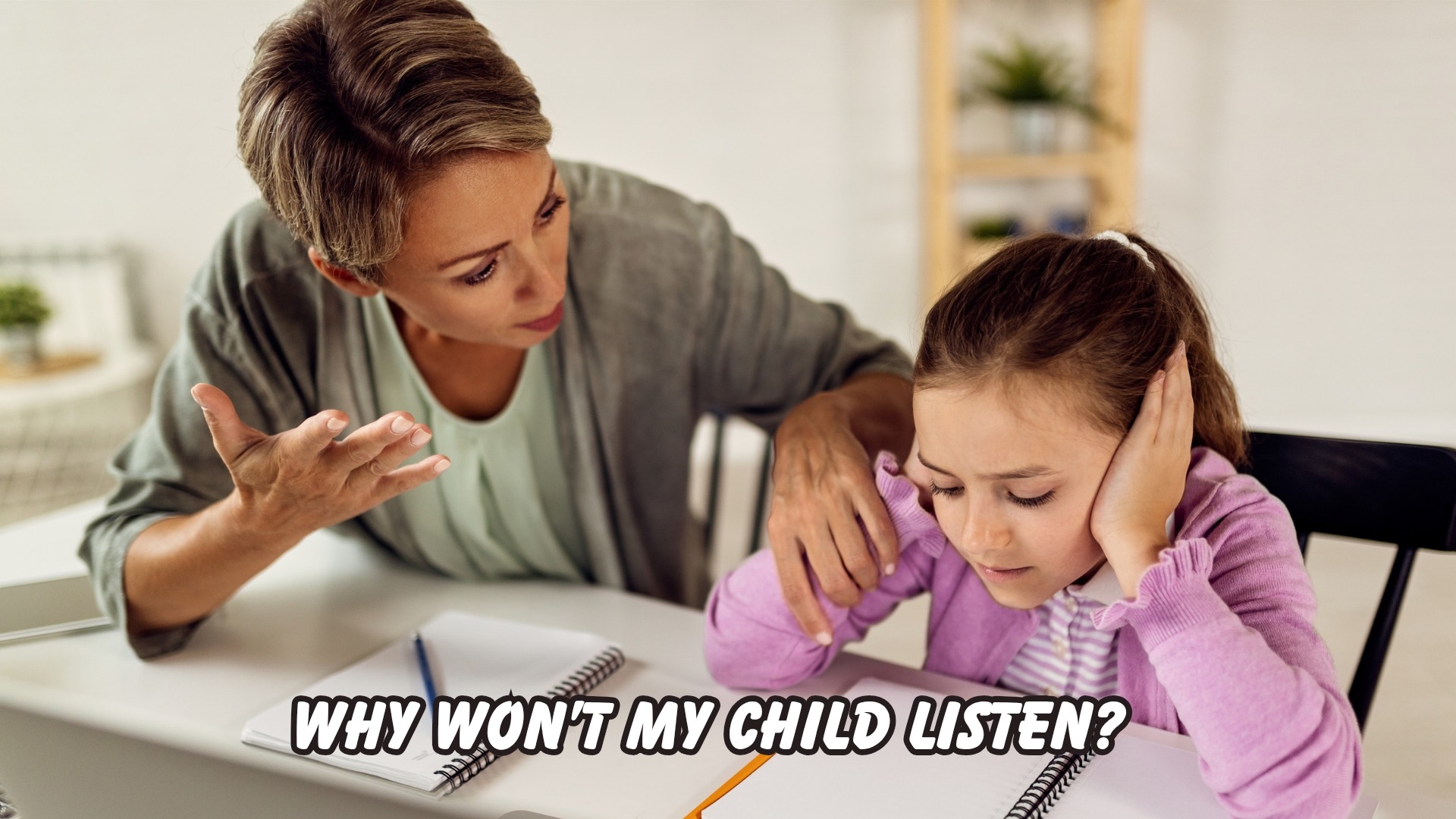
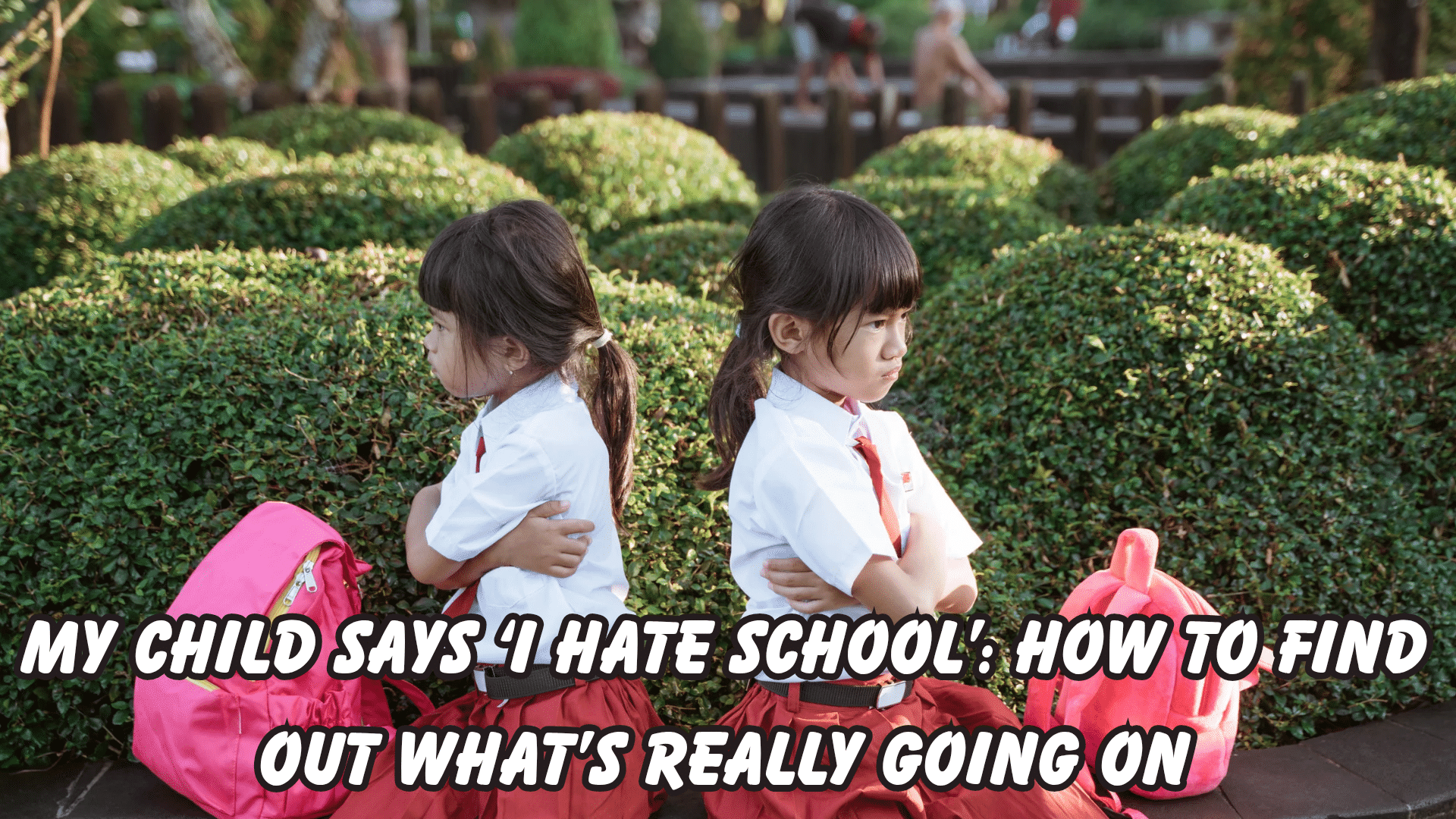
When a child says they hate school, it is easy to dismiss the statement as stubbornness, laziness or an attempt to avoid responsibilities. However, children do not always have the words to explain complicated emotions. Sometimes, “I hate school” is simply the easiest way they know to communicate that something feels uncomfortable, frightening, overwhelming or unpleasant.
The important thing is not to panic or immediately assume the worst. It is to become curious.
If you think they love going to school but have a meltdown after school, this read is for you- Why Does My Child Fall Apart After School? A 20-Minute Reset That Helps
Child Doesn’t Want to Go to School: What Could Be Behind It?
There is rarely one explanation for why a child suddenly refuses to attend school. What looks like a simple behaviour problem may have an emotional, social, academic or physical cause.
Here are some possibilities worth exploring.
1. Friendship Problems and Feeling Left Out
Friendships are a big part of childhood. Children want to feel accepted, included and appreciated by their classmates.
Imagine your child regularly watches other children play together but struggles to join them. Perhaps their friends have started excluding them, laughing at them or refusing to share activities.
Your child may not know how to explain the experience. Instead, they may simply say they do not like school.
You might hear comments such as:
- “Nobody wants to play with me.”
- “I don’t have any friends.”
- “They don’t let me sit with them.”
- “I want to play alone.”
These statements deserve attention, even when they sound small to an adult.
Ask gentle questions about break time, group activities and the people your child enjoys spending time with.
Remember that not every friendship disagreement is bullying. Children sometimes have misunderstandings and disagreements as they learn to relate to others. However, repeated exclusion, intimidation or hurtful behaviour should not be ignored.
2. Bullying or Feeling Unsafe
Bullying can make school feel like an uncomfortable or frightening place.
It may involve physical aggression, name-calling, threats, teasing, exclusion, taking belongings or repeated hurtful behaviour. It can also happen through digital platforms and group chats.
Some children report bullying directly, while others become withdrawn or begin finding reasons to avoid school.
Watch for:
- Unexplained injuries or damaged belongings.
- Missing lunch, stationery or personal items.
- Sudden changes in mood after school.
- Fear of particular classmates or school locations.
- Reluctance to use the school bus or attend certain activities.
- Unusual silence when asked about their day.
Bullying is not always obvious. A child may be embarrassed, afraid of retaliation or worried that reporting the problem will make things worse.
Let your child know that they are not responsible for someone else’s hurtful behaviour and that asking an adult for help is the right thing to do.
3. Academic Pressure and Learning Difficulties
Not every child finds schoolwork easy.
Some children struggle with reading, writing, mathematics, concentration or following classroom instructions. Others understand the lessons but become anxious about making mistakes or answering questions in front of their classmates.
Imagine a child who spends hours struggling with homework while their classmates seem to understand everything quickly.
Over time, school may begin to feel like a place where they constantly fail.
You may hear:
- “I’m not good at mathematics.”
- “My teacher always asks me questions.”
- “I don’t understand anything.”
- “Everybody is better than me.”
Sometimes, what appears to be a lack of interest is actually frustration.
Speak with the teacher to understand how your child participates in lessons, completes assignments and responds to classroom activities.
If difficulties are persistent, consider whether your child needs additional learning support or an assessment.
4. Fear of a Teacher or Classroom Environment
Children can have different experiences with adults at school.
A teacher may be strict, impatient, intimidating or difficult for a particular child to approach. Even when a teacher has good intentions, the way instructions or corrections are delivered may leave a sensitive child feeling embarrassed or frightened.
This does not automatically mean the teacher is doing something wrong.
However, if your child repeatedly mentions being shouted at, humiliated, threatened or treated unfairly, take the concern seriously and establish what happened.
Ask questions without suggesting the answers:
- “How do you feel when your teacher speaks to you?”
- “What happens when you make a mistake in class?”
- “Is there an adult at school you feel comfortable talking to?”
Your child should feel safe asking questions, making mistakes and seeking help.
School Refusal Signs Parents Should Not Ignore
There is a difference between occasionally not wanting to attend school and a repeated pattern of school refusal.
Almost every child has days when they would rather stay home. They may be tired, disappointed that the weekend has ended or simply looking forward to playing.
However, school refusal becomes more concerning when distress is persistent, intense or begins interfering with attendance and everyday life.
Some common school refusal signs include:
- Repeated crying or emotional distress before school.
- Frequent complaints of stomach aches, headaches or nausea on school mornings.
- Refusing to get dressed or pack their school bag.
- Becoming unusually clingy when it is time to leave.
- Asking repeatedly to stay home.
- Panic, anger or emotional outbursts around school attendance.
- Difficulty sleeping because of worries about the next school day.
- Repeatedly visiting the school nurse or asking to go home.
- A sudden decline in school attendance or academic performance.
- Withdrawal from friends and activities they previously enjoyed.
One sign alone does not necessarily mean your child has school anxiety or a mental health condition.
Look at the overall pattern.
For example, does the distress happen only on Mondays? Does it become worse on days when your child has a particular lesson? Does it happen after weekends with certain friends? Does your child become comfortable once they arrive at school?
These details can help you identify possible triggers.
Persistent school refusal is not something to solve through punishment alone. The distress behind the behaviour needs to be understood.
School Anxiety in Children: Signs to Look Out For
School anxiety is not always obvious. Some children can explain that they are worried, while others communicate their feelings through behaviour, physical complaints or changes in their usual routines.
A child experiencing school anxiety may worry about:
- Being separated from their parents.
- Making mistakes in class.
- Being laughed at by classmates.
- Not understanding schoolwork.
- Getting into trouble with a teacher.
- Participating in sports, presentations or group activities.
- Not knowing what will happen during the school day.
You might notice that your child is perfectly happy during weekends and holidays but becomes distressed when Sunday evening arrives.
They may also repeatedly ask questions such as:
“Will you come and pick me up?”
“What if I don’t understand the lesson?”
“What if nobody plays with me?”
“Can you stay with me for just five minutes?”
These questions may sound repetitive, but they can reveal what your child is worried about.
1. Emotional Signs of School Anxiety
Some children become quiet, withdrawn or unusually sensitive. Others become irritable, frustrated or easily upset.
You may notice:
- Frequent worrying about the next school day.
- Crying over seemingly small things.
- Loss of interest in activities they previously enjoyed.
- Difficulty concentrating.
- Increased clinginess.
- Changes in sleep or appetite.
2. Physical Signs of School Anxiety
Anxiety can also affect the body.
Your child may experience:
- Stomach discomfort.
- Headaches.
- Nausea.
- Sweating or trembling.
- A racing heartbeat.
- Muscle tension.
- Difficulty sleeping.
These symptoms are real, even when anxiety contributes to them. Never assume that physical complaints are made up.
If symptoms are new, severe, recurring or concerning, arrange a medical assessment to rule out physical causes.
My Child Is Crying Before School: What Should I Do?
Seeing your child cry before school can be emotionally exhausting.
You may feel frustrated because you have explained the importance of education countless times. You may also feel guilty when your child holds onto you and begs you not to leave.
The first thing to remember is that your child’s tears are communication.
Instead of immediately trying to stop the crying, focus on understanding what is happening.
1. Stay Calm and Acknowledge Their Feelings
Try not to respond with anger or embarrassment.
Rather than saying, “Stop crying. You are too big for this,” try:
“I can see that you are having a difficult morning. I want to understand what is making school feel hard.”
Acknowledging their feelings does not mean agreeing that they should stay home. It simply lets them know that their emotions matter.
2. Avoid Turning the Morning Into an Argument
Repeated threats, shouting and long lectures can make an already stressful morning worse.
Keep instructions simple and predictable.
For example:
“Let’s get dressed first. Then we will have breakfast and pack your bag.”
A calm routine can help reduce unnecessary pressure.
3. Find a Quiet Moment to Talk
The school gate or the middle of a morning rush may not be the best place for a meaningful conversation.
Choose a relaxed moment later in the day when your child is comfortable.
You could talk while eating together, drawing, taking a walk or preparing for bedtime.
How to Talk to Your Child About What Is Happening at School
This is perhaps the most important part of the entire process.
Children may not immediately tell you what is wrong. Some fear getting into trouble, while others do not know how to explain their feelings.
The way you ask questions can determine whether your child feels comfortable opening up.
1. Start With Open-Ended Questions
Instead of asking, “Did somebody bully you?” try:
“Can you tell me about the part of school you enjoy the least?”
Open-ended questions give children room to describe their experiences in their own words.
Other helpful questions include:
- “What is the hardest part of your school day?”
- “When do you feel happiest at school?”
- “Is there anything that makes you uncomfortable?”
- “Who do you enjoy spending time with during break?”
- “What happens when you need help with your schoolwork?”
- “If you could change one thing about school, what would it be?”
2. Avoid Leading or Pressuring Questions
When parents become worried, it is tempting to ask several questions at once.
“Is your teacher shouting at you? Is somebody disturbing you? Are your classmates bullying you?”
Although your intentions are good, these questions can influence how your child responds.
Try asking one question at a time and allow them to answer.
If they say, “I don’t know,” do not force an immediate explanation.
You can respond:
“That’s okay. You don’t have to explain everything now. Whenever you are ready, I am here to listen.”
3. Listen Without Immediately Correcting Them
Imagine your child says:
“My teacher doesn’t like me.”
Your first instinct might be to defend the teacher or explain that teachers have many children to manage.
Instead, pause and ask:
“What happened that made you feel that way?”
You may discover that the teacher corrected them in front of the class, ignored a question or misunderstood something they did.
Listening does not mean assuming every statement is accurate. It means giving your child an opportunity to explain their experience before drawing conclusions.
How to Work With Your Child’s School to Find a Solution
Once you have listened to your child and noticed possible patterns, the next step is to communicate with the school.
Parents and teachers should work together rather than approach the situation as opposing sides.
Your child’s teacher may notice things that you cannot see at home, while you may understand emotional or behavioural changes that are not obvious in the classroom.
1. Arrange a Conversation With the Teacher
Explain what your child has been saying and describe the behaviour you have noticed.
For example:
“I have noticed that my child has become increasingly distressed about attending school. They have mentioned feeling uncomfortable during break time. I would appreciate your help in understanding what might be happening.”
Keep the conversation factual and calm.
2. Ask Specific Questions
Rather than simply asking whether your child is behaving well, ask:
- Does my child participate in classroom activities?
- Do they interact comfortably with other children?
- Have you noticed any changes in their mood?
- Are they struggling with particular subjects?
- Do they seem anxious during certain activities?
- Have there been any disagreements or incidents involving classmates?
- Is there a particular time of day when they seem uncomfortable?
Specific questions make it easier to identify areas that need attention.
3. Request Appropriate Support
Depending on what is happening, possible support may include:
- A trusted teacher your child can approach.
- Additional academic assistance.
- Support with friendship difficulties.
- A safe and supervised arrangement during break time.
- A gradual return-to-school plan when appropriate.
- Regular communication between home and school.
If your child reports bullying or inappropriate treatment, request that the school investigate and explain what safeguarding steps will be taken.
Do not rely on vague promises that everything will be fine. Agree on practical actions and a time to review progress.
4. Follow Up
One conversation may not resolve everything.
Check whether the agreed actions have been implemented and whether your child feels any improvement.
Keep communication respectful, but remain persistent when concerns are not addressed.
If the school does not respond adequately to a safety concern, escalate it to the appropriate school leadership or safeguarding authority.
Practical Ways to Help Your Child Feel Comfortable Going to School Again
Once you have a better understanding of what may be happening, you can begin creating an environment that makes school feel more manageable.
The solution will depend on the underlying problem. A child experiencing bullying needs a different kind of support from a child who struggles with separation or schoolwork.
However, these practical steps can help.
1. Create a Predictable School-Morning Routine
Children often feel more settled when they know what to expect.
Prepare school uniforms, shoes, lunchboxes and bags the night before. Give your child enough time to wake up, eat breakfast and get ready without unnecessary rushing.
A simple visual checklist can help younger children become more independent.
2. Make Time for Connection Before School
Even five or ten minutes of positive attention can make a difference.
You could cuddle, read a short story, share breakfast or talk about something your child is looking forward to.
Try to make this time enjoyable rather than using every morning conversation to remind them about school responsibilities.
3. Celebrate Small Improvements
If your child manages to get dressed without crying, enters the classroom more comfortably or talks about something positive that happened at school, acknowledge the effort.
You could say:
“I noticed you tried even though this morning was difficult. I’m proud of you for telling me how you feel.”
Focus on effort, courage and communication rather than rewarding the suppression of emotions.
When Should Parents Seek Professional Help?
Sometimes, despite your patience and efforts, your child continues to struggle.
There is nothing wrong with seeking additional support. In fact, recognising when you need help is an important part of parenting.
Consider speaking with a paediatrician, child psychologist or another qualified child mental health professional when:
- Your child repeatedly refuses to attend school.
- Anxiety or distress is affecting sleep, eating or everyday activities.
- Physical complaints keep returning.
- Your child experiences intense panic around school attendance.
- They become increasingly withdrawn or unhappy.
- Their academic performance or friendships are significantly affected.
- Your efforts and discussions with the school are not improving the situation.
A professional can help identify whether the difficulty is related to anxiety, learning needs, emotional distress or another concern.
Free Printable: School-Morning Pattern Tracker and Child Conversation Prompts
Sometimes, the hardest part of understanding a child’s school struggles is knowing what to observe and what questions to ask.
You may notice your child crying on Monday, complaining of stomach pain on Wednesday and becoming unusually quiet after school on Friday. Without recording these experiences, it can be difficult to recognise whether they are connected.
That’s why we have created a simple School-Morning Pattern Tracker and Child Conversation Prompts for parents.
Helpful Products for Parents
Sometimes, a few simple tools can make conversations about emotions and school experiences easier.
Here are some practical products that parents may find useful.
1. Children’s Emotion Cards
Emotion cards help children recognise and name feelings such as sadness, anger, fear, excitement and worry.
Why parents may like them: They give younger children a visual way to communicate when finding the right words is difficult.
2. A Child-Friendly Feelings Journal
A simple journal with drawing spaces and short prompts can encourage children to reflect on their day.
Why parents may like it: Children can draw, write or describe something that made them happy, worried or uncomfortable.
3. School Communication Planner
A planner can help parents keep track of teacher conversations, concerns, agreed actions and follow-up dates.
Why parents may like it: It makes communication between home and school more organised and helps parents remember important discussions.
A Final Word to Parents: Look Beyond the Words
When your child says, “I hate school,” try not to hear only a complaint. Sometimes, those words are an invitation to understand something they cannot yet explain.
Your child may need help making friends, understanding lessons, managing anxiety or feeling safe in the classroom.
They may also simply be having a difficult day.
Whatever the reason, your response matters.
Listen before judging. Ask questions before assuming. Work with the school rather than trying to solve everything alone.
And remember, your child’s education is important, but so is their emotional well-being.
We want children who enjoy learning, build meaningful friendships and develop confidence. We also want them to know that when something feels wrong, they can always come home and talk about it.