How to Respond, Not React: Understanding Defiance and Positive Parenting Tools That Work
Last week, while preparing dinner, I asked my six-year-old to put away his toys. He looked at me, frowned, and said, ‘No.’ Just like that. No explanation. No hesitation. As a mental health nurse and a mum, I knew this moment wasn’t just about toys; it was about something deeper. And I’m not alone. Jane, a mother of two in Abuja, shared how her five-year-old recently started slamming doors and refusing to eat dinner. And Tolu, a dad in Enugu, said his seven-year-old shouts ‘You’re not the boss of me!’ when asked to do simple chores.
If this sounds familiar, know this: you’re not failing. Defiance is a normal part of childhood development, especially between ages 4 and 9. But understanding why it happens and how to respond can make a big difference in your home.
As a mental health nurse and a mum, I’ve come to understand how complex parenting really is—especially when our little ones push boundaries.
If you’re anything like me, you’ve had moments where you question whether you’re doing it right. I want you to know you’re not alone.
In my own home, there have been tears (from both me and my child), raised voices, and quiet guilt. That’s why I wrote this; not as an expert talking at you, but as a parent walking with you.
What Is Defiance and Why Does It Happen?
Defiance in children often shows up as refusing to follow instructions, talking back, or acting out. It’s frustrating, especially when you’re juggling so many other responsibilities. But defiance is often a child’s way of asserting independence and testing boundaries. At this age, kids are figuring out how the world works and how much control they have in it.
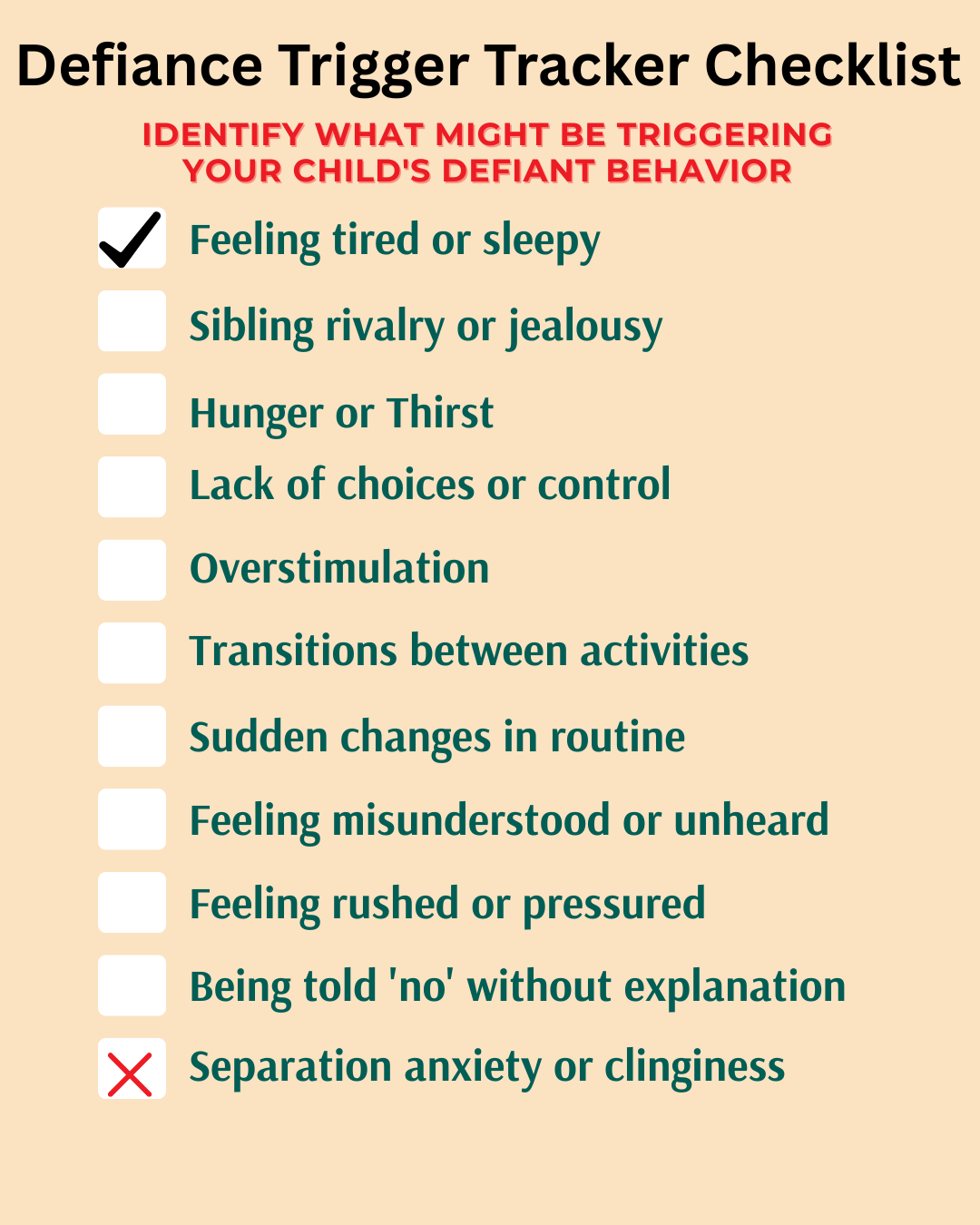
Common triggers include:
- fatigue,
- hunger,
- overstimulation,
- inconsistent routines,
- changes at home, like a new sibling or a move.
Emotional Development and Brain Maturity
Kids aged 4–9 are still learning how to regulate their emotions. Their brains are not fully developed—especially the parts that control impulse and decision-making. So, when a child yells or refuses, they might not yet have the tools to manage big feelings.
Instead of labelling them as ‘naughty’, try to see these behaviours as signals. What are they feeling? What do they need help expressing?
Solution- How to Respond Without Yelling
1. Stay calm: Take a deep breath before reacting. Your calmness helps regulate their chaos.
2. Validate their feelings: Say, ‘I see you’re upset,’ before offering correction.
3. Offer choices: This gives them a sense of control. For example, ‘Do you want to brush your teeth before or after your bath?’
4. Be consistent: Set clear boundaries and follow through gently but firmly.
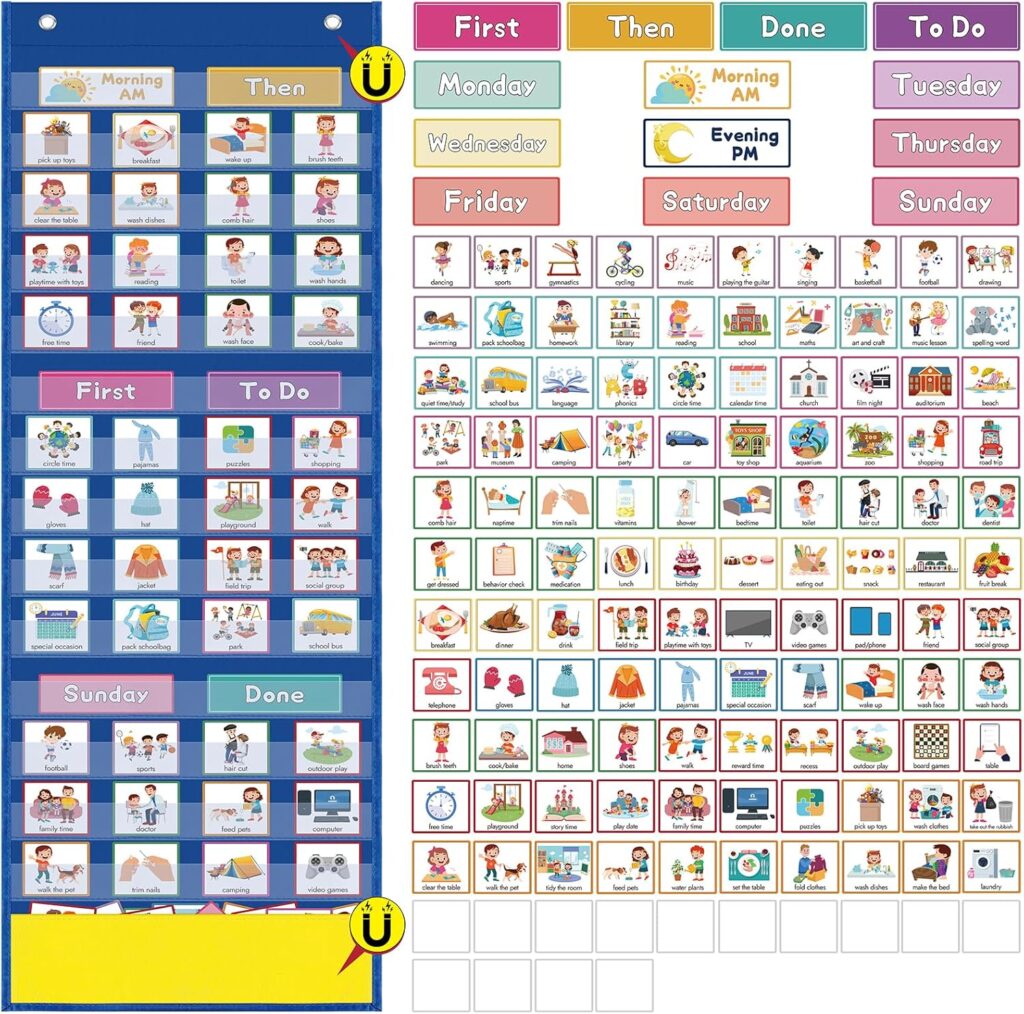
5. Use visual routines: Charts or pictures help younger kids understand what’s expected.
Understanding Defiance: When This Behaviour Signals Something More
While occasional defiance is normal, extreme behaviour might need more attention. If your child is aggressive, destructive, or seems unusually withdrawn, it may be time to speak with a child therapist. Trust your gut. Early support can make a world of difference.
Helpful tools for managing defiance and building positive habits include:
– Calming corner kits https://amzn.to/4m4i8Gj

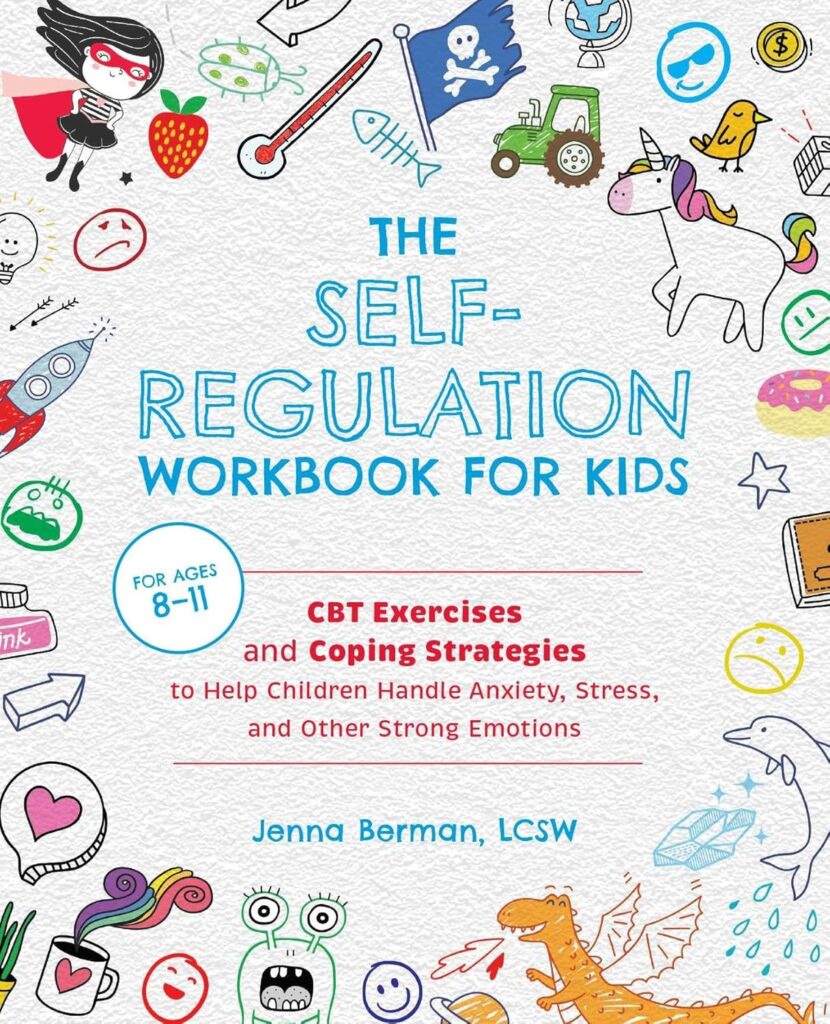
– Kids’ emotional regulation books https://amzn.to/4mbx5Xp
– Visual schedule magnets https://amzn.to/3GPDFDU
– Reward charts or star sticker kits https://amzn.to/44UNhFm

– Noise-cancelling headphones for sensitive kids https://amzn.to/3IFmV2G

FREE PRINTABLE:
- What to do when your child keeps saying “no”https://raisingsmiles.co.uk/wp-content/uploads/2025/07/Defiance-in-kids-printable.png
- Behaviour Trigger Tracker Checklist – What triggers your child to be defiant. https://raisingsmiles.co.uk/wp-content/uploads/2025/07/Defiance-in-kids-printable-1.png