You make it through pickup, get everyone buckled in, and ask the ordinary question: “How was your day?”
Then the tears start. Or your child gets cross because the snack is the wrong one, the car feels too loud, or you’ve asked them to take off their shoes. Maybe they were cheerful with their teacher just minutes ago, and now it seems as if every small thing is too much.
If your child is emotional after school, or you’re dealing with regular after-school meltdowns, you’re not alone. Many parents see a different side of their child after the school day ends. It can be confusing and exhausting, particularly when you hear that your child had a “great day.”
A hard afternoon doesn’t mean you’ve done something wrong, and it doesn’t tell you by itself what’s going on. School and home ask different things of children, and the transition between them can be a lot. A simple, predictable arrival routine snack, quiet, connection, and one clear next step may help make that landing gentler.
Why does my child fall apart after school?
School days are full of small demands. Children listen, wait, share space, move between activities, follow instructions, manage friendships, and keep track of their things. They may also be dealing with noise, tiredness, worry, or the effort of sitting still and concentrating.
By the time they see you, your child may have less energy for another transition or another request. Getting into the car, leaving the playground, answering questions, or coming home to a busy household can tip an already tiring day into tears or frustration.
That’s one possible way to understand the pattern, rather than a diagnosis or a complete explanation. Every child is different, and the same child may have easy afternoons and difficult ones. Hunger, sleep, changes in routine, sensory preferences, social worries, and many other factors can play a part.
Try to treat the behaviour as information. You don’t have to like shouting or hitting, and you can still set limits. But it may help to pause before assuming your child is being deliberately difficult. In that moment, they may need fewer demands, a snack, some quiet, help naming what’s next, or simply time to settle.
What is after-school restraint collapse?
After-school restraint collapse is an informal phrase some families use when a child seems to hold things together during the school day and then lets out a lot of feelings at home. Parents might see crying, irritability, arguing, silliness, clinginess, or a sudden refusal to do familiar tasks.
The phrase can be useful because it gives parents a way to talk about a recognisable pattern. It isn’t a clinical diagnosis, though, and it shouldn’t be used to assume why a particular child is struggling. You may hear it used to describe children who have spent the day managing expectations and transitions, but the phrase doesn’t tell you what your child needs or whether there are other factors to consider.
It can be more helpful to focus on what you observe. When does the difficult part begin? What happened earlier that day? What seems to help, even a little? You might notice that your child settles faster after a snack, or that conversation goes better after a quiet ride home. You don’t need a perfect explanation before you can offer a kind and predictable routine.
Why does my child behave at school but not at home?
It can feel personal when your child appears calm and cooperative at school, then falls apart with you. You may wonder, “Why can they manage there but not here?”
Home may be where your child feels comfortable enough to show feelings they’ve been holding in, or they may simply be worn out by the time they arrive. That’s one possible explanation not proof that your child is choosing to behave badly with you, and not a reason to ignore behaviour that needs a boundary.
It’s also possible that your child is coping well at school in some ways and finding specific parts difficult. A child can have a good day overall and still feel overwhelmed by a noisy lunchroom, friendship worries, a change in plans, or the effort of concentrating. “They were fine at school” doesn’t always capture the full picture of their day.
If you’re noticing a regular pattern, it may help to compare notes with the teacher. Keep it curious and specific: “We’re seeing a lot of tears at pickup. Have you noticed anything about the end of the day?” Together, you might spot a change in routine, a busy transition, or another detail worth understanding.
Similar topic to give you the all round routine- Why Your Child Behaves Like an Angel at School but Not at Home
What can make after-school meltdowns more likely?
There isn’t one reason children have a hard time after school. Often, several ordinary things stack up. You might notice more tears or frustration on days when your child:
- Has had a long or unusually busy day.
- Is hungry or thirsty.
- Has been in a noisy or crowded environment.
- Has had a change to the usual schedule.
- Is worried about a friendship or something that happened in class.
- Has an after-school club, appointment, or long journey home.
- Is tired, unwell, or going through a big change.
These are possibilities to observe, not a checklist for finding fault. You don’t need to track every meal, mood, or moment. A simple note now and then “harder after club,” or “snack helped today” may be enough to reveal a useful pattern.
Keep in mind that some days are simply harder than others. A routine can make home feel more predictable, but it won’t prevent every meltdown. The goal is to support the transition, not to make your child feel they must be cheerful as soon as the school bell rings.
What helps a child feel calmer after school?
A helpful arrival routine doesn’t need to be elaborate. In fact, the simpler it is, the easier it may be to repeat when you’re tired too. Think of it as a gentle landing: a warm greeting, something to eat or drink if appropriate, a little breathing room, a moment of connection, and a preview of what happens next.
The routine below takes around 20 minutes as a guide. Some days your child may be ready to move on sooner. On other days, they may need more time. Follow your child’s cues and your family’s practical needs.
Minutes 0–5: Arrive and lower the demands
Start with a warm, uncomplicated greeting: “I’m glad to see you.” If your child doesn’t want a hug or a chat, let them choose another way to reconnect. A wave, walking side by side, or simply knowing you’re nearby can be enough.
Try to keep questions and instructions light at first. If you need to explain what’s happening, use one short sentence: “First we’ll get home, then you can have your snack.” When several requests come at once, even familiar tasks can feel like too much.
If pickup itself is tricky, use the same small cue each day. You might say, “Bag, car, snack,” or show the first step on a routine card. Familiar words can help your child know what to expect without requiring a long conversation.
Minutes 5–10: Offer a snack and a drink
If your child is hungry, an easy snack and some water may help take the edge off. Offer it without turning it into a reward or a bargaining tool: “Your snack is on the counter when you’re ready.”
A familiar snack in a container they can open themselves might be useful for the trip home or the first few minutes after arriving. Take any allergies, dietary needs, and family routines into account. If your child doesn’t want food immediately, leave the option available and carry on with the next part of the routine.
The point isn’t to assume hunger explains everything. It’s just one straightforward need you can meet while giving your child time to settle.
Minutes 10–15: Make room for quiet or movement
Ask your child to choose between two simple options: “Would you like a quiet few minutes, or a little movement?” A choice can help them feel some control without asking them to come up with a whole plan.
Quiet might look like looking at a book, drawing, listening to gentle music, or sitting in a cosy spot. Movement could be stretching, dancing to one song, bouncing a ball, or taking a short walk together. Some children prefer not to be alone, even when they don’t want to talk. You can sit nearby without asking questions.
If your child needs space, let them know you’ll be close by and available. The aim isn’t to send them away until they’re “calm enough.” It’s to offer a little room to reset in a way that feels safe and respectful.
Minutes 15–20: Reconnect and preview what happens next
When your child seems more settled, look for a small opportunity to reconnect. You might sit together, share a joke, listen while they tell you something, or say, “I’m here if you want to talk.” There’s no need to get the whole story of the school day right away.
Then give a brief preview of what’s coming: “In five minutes we’ll put shoes away, then you can choose a game or start homework with me.” If transitions are hard, a visual timer or a simple picture card may help your child see when one activity is ending and another is beginning.
Keep the plan realistic. If you know homework will be a struggle straight after school, consider whether it can wait until after a longer break. If that isn’t possible, preview one small step rather than listing everything your child needs to do that evening.
What should I say during an after-school meltdown?
When your child is very upset, a long explanation can be difficult to take in. Try a few steady, simple words:
- “That was a lot. I’m here.”
- “You’re upset. I’ll help keep everyone safe.”
- “Would you like space or company?”
- “We can talk when you’re ready.”
- “I won’t let you hit. You can stomp here or squeeze this cushion.”
You can acknowledge the feeling and hold a boundary at the same time. Being understanding doesn’t mean allowing someone to get hurt or letting every rule disappear. It means keeping your response as calm and clear as you can.
If your child is shouting, crying, or refusing to talk, you don’t have to solve the whole problem in that moment. Wait for a calmer time to discuss what happened, talk about limits, or work out what might help next time. You can return to the conversation when everyone has more capacity.
And if you feel yourself nearing your limit, take a breath and focus first on safety. If another trusted adult is available, ask them to step in or give you a few minutes. Parents need support and reset time too.
How can we make the transition home easier?
A transition plan doesn’t have to be a beautifully illustrated chart with every moment of the afternoon scheduled. Pick three or four steps you can realistically repeat most days. For example:
Arrive → snack and drink → quiet or movement → choose the next activity
You might write the steps on a card, draw simple pictures together, or just use the same words each day. A visual timer can be helpful for some children; other children find timers stressful. Let your child’s response guide you.
When things are calm, invite your child to help personalise the routine. Ask, “What makes it easier to come home?” or “Would you rather have quiet first or move around first?” They may know exactly what they want, or they may not know yet. You can try one small adjustment and see what happens.
Be flexible about what counts as connection. Some children want to talk right away; others want you close by while they draw or play. Connection doesn’t always mean eye contact, conversation, or a hug. It can be the security of knowing you’re there and that there’s no rush to explain everything.
If you have more than one child, the routine may need to work around different needs. One child might need quiet while another wants to tell you every detail. It’s okay to make small variations. A routine is there to support your family, not to become another standard you feel you’re failing to meet.
When should I seek extra support?
A difficult afternoon now and then is part of many families’ lives. Consider reaching out if your child’s distress is frequent, intense, getting worse, or continuing well beyond the transition home. It can also be helpful to talk with someone if the pattern is interfering with sleep, school attendance, friendships, or family life, or if you’re worried about your child’s wellbeing.
Start with someone who knows your child, such as their teacher, school pastoral staff, GP, or another appropriate health professional. Share what you’ve noticed and ask what they see. You don’t need to identify a cause or arrive with a perfect record of every afternoon.
If you believe your child is at immediate risk of harm, seek urgent help through local emergency or crisis support.
Frequently asked questions about after-school meltdowns
Is after-school restraint collapse a diagnosis?
No. It’s an informal phrase used by some parents to describe difficult feelings or behaviour that appear after a structured day. It can help describe a pattern, but it is not a clinical diagnosis and doesn’t explain what is happening for every child.
Should I ask my child about school as soon as I pick them up?
You can greet them warmly, but there’s no need to ask lots of questions straight away. Your child may be hungry, tired, or still making the transition from school to home. Try offering a low-pressure invitation later: “Want to tell me one thing about today, or would you rather have a quiet minute?”
What if we don’t have 20 minutes?
Use the parts that fit. A calm hello, a snack or drink if appropriate, and one clear next step can be useful even if you only have a few minutes. The 20-minute routine is a guide, not a requirement.
What if the reset doesn’t stop the meltdown?
The routine is meant to offer a supportive landing, not guarantee that difficult feelings go away. Stay nearby if that helps, reduce demands where you can, and keep everyone safe. Later, when things are calmer, consider whether anything about the routine might be worth adjusting.
Suggestions
These optional products may make the routine easier to use. You don’t need to buy anything to support your child; a reusable container from home, a phone timer, and a cushion or favourite book can work well. If the blog uses affiliate links, it may earn a small commission from qualifying purchases at no extra cost to you.
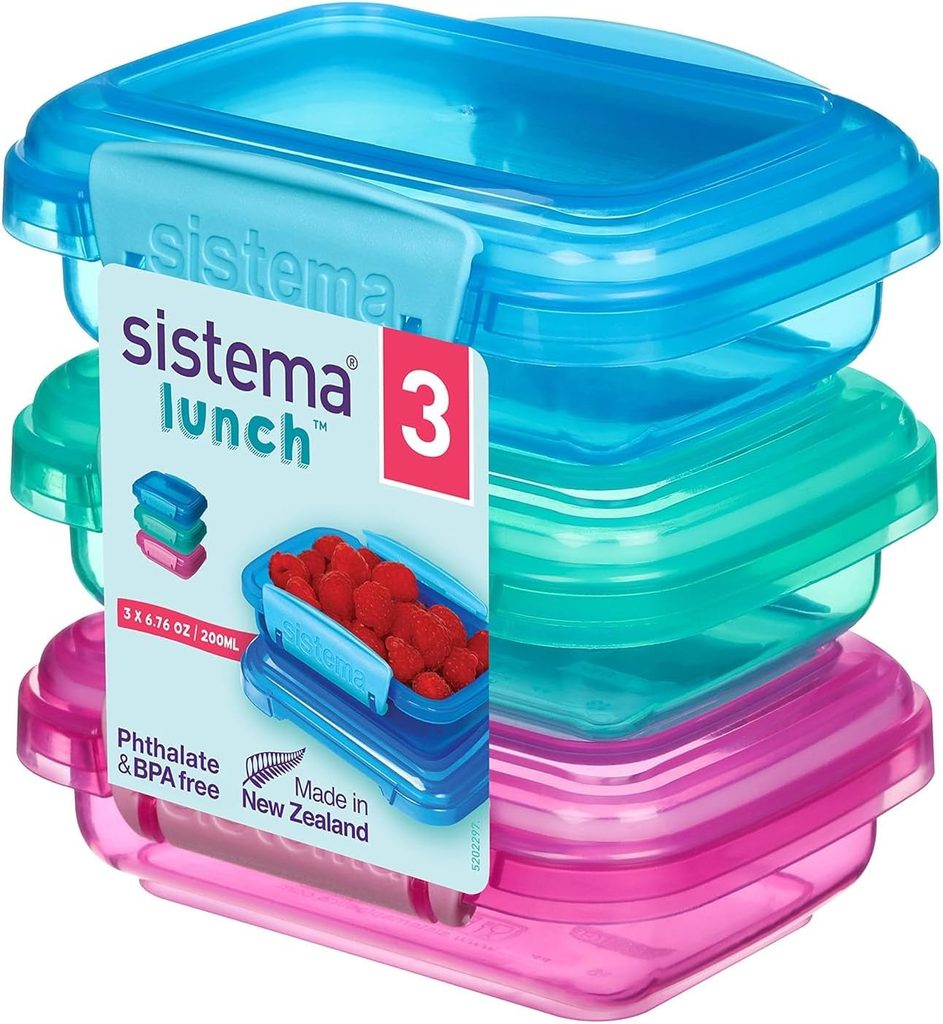
Snack containers
A small snack container that your child can open independently may make it easier to have a familiar snack ready at pickup. Look for something simple to clean and suited to your child’s age and needs.
Visual timers
A visual timer can help some children see how much time is left before the next activity. Choose one that feels clear and comfortable for your child. If watching time makes them more anxious, use a familiar verbal cue instead.
Calm corner supplies
A cosy spot can be as simple as a cushion, a blanket, a few books, or paper and crayons. A calm corner should be an invitation to pause, not a place a child is sent as punishment. Start with what you already have at home and notice what your child actually uses.

Free printable: After-School Reset Routine Chart
Use this simple routine as a reminder for your family:
1. Arrive and settle
A warm hello. Bags down. One next step.
2. Snack and drink
Offer a familiar snack and water if appropriate.
3. Quiet or movement
Choose a book, drawing, cosy spot, stretch, or short walk.
4. Connect and preview
Share a calm moment, then explain what happens next.
Some afternoons will still be hard. That doesn’t mean you’ve failed to follow the routine or that your child is failing to settle. A predictable, kind landing can simply give you both a little more room to get through the transition one ordinary day at a time.