By Nonye Chukwujama
Parenting toddlers can be joyful, but also a bit overwhelming—especially when it comes to supporting their growth. One question many parents ask is: “How can I help my toddler become smarter or improve their memory?”
The answer lies in something as simple and natural as smart play.
In this blog, you’ll learn how everyday play can boost your toddler’s brainpower. You’ll discover easy tips, fun ideas, and smart tools—plus where to find them—and hear real parent stories. Whether you’re a first-time parent or already juggling more than one toddler, this guide will help you raise a confident, bright child with ease.
Why Smart Play Matters
From age 1 to 3, your child’s brain is growing at a rapid pace. According to the Center on the Developing Child at Harvard, more than 1 million new neural connections are formed every second during these early years.
This means every moment—every giggle, puzzle piece, or pretend tea party—is shaping their memory, intelligence, and emotional well-being.
What is Smart Play?
Smart play includes fun activities that encourage:
– Cognitive development (memory, attention, language)
– Problem-solving
– Social skills
– Imagination
– Fine and gross motor skills
The best part? It doesn’t need to cost much or require screen time.
Everyday Smart Play Activities (With Product Suggestions)
Story Time with a Twist
Why it works: Reading helps language development, memory, and attention span.
Activity Tip: After reading a book, ask your toddler questions like “What happened next?” or “Where did the bunny go?”
Try this:
– Interactive Books like Usborne’s “Are You There Little Fox?” or Melissa & Doug’s Sound Books.

– Add storybook plush toys for pretend play after reading.
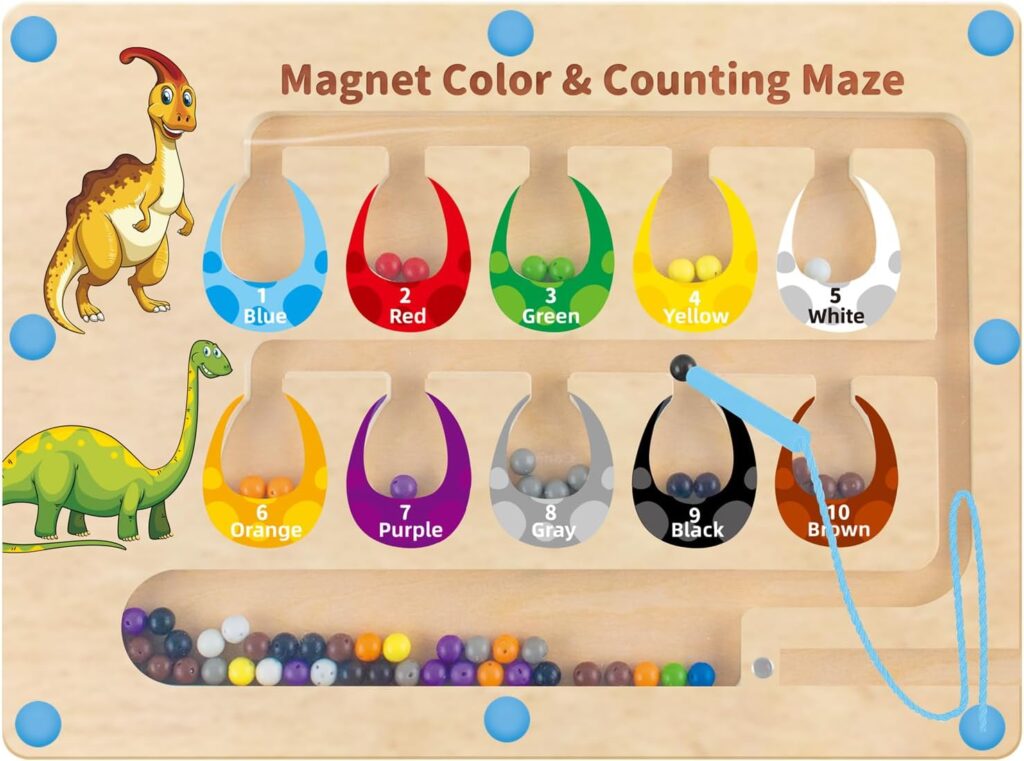
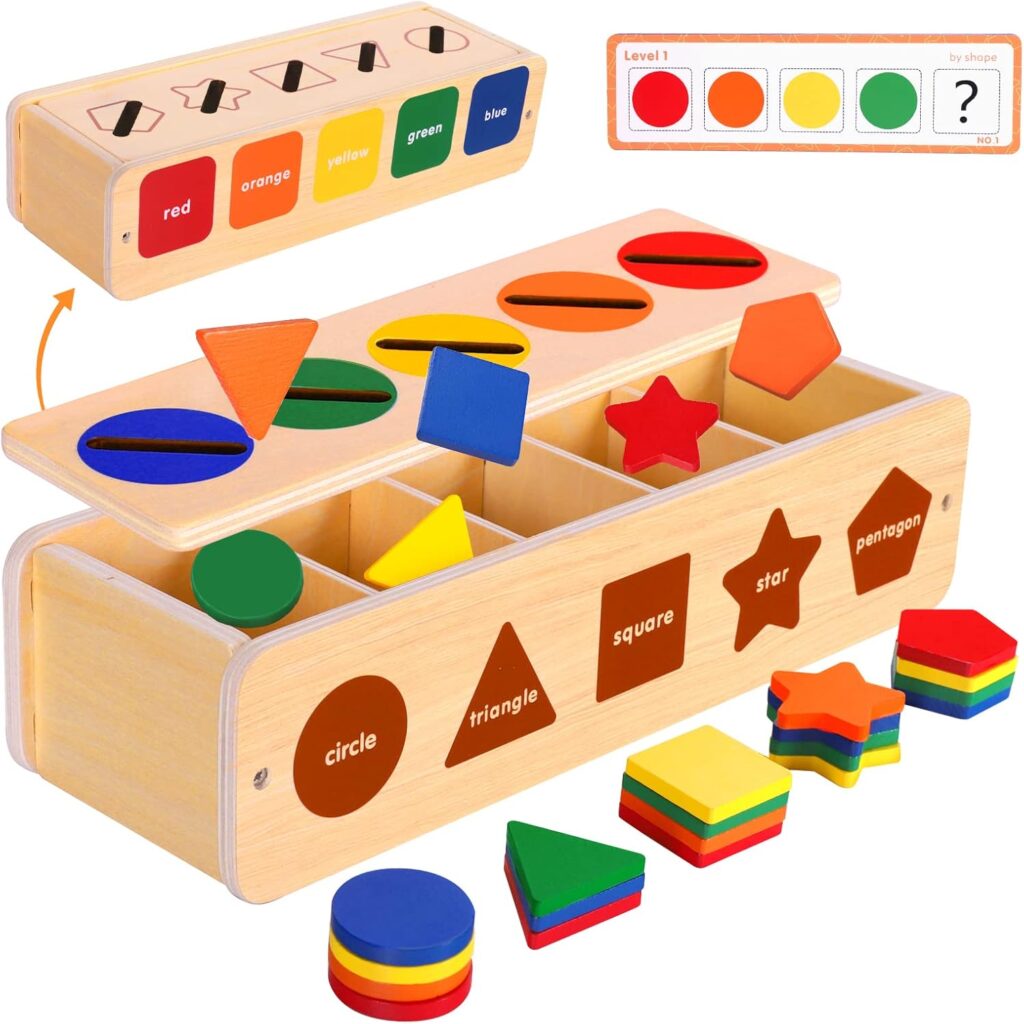
Sorting and Matching Games
Why it works: Boosts memory, pattern recognition, and logical thinking.
Activity Tip: Use colourful cups and spoons for sorting games or let your child match socks and toys by colour and size.
Try this:
– Montessori Sorting Toys
– Wooden Colour Sorting Bins
Music and Movement Play
Why it works: Stimulates both sides of the brain, improves rhythm and memory.
Activity Tip: Dance with your child to nursery rhymes, pause songs and ask them to “freeze,” or create fun rhythms with pots and pans.
Try this:
– Musical Toy Sets

– Toddler Dance Videos
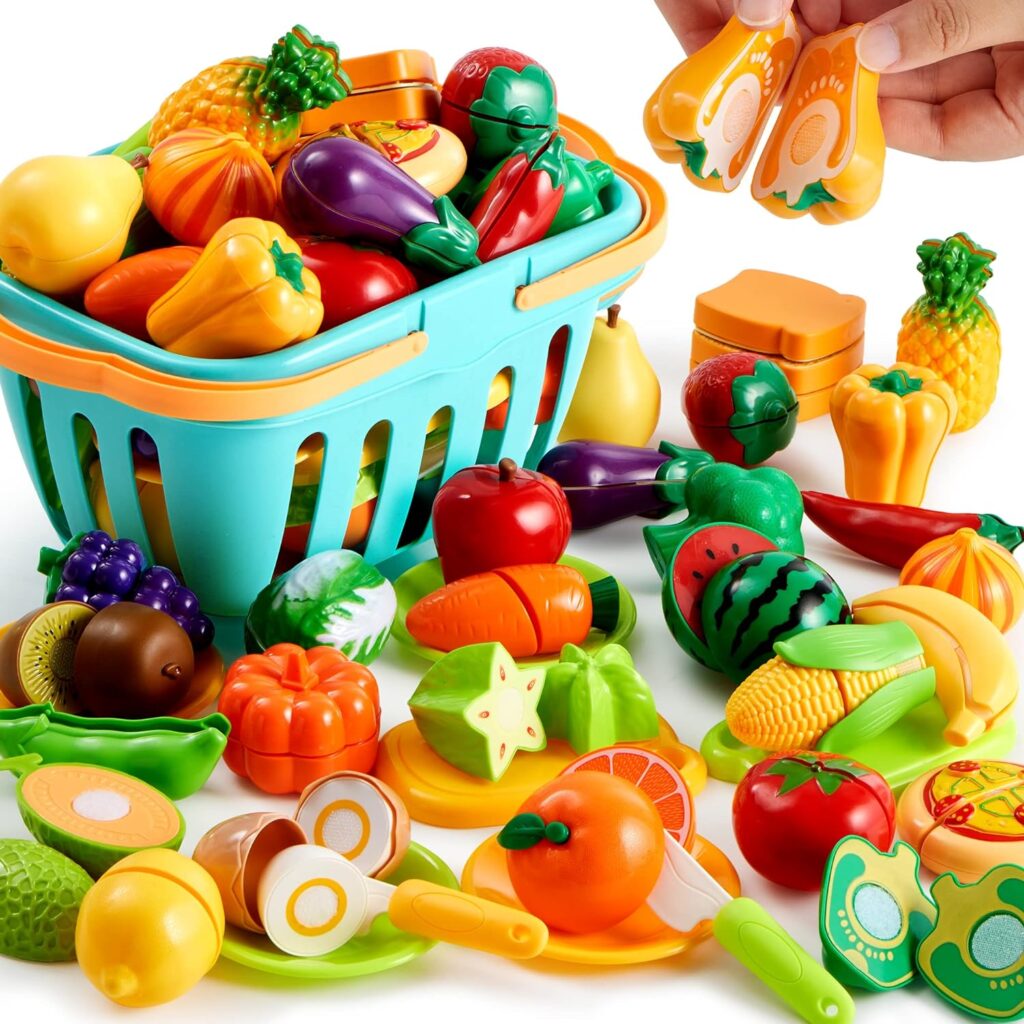
Pretend Play and Imaginative Stories
Why it works: Enhances language, creativity, and problem-solving.
Activity Tip: Let your child “cook” in a toy kitchen, “drive” a cardboard car, or create their own stories with puppets.
Try this:
– KidKraft Play Kitchen Sets
– Melissa & Doug Role Play Costumes

Melissa & Doug Role Play Costumes
– Hand Puppets

Hand Puppets
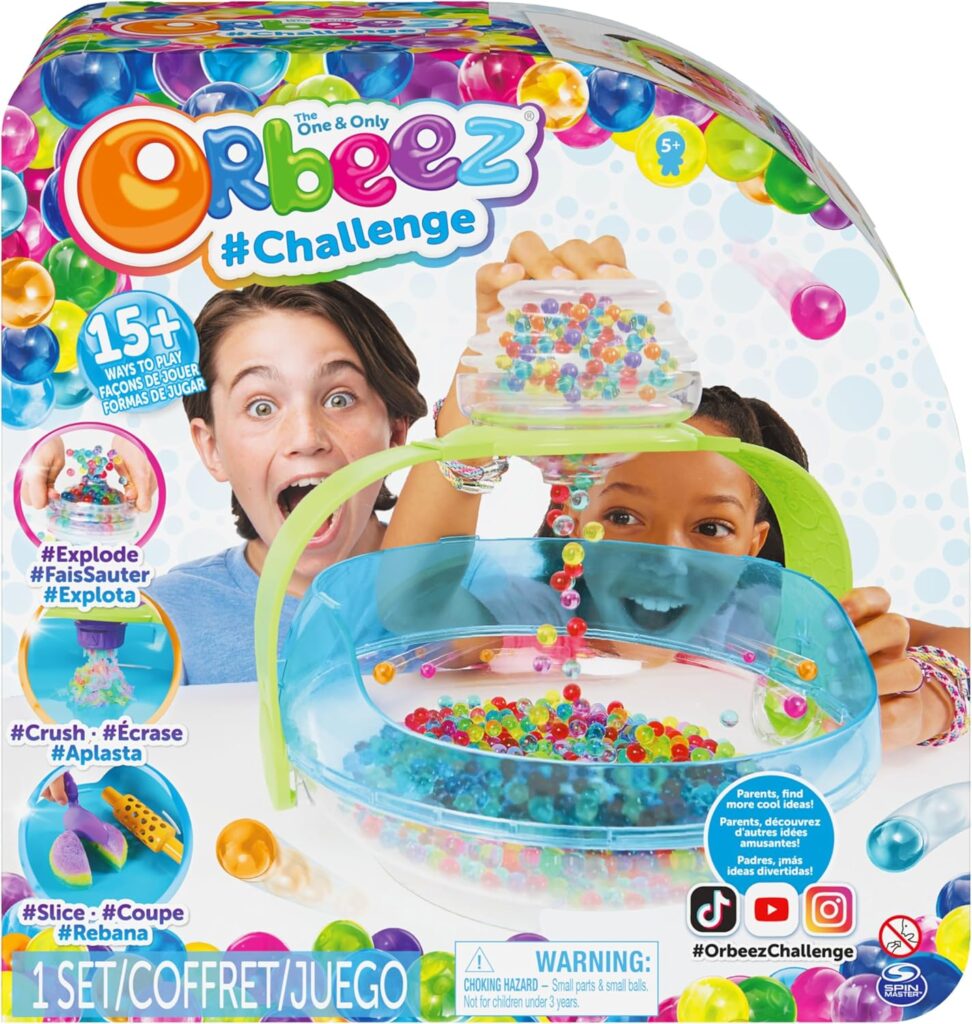
Sensory Bins and Messy Play
Why it works: Boosts brain development through touch, smell, and exploration.
Activity Tip: Fill a tub with rice, pasta, or water beads and hide small toys for them to find.
Try this:
– Sensory Bin Kits

– Non-toxic Water Beads
Simple Puzzle and Stacking Games
Why it works: Improves spatial memory and fine motor skills.
Activity Tip: Start with chunky puzzles and let your toddler work through stacking rings or building blocks.
Try this:
Wooden Puzzles

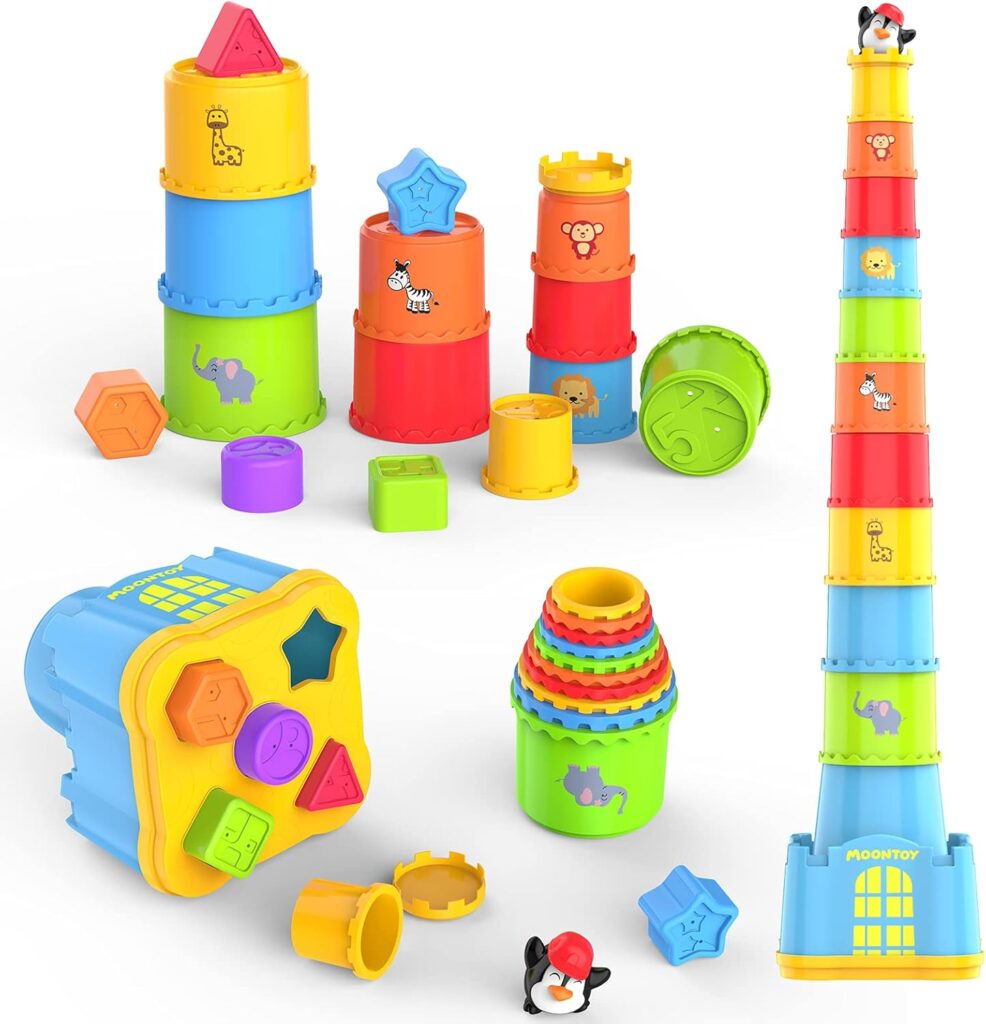
– Lovely Stacking Cups
Real Parent Voices
“I started doing memory games with my daughter using household items, and now she remembers things I forget! It’s fun and she thinks it’s a game.” — Titi, mum of 2
“My son learned colors and animal names just from sorting games and pretend zoo play. No screens needed.” — Nneka, Lagos
Weekly Smart Play Routine (For Busy Parents)
Even 20–30 minutes a day makes a difference. Try this simple weekly plan:
Monday – Story time + questions
Tuesday – Music and dance
Wednesday – Sensory bin exploration
Thursday – Puzzle game
Friday – Pretend play (kitchen, doctor, etc.)
Saturday – Matching/sorting game
Sunday – Nature walk + talk about what you see
Tips to Help Parents Get the Most Out of Smart Play
1. Make it daily, not perfect – Even 10 minutes of focused play matters.
2. Follow their lead – Let your child choose activities sometimes.
3. Repeat and be patient – Toddlers love repetition; it helps their memory.
4. Join in – Playing with them builds strong emotional bonds.
Download Our Free Printable: Smart Play Tracker for Toddlers
Keep track of weekly play, log favorite activities, and print it out to stick on the fridge.
Click HERE to access your free printable
Conclusion: Raise a Bright, Joyful Child Through Simple Play
Smart play is not about perfection or pressure. It’s about showing up, engaging with your child, and using what you already have at home.
With the right play, your toddler can grow more confident, focused, and curious—laying the foundation for a lifetime of learning.
Let’s Hear From You!
What are your child’s favorite games?
What’s one activity you’ll try this week?
Leave a comment or join our email list for weekly parenting tips and more freebies.