One rainy Saturday morning, I stumbled across a video that instantly caught my attention. In a quiet kindergarten classroom in Japan, a group of four-year-olds were calmly slicing vegetables, cleaning up after themselves, and serving lunch to their classmates. There was no chaos, no shouting; just little hands doing big things with purpose and pride.
As a mental health nurse and a mum, I felt deeply moved. It reminded me of something Sarah, another mum based in Malaysia, once shared with me: “My 6 years son could barely feed himself when we moved here. Within two months of school, he was folding laundry, preparing rice, and setting the table with no fuss.” What seemed like a miracle to her is simply a normal part of early education in many Asian countries.
That video stayed with me. Not just because of the impressive skills those children showed, but because it made me question what we often value most in early childhood. As parents, we want our kids to be school-ready, able to recite the alphabet, count to 20, and maybe write their names. But what if we’ve been focusing on the wrong things? What if being truly “ready” means knowing how to take care of yourself and others?
In many Asian countries like Japan, China, South Korea, and parts of Southeast Asia, children are taught life skills long before they’re expected to read or write. They’re encouraged to participate in meaningful daily routines, to clean, to cook, and to care. And the results? Independent, capable, and confident children. As a mum, that speaks directly to my heart. As a mental health professional, I know this kind of early responsibility lays a foundation for emotional strength and resilience.
Why the Asian Model Makes Sense
In Japan, for example, it’s normal for preschoolers to clean their own classrooms, serve food to their peers, and organize their own belongings. There’s no reward system for this, it’s simply expected. In South Korea, children learn to cook rice and sort their materials with care. In Montessori-based schools across Asia, kids are trusted with real tools and real tasks.
This approach doesn’t downplay academics. It simply delays them slightly so kids can first develop the focus, coordination, and emotional regulation they need to succeed in school later on. The result? Stronger attention spans, better behavior, and surprisingly, stronger academic performance down the road.
As a mum, I’ve often felt overwhelmed by how fast everything moves, especially when it comes to milestones. But watching how Asian schools start slowly, with heart and intention, reminds me that raising a child is not a race; it’s a relationship.
Parent Voices That Echo Mine
I’m not the only one noticing this shift. A Nigerian dad living in Japan shared on a parenting forum that he was confused when his daughter brought home no worksheets—but instead, showed him how to wash rice and fold napkins. “Now I understand,” he said. “She’s learning confidence.”
A fellow mum on Instagram recently posted a video of her 5-year-old preparing his own lunch. Her caption read: “No more lunchtime battles. Thanks to his preschool in South Korea, he thinks it’s fun!” Those simple words carry a powerful message. When kids are included, they cooperate. When they’re trusted, they rise to the occasion.
As someone who speaks to mums and dads every day—both in clinics and online—I know many of us are just trying to breathe. We’re tired. We want the best for our kids but are overwhelmed by the pressure. Let me tell you, this slower, skill-based approach is not just beautiful; it’s practical. It takes some pressure off us too.
How You Can Start at Home
You don’t need to live in Asia or have a fancy school nearby to try this out. Start right where you are. Here’s what’s helped me, and what I share with other parents I work with:
1. Give small, meaningful tasks– Let your toddler water plants or put spoons on the table. It builds pride and ownership.
2. Let them help you cook– Yes, it’s messy. But it’s also a chance to teach. Get child-safe tools—Montessori-style knives are amazing.
3. Build simple routines– We have a “clean-up song” at home. My little one now sings it while packing away toys.
4. Show them how, patiently– Use picture cards or simple step-by-step instructions.
5. Celebrate effort– Don’t wait for perfection. Praise the trying.
You can find great tools online, many of which I’ve used myself or recommended to other mums:
- – Montessori cleaning kits
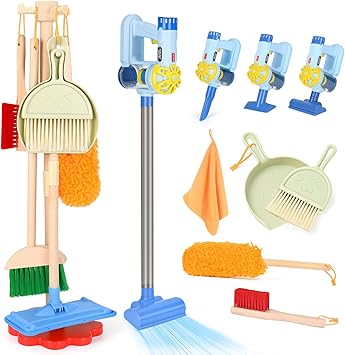
2. – Kids’ kitchen sets

3. Organizers and Storage Box
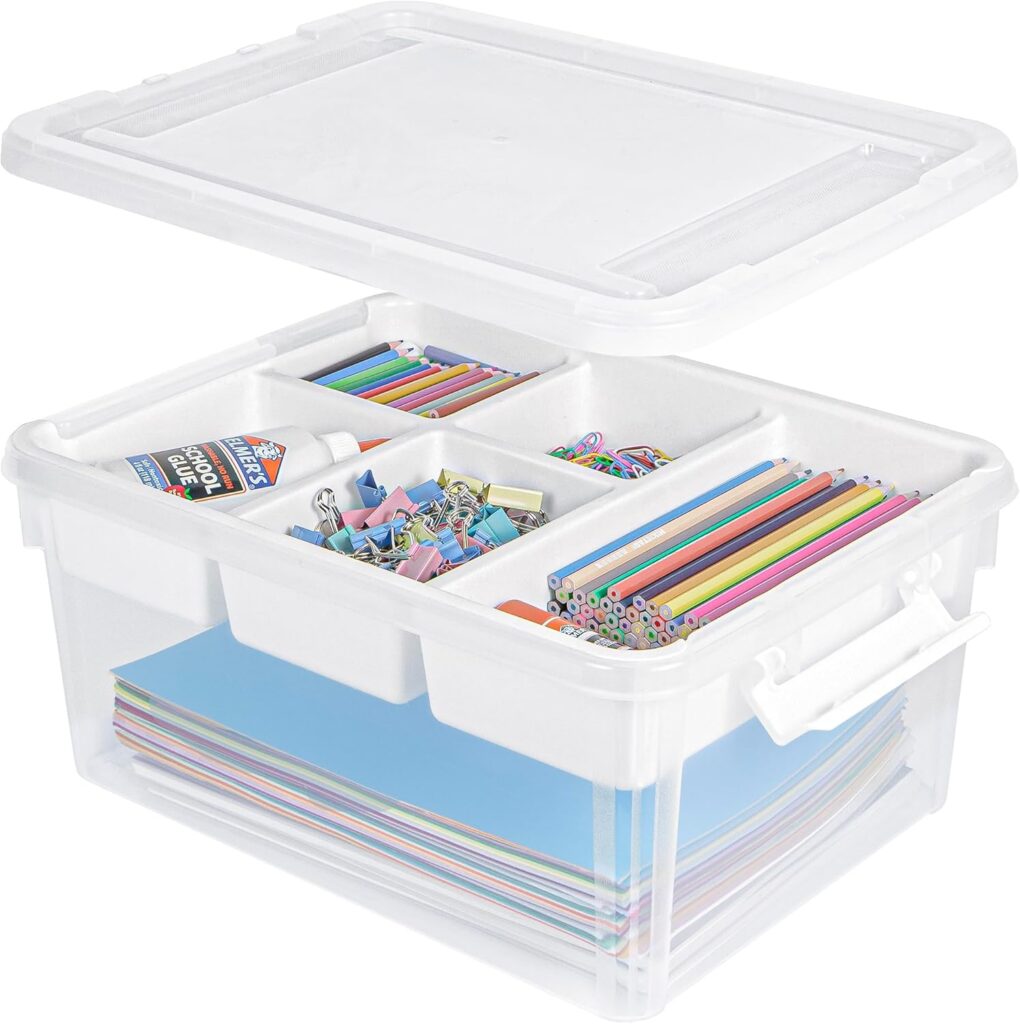
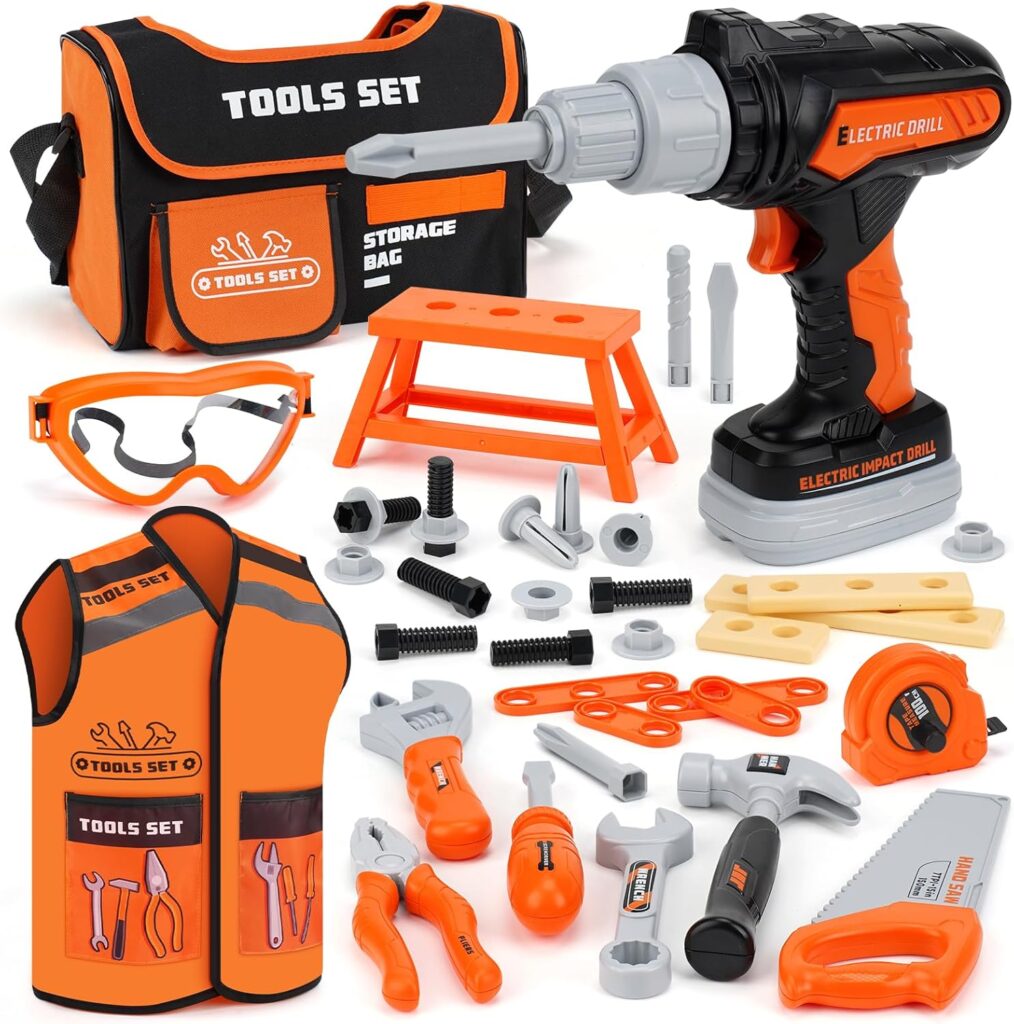
4. Vanplay Kids Toys – Pretend Play Tool Set Electric Drill With Tool Bags
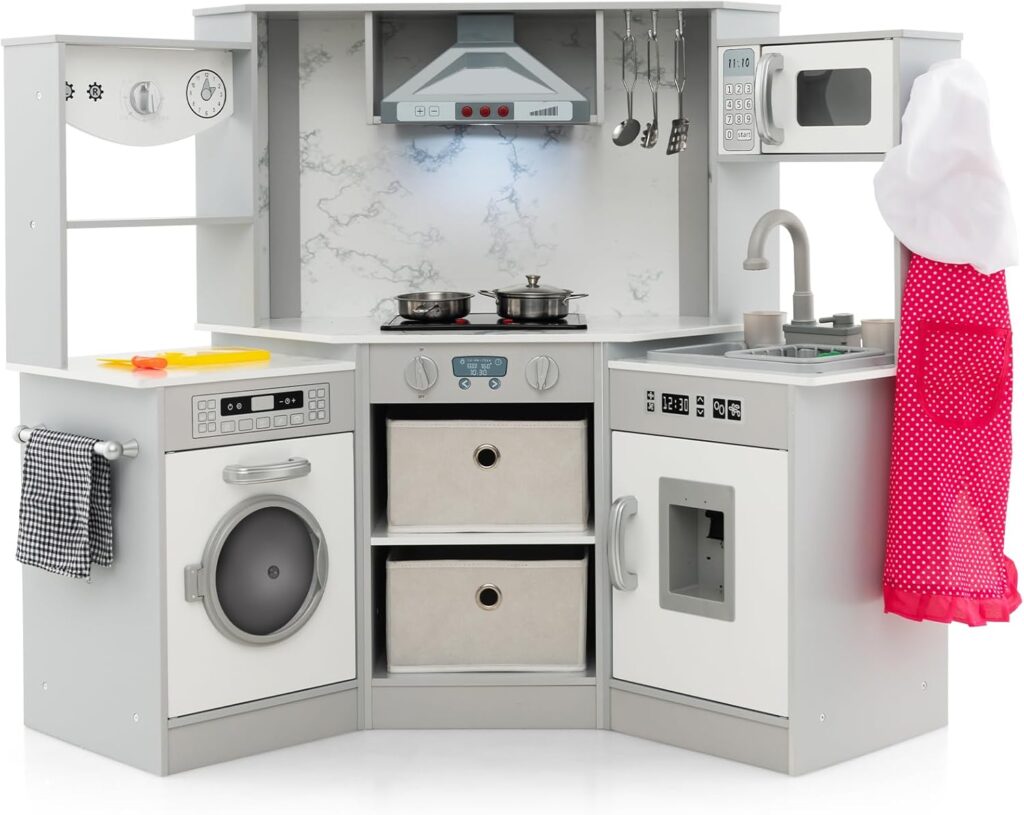
5. Amazon Basic Kids’ Corner wooden Kitchen Playset with Interactive Doors, Knobs and lights
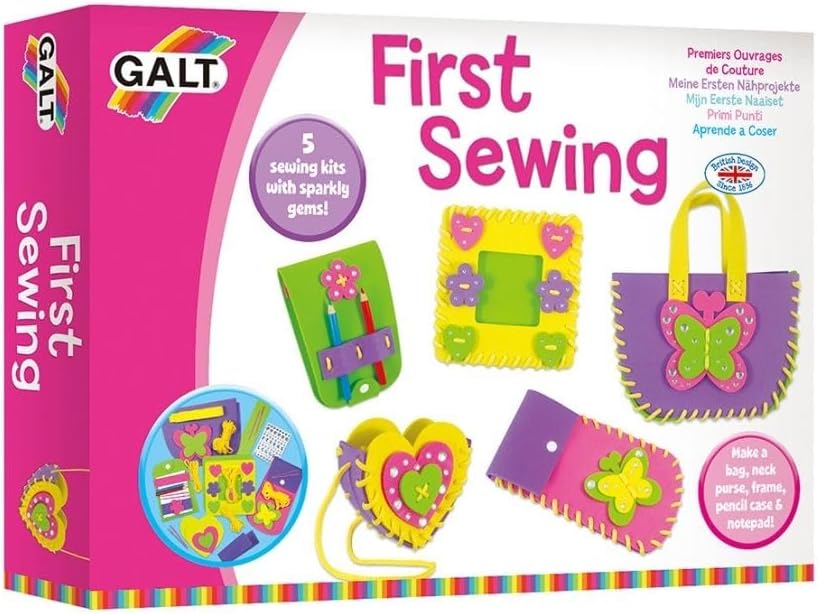
6. Glat First Sewing Kit – 5 Children’s Sewing Kits, Craft Kit for Kids – Introduction to sewing.
The Bigger Picture for Our Kids
Teaching life skills isn’t about making kids grow up faster, it’s about helping them grow with confidence. It’s about reminding ourselves that our children are capable. They want to help. They want to be trusted.
And as a mental health nurse, I can tell you this; children who are given small responsibilities early often grow into teens who believe in themselves. It builds self-esteem and reduces anxiety. It makes them more resilient.
And for us as parents? It brings relief. Because slowly, you’re not doing everything alone. You’re raising a teammate.
My Final Thoughts (From One Parent to Another)
I know what it’s like to feel behind. To scroll through parenting blogs and wonder if you’re doing enough. But let me tell you—if you’re even thinking about how to support your child better, you’re already doing more than enough.
Rethinking early education isn’t about copying another culture. It’s about learning what works and applying it with love. And in the Asian model, what works is trust. Patience. Simplicity. Real-life learning.
So the next time you worry about whether your child can write their name, ask: can they dress themselves? Tidy up a little? Show empathy to someone else? These skills matter deeply. They build the kind of child who feels confident in any classroom and any life.
You’re doing a great job. Let’s keep learning and growing together.
Freebie for You
If you’d like to begin this journey, I’ve created a “Life Skills by Age” Printable Checklist – A simple guide to help you introduce meaningful tasks at home. It covers ages 2 to 8 and includes ideas that you can try immediately.
Download now- https://raisingsmiles.co.uk/wp-content/uploads/2025/07/Life-skill-by-age-printable-.pdf
You can find it on our blog’s freebie page, or we’ll send it straight to your inbox when you join our newsletter. Let’s raise capable, kind, independent kids together.