Key Principles of Sleep Training
In this guide, we’ll explore the essential tips, methods, and expert advice on sleep training a toddler. From understanding the science behind toddler sleep to actionable strategies for making bedtime smoother, this post is packed with everything you need to know.
Why Is Sleep Training Important for Toddlers?
Before diving into the hows and whys, let’s talk about why sleep training your toddler is so vital.
A toddler’s sleep needs are different from a baby’s, and they can experience sleep challenges as they grow and develop. By the time your child is between 1 and 3 years old, they’ll likely need 11 to 14 hours of sleep per day, which includes naps. Sleep is crucial for a toddler’s physical and cognitive development, emotional regulation, and overall well-being.
Unfortunately, toddlers can have trouble settling down at night or staying asleep, often waking up in the middle of the night or struggling to fall asleep independently. This is where sleep training comes in. Sleep training is not about making your child sleep through the night immediately; instead, it’s about fostering healthy sleep patterns, so they feel secure and can self-soothe when it’s time to sleep.
Signs Your Toddler Is Ready for Sleep Training
Sleep training works best when both you and your toddler are ready. Here are some signs that it might be time to start sleep training:
- They’re old enough: Most toddlers are ready to begin sleep training between 18 months and 3 years old.
- They’re waking up multiple times at night: If your toddler frequently wakes up at night and struggles to settle back to sleep, sleep training might help.
- They’re resisting naps or bedtime: Toddlers often protest bedtime, and a consistent sleep routine can ease this resistance.
- They’re not falling asleep independently: If your toddler relies on you to help them fall asleep every night, it might be time to introduce more independent sleep skills.
The Basics of Sleep Training: Key Principles
Before you dive into specific methods, it’s important to understand the basic principles of sleep training that can set you up for success:
- Consistency Is Key: Toddlers thrive on routine. Consistency with bedtime and nap routines helps them know what to expect and feel secure.
- Create a Calming Bedtime Routine: A predictable bedtime routine helps signal to your toddler that it’s time to wind down and prepare for sleep.
- Be Patient: Sleep training can take time. Be prepared for setbacks, and remember that gradual changes tend to work best.
- Set Clear Sleep Expectations: Clearly communicate your sleep goals and be consistent with how you respond to your toddler’s night-time needs.
Common Sleep Training Methods for Toddlers
There are several sleep training methods that parents have found effective for toddlers. We’ll discuss the most common techniques, but keep in mind that every child is different. What works for one family may not work for another. It’s essential to remain flexible and patient as you experiment with different approaches.
1. The “Ferber Method” (Gradual Cry It Out)
One of the most well-known sleep training techniques is the Ferber Method, which involves allowing your toddler to cry for gradually increasing intervals before offering reassurance. The goal is to teach your toddler to self-soothe and fall asleep independently.
Here’s how it works:
- Start by putting your toddler to bed when they’re drowsy but still awake.
- If they cry, wait for a predetermined amount of time (usually starting with 3 to 5 minutes) before going in to offer brief reassurance.
- Gradually increase the time between check-ins, allowing your toddler to learn to fall asleep without your assistance.
While this method can be effective, it can also be emotionally challenging for parents and toddlers. It’s important to listen to your instincts and adjust as necessary if you feel your toddler is too distressed.
2. The “No Tears” Method
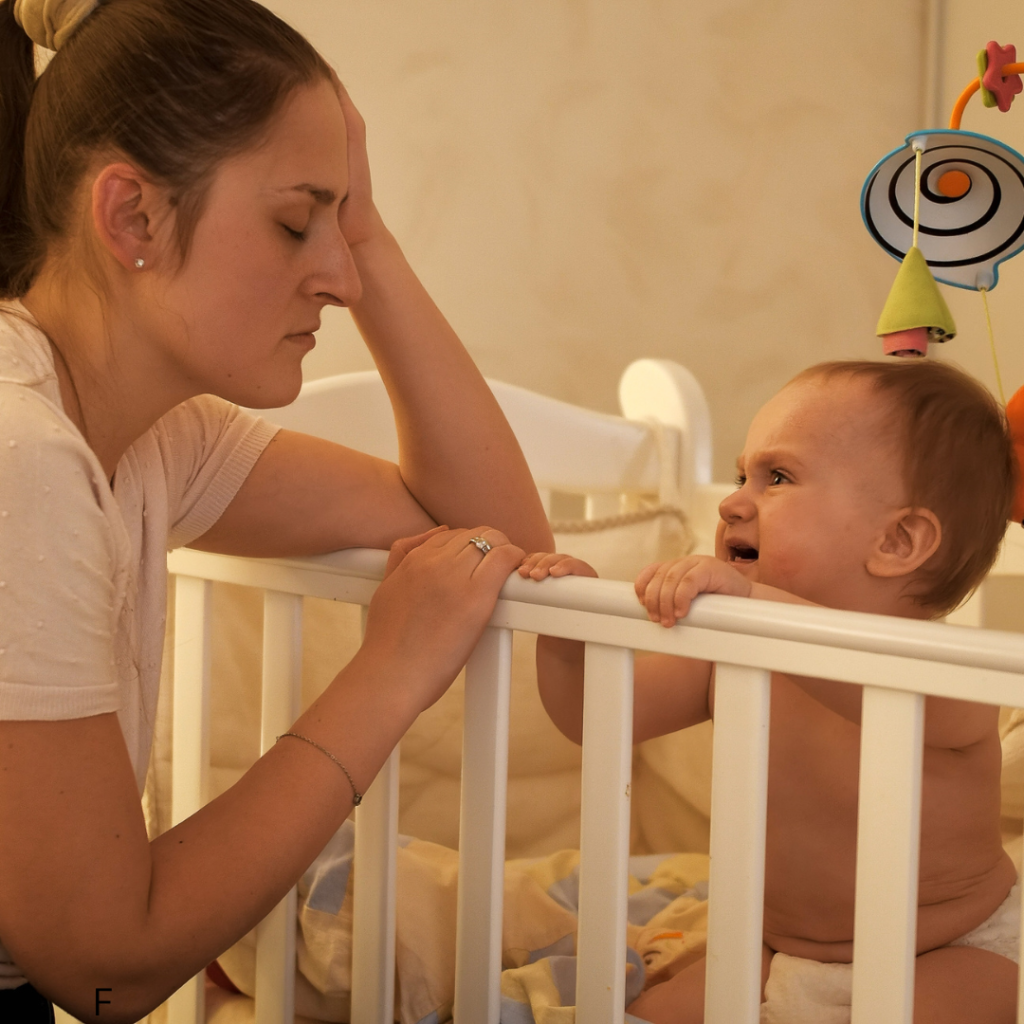
For parents who are uncomfortable with the idea of letting their toddler cry, the No Tears Method focuses on a gentle approach that doesn’t involve leaving your toddler alone to cry. Instead, this method involves gradually helping your toddler learn to fall asleep independently through comfort and reassurance.
Some key steps include:
- Create a consistent bedtime routine that signals to your toddler that it’s time to wind down.
- Offer comfort without picking up your toddler. This might mean patting them gently or offering soft reassurance.
- Gradually reduce the amount of intervention you provide each night. For example, you might initially spend more time in the room, then gradually reduce the time you spend with them over several nights.
The No Tears Method can take longer than the Ferber Method, but it’s a gentler way of sleep training that many parents prefer.
3. The Chair Method

The Chair Method is another gradual approach, similar to the Ferber Method, but with a twist. Instead of letting your toddler cry it out, you stay in the room with them but gradually reduce your involvement as they become more comfortable falling asleep independently.
Here’s how it works:
- Put your toddler in their crib or bed, and sit in a chair beside them until they fall asleep.
- Each night, move the chair farther away from the crib or bed until you’re no longer in the room.
- This method helps your toddler gradually transition to falling asleep on their own without the distress of crying.
While this method may take longer than others, it’s a good option for toddlers who are more sensitive or need more reassurance.
4. Pick Up/Put Down Method

This method involves picking your toddler up when they cry and calming them, but putting them back in the crib as soon as they are calm enough to fall asleep independently. The idea is to break the association between you being present and falling asleep while offering comfort when necessary.
Here’s how it works:
- Put your toddler in the crib when they’re drowsy but awake.
- If they cry, pick them up and calm them until they are relaxed.
- Once they’re calm, put them back in the crib.
- Repeat this process each time your toddler cries, gradually reducing the time you spend picking them up.
This method can be effective for toddlers who need reassurance but may not be ready for full-on sleep training.
Helpful Tips for Successful Sleep Training
In addition to choosing the right method, there are a few additional tips that can make sleep training more successful:
- Create a Calming Bedtime Routine: Toddlers love routine, so a predictable bedtime routine is essential. Consider including a warm bath, reading a bedtime story, and gentle lullabies to help your toddler relax before bed.
- Keep the Sleep Environment Comfortable: Make sure your toddler’s sleep space is conducive to rest. This includes a comfortable mattress, appropriate room temperature (68-72°F), and minimal noise and light.
- Consistency Is Crucial: Stick to the same bedtime every night and try to keep naps consistent. The more predictable the schedule, the easier it will be for your toddler to adapt.
- Avoid Overstimulating Activities Before Bed: Limit screen time and active play in the hour leading up to bedtime. Instead, focus on calm, quiet activities like reading or playing with soft toys.
- Stay Calm and Reassuring: If your toddler cries or protests, stay calm. Your toddler is looking for your reassurance, so try to comfort them without picking them up if you’re following a method that encourages independence.
- Consider Night Weaning: If your toddler is still waking for night-time feedings, consider gradually night weaning as part of the sleep training process. This will help your toddler break the association between waking up and being fed.
- Be Patient and Flexible: Sleep training can take time. If one method isn’t working, don’t be afraid to try another or adjust your approach. Each toddler is unique, so what works for one may not work for another.
How Long Will Sleep Training My Toddler Take?
The length of time it takes to sleep train your toddler can vary depending on several factors, such as the sleep method you choose, your toddler’s temperament, and how consistent you are with your approach.
In general, sleep training can take anywhere from a few days to a few weeks. If you’re using a gentler approach like the Chair or No Tears Method, it might take longer for your toddler to adjust. On the other hand, more structured methods like the Ferber Method can lead to quicker results, but they may require more emotional patience.
Keep in mind that sleep training is a process, and there may be setbacks along the way. Stay consistent, be patient, and celebrate small victories as your toddler learns to self-soothe and sleep independently.
Can I Sleep Train My Toddler for Naptime?
Yes! Sleep training isn’t just for nighttime sleep; you can apply many of the same principles to your toddler’s nap routine. In fact, establishing a consistent naptime routine can help your toddler learn the skills needed to sleep well during the day and night.
To sleep train for naptime:
- Create a calming pre-nap routine, such as reading a story or listening to soothing music.
- Ensure your toddler’s sleep environment is quiet and comfortable.
- Be consistent with nap times, ensuring your toddler gets the right amount of daytime sleep.
- Use the same sleep training method you’re using at night, whether it’s the Ferber Method, No Tears, or the Chair Method.
Things That Can Impact Toddler Sleep

Several factors can affect your toddler’s sleep, including:
- Teething: Teething pain can disrupt sleep. If your toddler is teething, be extra patient and offer comfort as needed.
- Illness: A cold or other illness can cause sleep disruptions. Make sure your toddler is comfortable and hydrated while they recover.
- Separation Anxiety: Some toddlers experience separation anxiety at bedtime, which can make sleep training harder. Offering comfort and reassurance during this phase can help.
- Changes in Routine: Big changes like moving to a new house, a new sibling, or daycare can impact your toddler’s sleep. A consistent bedtime routine can help provide stability during transitions.
Toddler Sleep Safety Tips
Sleep safety is critical when sleep training your toddler. Here are a few tips to ensure your child sleeps safely:
- Safe Sleep Environment: Ensure the crib or bed is free of loose bedding, pillows, or stuffed animals that could pose a suffocation risk.
- Sleep Position: Always place your toddler on their back to sleep, as this reduces the risk of SIDS.
- Monitor Room Temperature: Keep the room at a comfortable temperature (68-72°F) and dress your toddler appropriately for sleep to avoid overheating.
- Avoid Sleep Aids: Avoid using sleep aids such as blankets or pillows that could be dangerous.
Conclusion: Helping Your Toddler Sleep Well
Sleep training a toddler is a journey that takes time, patience, and consistency. By using a gentle, tailored approach and staying committed to helping your toddler develop healthy sleep habits, you can achieve the goal of independent sleep—benefiting your child’s development and your own well-being.
Remember, every toddler is different. If one sleep training method doesn’t work, don’t be afraid to try another or adjust based on your toddler’s needs. Trust your instincts, stick to your sleep plan, and soon enough, bedtime battles will become a thing of the past.