What Emotional Safety Really Means
Emotional safety means a child feels accepted, understood, and protected in relationships. It is the feeling that emotions are allowed, mistakes are safe, and connection is secure even during conflict. When children feel emotionally safe, they are more likely to express feelings, ask for help, and try new things.Unlike physical safety, emotional safety is invisible. It is communicated through tone of voice, facial expressions, responses to mistakes, and how adults handle big emotions.
Table of Contents
– Why Emotional Safety Matters for Children
– Signs a Child Feels Emotionally Safe
– Common Parenting Challenges That Reduce Emotional Safety
– Daily Moments That Build Emotional Safety
– How Emotional Safety Supports Behavior and Learning
– Parent Stories and Research Insights
– Tools and Resources That Support Emotional Safety
– Freebies and Next Steps for Parents
Why Emotional Safety Matters for Children
Research in child development consistently shows that children who feel emotionally safe grow in healthier and more balanced ways. When emotional safety is present, children are better able to manage their feelings, communicate their needs, and build strong relationships with others.
Emotional safety supports key areas of development, including:
- Secure attachment, which helps children feel safe, connected, and confident in relationships
- Emotional intelligence in kids, allowing them to recognize, name, and manage their feelings
- Positive parent-child relationships, built on trust, understanding, and mutual respect
- Fewer tantrums and emotional outbursts, because emotions are acknowledged rather than suppressed
- Stronger mental health, both in early childhood and later in life
Children who feel emotionally safe are not being spoiled or overprotected. They are being supported in ways that match their developmental needs. This support teaches children that emotions are safe to express and problems can be solved without fear.
Over time, emotional safety becomes the foundation for resilience, confidence, and healthy independence. Children raised in emotionally safe environments are more likely to cope well with stress, adapt to change, and form healthy relationships as they grow.
Signs a Child Feels Emotionally Safe
Many parents wonder how to know if emotional safety is truly present. While emotional safety cannot be seen, it shows up clearly in a child’s everyday behaviour and responses.
Common signs of emotional safety include:
- Freely expressing feelings, including joy, frustration, fear, or disappointment
- Recovering from upset more quickly, with less intensity and shorter emotional storms
- Seeking comfort when distressed, rather than withdrawing or acting out
- Showing curiosity and confidence, especially when exploring new situations
- Communicating needs with fewer meltdowns, because emotions feel safe to share
These signs do not mean a child never struggles or has difficult moments. Emotional safety is not about perfect behaviour. It is about feeling secure enough to experience emotions without fear.
Emotional safety develops gradually through consistent, positive interactions. Each calm response, validating word, and moment of connection strengthens a child’s sense of security over time.
Common Parenting Challenges That Reduce Emotional Safety
Most parents want the best for their children. However, daily stress, time pressure, and lack of support can sometimes lead to reactions that unintentionally reduce emotional safety. These moments are common and understandable, but knowing how they affect a child helps parents respond more effectively.
Below are some common challenges explained in simple terms:
1. Rushing Through Daily Routines
Mornings, mealtimes, homework, and bedtime are often rushed. When adults are in a hurry, children may be pushed to “move faster” without their feelings being acknowledged. A child who feels hurried may feel unheard or unimportant, especially when emotions slow them down.
Over time, this teaches children that emotions are a problem rather than something that can be safely expressed.
2. Dismissing Feelings to Stop Crying Quickly
Phrases like “You’re fine,” “Stop crying,” or “It’s not a big deal” are often used to calm a situation quickly. While the intention is to help, these responses can make children feel that their emotions are wrong or unaccepted.
Children are still learning how to understand and manage big feelings. When emotions are dismissed, children may stop sharing how they feel and instead hold emotions inside.
3. Using Fear-Based Discipline
Fear-based discipline includes yelling, threats, shame, or punishment meant to scare a child into behaving. While this may stop behaviour in the moment, it does not teach emotional control or problem-solving.
Fear shuts down the thinking part of the brain. When children feel afraid, they focus on survival rather than learning. This weakens trust and reduces emotional safety over time.
4. Expecting Emotional Control Beyond Developmental Ability
Young children do not yet have the brain development needed to stay calm under stress. Skills like impulse control, emotional regulation, and reasoning develop slowly and continue into adulthood.
Expecting a toddler or young child to “just calm down” or “act their age” ignores how the brain develops. When expectations are too high, children may feel like they are failing, even when they are behaving normally for their age.
Why This Matters
When emotions are minimized, rushed, or punished, children do not learn how to manage feelings. Instead, they learn to hide emotions, suppress reactions, or express feelings through behavior like tantrums or withdrawal.
Emotional safety grows when children feel understood, supported, and guided not hurried, dismissed, or scared.
Daily Moments That Build Emotional Safety
Emotional safety is not created during big talks or special activities. It is built in small, everyday moments that happen repeatedly. These moments may seem ordinary, but they strongly shape how safe and connected a child feels.
Below are key daily moments that help build emotional safety, explained in practical and easy-to-understand ways.
1. Morning Transitions: Setting the Emotional Tone
How the day begins often affects how the rest of the day feels. A calm and warm greeting helps a child feel noticed and emotionally grounded.
Simple actions like eye contact, a gentle voice, or a kind word can make a big difference. When mornings are rushed or tense, children may start the day feeling anxious or disconnected.
Why it matters:
A calm start tells the child, “You are safe, and this day is manageable.” This reduces stress and supports better cooperation later.
What helps:
- Greet the child before giving instructions
- Keep tone calm, even when running late
- Offer brief reassurance during transitions
2. Mealtimes: Building Trust Through Listening
Mealtimes offer natural opportunities for connection. When adults listen without correcting, rushing, or criticizing, children feel heard and respected.
This does not mean agreeing with everything a child says. It means allowing space for expression without judgment.
Why it matters:
Feeling listened to builds trust. Children who feel safe sharing at the table are more likely to communicate openly in other areas of life.
What helps:
- Allow the child to talk without interruption
- Respond with interest rather than correction
- Avoid turning meals into lectures
3. Playtime: Communicating Respect Through Attention
Play is how children express thoughts, emotions, and experiences. When adults follow a child’s lead during play, it sends a strong message of respect.
This means letting the child choose the activity and direction, even for a short time.
Why it matters:
Being followed in play tells the child, “Your ideas matter.” This strengthens confidence and emotional safety.
What helps:
- Set aside short, focused play time
- Let the child lead without controlling
- Observe and reflect what the child is doing
4. Discipline Moments: Teaching Without Shaming
Discipline is one of the most important moments for building or breaking emotional safety. Teaching works best when it focuses on guidance, not punishment.
Shaming, yelling, or threats may stop behavior temporarily but damage trust.
Why it matters:
When children feel safe during correction, they are more open to learning and changing behavior.
What helps:
- Stay calm during correction
- Name the behavior, not the child
- Offer clear guidance and support
5. Bedtime: Reinforcing Security Through Predictability
Bedtime can be emotional for many children. Predictable routines help children feel safe as they transition from activity to rest.
Consistency creates a sense of security, even when the day has been difficult.
Why it matters:
Predictable bedtime routines tell the child, “You are safe, and tomorrow will come.”
What helps:
- Keep bedtime routines consistent
- Use calm voices and gentle actions
- Allow space for emotions before sleep
Why These Moments Matter
These daily moments send powerful messages to children. They teach that emotions are safe to express, mistakes are part of learning, and relationships remain steady even during difficult times.
Over time, these small interactions build trust, emotional regulation, and strong parent-child relationships.
Emotional safety grows through repetition. Each calm response and connected moment strengthens a child’s sense of security.
How Emotional Safety Supports Behaviour and Learning
Children learn best when they feel safe emotionally and physically. When a child feels threatened, ignored, or overwhelmed, the brain shifts into survival mode. In this state, learning becomes very difficult.
Emotional safety helps lower stress hormones, such as cortisol, in the brain. When stress levels are reduced, the thinking part of the brain (responsible for reasoning, language, and decision-making) can work properly. This allows children to learn, listen, and cooperate more effectively.
Emotional safety directly supports several important areas of development:
Improved Attention Span
Children who feel emotionally safe are better able to focus. When the brain is not busy protecting itself from stress, it can pay attention to instructions, tasks, and conversations. This leads to longer attention spans and better engagement in learning activities.
Stronger Language Development
Children are more likely to talk, ask questions, and try new words when they feel safe. Emotional safety encourages communication because children are not afraid of being corrected, laughed at, or ignored. This is especially important for toddlers and young children still developing speech and language skills.
Better Problem-Solving Skills
Emotionally safe children are more willing to try, fail, and try again. They are less afraid of making mistakes and more open to guidance. This helps them develop critical thinking, flexibility, and resilience when facing challenges.
Increased Cooperation
When children feel understood and respected, they are more likely to cooperate—not because they are forced, but because they feel connected. Emotional safety reduces power struggles and encourages teamwork between parent and child.
Why Behaviour Improves Naturally
Behaviour is often a form of communication. When emotional needs are unmet, children may express feelings through tantrums, defiance, or withdrawal. When emotional needs are met, children feel calmer and more regulated, which leads to better behaviour without constant correction or punishment.
Emotional safety does not mean removing boundaries. It means creating a supportive environment where learning and behaviour change can happen naturally.
Over time, children raised in emotionally safe environments develop stronger self-control, better learning outcomes, and healthier relationships skills that benefit them well beyond childhood.
Parent Stories and Research Insights
Many parents report noticeable changes once they shift from control-based parenting to more connection-focused responses. These changes are often gradual but meaningful, showing up in calmer routines, fewer power struggles, and stronger parent-child relationships.
Aisha O., Lagos, Nigeria, a mother of two pre-schoolers, shared that daily meltdowns reduced significantly after she began acknowledging emotions before correcting behaviour. Instead of demanding immediate compliance, she focused on connection first. Within weeks, transitions became smoother, and her children began expressing feelings with words rather than behaviour.
Similarly, Claire M., Manchester, UK, noticed improved cooperation after changing how discipline was handled at home. By replacing yelling with calm guidance and predictable boundaries, bedtime struggles became less intense, and communication improved. According to her, “Nothing about the rules changed. What changed was how those rules were communicated.”
These experiences are supported by research. The American Academy of Paediatrics (AAP) emphasizes that emotionally responsive caregiving helps children develop self-regulation, resilience, and strong mental health outcomes. When children feel emotionally safe, they are more open to learning and guidance.
The early childhood organization Zero to Three also highlights that consistent, nurturing responses to emotions build the brain architecture needed for lifelong emotional and social health. Their research shows that children thrive when caregivers respond with understanding, structure, and consistency.
Importantly, emotional safety does not mean the absence of boundaries. Boundaries remain essential. Emotional safety strengthens boundaries by making them clearer, calmer, and more effective. Children are more likely to respect limits when they feel understood and supported.
Over time, emotionally responsive parenting builds trust. That trust becomes the foundation for cooperation, learning, and healthy independence benefits that extend well beyond the early years.
Tools That Support Emotional Safety
Building emotional safety is easier when parents have the right tools. Supportive resources help children understand emotions, express themselves clearly, and feel secure during daily routines. When used consistently, these tools strengthen connection and reduce emotional overwhelm.
Below are practical resources many parents find helpful:

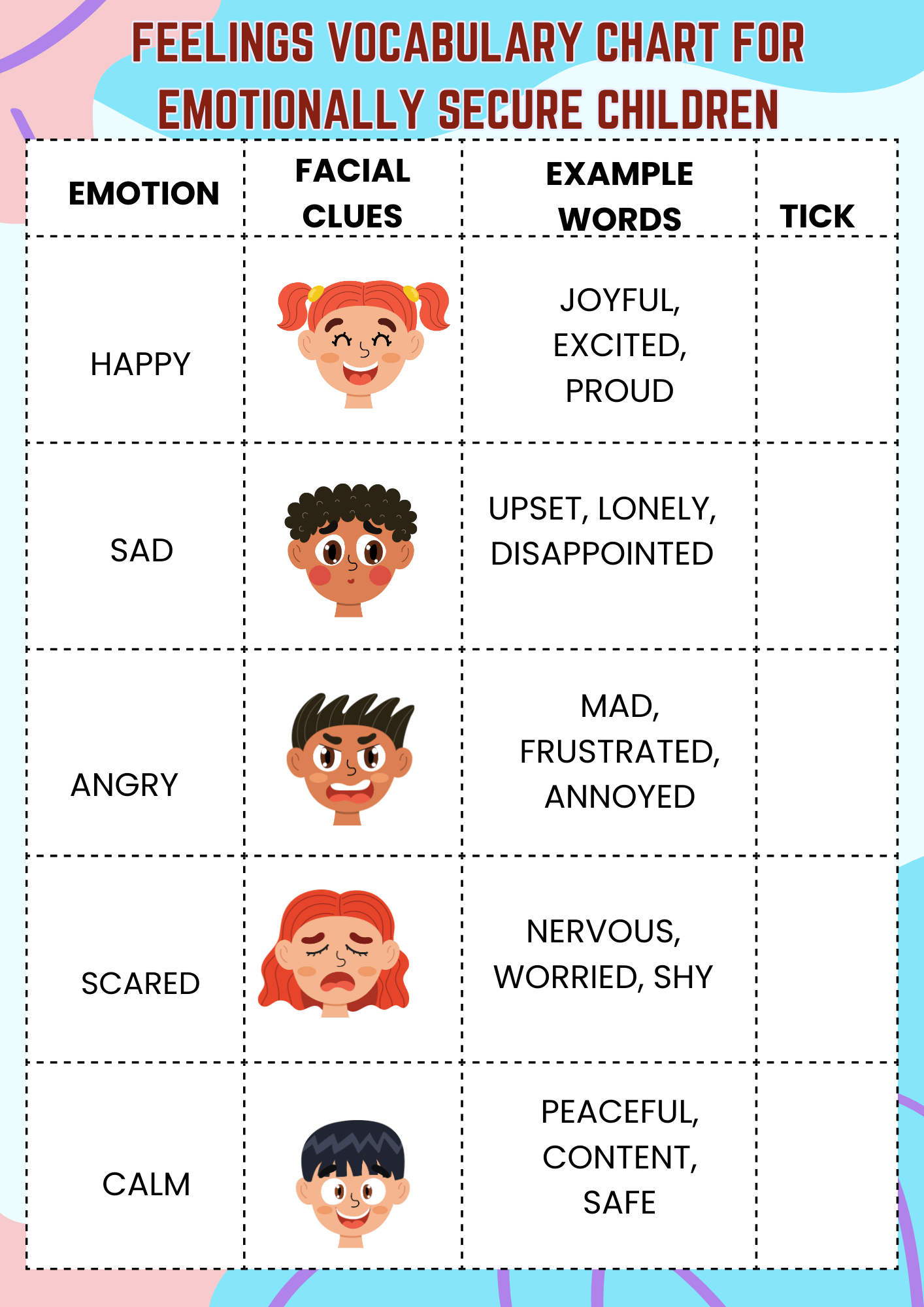
Emotion cards introduce children to feeling words such as happy, frustrated, worried, or excited. They are especially useful for toddlers and young children who struggle to explain how they feel.
How they help:
They build emotional vocabulary and reduce meltdowns by giving children words instead of behavior.
2. Feelings Books for Toddlers
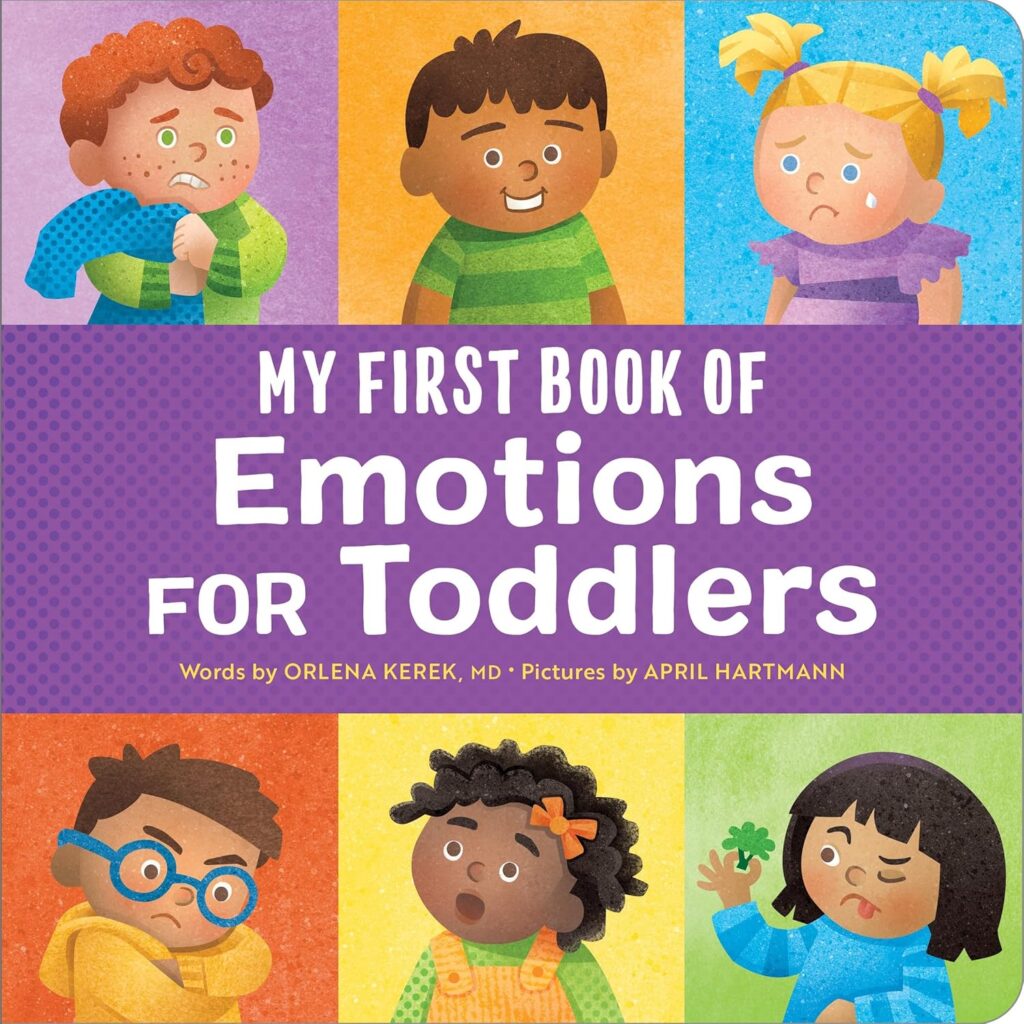
Books that focus on emotions help normalize feelings and show children that emotions are safe and manageable. Reading about characters who experience emotions helps children recognize similar feelings in themselves.
How they help:
They support emotional intelligence in kids and encourage open conversations about feelings.
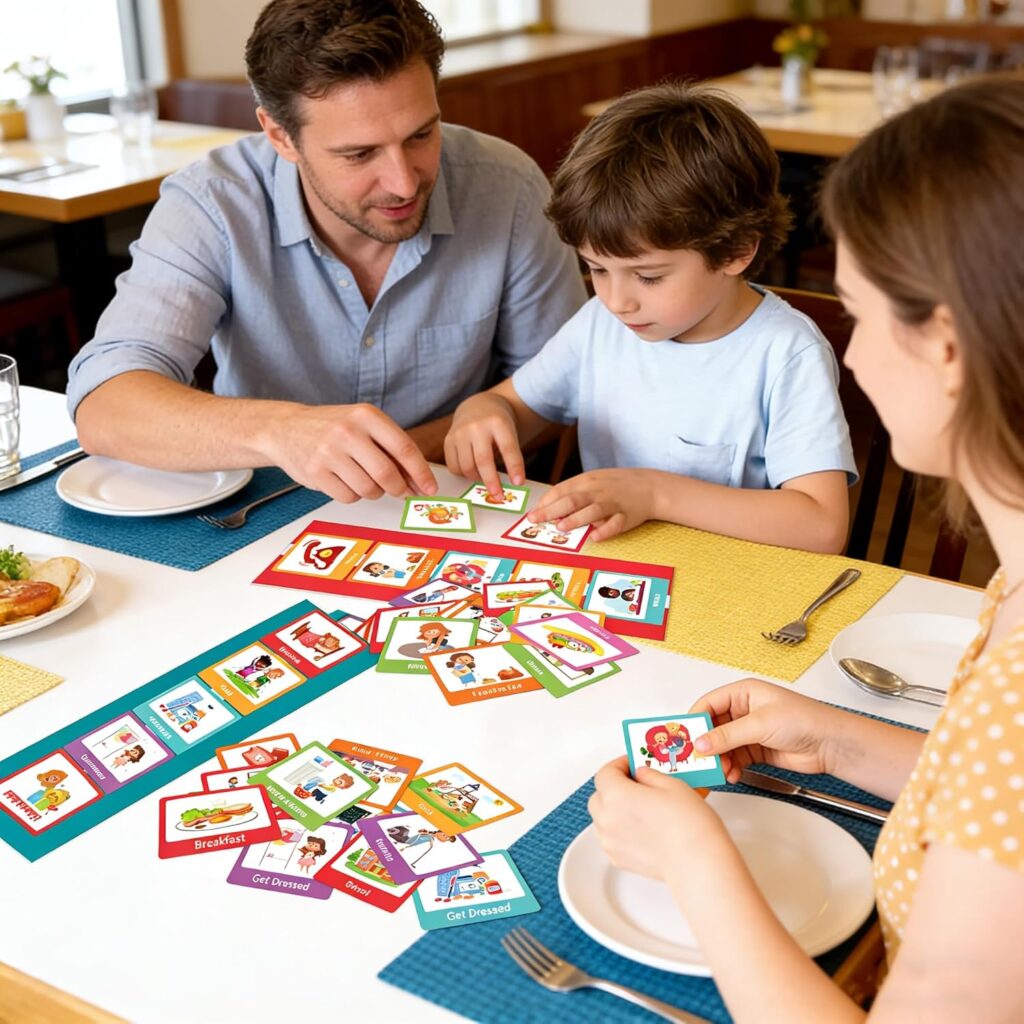
Visual routine charts show daily activities using pictures or simple words. These charts help children know what to expect, which reduces anxiety and emotional resistance during transitions.
How they help:
Predictability creates emotional safety by helping children feel prepared and in control.
4. Parenting Courses on Raising Confident Children

Courses focused on building confidence and emotional safety provides parents with practical strategies for responding calmly and effectively to challenging behaviour.
How they help:
They support parents in building emotional safety while maintaining clear boundaries.
Freebies
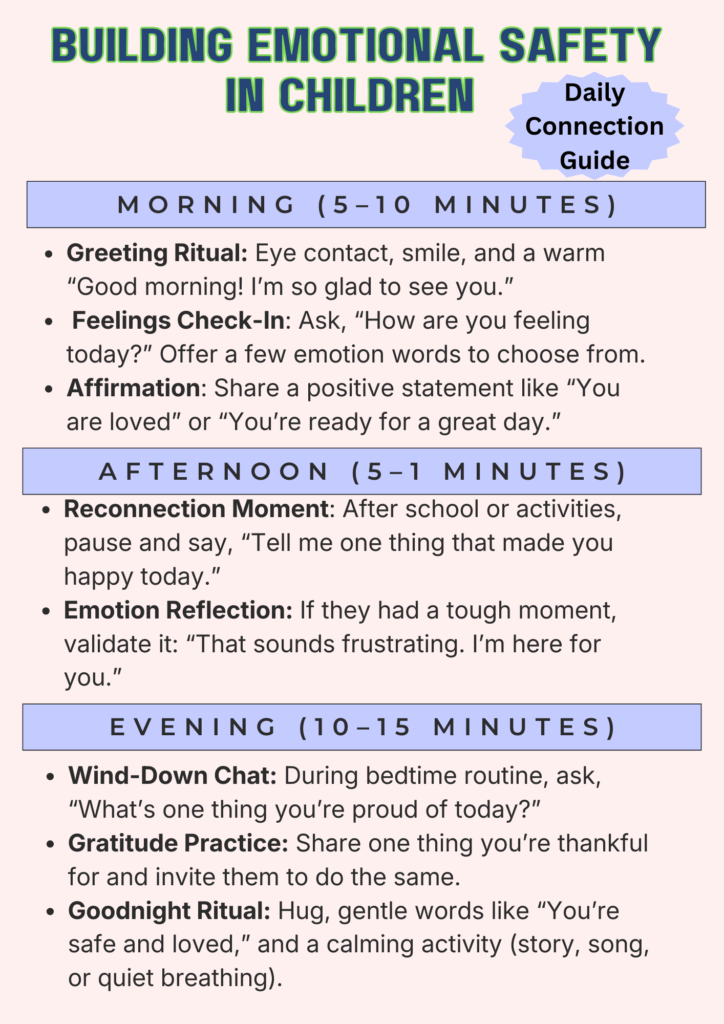
- Building Emotional Safety In Children (Daily Connection Routine Guide)–
A short, realistic routine showing how to build emotional safety in everyday moments.
- Feelings Vocabulary Chart
A child-friendly chart that helps children identify and name emotions.