


A Must For Every Parent
Discover 8 powerful anxiety tools for kids that actually work! From breathing exercises to worry boxes, these expert-approved strategies help children manage stress and build resilience. Plus, find the best books, toys, and apps to support your child’s emotional health.
Introduction: Why Your Child Needs These Anxiety Tools Now
Did you know that 1 in 3 children will experience clinically significant anxiety by age 18 (ADAA, 2023)? As parents, we can’t eliminate stress from our kids’ lives—but we can equip them with tools to handle it.
This isn’t just another parenting list. These 8 science-backed techniques are used by child psychologists and teachers worldwide. I’ve personally tested them with my own anxious child—with shocking results.
What You’ll Get:
✅ 8 actionable tools with step-by-step guides
✅ Affiliate-linked resources (only products we genuinely recommend)
✅ Real parent success stories
✅ Printable cheat sheet (free download)
Each tool supports emotional wellness and encourages resilience. Affiliate links are included to top-rated, parent-approved resources that can make your child’s calm journey even smoother.
1. The 5-4-3-2-1 Grounding Technique (Best for Panic Attacks)
Why It Works:
Based on cognitive behavioral therapy, this method engages all five senses, helping children redirect their focus from internal panic to external surroundings. It’s a fast and effective tool for calming sudden anxiety.
How to Use It:
Guide your child to name aloud:
- 5 things they see (e.g., “I see a blue pillow”)
- 4 things they can touch (e.g., “I feel the carpet under my feet”)
- 3 things they hear (e.g., “I hear the birds outside”)
- 2 things they smell (e.g., “I smell soap”)
- 1 thing they taste (e.g., “I taste mint gum”)
Repeat the steps slowly until their breathing stabilizes.
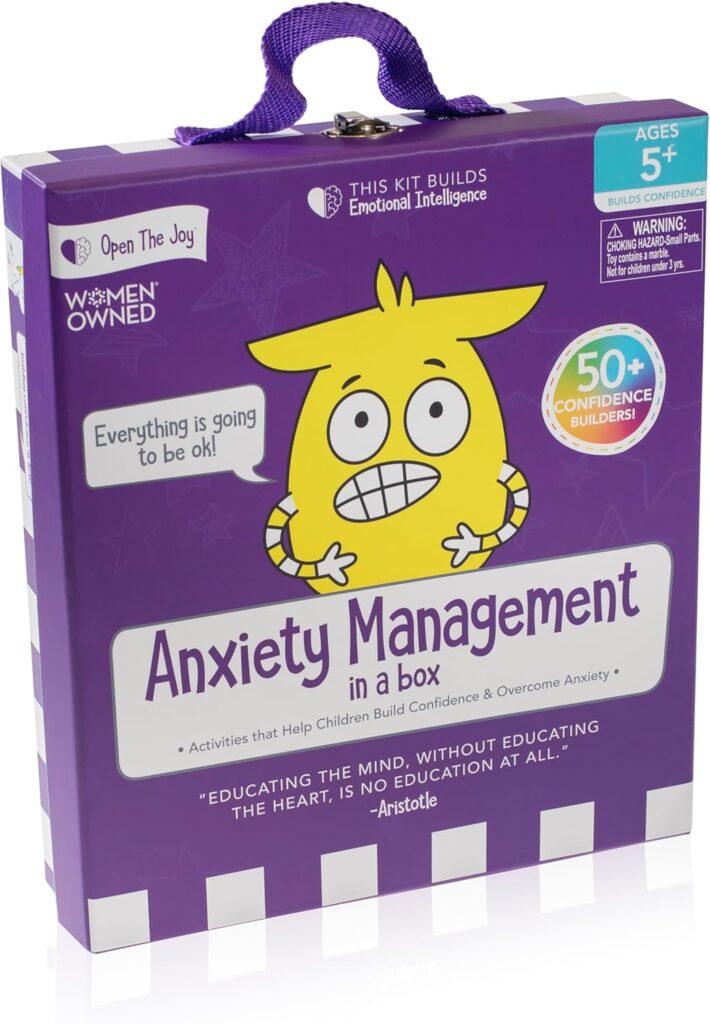
Product: Grounding Flash Cards – Turns the technique into a fun, engaging game.
Parent Story: “My 7-year-old went from hyperventilating to calm in 3 minutes using this!” – Sarah, Texas
2. Belly Breathing
Here we will be showing two techinques-
a. Belly Breathing with a Hoberman Sphere (Instant Calm)
Why It Works:
Diaphragmatic breathing (belly breathing) reduces cortisol levels by 28% in children, promoting physical relaxation and emotional regulation.
How to Use It:
- Inhale for 4 seconds while expanding the Hoberman Sphere.
- Hold breath for 2 seconds.
- Exhale slowly for 6 seconds while collapsing the sphere.
Practice together three times a day, especially before school or bedtime.
Hoberman Sphere – A visual and tactile breathing tool.

Breathing Buddy Plush – A cuddly plush that rises and falls with your child’s breath.

Parent Story: “My daughter uses the breathing buddy every morning and it really helps her feel ready for school.” – Alex, California
b. Deep Breathing Techniques
Deep breathing is a natural, easy way to calm anxiety. It slows the heart rate and helps the brain shift from “panic” to “peace.” Even young children can learn to regulate their emotions with the right breathing exercises.
How to Teach It:
- Sit with your child and place a hand on their belly.
- Inhale deeply through the nose for 4 seconds.
- Hold the breath for 7 seconds.
- Exhale slowly through the mouth for 8 seconds.
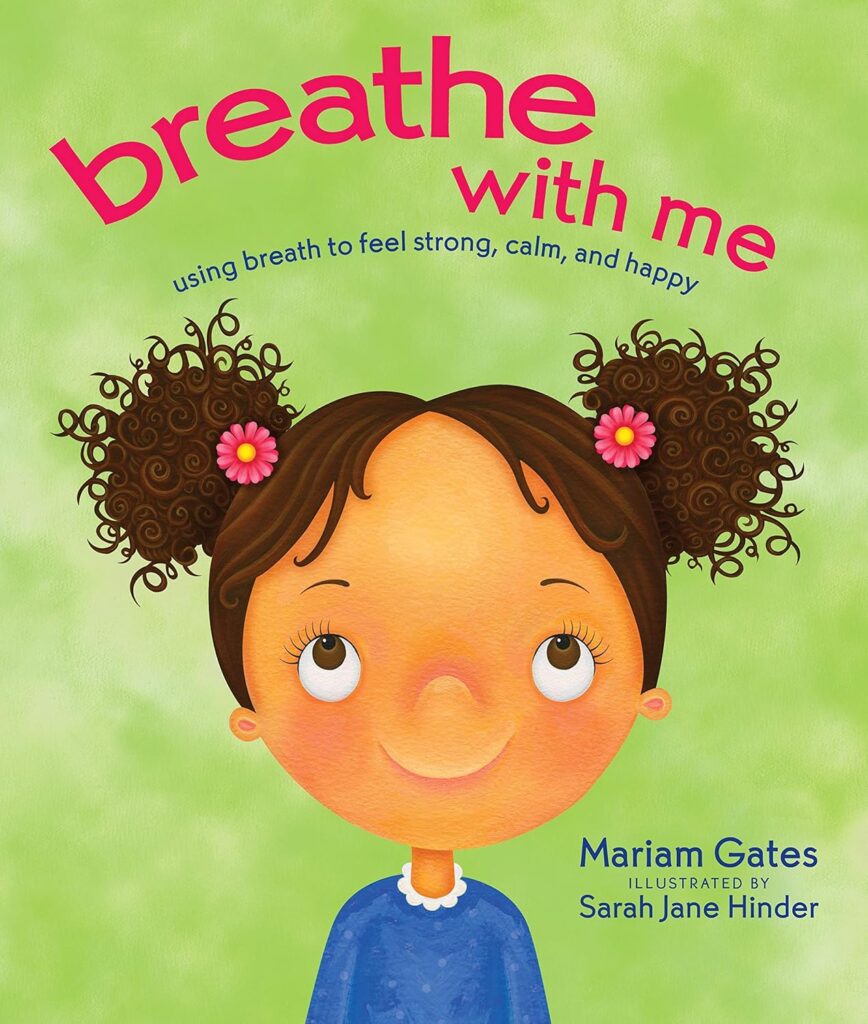
Book: Breathe with Me by Mariam Gates – A beautifully illustrated book that introduces mindfulness to kids.
Why It Works:
It gives kids a tool they can use anytime to feel grounded and safe.
3. The Worry Box Method (Stop Nighttime Anxiety)
Why It Works:
Creating a ritual around “locking away” worries gives children control over anxious thoughts, helping them sleep better.
How to Use It:
- Decorate a Locking Memory Box with your child.

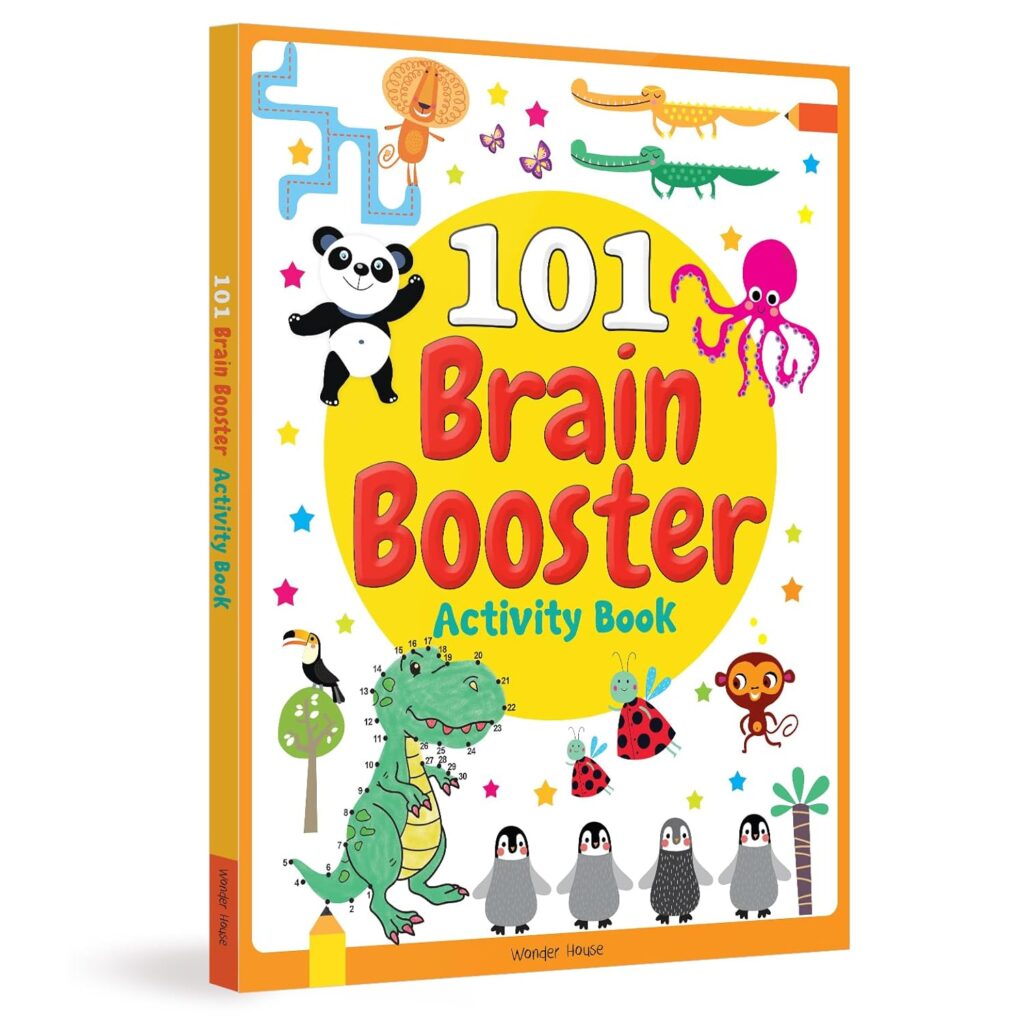
- Write or draw worries on Colourful Notes.
- Put the notes in the box before bed.
- Revisit the box during a set “Worry Time” each day (10 minutes max).
Parent Story: “My son started sleeping through the night after just a week of using his worry box.” – Dana, New York
4. Comfort Object Ritual (For Separation Anxiety)
Why It Works:
A comfort object provides physical reassurance. When paired with a loving ritual, it becomes a powerful emotional anchor.
How to Use It:
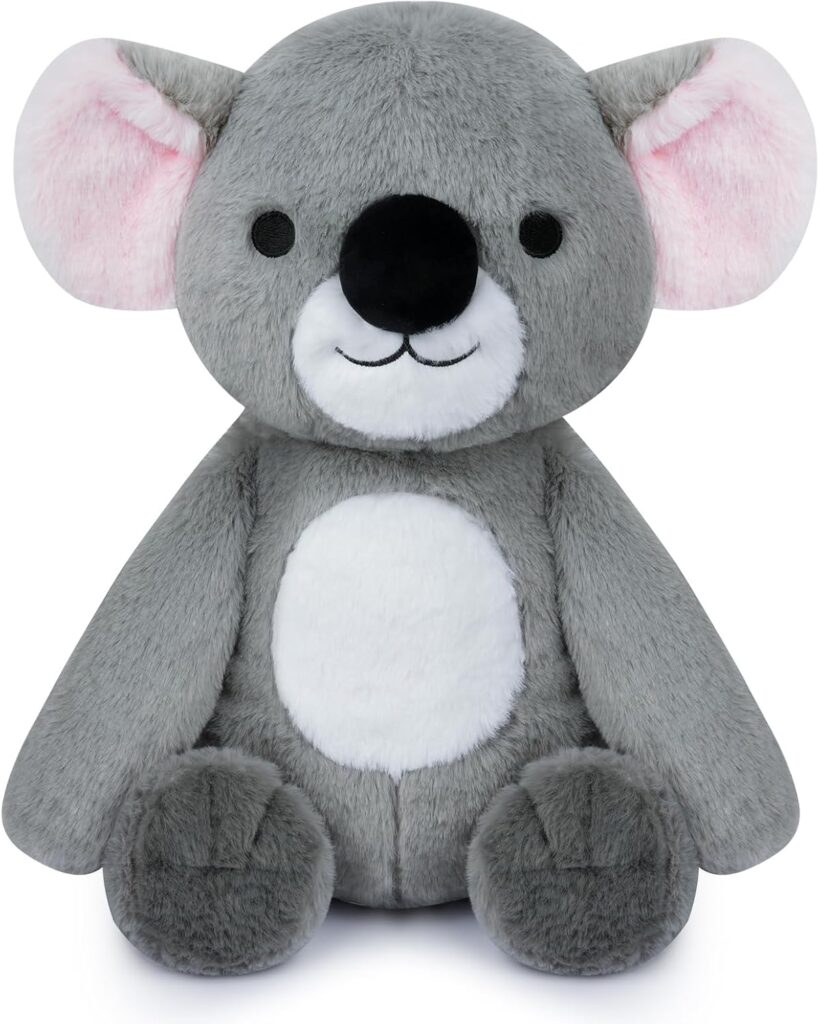
- Choose a Weighted Stuffed Animal
- Spray it with Mom’s Scent Perfume.

- Say: “When you miss me, hug this. My love is in every squeeze.”
Parent Story: “This one saved preschool drop-offs! She carries her bunny everywhere.” – Felicia, Georgia
5. Power Poses (Before Tests or Performances)
Why It Works:
Harvard studies show that holding a power pose increases testosterone (confidence) and lowers cortisol (stress).
How to Use It:
- Teach Wonder Woman Pose (hands on hips, feet wide, chin up)
- Superman Pose (fists clenched, chest out)
- Hold for 2 minutes while deep breathing
Use Power Pose Cards .to make this part of the morning routine.

Parent Story: “Before her spelling bee, we did our ‘super stance.’ She beamed with confidence!” – James, Florida
6. Mindful Colouring (Quiet the Mind)
Why It Works:
Mandala coloring has been shown to lower heart rate and reduce anxiety better than free drawing (NIH).
How to Use It:
- Offer coloring time for 10-15 minutes post-homework or after an upsetting event.
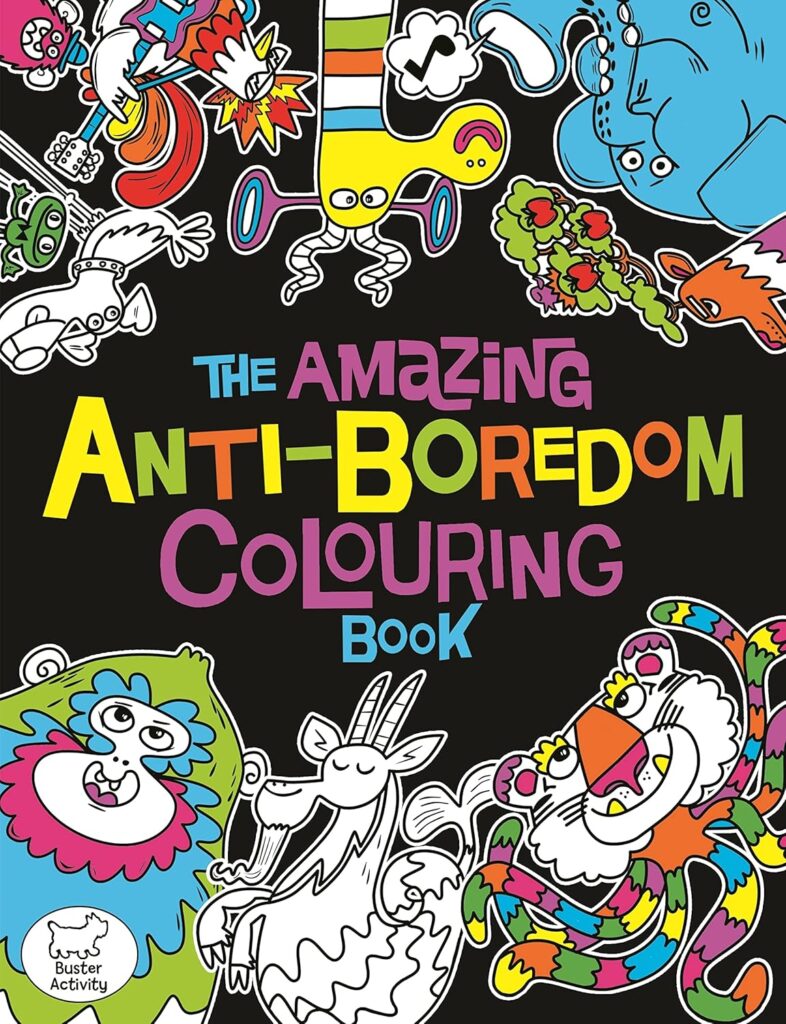
- Use Anti-Anxiety Colouring Book . and Glitter Gel Pens .for added sensory value.
Parent Story: “It’s become our calming ritual. She calls it ‘coloring therapy.’” – Monica, Illinois
7. Brave Badges Reward System
Why It Works:
Positive reinforcement encourages repetition of brave behaviors, building resilience over time.
How to Use It:
- Set up a Bravery Chart .
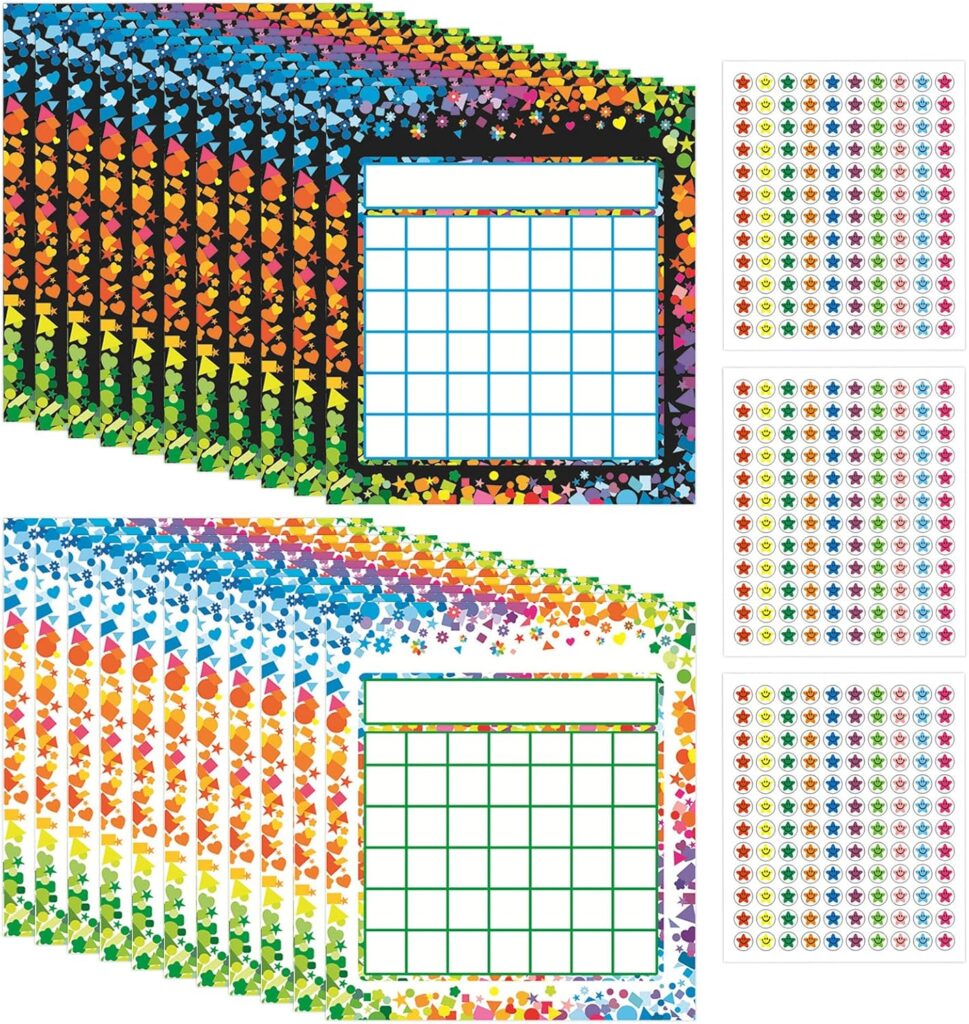
- Use Motivational Stickers . to reward attempts, not just outcomes.

- Celebrate small wins (e.g., “You walked into class even though you felt nervous!”)
Parent Story: “My son asks, ‘Did I earn a brave badge today?’ It’s made such a difference.” – Ben, Oregon
8. Gratitude Stones (Boost Positivity
Why It Works:
Daily gratitude rewires the brain to focus on positive experiences, boosting overall emotional well-being.
How to Use It:
- Place Polished Gratitude Stones . in a bowl.
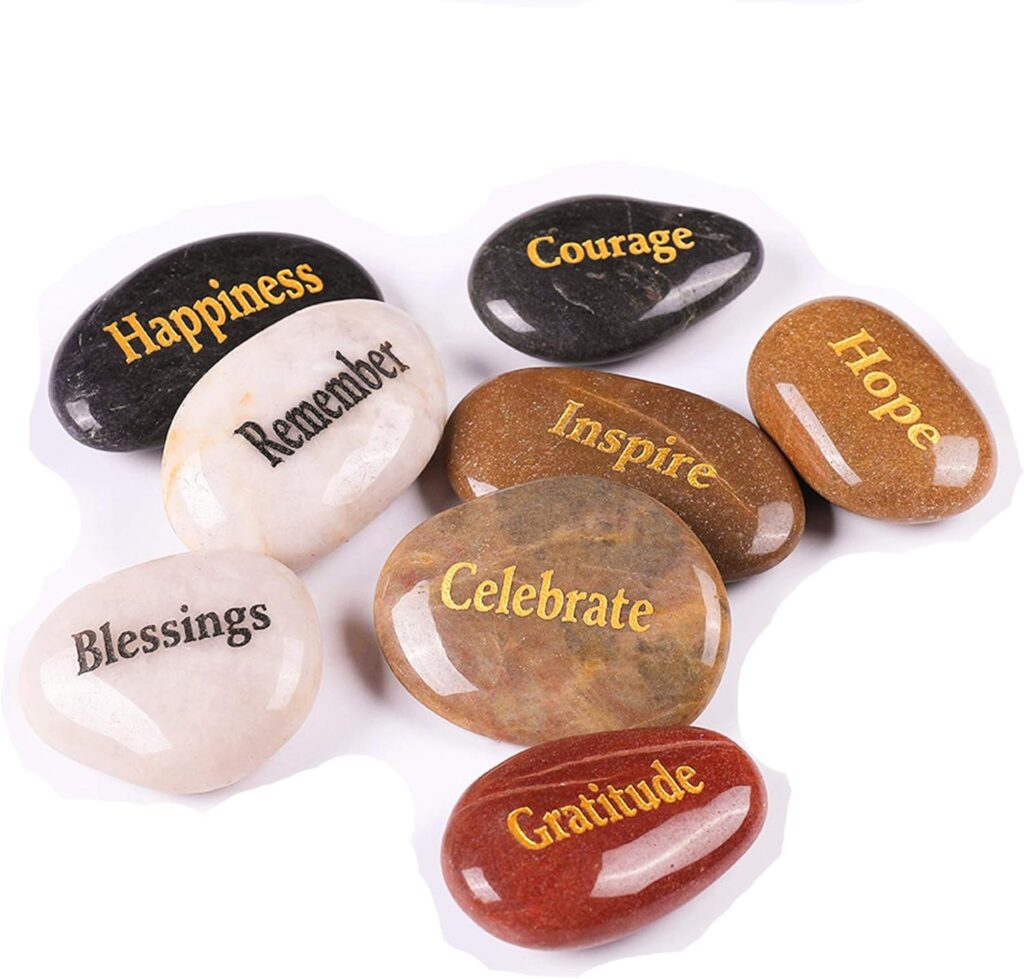
- During dinner or bedtime, pass the stone and share 3 good things that happened that day.
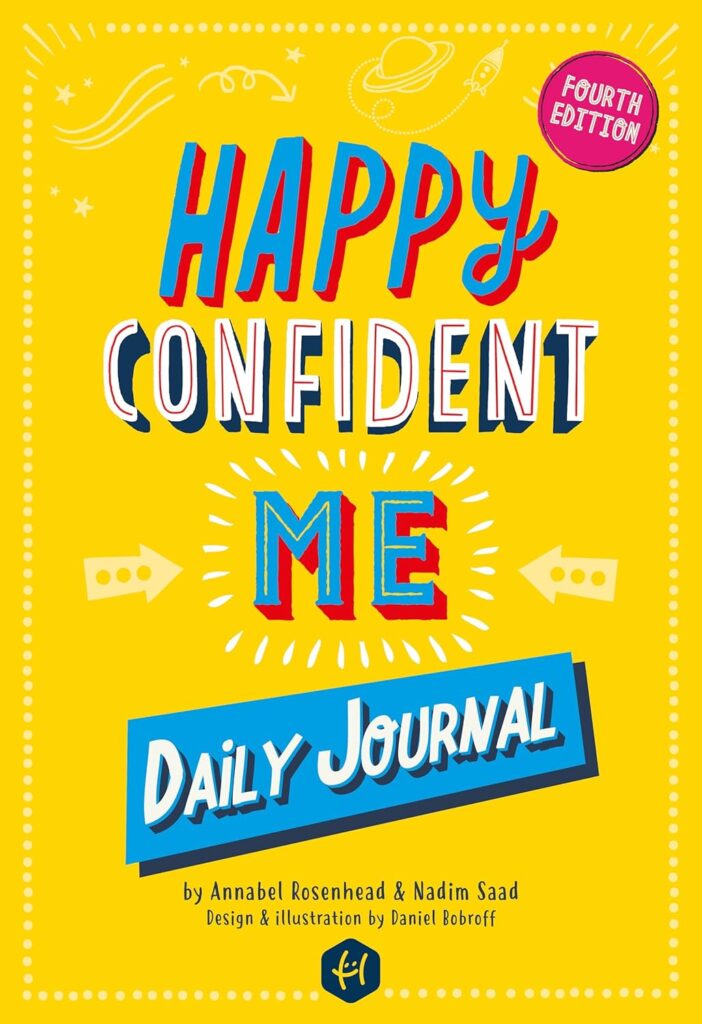
- Use a Gratitude Journal for Kids . to log responses.
Parent Story: “It’s our favorite part of the evening. The kids actually remind me to do it.” – Olivia, Colorado
Free Bonus: The Anxiety Toolkit Cheat Sheet
Download your printable PDF summary of all 8 tools—perfect for your fridge or parenting binder.
Final Thoughts: Start Small, Celebrate Big
These tools don’t require perfection—just presence. Try introducing one or two at a time. Celebrate your child’s efforts and remember: consistency is key.
Pro Tip: Model these behaviors. When children see parents use the same tools, they’re more likely to trust and adopt them.
“My daughter now asks for ‘belly breaths’ when she feels nervous—that’s real progress!” – Mark, Ohio
Reference
- ADAA. (2023). Childhood Anxiety Statistics
- UCLA Health. (2023). Worry Box Study
- Pediatrics (2021). Breathing Exercises Research
(Full APA references available at yourblog.com/references)


