Table of Contents
- Understanding Developmental Regression in Children
- Speech Delay vs Late Talking: What’s the Difference?
- Signs Parents Shouldn’t Ignore
- Why Early Intervention Matters
- How to Support Speech Development at Home
- Best Toys & Tools for Speech Development
- FREE Printable: Speech & Development Milestone Tracker
- When to Seek Professional Support
- Encouragement for Parents
- Final Thoughts
Watching your child grow is filled with exciting milestones first words, first steps, first little conversations that melt your heart. So when a child suddenly stops using words they once knew, loses social skills, or seems to “go backwards” developmentally, it can feel confusing and deeply worrying for parents.
One of the most searched parenting concerns today is developmental regression in children, especially when paired with speech or communication delays. Parents often wonde
- “Is my child just a late talker?”
- “Why has my toddler stopped talking?”
- “Can developmental regression happen suddenly?”
- What’s the difference between speech delay and late talking?”
If you’re asking these questions, you’re far from alone. Many families experience moments where a child’s development doesn’t follow the timeline they expected. The important thing to remember is this: early understanding and support matter more than panic.
What Is Developmental Regression in Children?
Developmental regression happens when a child loses skills they previously had. This may involve:
- Speech or language
- Social interaction
- Play skills
- Emotional regulation
- Toileting or self-help skills
For example, a toddler who used to say 20 words may suddenly stop talking, or a child who enjoyed eye contact and social games may begin withdrawing.
Regression is different from a developmental delay. A delay means a skill is developing more slowly than expected. Regression means a previously learned skill decreases or disappears.
Common Causes of Developmental Regression in Children
One of the hardest parts for parents is not knowing why regression is happening. The truth is that there isn’t always one simple answer.
1 . Hearing Problems or Chronic Ear Infections
Children learn language through hearing. If the hearing is impacted even temporarily speech and communication skills can change quickly.
Frequent ear infections, fluid buildup, or hearing loss may cause children to:
- Stop using certain words
- Struggle following directions
- Seem less responsive
Experts often recommend a hearing assessment whenever speech regression occurs.
2 . Autism Spectrum Disorder (ASD)
Some children with autism experience developmental regression between 15 and 30 months. Parents may notice:
- Loss of words
- Reduced eye contact
- Changes in play patterns
- Increased repetitive behaviors
It’s important to know that not all speech delays mean autism. Many late talkers are not autistic.
3. Neurological or Medical Conditions
Certain neurological conditions, injuries, seizures, or illnesses can impact development and communication. In some cases, regression may occur after:
- Head injuries
- Severe infections
- Neurological disorders
4. Emotional Trauma or Environmental Stress
Children are deeply sensitive to changes around them. Stressful events such as:
- Divorce
- Moving homes
- Neglect or trauma
can sometimes affect development temporarily
5. Developmental Language Disorders
Some children struggle specifically with language processing or expressive communication. This can look like:
- Difficulty understanding language
- Limited vocabulary growth
- Trouble combining words
- Frustration during communication
Speech Delay vs Late Talking: What’s the Difference?
This is one of the biggest parenting questions online right now and understanding the distinction can ease a lot of anxiety.
What Is a Late Talker?
A “late talker” is a child who develops speech later than peers but is otherwise developing typically.
Late talkers often:
- Understand language well
- Engage socially
- Use gestures and eye contact
- Eventually catch up naturally or with minimal support
Many late talkers simply need more time.
What Is a Speech Delay?
A speech delay or language delay may involve broader communication challenges and sometimes affects:
- Understanding language
- Speech clarity
- Social communication
- Social communication
Speech delays can occur alongside other developmental differences.
Signs Your Child May Be More Than a Late Talker
While every child develops differently, these signs may indicate it’s time to seek professional guidance:
Red Flags to Watch For
- No babbling by 12–15 months
- No words by 18 months
- Loss of previously used words
- Limited eye contact
- Not responding to name
- Difficulty understanding simple directions
- Lack of gestures like pointing or waving
- Regression in play or social skills
Trust your instincts. Parents are often the first to notice subtle developmental changes
Why Early Intervention Matters
One of the most reassuring things parents can hear is this: support works.
Research consistently shows that early intervention improves outcomes for children with speech and developmental challenges.
Early support may include:
- Speech therapy
- Occupational therapy
- Developmental play therapy
- Hearing assessments
- Parent coaching
- Early education services
And importantly early intervention is not about “labelling” children. It’s about helping them communicate, connect, and thrive.
How Parents Can Support Speech Development at Home
Small everyday interactions can make a huge difference in language growth.
Simple Ways to Encourage Communication
Narrate Your Day
Talk through everyday routines:
- “We’re putting on socks.”
- “Look at the red apple.”
- “Time for bath!”
This builds vocabulary naturally.
Read Together Daily
Books expose children to repetitive language patterns and encourage interaction.
Follow Your Child’s Interests
If your child loves cars, animals, or bubbles use those interests to build communication.
Pause and Wait
Give your child time to respond instead of immediately filling silence.
Use Simple, Clear Language
Short sentences are easier for toddlers to process.
Best Products for Speech Development & Communication Support
Speech Therapy Flash Cards

Flash cards with simple pictures and first words can encourage:
- Vocabulary building
- Object recognition
- Early sentence formation
Great for toddlers and preschoolers.
Interactive Sound Books

Books with sounds, textures, and repetition help keep children engaged while building receptive language skills.
Wooden Pretend Play Toys

Kitchen sets, doctor kits, and animal figurines support:
- Imaginative play
- Social interaction
- Language expansion
Sensory Toys for Communication Development
Sensory bins, textured toys, and calming tools can support focus and engagement during speech activities.

Toddler Learning Posters
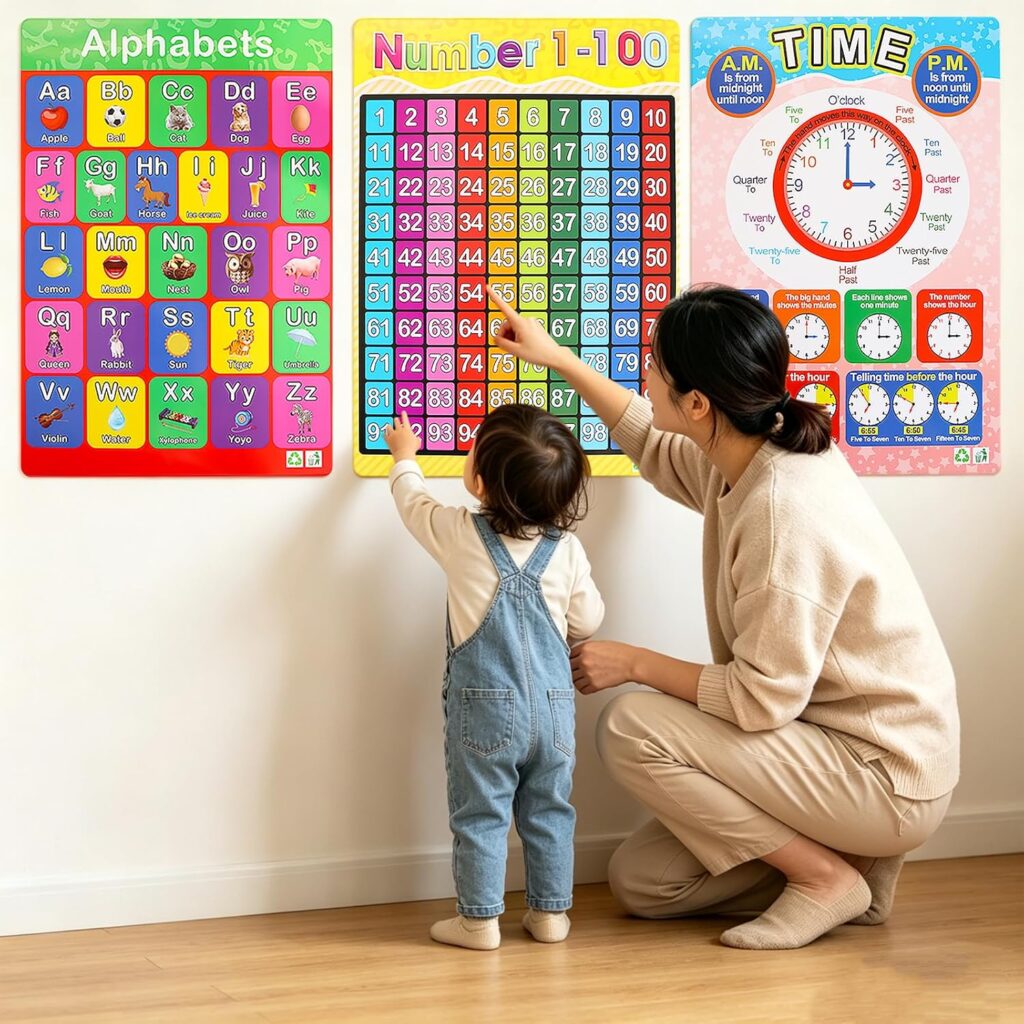
Visual communication charts and emotion posters can help children connect words to meaning.
You can also help by introducing educational materials to your toddler early. See how on How to Introduce Educational Materials to Toddlers
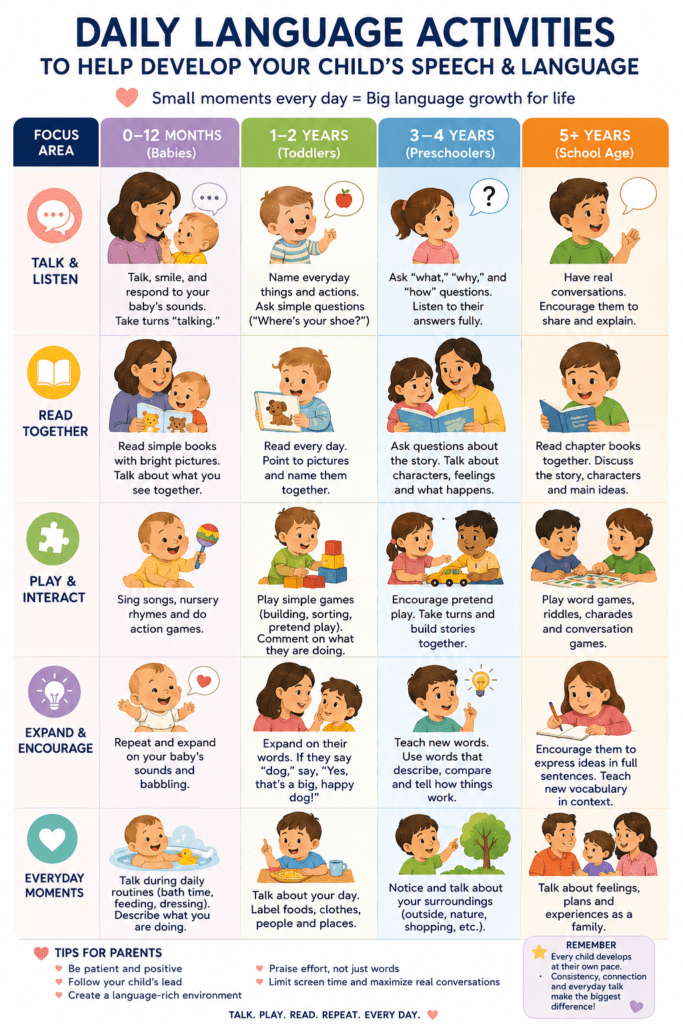
FREE Printable: Toddler Speech & Development Milestone Tracker
To help you feel more confident and organized, we have created a free downloadable milestone tracker printable. You can also check out these free learning apps for your child- Free Learning Apps For Kids Parents Should Trust
Include in it are:
- Speech milestones by age
- Daily language activities
A Gentle Reminder
Development is rarely perfectly linear. Some children sprint ahead in one area and move slower in another. Some need extra support. Some simply bloom later.
What matters most is not comparing your child to others online or at playgroup it’s paying attention to their progress, strengths, and needs.
And if support is needed, seeking help is not failure. It’s parenting with awareness, love, and action.
To conclude on what we have discussed
Developmental regression and speech delays can feel overwhelming, especially in a world filled with parenting advice and milestone comparisons. But understanding the difference between a late talker and a broader developmental concern can empower families to take supportive next steps.
The biggest takeaway? Early attention, compassionate support, and trusting your instincts truly matter.
Your child’s journey may not look exactly like someone else’s and that’s okay.