5 Signs They’re Thriving (and 3 Signs They Need Help)
As a parent, there’s a quiet question that doesn’t always get asked out loud:
“Is my child actually doing okay at school?”
You drop them off, you pick them up, you hear bits and pieces about their day… but you’re not there to see the full picture. And depending on your child, you might not get much back either. Some children talk freely. Others say “fine” and move on.
So you’re left trying to read between the lines.
They seem okay… but are they truly thriving?
Or are there things you’re not seeing yet?
This is where many parents either overthink or miss early signs completely.
The truth is, doing well in school isn’t always obvious. It goes beyond grades and behaviour. A child can look like they’re doing well on the surface and still be struggling underneath.
This guide will help you understand what actually matters and how to spot both the positive signs and the warning ones early.
What You’ll Learn in This Post
- How do I know if my child is doing well in school?
- What does “thriving in school” really mean?
- What are the signs my child is happy at school?
- What are the warning signs my child is struggling at school?
- Why some school struggles are easy to miss
- What should I do if I’m concerned about my child?
- How can I support my child at home?
- Tools that can help children feel more confident in school
What Does “Doing Well in School” Really Mean?
Most parents naturally look at grades, teacher feedback, or behaviour reports to judge how their child is doing. And while those are useful, they only tell part of the story.
A child can be well-behaved, complete their work, and still feel anxious, disconnected, or overwhelmed. We covered on Why children behave well at school but not at home to give you more insight on the pressures of school.
Doing well in school is more balanced than that. It includes:
- Academic growth – Are they learning and improving over time?
- Emotional wellbeing – Do they feel safe, settled, and confident?
- Social development – Are they able to connect with others, even in small ways?
When these areas are reasonably stable, your child isn’t just coping with school. They’re actually growing in it.
5 Signs Your Child Is Thriving in School
These signs don’t mean everything is perfect. They simply show that your child is generally in a healthy place.
1. They are generally willing to go to school
No child loves school every single day. There will always be mornings when they’re tired or would rather stay home.
But a child who is thriving will usually:
- get ready without consistent resistance
- go to school without distress most days
- settle into the routine fairly easily
If school becomes a daily struggle, that’s when it needs attention.
2. They share parts of their day (even small details)
Not every child is naturally expressive, so this doesn’t need to be a full story every day.
But most children who feel comfortable at school will:
- mention something they did
- talk about a friend or teacher
- respond when you ask simple questions
Even small comments show they are engaged and processing their day.
3. You can see steady progress over time
Thriving is not about being ahead. It’s about moving forward.
You might notice:
- gradual improvement in reading or writing
- more confidence when doing tasks
- increased independence
Progress may feel slow, but consistency is what matters.
4. They have some form of social connection
School is a social environment, and connection matters.
Your child doesn’t need lots of friends, but they usually have:
- at least one person they feel comfortable with
- someone they mention or interact with
- a sense of belonging
Even quiet children can show this in subtle ways.
5. Their mood is generally stable
You will still see tiredness or the occasional bad day.
But overall, a thriving child:
- recovers from difficult days
- shows fairly steady emotions
- doesn’t seem constantly overwhelmed
Patterns matter more than isolated moments.
3 Signs Your Child May Need Help at School
These are not labels. They are signals.
1. Ongoing anxiety or refusal to go to school
If your child regularly:
- cries before school
- complains of feeling unwell
- tries to avoid going
This often points to something deeper than just “not feeling like it.”
2. Noticeable behaviour changes at home
School struggles often show up at home first.
You might notice:
- increased meltdowns or anger
- withdrawal or quietness
- changes in sleep or appetite
This can be linked to emotional build-up during the school day.
3. Loss of confidence or interest in learning
This is one of the most important signs to catch early.
Watch for:
- “I can’t do it”
- avoiding schoolwork
- giving up easily
- lack of interest in learning
This can signal that your child feels behind or overwhelmed.
Why Some Signs Are Easy to Miss
Not all struggling children act out.
Some do the opposite.
They stay quiet, follow instructions, and avoid drawing attention. These children are often seen as “fine,” but internally they may be struggling.
This is why it’s important to look beyond behaviour and pay attention to patterns.
What Should I Do If I’m Concerned About My Child?
Start simple.
You don’t need to panic or jump to conclusions.
Begin by observing patterns over time rather than reacting to a single day.
Then create space for conversation. Instead of asking pressured questions, try:
- “What was the best part of your day?”
- “Did anything make you feel upset?”
- “Who did you spend time with?”
If concerns continue, speak to your child’s teacher. Their insight, combined with what you see at home, gives a fuller picture.
How Can I Support My Child at Home?
Support doesn’t need to be complicated.
Small, consistent actions make a difference:
- create a calm after-school routine
- give them space to decompress
- encourage effort, not just results
- allow them to express emotions without shutting them down
These build confidence over time.
Tools That Can Support Your Child
Simple tools can make things easier without adding pressure:
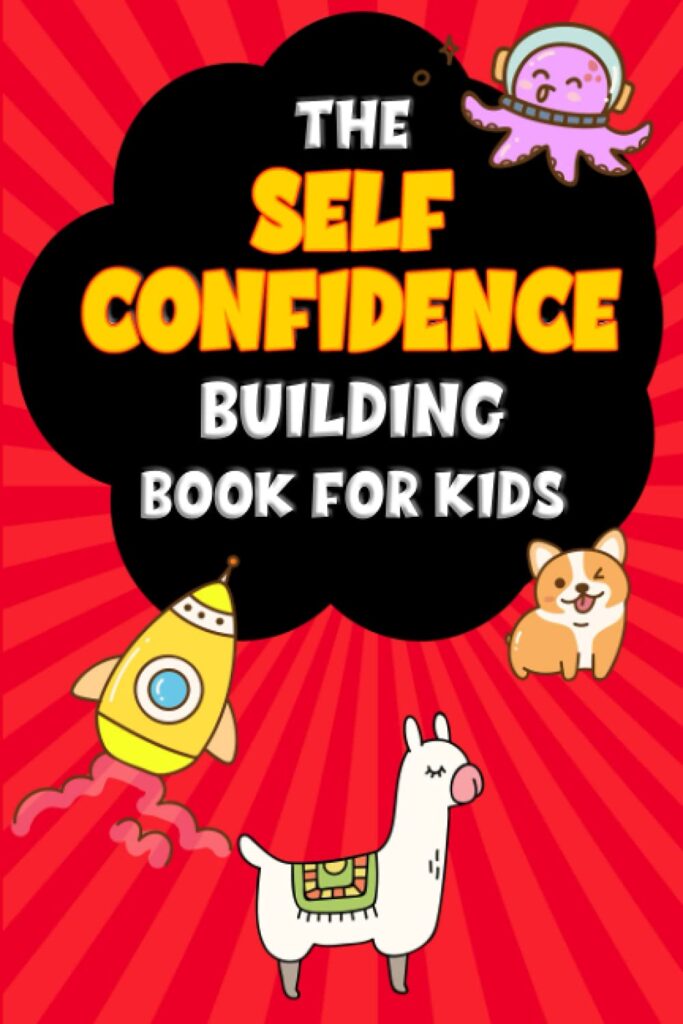
1. Building confidence and self esteem book–
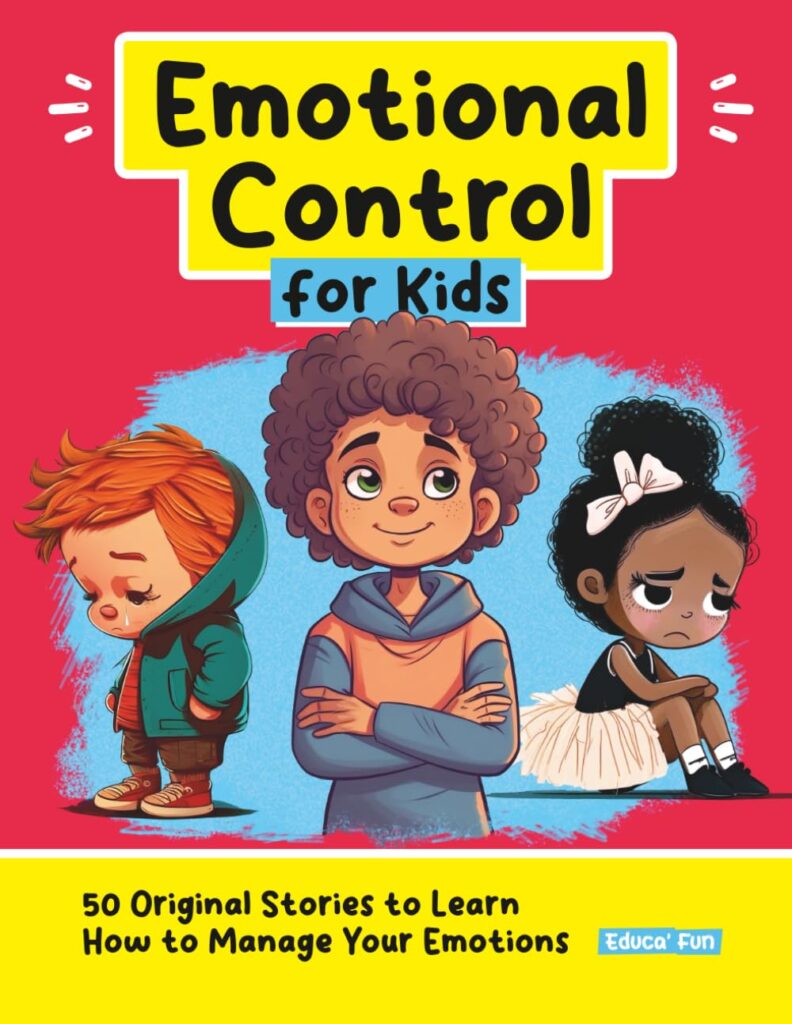
2. Emotional control book to help children express how they feel- Emotional Control for Kids: 50 Original Stories to Learn How to Manage Your Emotions
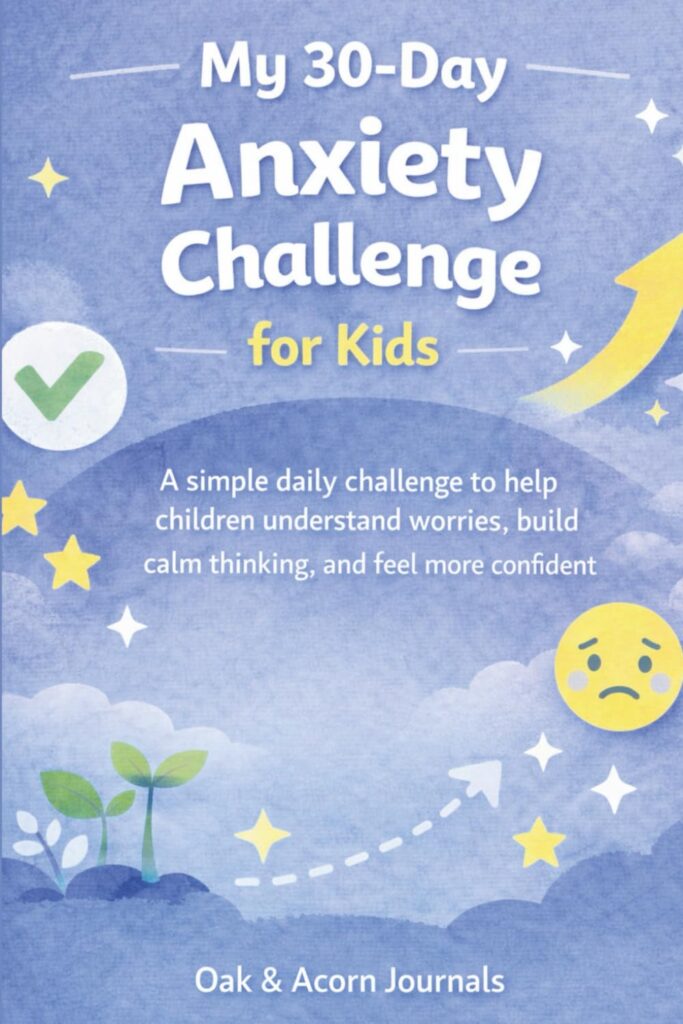
3. How to overcome my anxiety book- anxiety Challenge for Kids: A Simple Daily Journal to Help Children Understand Worry, Build Calm Thinking, and Feel More Confident.
4. Standing up to the bullies–A great story to start a conversation about bullying between parent and child.

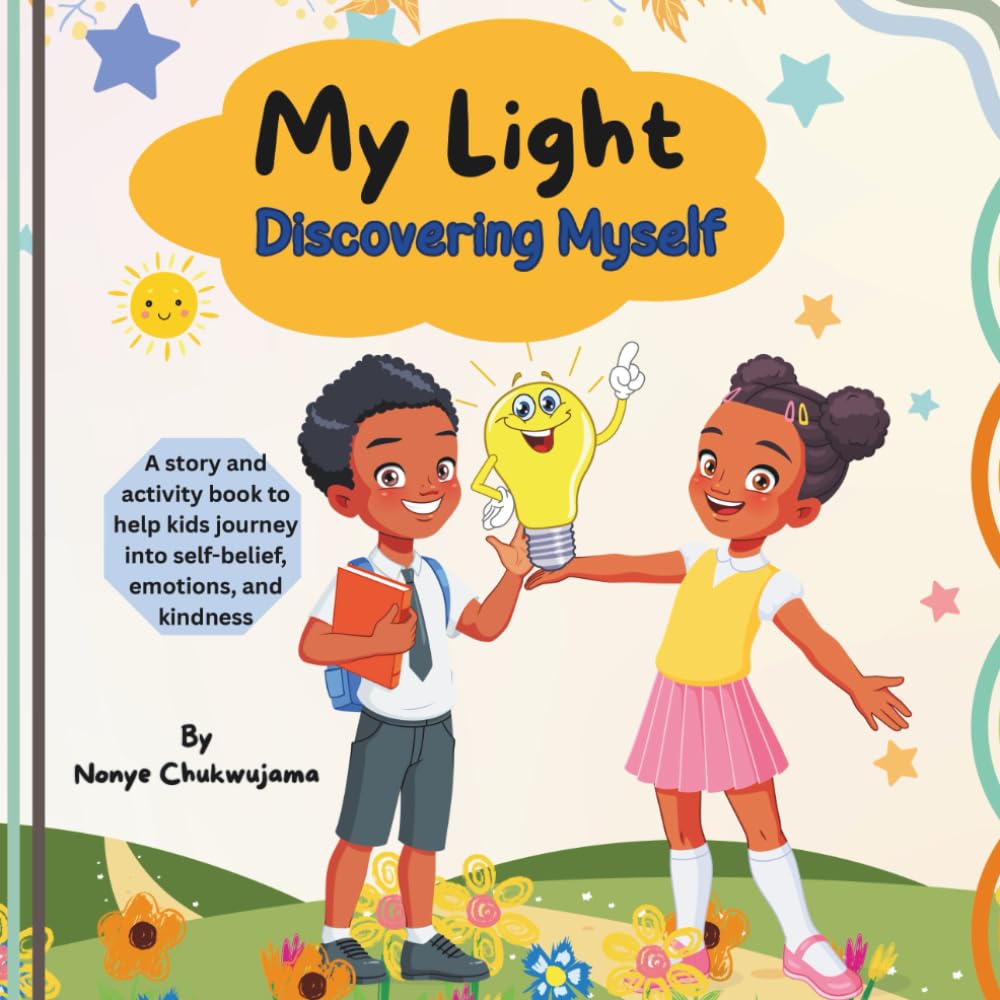
5. Character development– My Light: Discovering Myself: A Heartwarming Children’s Journey of Self-Discovery, Inner Strength, and Celebrating Uniqueness, with Reflective … What They Believe, and How They Can Shine
Used correctly, these only support and should not replace your role.
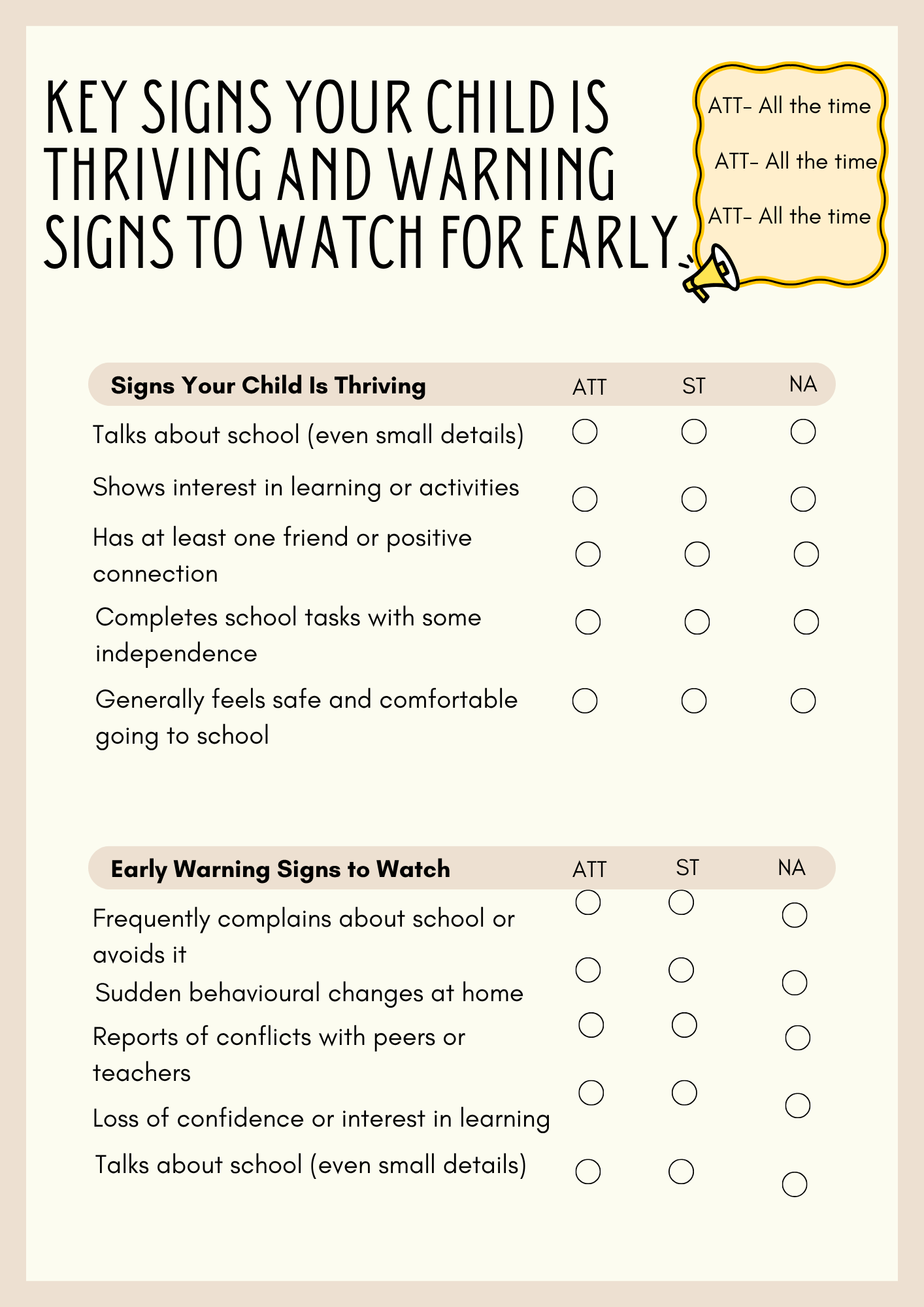
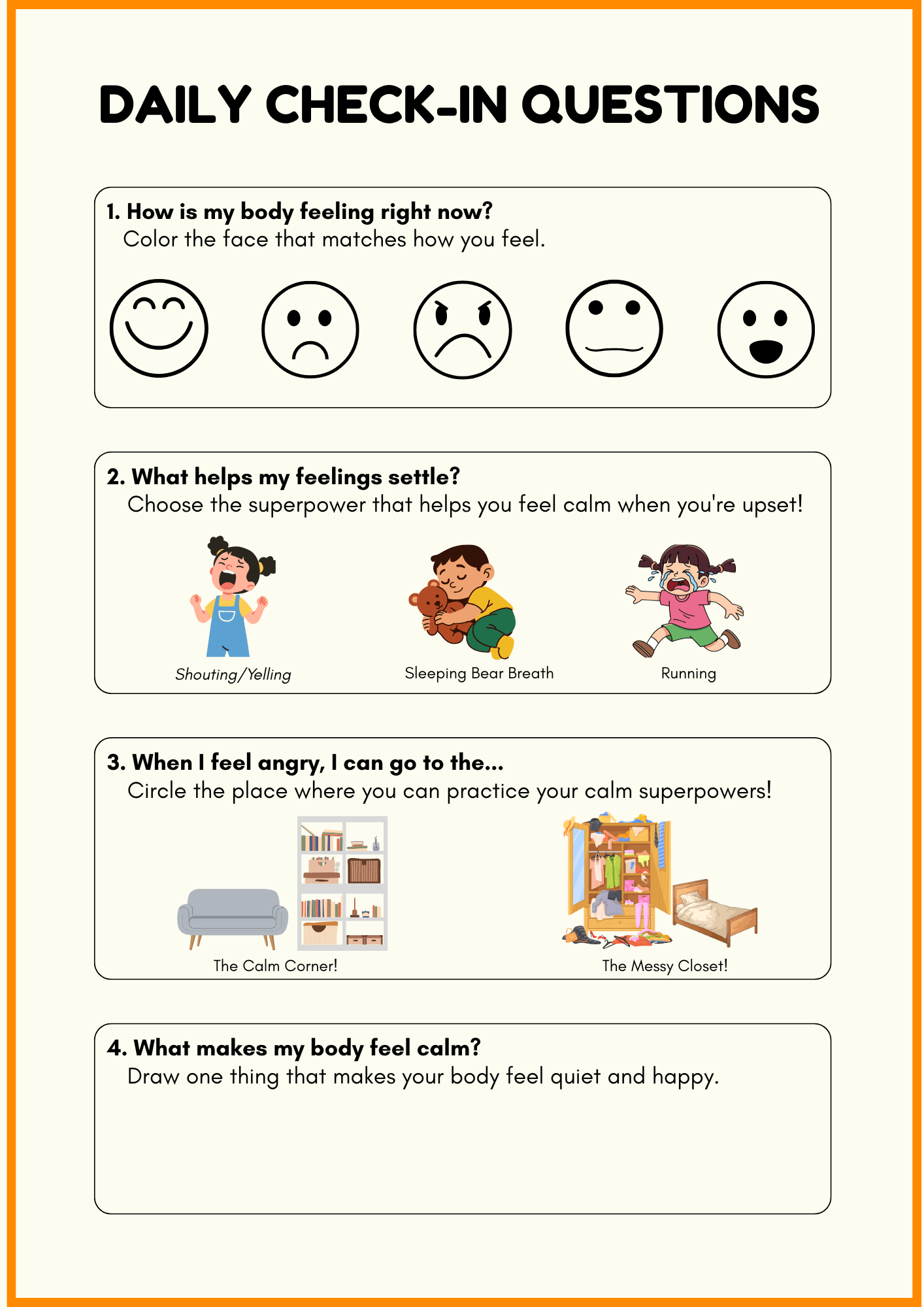
Free Printable: “Is My Child Thriving at School?” Checklist
If you’re still unsure whether your child is truly doing well in school, this simple printable will help you see things more clearly.
Instead of second-guessing or overthinking, you’ll have a quick way to assess what’s going well and where your child might need support.
What’s inside:
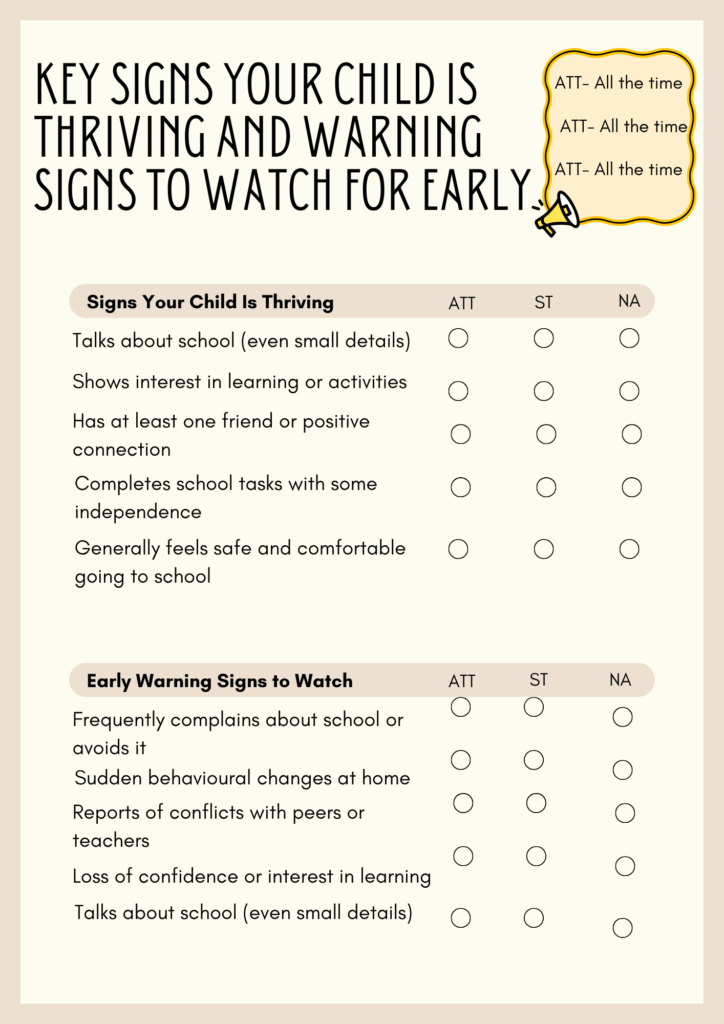
- Daily check-in questions you can use after school and a short action guide on what to do next
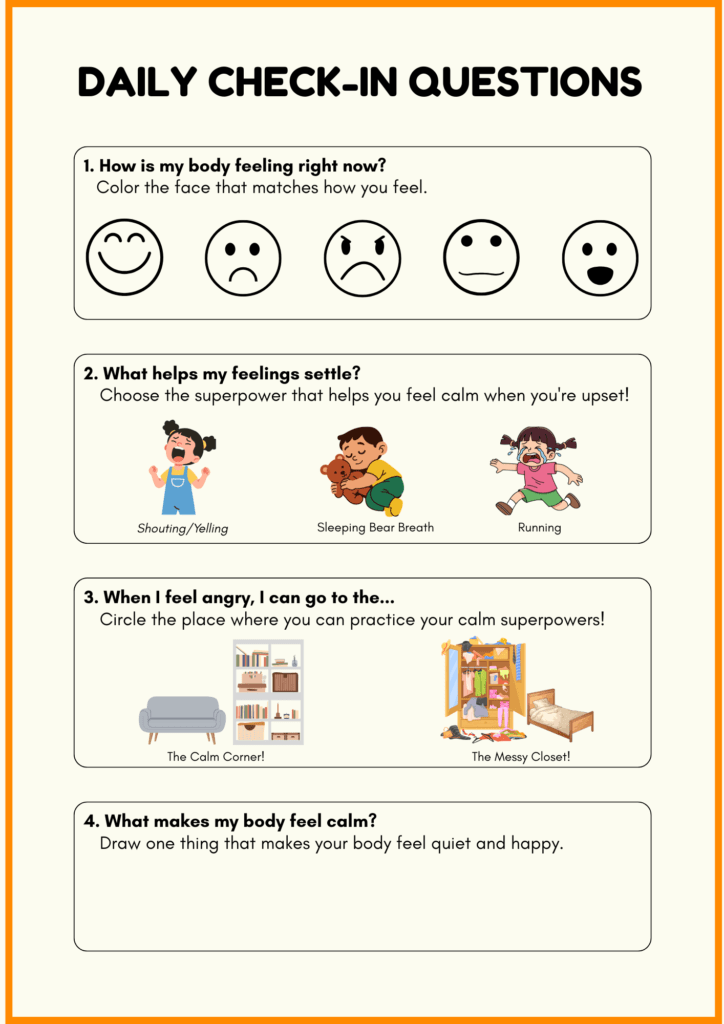
This is designed to be practical, not overwhelming. You can print it out or keep it on your phone for quick reference.
Final Thoughts
Your child doesn’t need to be the best in class to be doing well.
They don’t need to get everything right or move faster than everyone else.
What matters most is that they feel:
- safe
- supported
- capable
A thriving child is not one who never struggles.
It’s one who feels secure enough to keep going, even when things are hard.