(Without Pressure or Resistance)
Parenting in the toddler years can feel like a constant balancing act. One minute your child is curious, eager, and soaking everything in, and the next they are uninterested, distracted, or refusing to engage with anything that even looks like learning. If you have ever bought an educational book or toy for your toddler only for it to be ignored after five minutes, you are not alone.
The truth is simple but often misunderstood: toddlers are not resistant to learning. They are resistant to pressure, boredom, and anything that does not feel meaningful to them.
Introducing educational materials successfully is not about buying more resources. It is about how, when, and why you introduce them.
This guide will walk you through exactly how to do that in a way that feels natural, engaging, and effective, without turning your home into a classroom or your child into a reluctant learner.
Table of Contents
- Why Toddlers Resist Educational Materials
- What “Educational” Really Means at This Age
- When Is the Right Time to Start?
- Common Mistakes Parents Make (And How to Avoid Them)
- How to Introduce Educational Materials the Right Way
- How to Keep Your Toddler Engaged Without Forcing It
- Signs It Is Working (Even If It Does Not Look Like It)
- Recommended Educational Products for Toddlers
- Free Printable Ideas for Home Learning
- Final Thoughts for Parents
Why Toddlers Resist Educational Materials
One of the most common questions parents search online is:
“Why does my toddler refuse to learn?”
But the better question is:
“What does learning look like from a toddler’s perspective?”
Toddlers are wired for exploration, not instruction. Their brains develop through movement, play, repetition, and emotional connection, not structured teaching.
When a child pushes away a flashcard or refuses to sit through an activity book, it is not defiance. It is feedback.
They might be saying:
- This is too hard
- This is not interesting
- I do not understand what to do
- I would rather explore this in my own way
Understanding this shifts your role from “teacher” to “guide,” which is where real learning begins.
What “Educational” Really Means at This Age
Many parents associate educational materials with books, worksheets, or structured toys. While those can help, they are only a small part of the picture.
For toddlers, educational means anything that supports:
- Language development
- Motor skills
- Problem-solving
- Imagination
- Social interaction
This includes:
- Stacking cups
- Picture books
- Singing songs
- Pretend play
- Sorting everyday objects
In other words, your child does not need more materials. They need meaningful interaction with the right materials.
When Is the Right Time to Start?
Another common search is:
“When should I start teaching my toddler?”
The honest answer is: you already have.
From the moment your child began observing the world, learning started. The focus now is not when to begin, but how to build on what is already happening.
Toddlers (typically ages 1 to 3) are in a sensitive period for:
- Language acquisition
- Sensory exploration
- Repetition-based learning
This makes it an ideal time to introduce educational materials, but only in a way that aligns with their natural development.
Common Mistakes Parents Make (And How to Avoid Them)
Before looking at what works, it is important to understand what does not.
1. Introducing Materials Too Early or Too Advanced
If a child cannot engage with something independently or with minimal guidance, it is likely too advanced.
Fix: Start simple. Mastery builds confidence.
2. Expecting Long Attention Spans
Toddlers typically have an attention span of 2 to 5 minutes per activity.
Fix: Keep activities short and flexible. Rotate often.
3. Turning Learning Into a Task
The moment learning feels like an obligation, resistance increases.
Fix: Present materials as an option, not a demand.
4. Overloading With Too Many Resources
Too many choices can overwhelm rather than engage.
Fix: Rotate a small selection of materials weekly.
5. Comparing Your Child to Others
Every child develops at their own pace.
Fix: Focus on progress, not comparison.
How to Introduce Educational Materials the Right Way
This is where most parents need clarity. The difference between success and frustration often lies in the approach.
1. Follow Your Child’s Interests
This is how to raise a child who loves learning without pressure
If your toddler loves animals, introduce animal books, puzzles, or figurines. If they enjoy music, focus on songs and rhythm-based activities.
Interest drives attention. Attention drives learning.
2. Use Play as the Entry Point
Here is how play helps build a child’s brain faster than worksheet
Instead of saying:
“Let’s learn colours,”
Try:
“Can you find the red block?”
Learning hidden within play is far more effective than direct instruction.
3. Model First, Then Step Back
Show your child how to use a material, then allow them to explore it in their own way.
For example:
- Stack the blocks once
- Name the colours
- Then let them take over
Do not rush to correct them. Exploration is part of learning.
4. Keep It Short and Positive
End activities before your child becomes frustrated.
This leaves them wanting more rather than avoiding the activity next time.
5. Create a Calm Learning Environment for your toddler
A cluttered or noisy space can reduce focus.
- Use a small table or mat
- Limit distractions
- Keep materials organised and accessible
6. Be Consistent, Not Intense
Consistency builds familiarity.
A few minutes every day is more effective than one long session once a week.
How to Keep Your Toddler Engaged Without Forcing It
Engagement is not about control. It is about connection.
Here are simple ways to maintain interest:
- Rotate toys and books regularly
- Introduce “new” items by reintroducing old ones
- Join in the activity rather than supervising from a distance
- Use excitement in your tone and body language
- Celebrate effort, not just outcomes
If your child walks away, let them. Forcing engagement often creates long-term resistance.
Signs It Is Working (Even If It Does Not Look Like It)
Progress in toddlers is not always obvious.
You might not see immediate results, but learning is happening beneath the surface.
Look for:
- Repetition of words or actions
- Increased curiosity
- Independent play
- Attempting new skills
- Mimicking what you model
These are strong indicators that your approach is working.
Recommended Educational Products for Toddlers
If you are looking to support your child’s learning at home, here are some tried and trusted options. These are simple, effective, and aligned with toddler development.
1. Wooden Shape Sorter- Melissa & Doug Wooden Shape Sorter
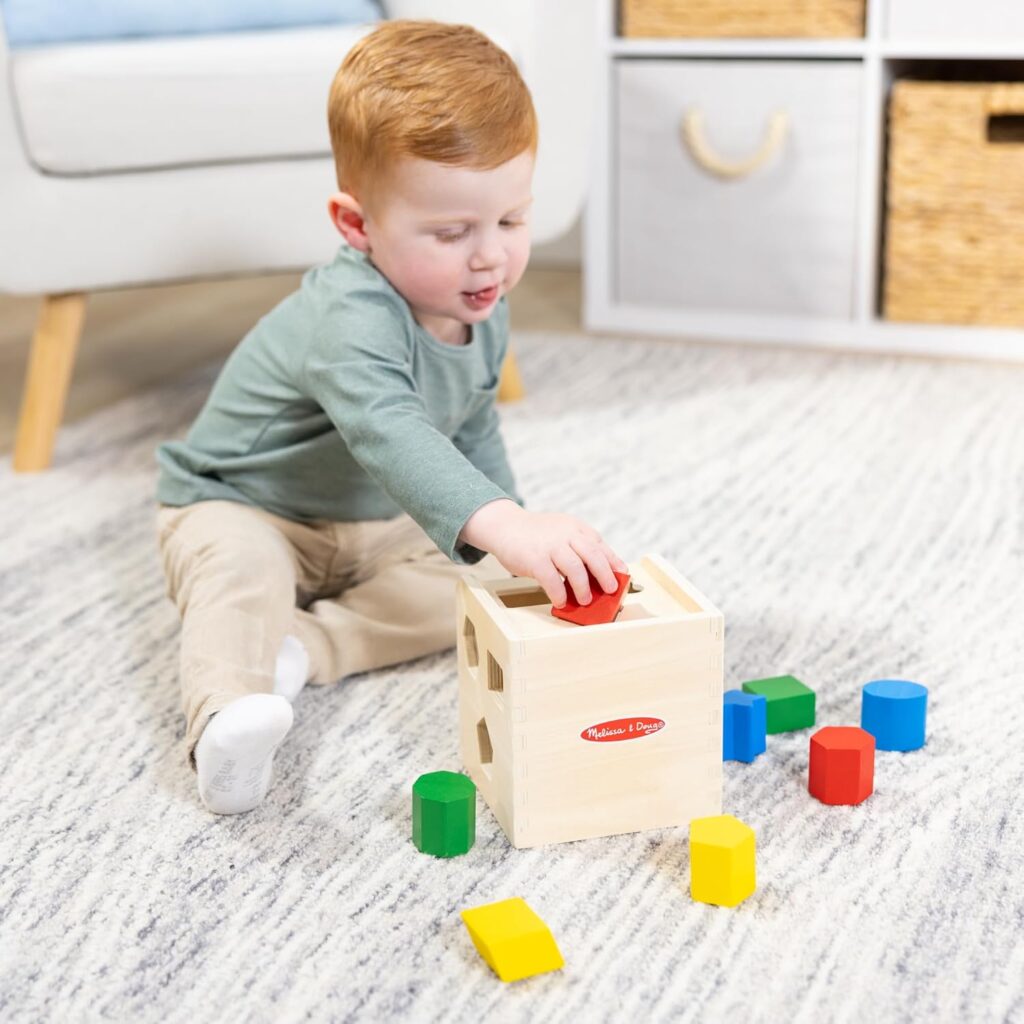
Helps with problem-solving, coordination, and shape recognition.
2. First 100 Words Board Book
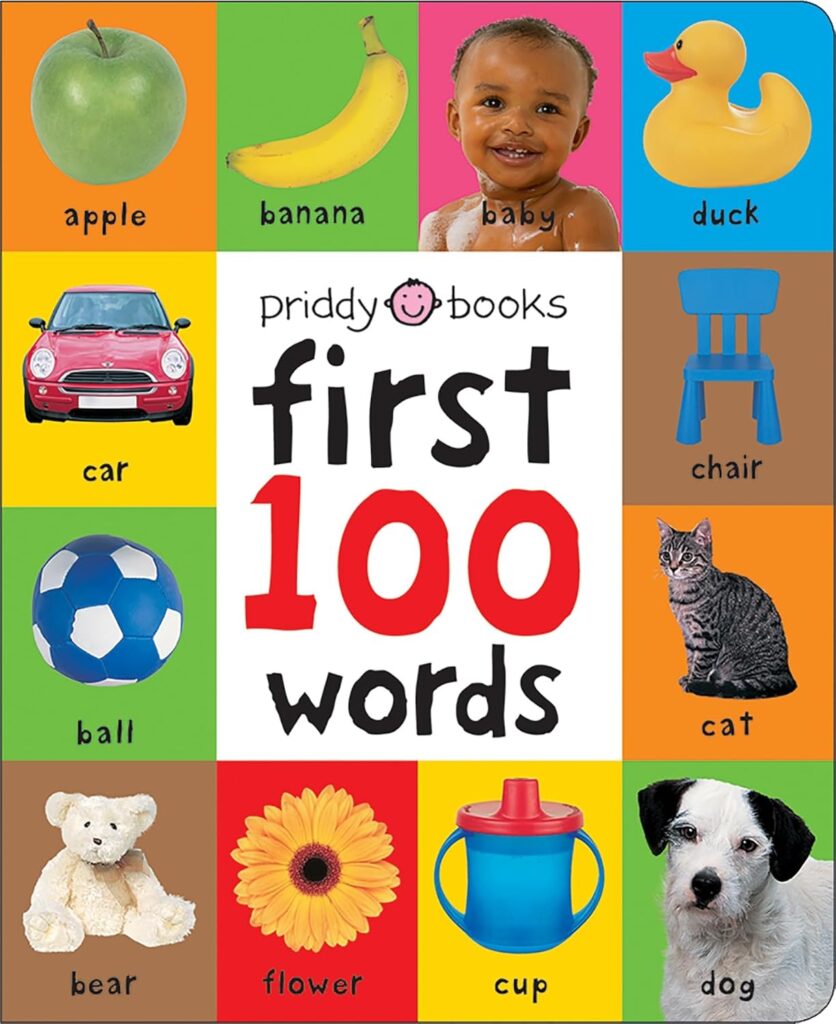
Supports early vocabulary and language development through visual association.
3. Stacking Rings Toy
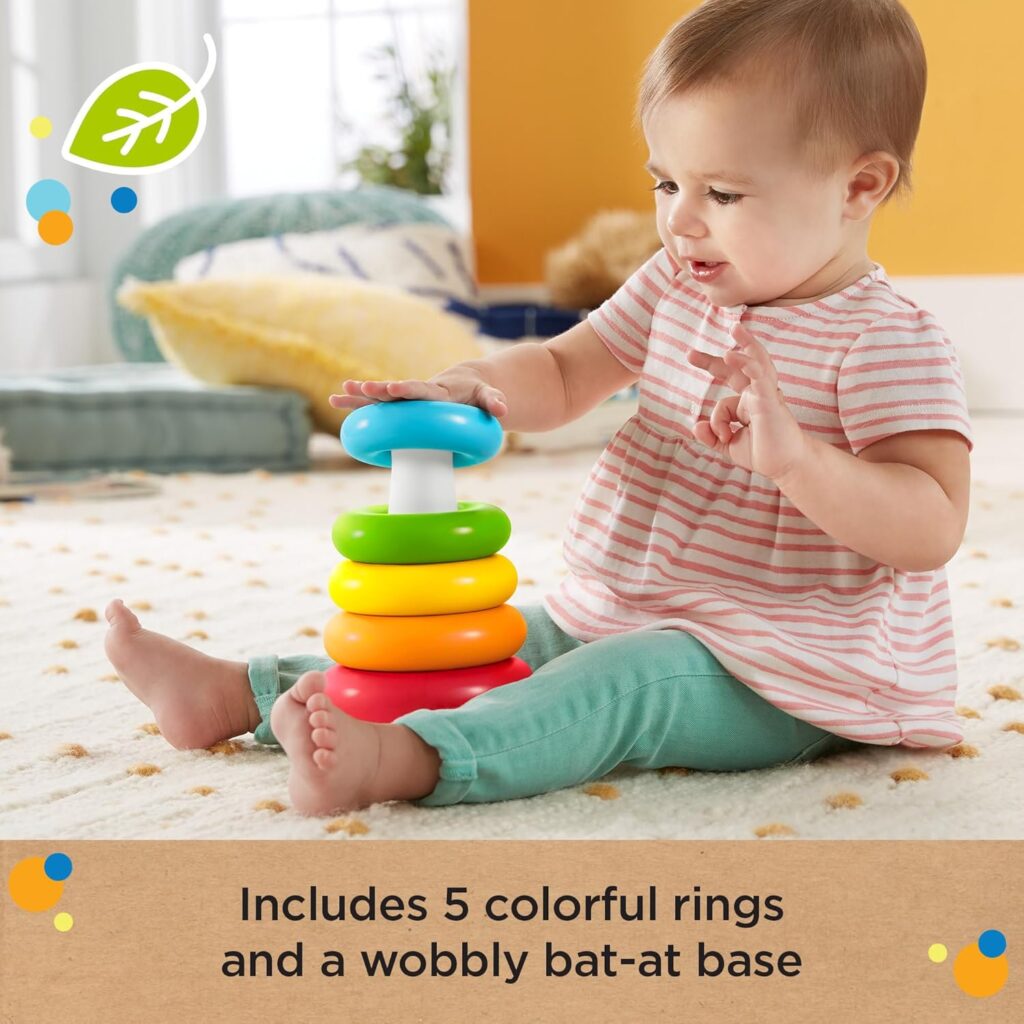
Encourages fine motor skills and understanding of size and order.
4. Montessori Busy Board
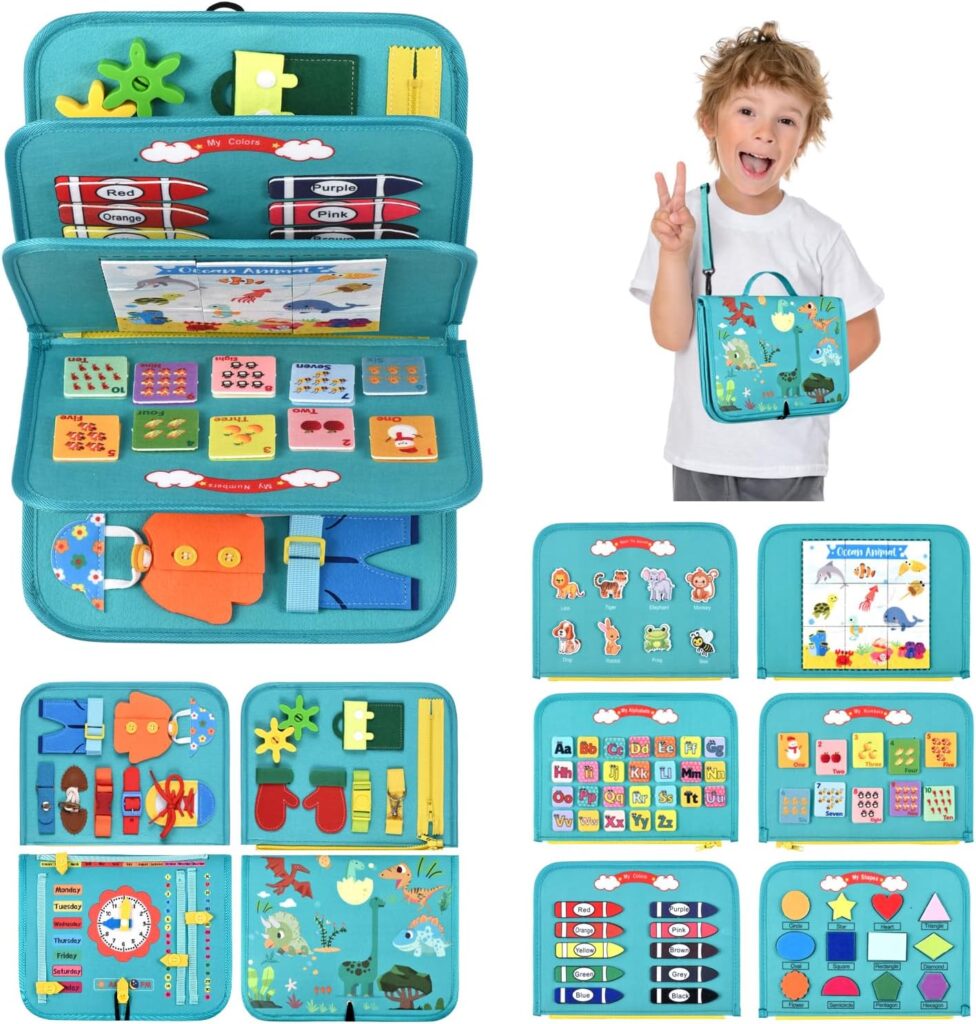
Builds independence and practical life skills through hands-on play.
5. Chunky Knob Puzzles
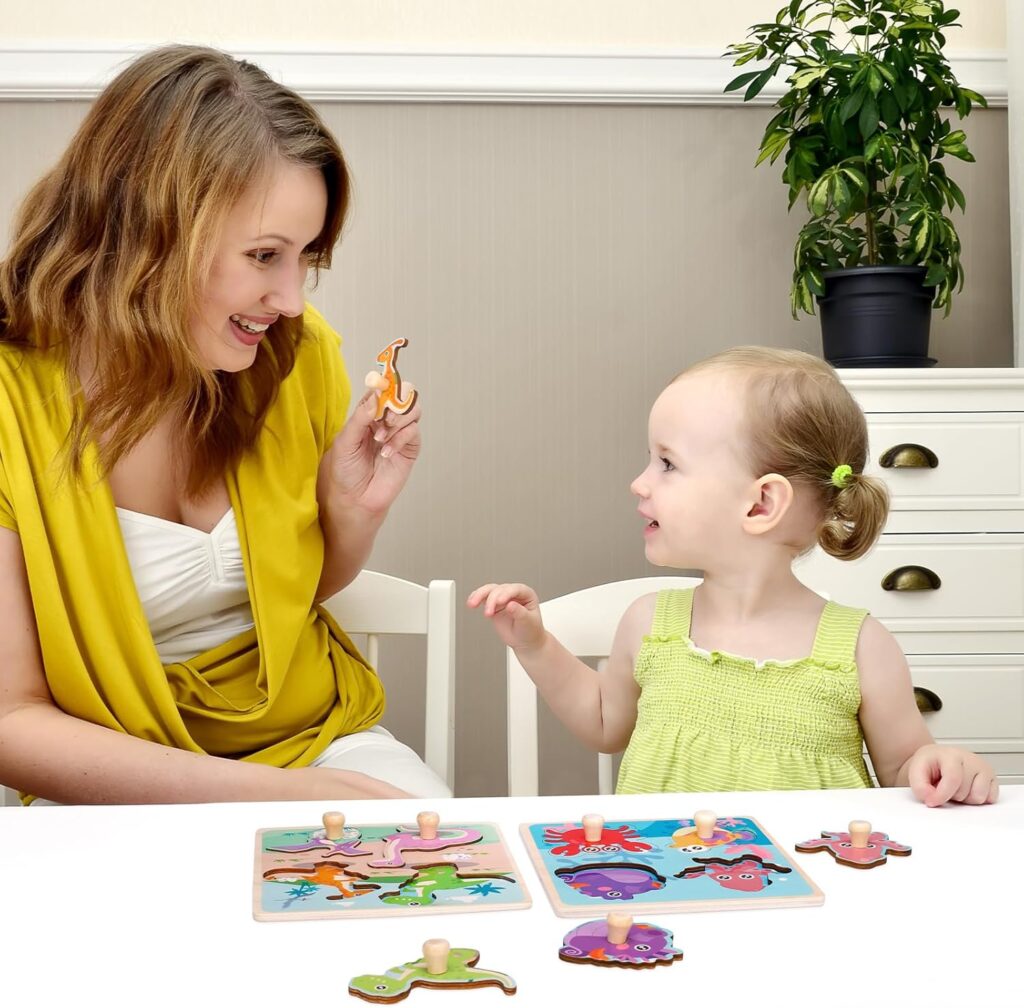
Perfect for developing grip strength and early problem-solving skills.
6. LeapFrog Learning Friends Book
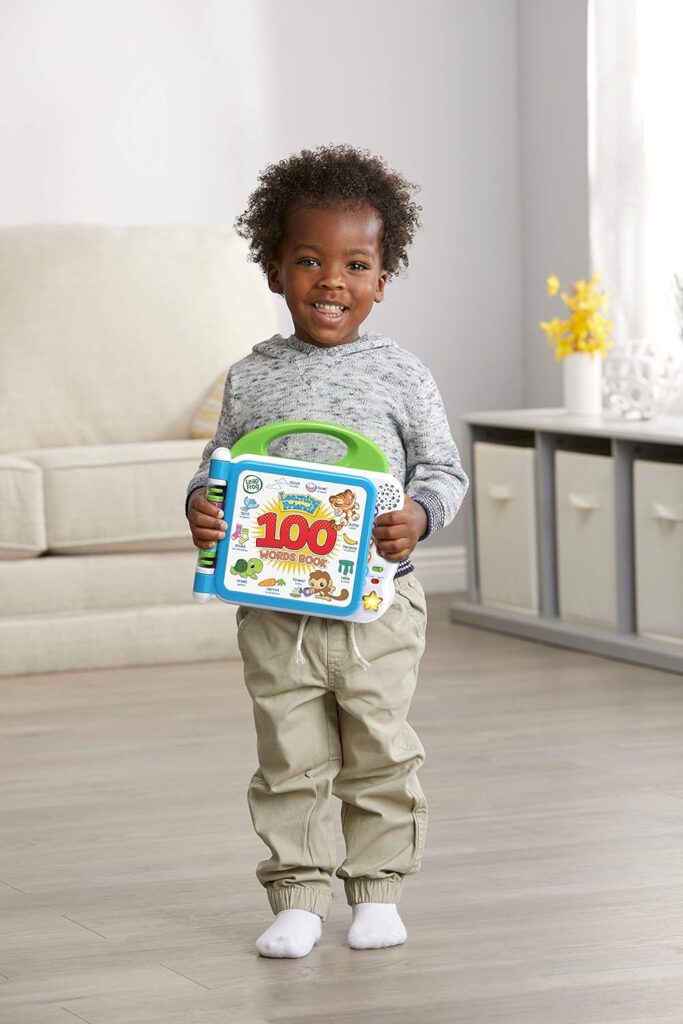
Interactive and engaging for early language
7. Orchard Toys Matching Games
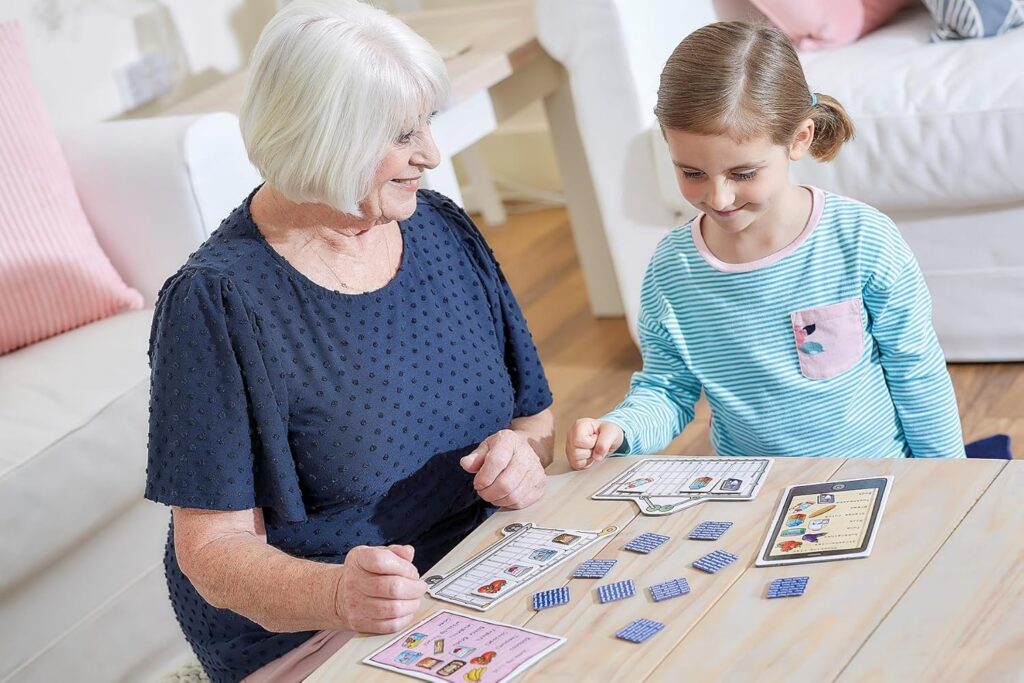
Excellent for attention and memory
8. Galt Toys First Activities
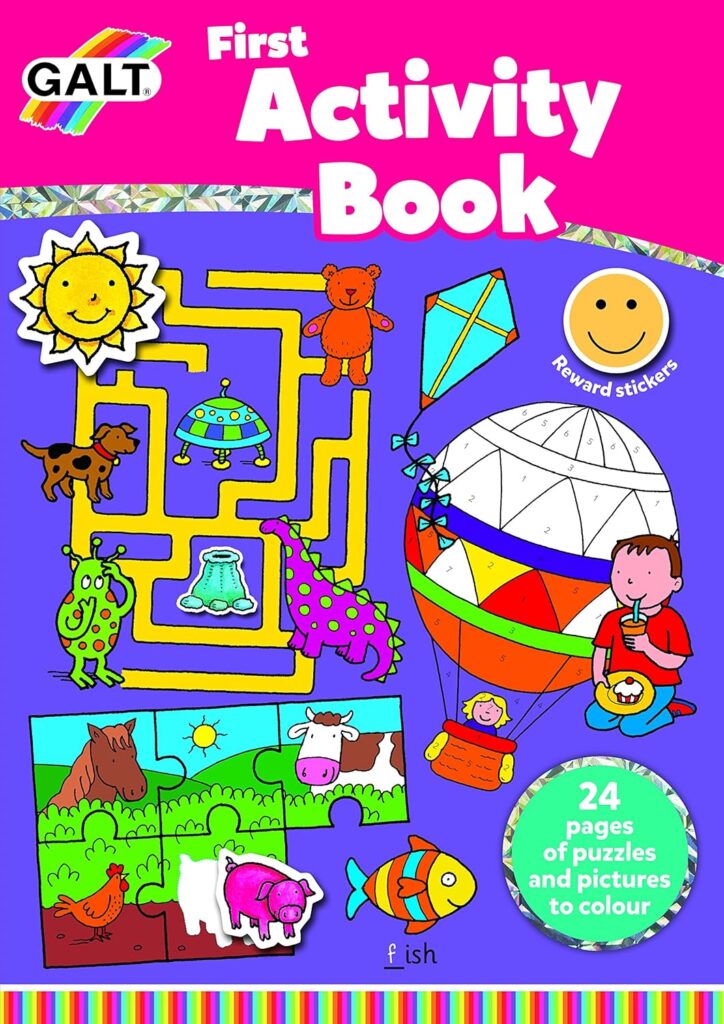
Simple structured play without pressure
9. Usborne Lift-the-Flap Books
Curiosity-driven learning
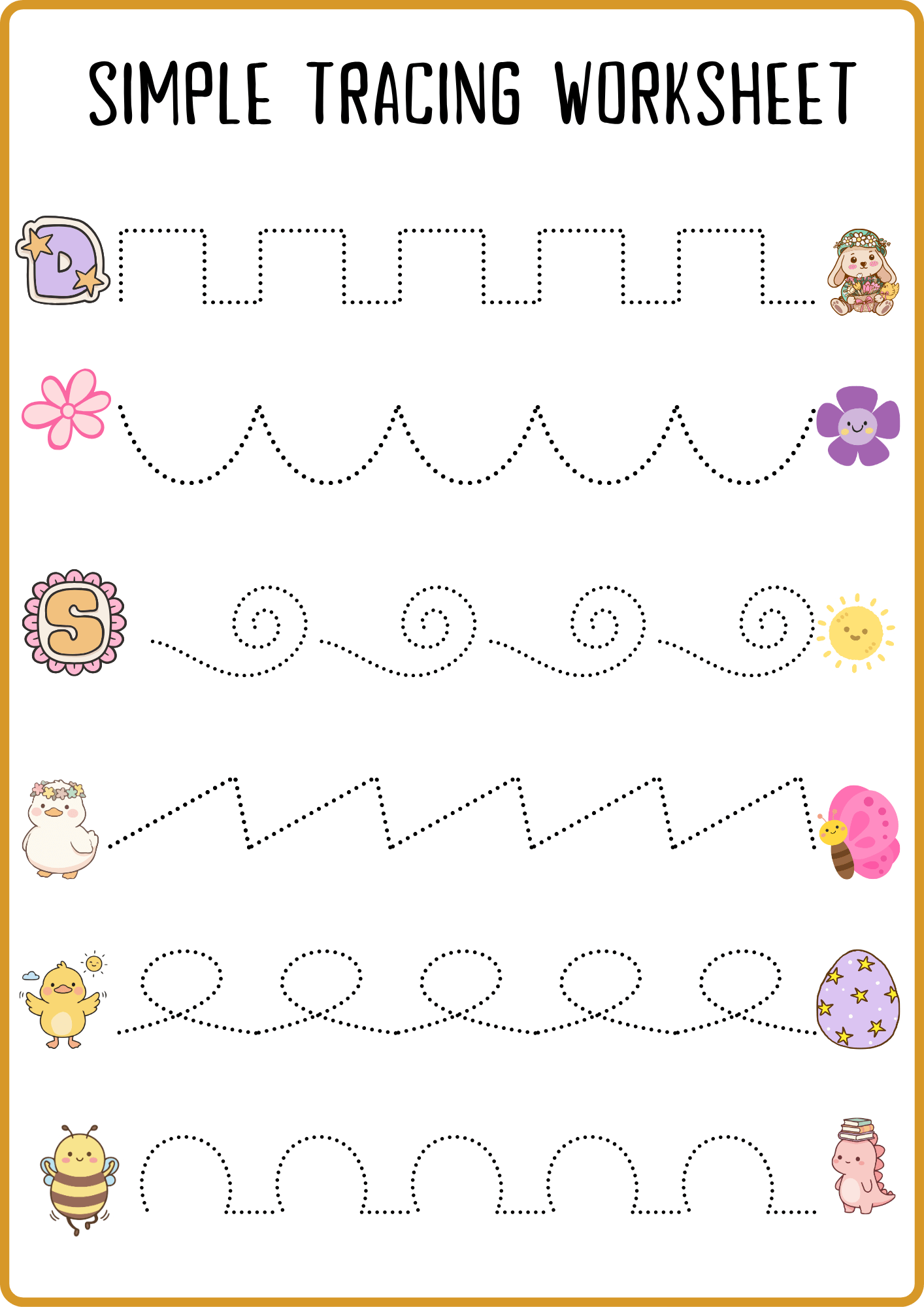
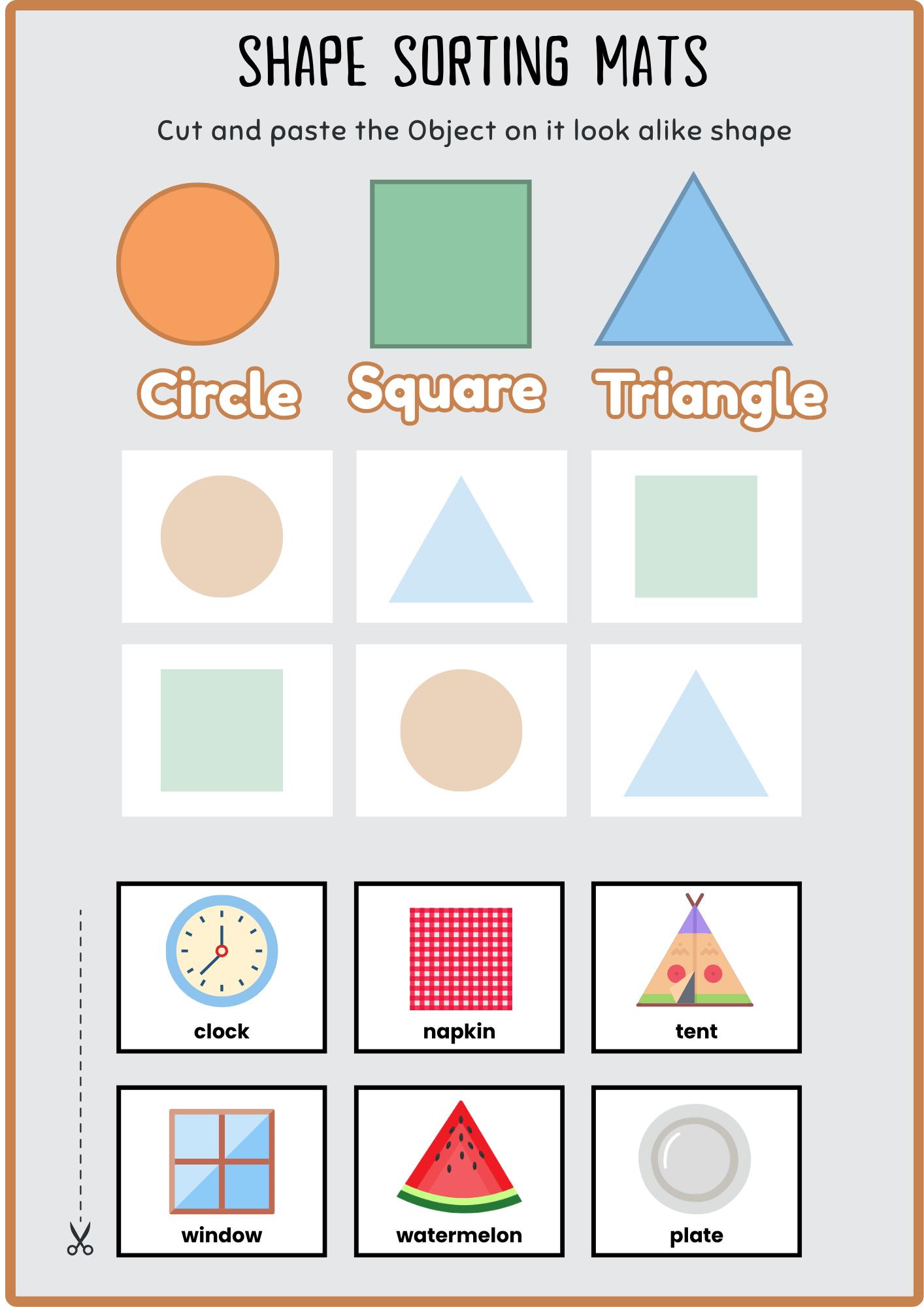
Free Printable Ideas for Home Learning
Adding free printables to your blog not only supports parents but also increases engagement and return visits.
Here are ideas you can include:
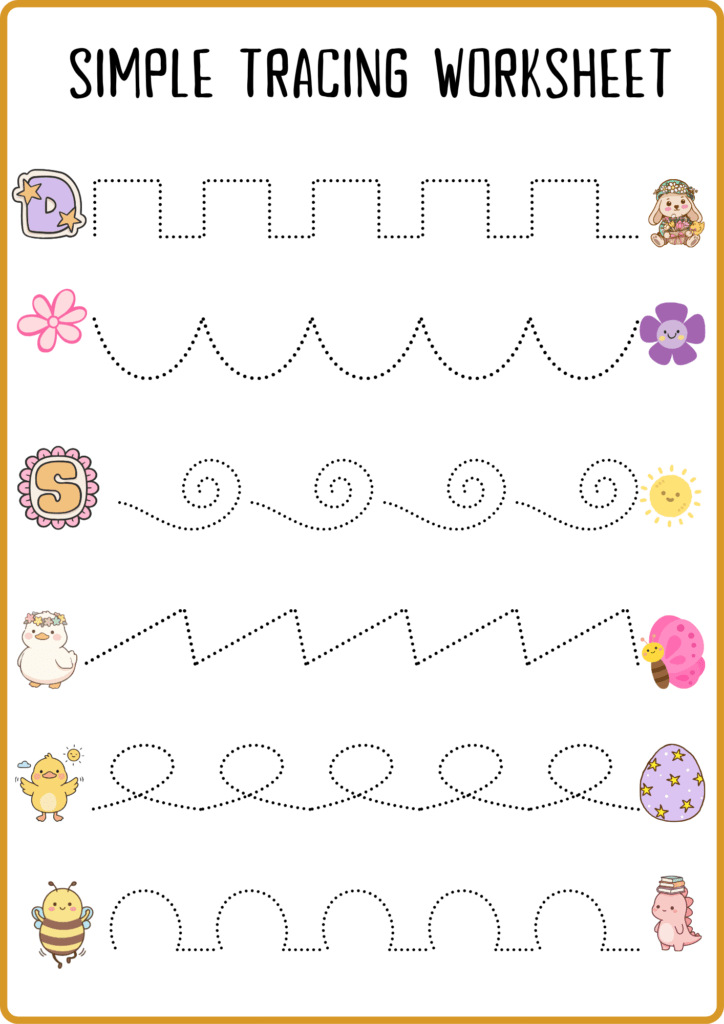
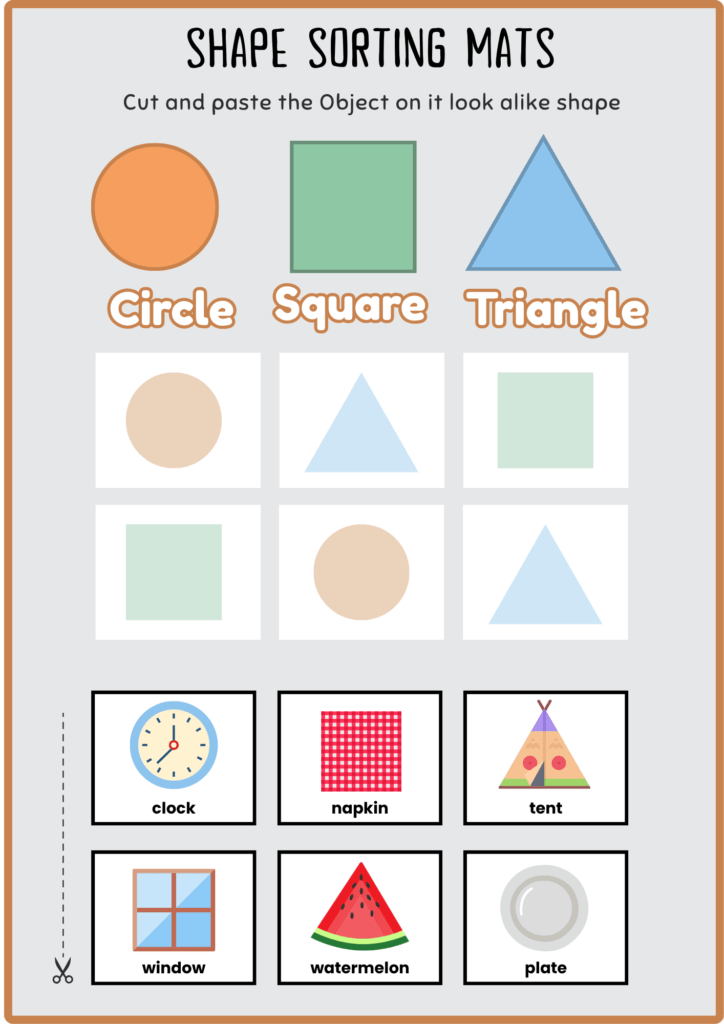
Keep designs simple, clear, and visually appealing for toddlers.
Final Thoughts for Parents
If there is one thing to take away from this, it is this:
You do not need to force learning for it to happen.
Your toddler is already learning every single day through observation, play, and interaction with you.
Educational materials are tools, not solutions. Their success depends on how they are introduced, not how expensive or advanced they are.
Slow down. Follow your child’s lead. Make learning feel like connection, not correction.
Because when a child enjoys the process of learning, everything else becomes easier.