The After-school Restraint Collapse/Meltdown
You’ve probably heard it before.
“Your child is so well-behaved.”
“They’re a pleasure to have in class.”
“We wish we had more children like this.”
And you smile… but inside you’re thinking:
“That’s not the child I see at home.”
Because at home, it’s a completely different story.
The meltdowns.
The attitude.
The refusal to listen.
The emotional explosions over the smallest things.
It can feel confusing, frustrating, and if we’re being honest, sometimes even disheartening.
But here’s the truth most parents aren’t told clearly enough:
This doesn’t mean something is wrong with your child. And it doesn’t mean you’re doing anything wrong either.
In fact, this pattern is far more common than people realise.
Let’s break it down properly so you understand what’s really going on and what actually helps.
What You’ll Learn in This Post
- Why does my child behave well at school but not at home?
- Why do kids have meltdowns after school?
- Is it normal for children to act out more at home?
- Why does my child only misbehave with me?
- What is after-school restraint collapse?
- How can I reduce after-school tantrums?
- What should I do when my child releases emotions at home?
- When should I be concerned about my child’s behaviour?
- What routines help children regulate after school?
- Tools and products that can support emotional regulation
Why does my child behave well at school but not at home?
At school, your child is in a completely different environment.
There are:
- Clear rules
- Structured routines
- Constant supervision
- Social expectations
- Predictability
Your child knows what is expected and understands that there are immediate consequences for not following those expectations. So they hold it together.
They:
- Sit still when they’d rather move
- Stay quiet when they want to speak
- Follow instructions even when they’re tired
- Manage emotions they don’t fully understand
That takes effort. A lot of it.
Now compare that to home.
Home is:
- More relaxed
- Less structured
- Emotionally safe
- Flexible
So what happens? The pressure comes off.
And when that pressure comes off, everything they’ve been holding in starts to come out.
Why do kids have meltdowns after school
Because they are exhausted.
Not just physically, but emotionally and mentally.
Think about your own day.
Imagine being “on” all day long, managing expectations, staying focused, dealing with people, controlling your reactions.
By the end of the day, you’re tired.
Children experience that too, but they don’t yet have the skills to manage it properly.
So instead of saying:
“I’ve had a long day and I feel overwhelmed,”
It comes out as:
- Crying
- Shouting
- Defiance
- Irritability
This is often referred to as: After-school restraint collapse.
What is after-school restraint collapse?
After-school restrain collapse is when a child:
- Holds in emotions all day
- Follows rules in a structured environment
- Suppresses frustration, tiredness, or overstimulation
Then releases it all once they get home.
You might notice:
- Immediate mood swings
- Overreaction to small requests
- Clinginess or withdrawal
- Sudden anger
This isn’t manipulation.
It’s emotional overflow and articles have gone to
Is it normal for children to act out more at home
Yes. Completely.
And here’s the part many parents struggle with:
Children often act out the most where they feel the safest.
At home, your child knows:
- They are loved
- They are accepted
- They won’t be rejected for their emotions
So they let their guard down.
That doesn’t mean the behaviour is okay.
But it explains why it happens.
Why does my child only misbehave with me?
This can feel personal, but it isn’t.
It actually means:
- Your child trusts you
- They feel emotionally secure with you
- They don’t feel the need to “perform” around you
At school, they are managing behaviour to meet expectations.
At home, they are releasing what they’ve been holding in.
You’re not being disrespected.
You’re seeing the unfiltered version of your child.
How can I reduce after-school tantrums?
You don’t eliminate them overnight, but you can reduce the intensity and frequency.
1. Create a decompression window
The biggest mistake many parents make is jumping straight into:
- Homework
- Instructions
- Corrections
Instead, give your child time to reset.
This could be:
- Quiet play
- Snack time
- Watching something calming
- Listening to music
No demands. No pressure.
2. Lower expectations temporarily
Right after school is not the moment to correct behaviour or enforce discipline heavily.
Let them settle first.
Then guide.
3. Keep boundaries calm and consistent
Understanding behaviour doesn’t mean allowing everything.
You still need boundaries, but how you deliver them matters.
Instead of reacting emotionally:
Say calmly and clearly what is expected.
Consistency builds security.
4. Teach emotional expression
Many children act out because they don’t have the language to express how they feel.
Start introducing simple phrases:
- “I feel tired”
- “I feel frustrated”
- “I need a break”
This reduces behaviour over time and ensure you rule out anxiety. Find out more about the ‘Anxious Generation‘ movement.
5. Watch child’s patterns and triggers
Pay attention to:
- Certain days (e.g. after PE or busy days)
- Hunger levels
- Sleep quality
- Changes in routine
Patterns give you control.
What should I do when my child releases emotions at home?
Stay steady.
Not passive. Not harsh. Just steady.
Your role is to:
- Acknowledge feelings
- Hold boundaries
- Guide behaviour
Example:
“I can see you’re upset. It’s okay to feel like that.
But we don’t throw things. Let’s calm down together.”
This teaches:
- Emotional safety
- Behaviour limits
- Regulation over time
What routines help children regulate after school?
Children thrive on predictable routines, especially after a demanding day.
Here’s a simple structure that works:
First 30–60 minutes:
- Snack
- Quiet time
- No demands
Next phase:
- Light conversation (conversation topic guide provided)
- Check-in (How did my day go?)
Later:
- Homework
- Structured activity
Evening:
- Wind-down routine
- Consistent bedtime
This reduces emotional spikes significantly.
When should I be concerned about my child’s behaviour?
Let’s be realistic.
This pattern is normal, but there are limits.
Pay closer attention if:
- Behaviour is aggressive daily
- Your child seems constantly overwhelmed
- School also reports emotional struggles
- There’s withdrawal, anxiety, or ongoing distress
If that’s the case, it’s worth exploring:
- School support
- Behaviour specialists
- Emotional wellbeing checks
Recommended Tools to Support Calm After School
These are practical tools that genuinely help children regulate, not just “nice to have” items.
1. Sensory Fidget Toys– These give children a physical way to release tension.

Helpful for:
- Restlessness
- Irritability
- Difficulty sitting still
2. Noise-Cancelling Headphones– Great for children who get overwhelmed easily.

Helpful for:
- Sensory overload
- Noise sensitivity
- Creating a calm environment
3. Visual Routine Charts
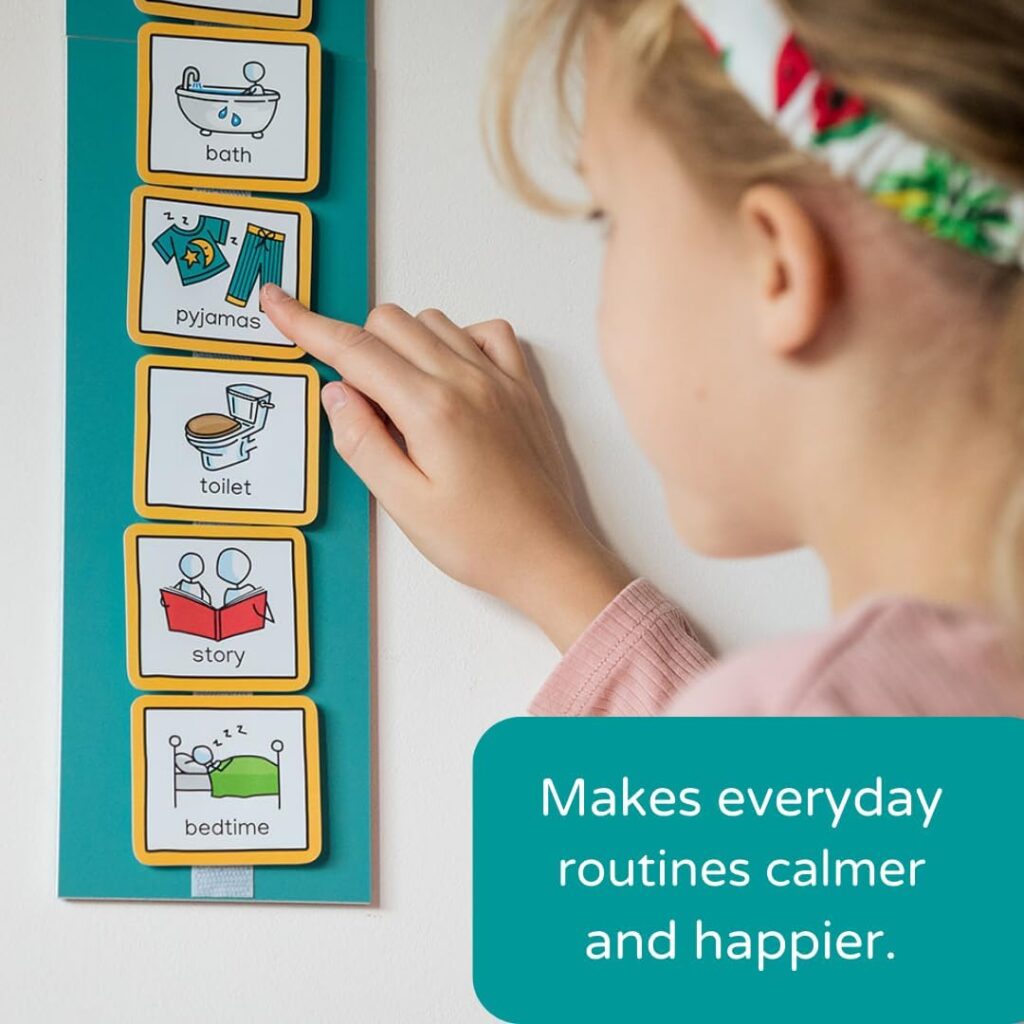
Children behave better when they know what’s coming next.
Helpful for:
- Transitions
- Reducing resistance
- Building independence
4. Emotion Flashcards– Helps children express instead of act out.
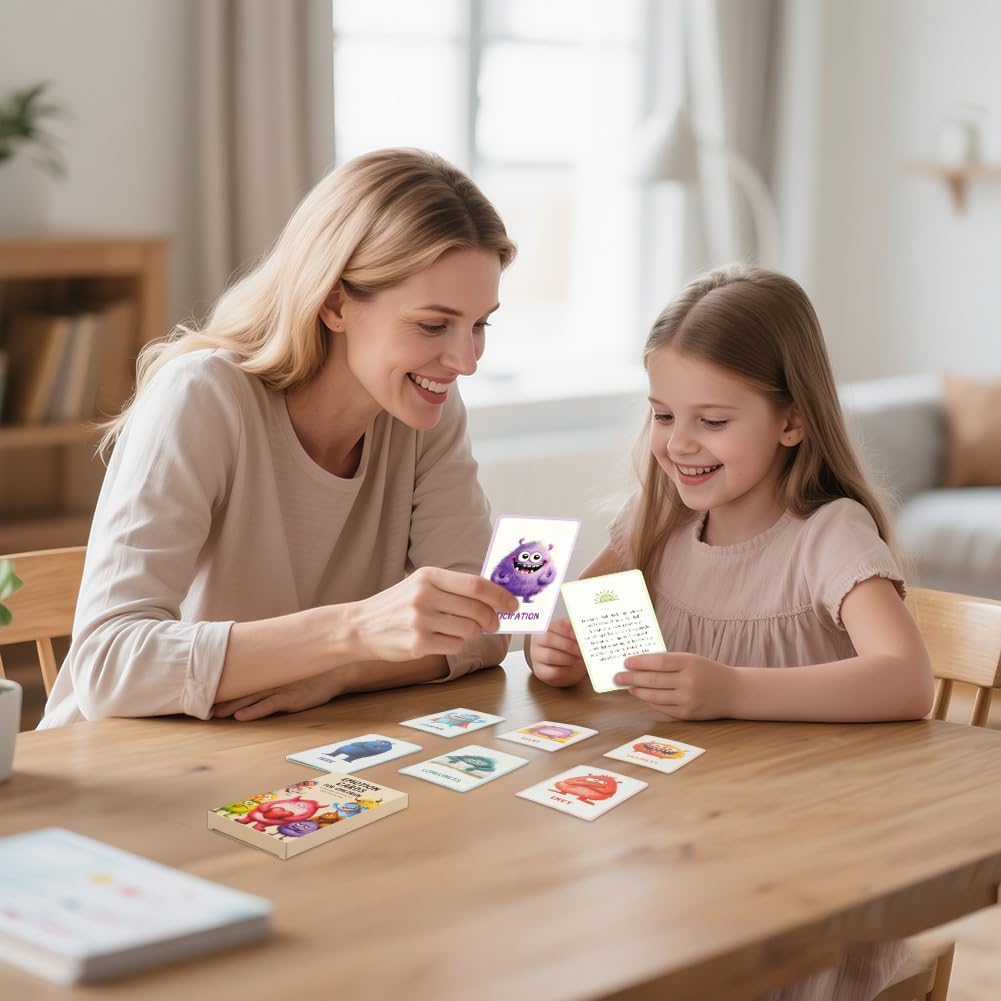
Helpful for:
- Emotional awareness
- Communication
- Reducing meltdowns
5. Calm Down Corner Kit
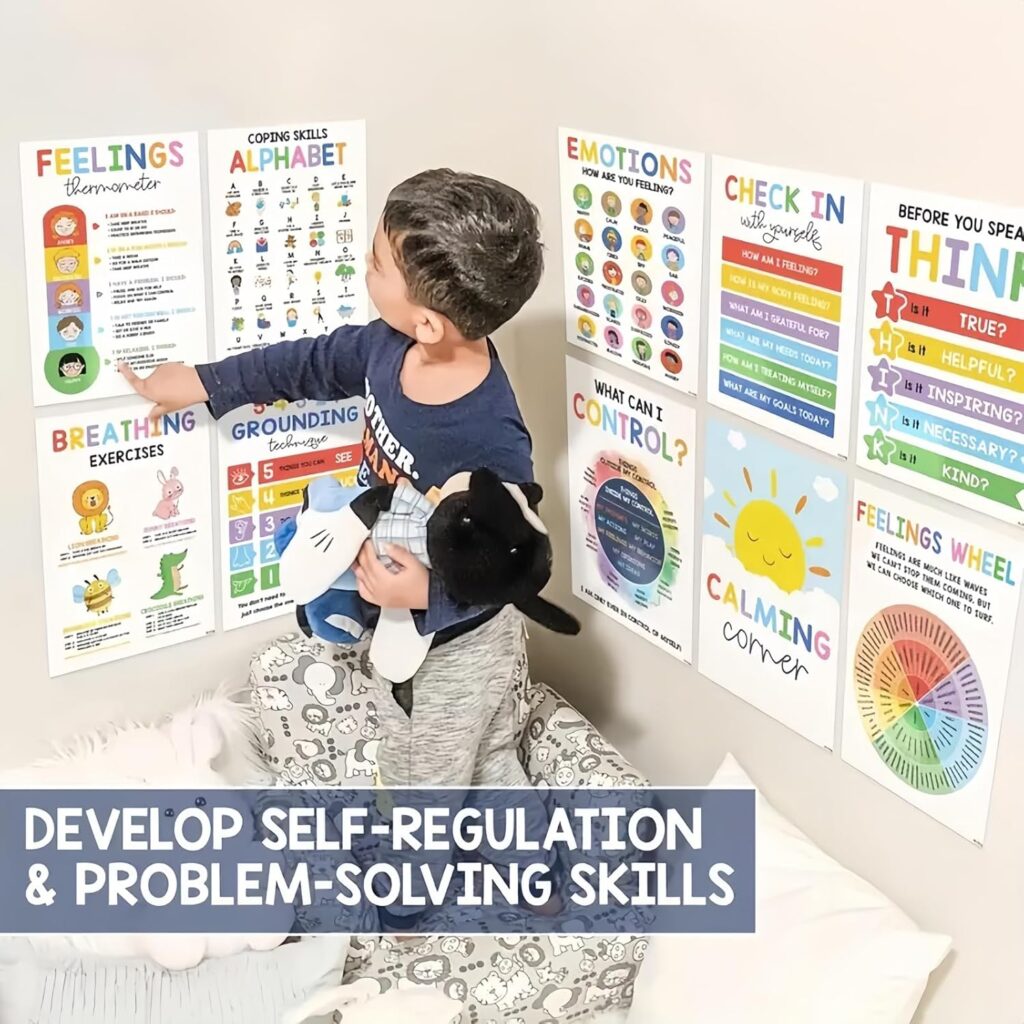
A safe space for children to reset.
Helpful for:
- Big emotions
- Frequent meltdowns
- Teaching self-regulation
Free Printable for Parents
To make this easier for you to implement, you can download these free printables:
- After-school routine chart
- Daily feelings worksheet
In Conclusion
You don’t have a “bad” child.
You have a child who:
- Is trying hard all day
- Is managing expectations
- Is holding things in
And when they get home…
They let go.
That’s not the problem.
The real goal is this:
Teach them how to release emotions in a better way.
Not by shutting them down.
Not by ignoring it.
But by guiding, structuring, and supporting them consistently.
Over time, that’s what builds:
- Emotional intelligence
- Self-regulation
- Secure behaviour
And that’s what actually lasts.