Exploring Risks and Safer Alternatives
Emily thought she was doing the best for her baby girl, Mia. Every diaper change ended with a gentle pat of talcum powder to keep Mia’s skin soft and dry. One evening, Emily accidentally spilled the bottle near Mia, and before she could react, Mia inhaled a small cloud of the powder. Within minutes, Mia began coughing violently and struggling to breathe. Panicked, Emily rushed her to the emergency room, where doctors diagnosed Mia with talc pneumonitis, a severe lung inflammation caused by inhaling talcum powder. Thankfully, Mia survived, but the ordeal left Emily shaken and questioning a product she once trusted.
The Controversy Around Baby Powder

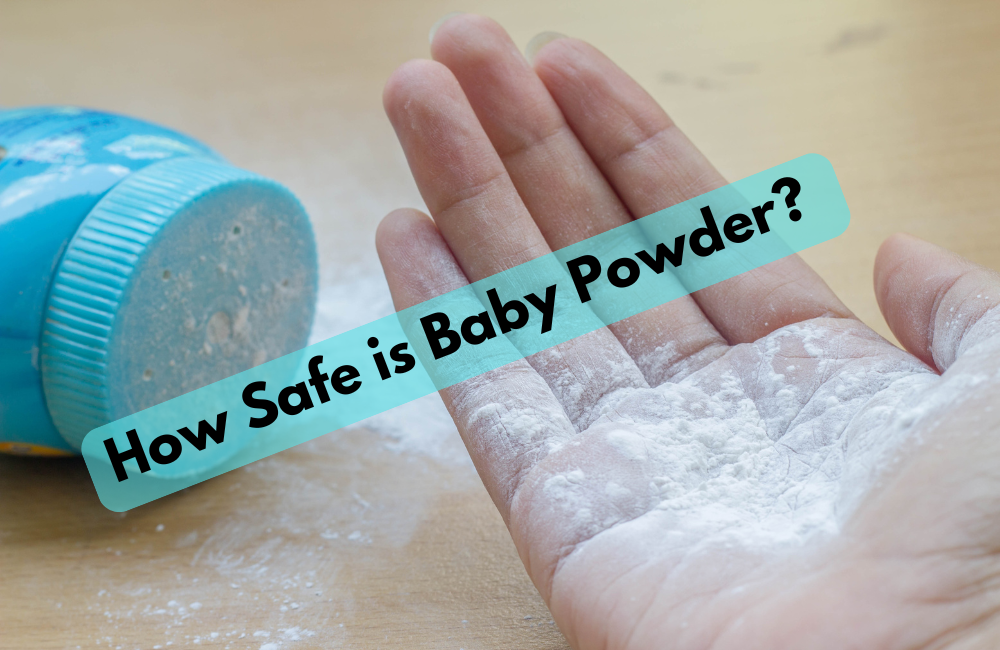
As a mum of five, including my 18-month-old, I’ve always steered clear of baby powder. But with so many parents still using it, the ongoing controversy has me feeling deeply unsettled. Baby powder, especially those made with talc, has been a household staple for decades. It’s made from talc, a mineral known for its moisture-absorbing properties, which is why many trust it for keeping baby skin dry and rash-free.
But recent research has shed light on serious health concerns—
- Respiratory Issues: Inhalation of talc particles can cause lung irritation and, in severe cases, life-threatening conditions like talc pneumonitis.
- Cancer Risks: Some studies have suggested a connection between talc use and ovarian cancer, particularly when used in the genital area over long periods.
- Product Recalls: High-profile legal cases, including lawsuits against Johnson & Johnson, have highlighted the potential dangers of talc-based powders.
That leaves us with the question, what safer options do we have?
Talc-free powders, often made from cornstarch or other natural ingredients, have been marketed as safer alternatives. However, recent studies have raised concerns about these products as well:
- Cornstarch Inhalation Risks: While less harmful than talc, cornstarch particles can still pose respiratory hazards if inhaled in large amounts.
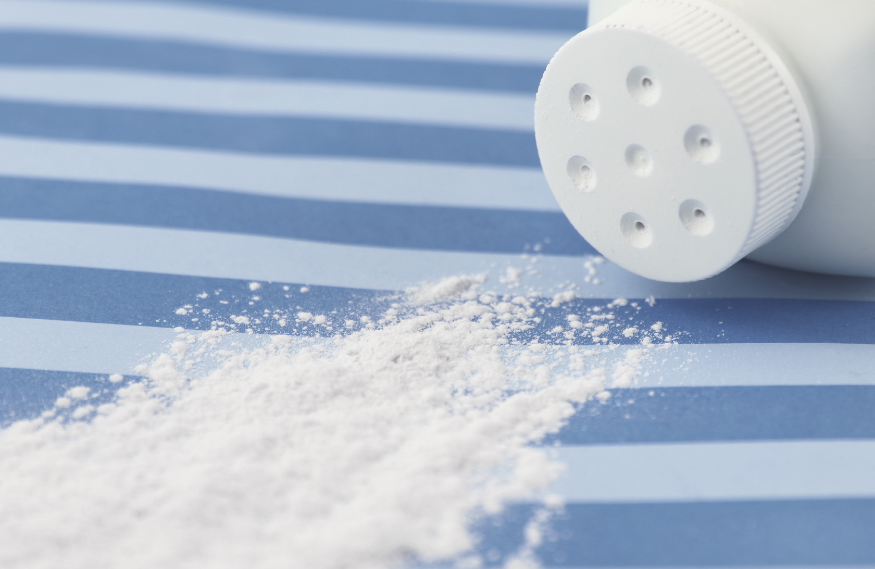
- Skin Sensitivities: Some babies may develop allergies or rashes from cornstarch-based products.
Safer Alternatives for Baby Skin and Nappy Rash Prevention
For parents seeking safer ways to protect their baby’s skin and prevent nappy rash, consider the following alternatives:
1. Barrier Creams
- Product: Bepanthen Nappy Care Ointment
- Benefits: Creates a protective layer on the skin, preventing irritation and helping to heal existing rashes.
- Reviews: Highly rated for its gentle, hypoallergenic formula.
- Where to Buy: Available at Boots and Amazon for approximately £5 for a 30g tube.
2. Natural Oils
- Product: Coconut Oil
- Benefits: Acts as a natural moisturizer with antibacterial properties, soothing irritated skin.
- Reviews: Parents love its versatility and affordability.
- Where to Buy: Organic coconut oil can be found at health stores or online for around £7 per 300ml.

3. Nappy Rash Sprays
- Product: Metanium Everyday Barrier Spray
- Benefits: Easy-to-apply spray that protects against nappy rash without messy application.
- Reviews: Praised for its convenience and effectiveness.
- Where to Buy: Available at Superdrug and Amazon for approximately £6 for a 60ml bottle.
4. Reusable Cloth Wipes
- Product: Cheeky Wipes Bamboo Cloth Wipes
- Benefits: Gentle on skin and free from chemicals found in disposable wipes.
- Reviews: Parents appreciate the eco-friendliness and softness.
- Where to Buy: Available on the Cheeky Wipes website for about £20 for a starter kit.
Research and Industry Responses
The growing body of research highlighting the risks of talc has led to significant changes in the baby product industry:
- Increased Regulation: Many countries now require clearer labelling on talc-containing products.
- Shift to Talc-Free Formulas: Major brands like Johnson & Johnson have introduced cornstarch-based alternatives.
- Consumer Awareness: Parents are increasingly opting for natural, non-powder-based solutions.
Final Thoughts
The tragic case of Emily and Mia underscores the importance of re-evaluating the products we use on our children. While baby powder has long been a trusted staple, its potential risks cannot be ignored. By exploring safer alternatives like barrier creams, natural oils, and innovative sprays, parents can protect their babies without compromising on care. As always, consult your paediatrician before introducing new products to your baby’s routine. Together at Raising Smiles, we can create a safer, healthier environment for our little ones.