10 Traits Children Get From Their Parents
Have you ever looked at your child and thought:
“That is definitely from their Dad or Mum!”
Or perhaps your child’s eyes look exactly like yours, while their smile, height or hair reminds you of their other parent.
And then there are those funny family debates:
“Who did they get their intelligence from?”
“Is their height from Mum or Dad?”
“Why does my son look so much like his dad?”
“Do boys get more genes from their mothers?”
Genetics is fascinating because your child really is a unique combination of both parents. But some of the things we hear about what children “get from Mum” or “get from Dad” are surprisingly inaccurate.
So, what does a child actually inherit from each parent?
Let’s look at what the science says.
Do Children Get 50% of Their DNA From Mum and 50% From Dad?
Yes.
In typical human reproduction, a child receives one set of 23 chromosomes from their biological mother and one set of 23 chromosomes from their biological father, giving them 46 chromosomes in total.
So, genetically speaking, your child is not simply a smaller version of Mum or Dad.
They are a new combination of genetic information from both.
But there is an important detail that makes this even more interesting:
Your child does not receive the same 50% from each parent that their sibling receives.
This is one reason brothers and sisters can look remarkably different even when they have the same two biological parents.
Each child receives a different combination of genetic variants.
So your children can have:
- different eye colours
- different hair textures
- different heights
- different facial features
- different builds
- different inherited characteristics
even though they have the same parents.
10 Things Children Can Inherit From Their Mum and Dad
Let’s get into the things parents are usually most curious about.
1. Eye Colour Can Come From Both Parents
Eye colour is one of the first things parents notice when comparing a baby with Mum and Dad.
You might have brown eyes while your partner has blue eyes and wonder:
“So which one will our baby get?”
The answer isn’t as simple as “brown is dominant, so the baby will have brown eyes.”
That is an old oversimplification.
Eye colour is influenced by multiple genes, including genes involved in producing and distributing melanin, the pigment responsible for much of the colour in the iris.
This means a child’s eye colour is influenced by genetic information inherited from both parents.
It can also produce surprises.
Can a child have a different eye colour from both parents?
Yes.
Eye-colour inheritance is more complicated than the traditional schoolbook example of “brown dominant, blue recessive.” Multiple genes contribute to eye colour, which is why predicting a child’s exact eye colour from their parents is not always straightforward.
So if your child’s eyes don’t look exactly like Mum’s or Dad’s, that’s perfectly possible.
2. Hair Colour and Hair Characteristics Are Inherited
Hair is another obvious family trait.
Your child may inherit genetic variants that influence:
- hair colour
- hair texture
- hair thickness
- hair growth patterns
- tendency towards straight, wavy or curly hair
But again, it isn’t usually as simple as:
“Curly hair comes from Dad.”
Multiple genes can contribute to characteristics such as hair colour and texture.
This is why two children in the same family can have completely different hair.
One might have thick, dark curls.
Another might have finer, straighter hair.
Both can still have inherited their hair-related genetic variants from the same two parents.
And baby’s hair can change
If you’ve looked at your baby’s newborn hair and wondered whether that is what they’ll have forever, don’t be too quick to decide.
Hair characteristics can change as children grow, so the hair a baby has in their first year isn’t necessarily the hair they’ll have as an adult.
3. Height Is Strongly Influenced by Genetics
If you’re wondering:
“Will my child be tall like Dad or shorter like Mum?”
Genetics plays a major role.
Scientists estimate that around 80% of variation in height between people can be attributed to inherited DNA differences, although the exact contribution varies between populations and environments. Height is influenced by many genetic variants rather than a single “height gene.”
But genes aren’t the whole story.
A child’s growth is also influenced by factors including:
- nutrition
- health
- hormones
- illness
- physical development
- environment
So having tall parents does not guarantee a particular final height.
Why can siblings be different heights?
Because siblings receive different combinations of genetic variants.
That means one child may inherit a combination associated with greater height while another receives a different combination.
So yes, your children can have the same parents and still end up noticeably different heights.
4. Skin Colour and Skin Characteristics Are Influenced by Many Genes
Skin colour is not controlled by one single gene.
It is a complex characteristic influenced by multiple genes involved in the production, distribution and regulation of melanin.
This is another example of why children can have different combinations of characteristics from their parents.
A child inherits genetic information from both biological parents, but the particular combination they receive can produce a wide range of appearances within the same family.
And remember:
Genetics isn’t the only factor affecting how a person’s skin looks.
Sun exposure, age, health and other environmental factors can also influence skin characteristics.
5. Facial Features Can Run in Families
Ever looked at an old family photograph and suddenly noticed:
“Oh my goodness, that is exactly my child’s face!”
Facial appearance is influenced by many genes.
Children can inherit genetic influences affecting characteristics such as:
- nose shape
- chin shape
- facial structure
- cheekbones
- lips
- dimples
- freckles
- earlobes
- facial proportions
The combination is unique to each child.
This is why one child might have Mum’s eyes, Dad’s nose and Grandma’s dimples.
Genetics doesn’t work like a simple shopping list where a child chooses:
Mum’s eyes + Dad’s nose + Grandma’s smile.
Instead, many genetic variants interact to influence physical characteristics.
6. Blood Type Can Be Inherited From Both Parents
Blood type is another characteristic influenced by inherited genes.
The major ABO blood groups are:
- A
- B
- AB
- O
A child inherits genetic information affecting their blood group from both biological parents.
This can sometimes produce combinations that surprise parents.
For example, a child doesn’t necessarily have exactly the same blood type as either parent.
Why?
Because the child’s blood group depends on the particular versions of the relevant genes inherited from each parent.
This is a good example of why “my child must have exactly what I have” is not how genetic inheritance works.
7. Certain Health Risks Can Be Inherited
Genes don’t only influence appearance.
They can also influence a person’s likelihood of developing certain health conditions.
Some genetic conditions can be inherited directly through particular patterns, while for many common conditions, genetics is only one part of the picture.
The National Human Genome Research Institute explains that genes inherited from parents can influence traits such as height, eye colour and disease risk.
This is an important distinction:
Having a genetic risk does not necessarily mean a child will develop a condition.
Many health outcomes involve a combination of:
genes + environment + lifestyle + other biological factors.
Genetics can increase or decrease susceptibility without determining the outcome completely.
8. Some Personality Characteristics May Have Genetic Influences
This is where things get particularly interesting.
You may have noticed that your child seems naturally:
- outgoing
- cautious
- energetic
- sensitive
- persistent
- easily startled
- curious
- calm
- highly active
Parents sometimes say:
“He’s exactly like his dad.”
Or:
“She’s just like me at that age.”
There can be a genetic component to aspects of temperament and behaviour.
But this does not mean a child’s personality is predetermined by their genes.
A child’s development is shaped by a combination of genetic influences and their experiences, relationships and environment.
So you shouldn’t think:
“My child inherited this personality, so there’s nothing I can do.”
Children continue to develop.
Their experiences matter.
Their relationships matter.
Their environment matters.
Their learning matters.
9. Intelligence Is Influenced by Genetics From Both Parents
This is one of the biggest questions parents ask:
Does intelligence come from the mother or father?
The short answer is:
It is not accurate to say that children get their intelligence from only their mother or only their father.
Read up – What Daughters Inherit from Their Fathers: Genetic Traits
Cognitive abilities are influenced by many genetic variants, and genetics is only part of the picture.
The idea that “intelligence comes from Mum” is a popular claim online, but it is an oversimplification of genetics.
A child’s cognitive development is influenced by a combination of genetic factors and environmental influences.
These can include:
- early experiences
- education
- nutrition
- sleep
- relationships
- opportunities to learn
- language exposure
- play
- environment
MedlinePlus explains that heritability is a statistical measure of genetic contribution to differences between people in a particular population. It does not mean that a particular percentage of an individual child’s intelligence is “caused by genes.”
So if someone tells you:
“Your child’s intelligence comes from Mum.”
be cautious.
The science is much more complicated than that.
10. Your Child’s Genetic Makeup Is Unique
Perhaps the most fascinating thing your child inherits from you isn’t one particular eye colour, hair type or personality trait.
It is their unique combination of genetic information.
Your child receives genetic material from both biological parents, but the particular combination is different.
That is why two children from the same parents can be so different.
And that is also why you can look at your child and think:
“I can see myself in you.”
while also thinking:
“But where did THAT come from?”
Both can be true.
Do Boys Get More Genes From Their Mum?
This is one of the most searched and misunderstood genetics questions.
No. Boys do not simply get more genes from their mother.
A typical male child inherits:
- 22 autosomes from Mum
- 22 autosomes from Dad
- one X chromosome from Mum
- one Y chromosome from Dad
A typical female child inherits:
- 22 autosomes from Mum
- 22 autosomes from Dad
- one X chromosome from Mum
- one X chromosome from Dad
So both boys and girls inherit roughly half of their nuclear genetic material from each biological parent.
The important difference is the sex chromosomes.
A biological mother typically contributes an X chromosome because eggs carry an X chromosome.
A biological father can contribute either an X or a Y chromosome. In the typical XX/XY pattern, an X from the father results in XX and a Y from the father results in XY.
So does Dad determine whether the baby is a boy or girl?
In the typical XX/XY chromosomal pattern, the sperm contributes either an X or Y chromosome, while the egg contributes an X chromosome. That means the father’s sperm chromosome determines whether the resulting embryo has an XX or XY chromosome pattern.
This is why the old habit of blaming Mum for having “girls” or praising Dad for producing “boys” makes no biological sense.
Is It True That Boys Get Their Intelligence From Their Mum?
No, not in the simple way this claim is often presented online.
You may have seen posts claiming that boys inherit intelligence from their mothers because certain genes are located on the X chromosome.
That does not mean a boy’s intelligence comes from his mother.
Cognitive abilities are complex traits influenced by many genes and environmental factors.
The X chromosome is only one chromosome, and humans have 23 pairs of chromosomes.
So it is scientifically misleading to reduce intelligence to:
Mum’s X chromosome = child’s intelligence.
There is no simple “intelligence gene” that tells us which parent a child’s intelligence comes from.
What About Mitochondrial DNA? Do Children Get That From Mum?
Here is a fascinating exception to the usual 50/50 explanation.
Most of your child’s nuclear DNA comes from both biological parents.
But mitochondrial DNA is generally inherited through the egg, meaning it comes from the biological mother.
Mitochondria are structures inside cells involved in producing energy.
The mitochondrial genome is much smaller than the nuclear genome, so this does not mean that children get “more DNA” from Mum overall.
It is simply a different inheritance pattern.
Why Do Some Children Look More Like Mum?
There isn’t necessarily one scientific reason.
It can happen because a child happens to inherit a combination of genetic variants that produces features resembling one parent more strongly.
And sometimes the resemblance is simply striking by chance.
You may have:
- Mum’s eyes
- Dad’s nose
- Grandma’s smile
- Grandpa’s hair
- and completely unique facial features that belong to nobody else in the family.
This is one of the beautiful things about genetic inheritance.
Why Do Siblings From the Same Parents Look So Different?
This is one of the best questions to ask when teaching children about genetics.
Your children have the same parents.
But they don’t receive identical genetic combinations.
During the formation of eggs and sperm, chromosomes are shuffled and recombined.
Each child therefore receives a different genetic mixture.
The result?
One child might be:
“Dad’s mini-me.”
Another might look:
“Exactly like Mum.”
And another might look like a fascinating combination of grandparents, aunties, uncles and both parents.
The NHS Genomics Education Programme confirms that siblings inherit different combinations of their parents’ genomes, which explains why they are genetically different.
Can a Child Inherit Traits From Grandparents?
Yes.
But not because a child receives DNA directly from their grandparents.
Your child receives their DNA from their biological parents.
However, your parents’ genetic variants can be passed down to you and potentially passed from you to your child.
So a grandparent’s characteristics can appear in a grandchild.
This can make family resemblance feel almost magical.
You might look at your child and suddenly see:
your mother’s smile.
Or:
your father’s eyes.
Or:
a grandparent’s facial features.
It’s inheritance travelling through generations.
Can Children Inherit Talents From Their Parents?
This is another area where we need to be careful.
You may hear:
“She’s musical because her dad is musical.”
or:
“He’s naturally good at maths because his mum is.”
There can be genetic influences on traits that contribute to abilities and interests.
But a specific talent is not usually something a child simply inherits as a finished package.
A child’s abilities develop through a combination of:
- genetics
- opportunity
- practice
- education
- encouragement
- environment
- motivation
- experience.
So your child may have a natural predisposition towards something, but what happens next is influenced enormously by what they experience.
Genes Are Not a Child’s Destiny
This is perhaps the most important message for parents.
Genetics matters.
But genes are not destiny.
Your child’s genetic makeup can influence many characteristics, but development happens through an interaction between biology and environment.
Think about language.
A child may inherit genetic characteristics that influence aspects of development, but they also learn language through:
- hearing people talk
- being spoken to
- reading
- playing
- asking questions
- interacting with caregivers
- attending nursery or school
- experiencing the world.
The same principle applies across many areas of development.
Your child’s genes provide biological information.
Their experiences help shape how that potential develops.
10 Quick Genetics Facts Every Parent Should Know
If you want the short version, remember these:
1. Children typically inherit half their chromosomes from Mum and half from Dad.
2. Siblings don’t receive identical combinations of their parents’ DNA.
3. Eye colour is influenced by multiple genes, not simply one dominant brown-eye gene.
4. Height is strongly influenced by genetics but is also affected by environmental factors.
5. Boys don’t simply inherit their intelligence from their mothers.
6. In the typical XX/XY pattern, the sperm contributes the X or Y chromosome.
7. Mitochondrial DNA is generally inherited from the biological mother.
8. Grandparents can influence a child’s appearance through genetic variants passed down through their parents.
9. Many traits are influenced by multiple genes.
10. Genes influence development, but they do not completely determine who your child will become.
So, What Did Your Child Get From You?
The next time someone says:
“Oh, that’s definitely from Mum.”
or:
“He’s got that from his dad.”
you can probably answer:
“Probably but genetics is a lot more complicated than that!”
Your child is carrying a remarkable mixture of genetic information from both biological parents.
Some traits may be obvious.
Others may be hidden for generations.
Some characteristics may be strongly influenced by genes.
Others are shaped heavily by environment and experience.
And many are the result of both.
That is why your child can have your eyes but your partner’s height, a grandparent’s smile, completely different hair from their siblings and a personality that seems entirely their own.
Your child isn’t simply a copy of Mum or Dad.
They are their own unique genetic combination.
And perhaps that’s the most amazing thing about inheritance.
[DOWNLOAD THE FREE MY FAMILY TRAITS PRINTABLE]
It is a simple way to introduce children to the idea that families can share characteristics while every person is still wonderfully unique.
Want to Explore Genetics With Your Child?
If this article has made your child curious about DNA, genes and how families are connected, these children’s books and science resources can be a lovely next step.
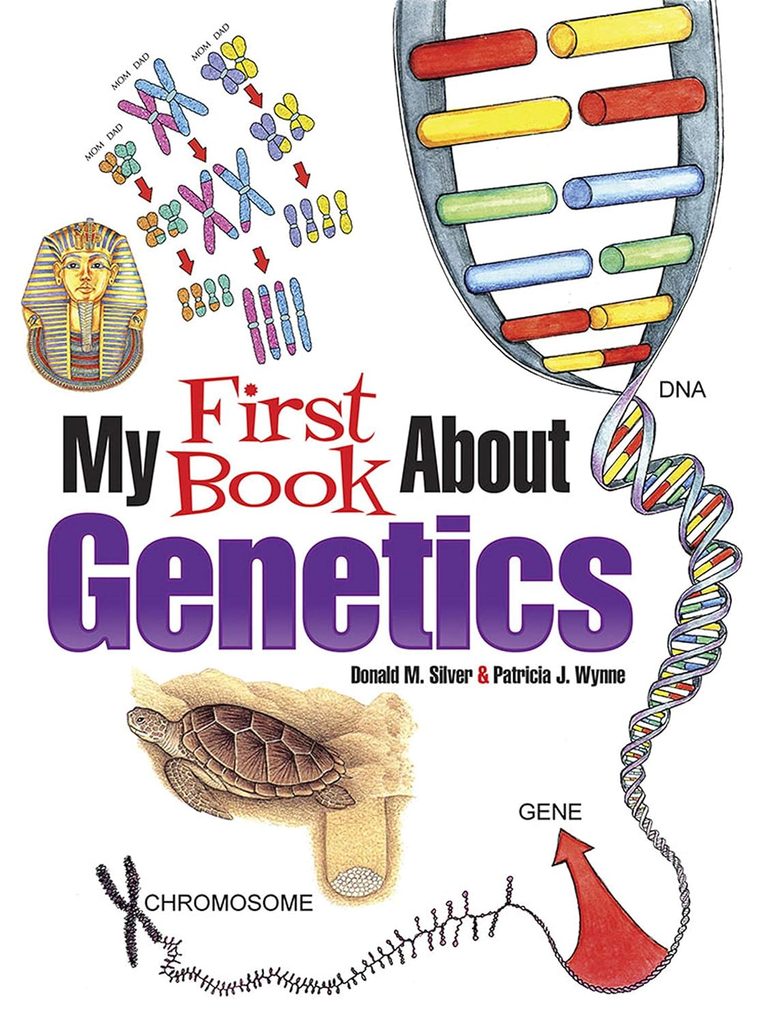
My First Book About Genetics is a simple option for introducing younger children to the basic idea of genetics.
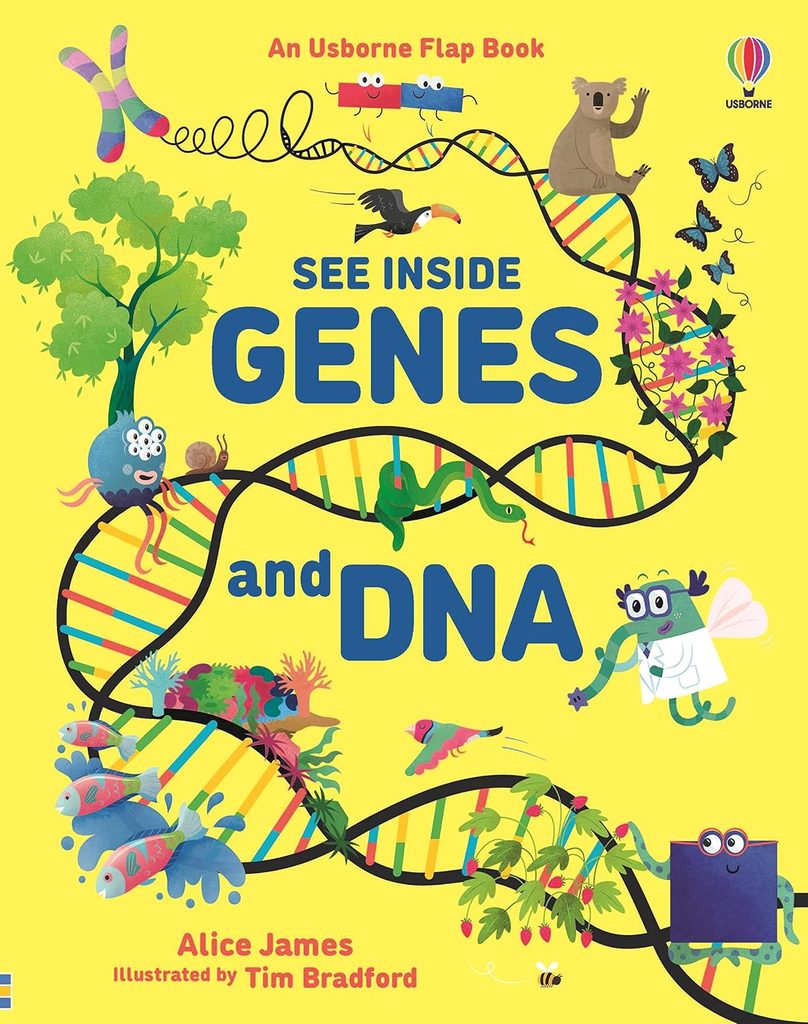
See Inside Genes and DNA is useful for children who enjoy asking “how?” and “why?” and want to understand what DNA and genes actually do.
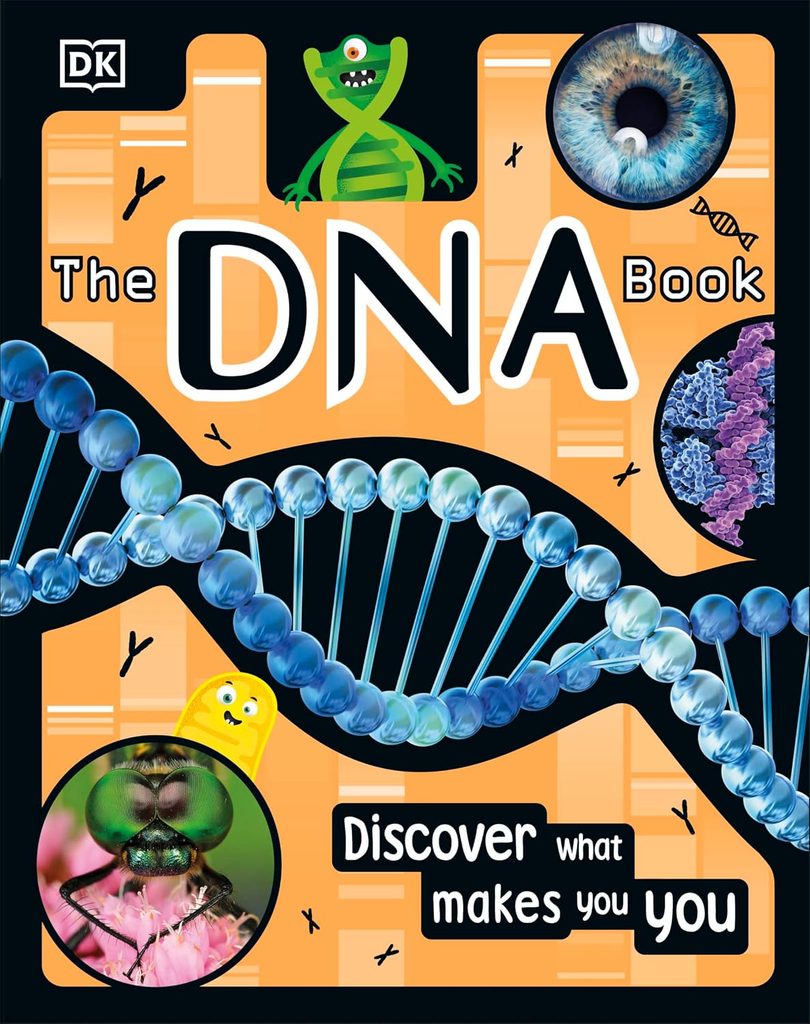
DNA For Kids offers another child-friendly way to explore genetics and how living things are built.
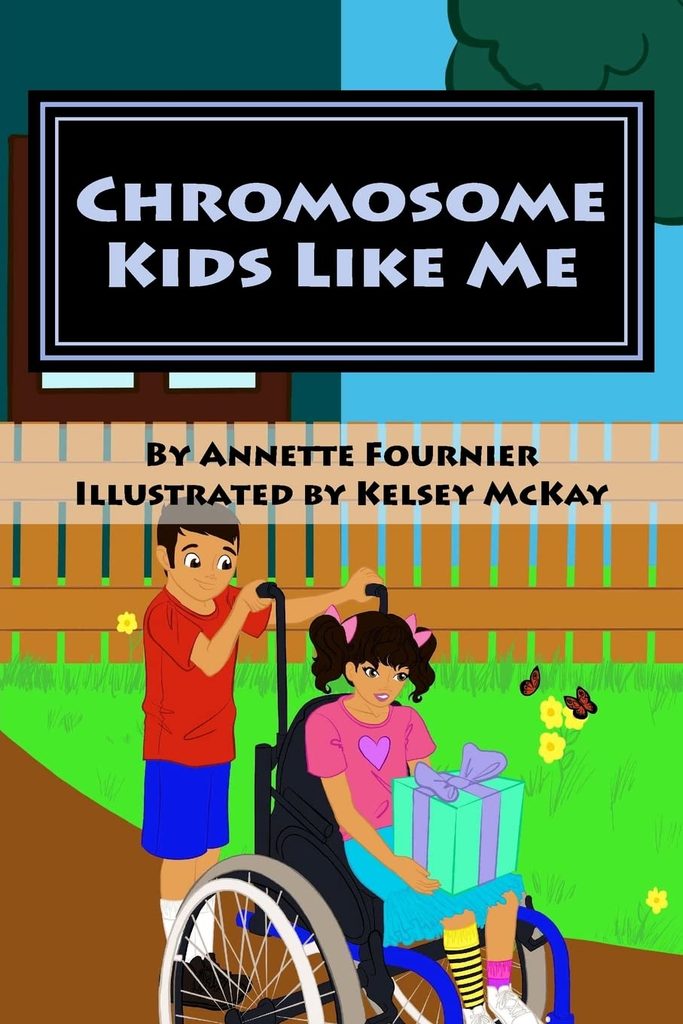
Chromosome Kids Like Me can be particularly useful when introducing children to the idea that chromosomes carry genetic information.
Frequently Asked Questions About What Children Inherit From Their Parents
Do children get 50% of their DNA from Mum and 50% from Dad?
Typically, yes. A child inherits one set of chromosomes from each biological parent, resulting in roughly half of their nuclear genome coming from each parent.
What traits do children inherit from their mother?
Children inherit genetic variants from their mother that can influence many characteristics, including eye colour, hair characteristics, height, facial features and susceptibility to some health conditions. However, most of these characteristics are influenced by genetic information from both parents rather than belonging exclusively to Mum.
What traits do children inherit from their father?
The same basic principle applies to Dad. Children inherit genetic variants from their father that can influence many physical and biological characteristics.
Do boys get more genes from their mother?
No. Boys typically receive 22 autosomes and an X chromosome from their mother, and 22 autosomes and a Y chromosome from their father. The X chromosome is larger than the Y chromosome, but this does not mean boys simply inherit more of their overall genetic makeup from Mum.
Does intelligence come from the mother or father?
Intelligence and cognitive abilities are complex traits influenced by many genetic and environmental factors. It is not scientifically accurate to say that a child gets their intelligence exclusively from their mother or exclusively from their father.
Which parent determines the baby’s sex?
In the typical XX/XY chromosomal pattern, the egg contributes an X chromosome, while the sperm contributes either an X or Y chromosome. Therefore, the chromosome contributed by the sperm determines whether the embryo has an XX or XY chromosomal pattern.
Can a child have a different eye colour from both parents?
Yes. Eye colour is influenced by multiple genes, so the simple “brown is dominant, blue is recessive” model cannot explain every family.
Why can siblings look so different?
Each child receives a different combination of genetic variants from their parents. This genetic reshuffling is one reason siblings can have noticeably different appearances and characteristics.
Can children inherit traits from their grandparents?
Yes, indirectly. Genetic variants inherited by a parent from their own parents can sometimes be passed on to their children, which can result in grandchildren sharing characteristics with grandparents.
A Note From Raising Smiles
Family resemblance can be fun to spot, but genetics is not a competition between Mum and Dad.
Your child’s genes are only part of their story.
The way you talk to them, read with them, play with them, respond to their questions, encourage their curiosity and help them navigate the world also contributes to who they become.
So by all means, keep asking:
“Who does she look like?”
“Where did those curls come from?”
“How did he get those dimples?”
Just remember that underneath all those fascinating inherited traits is something even more special:
A child who is becoming completely and uniquely themselves.